Story audio is generated using AI
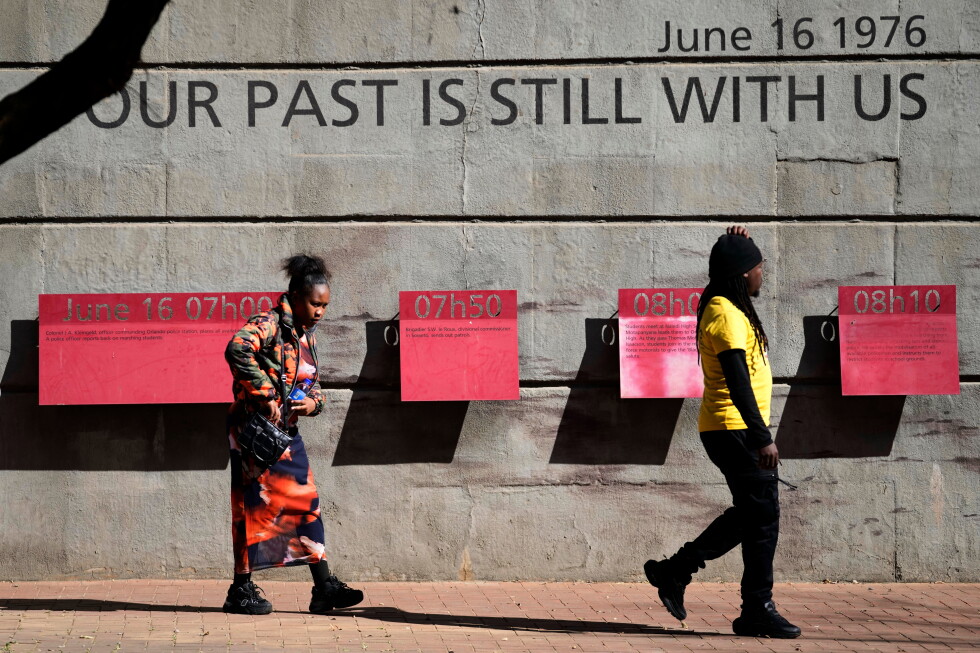
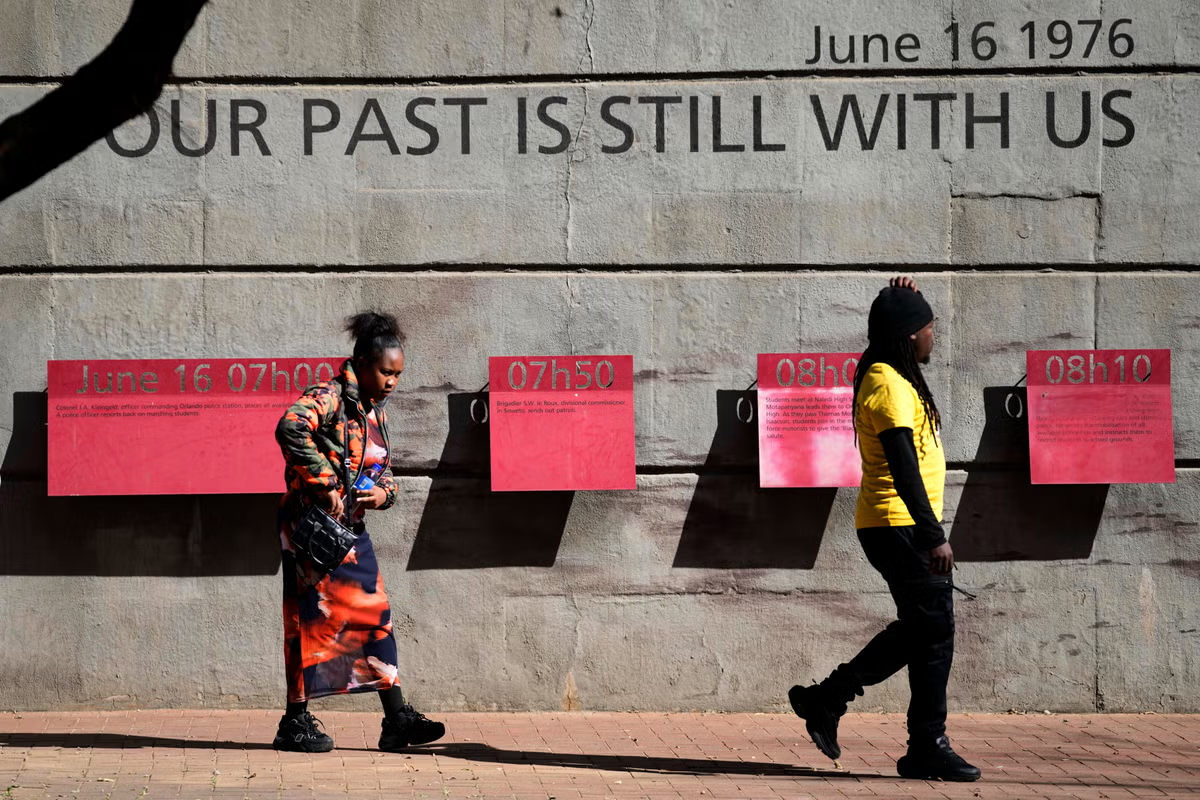
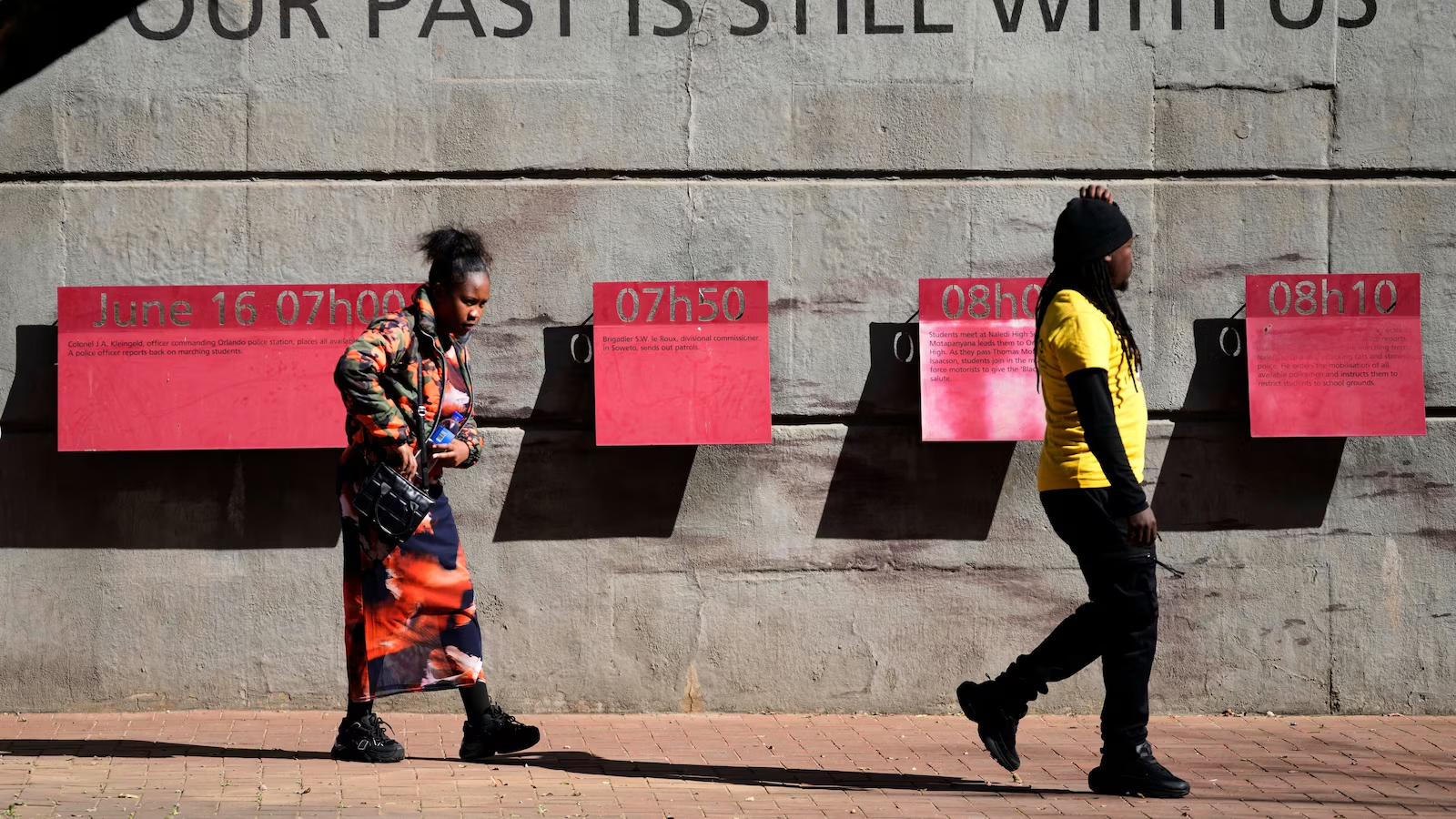
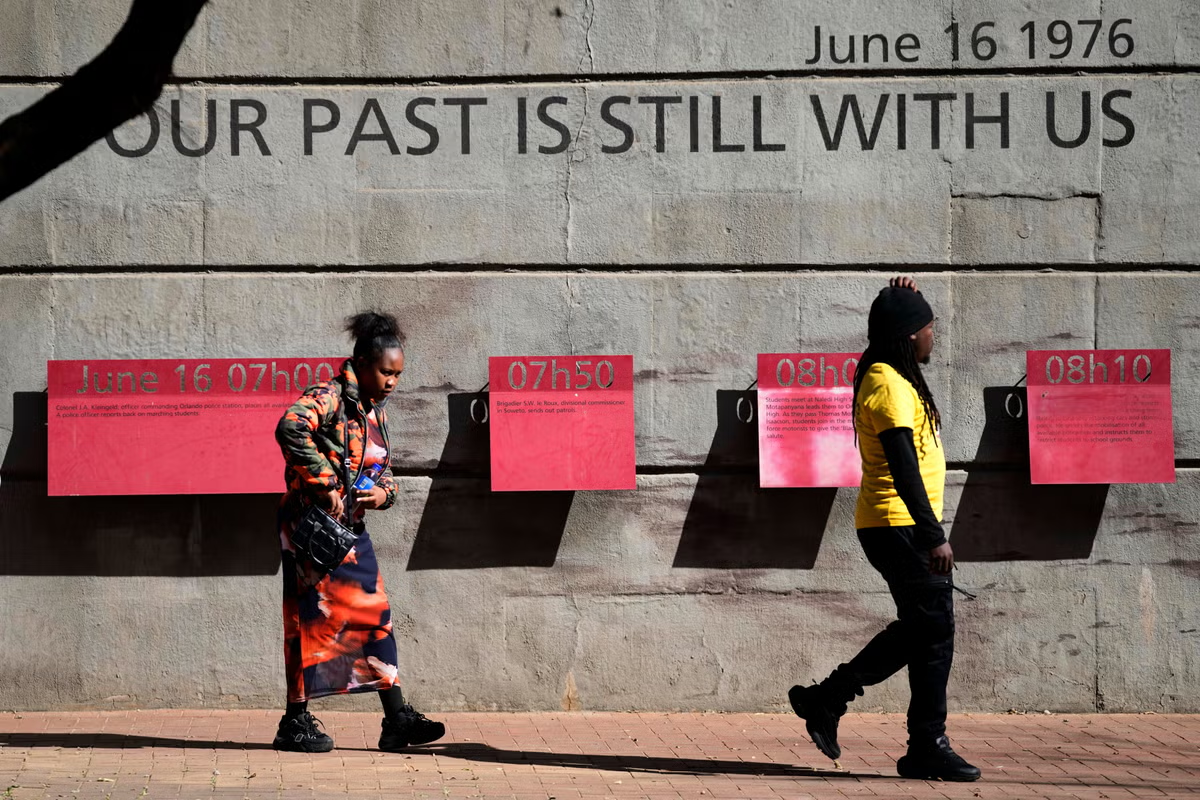
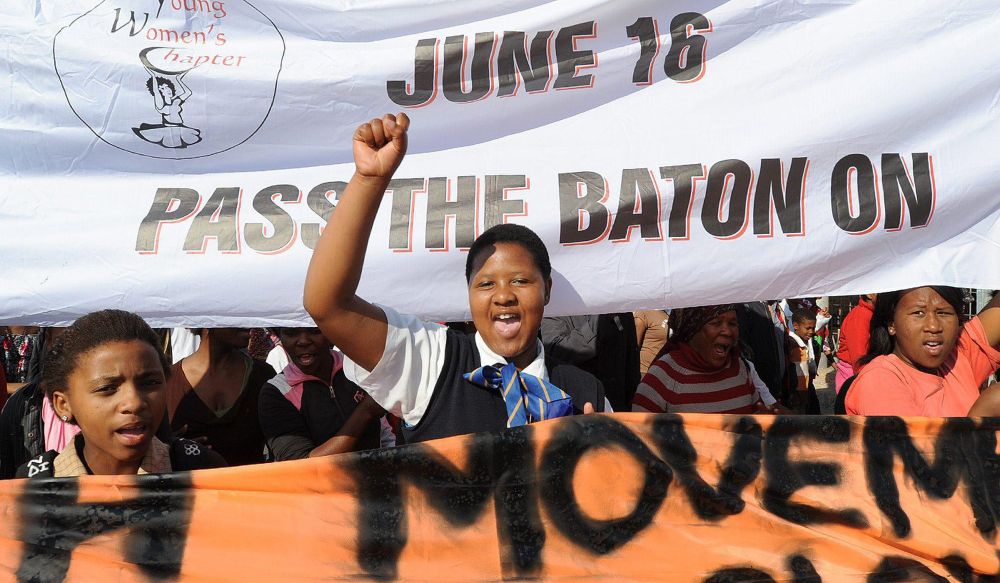
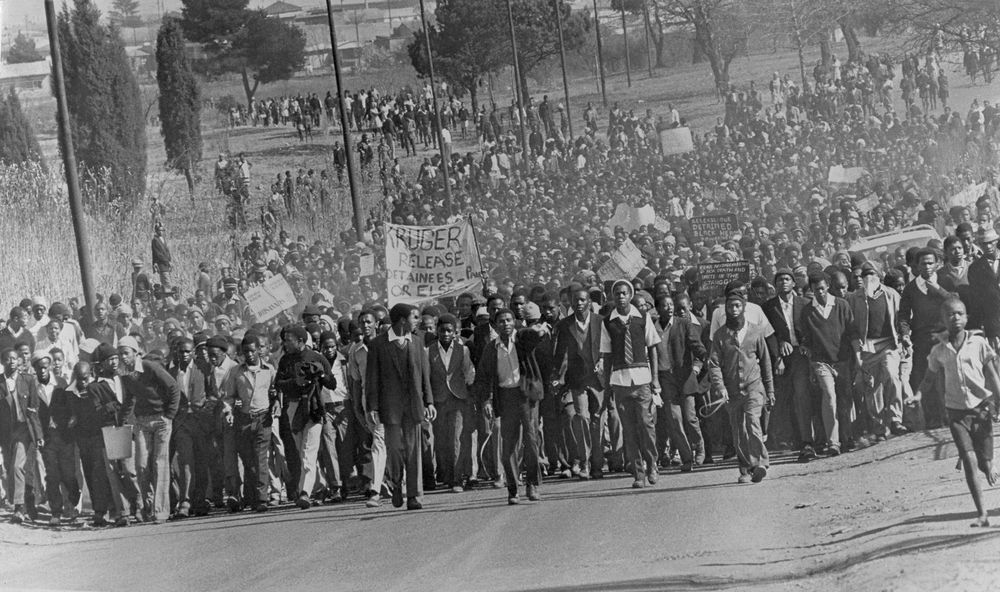
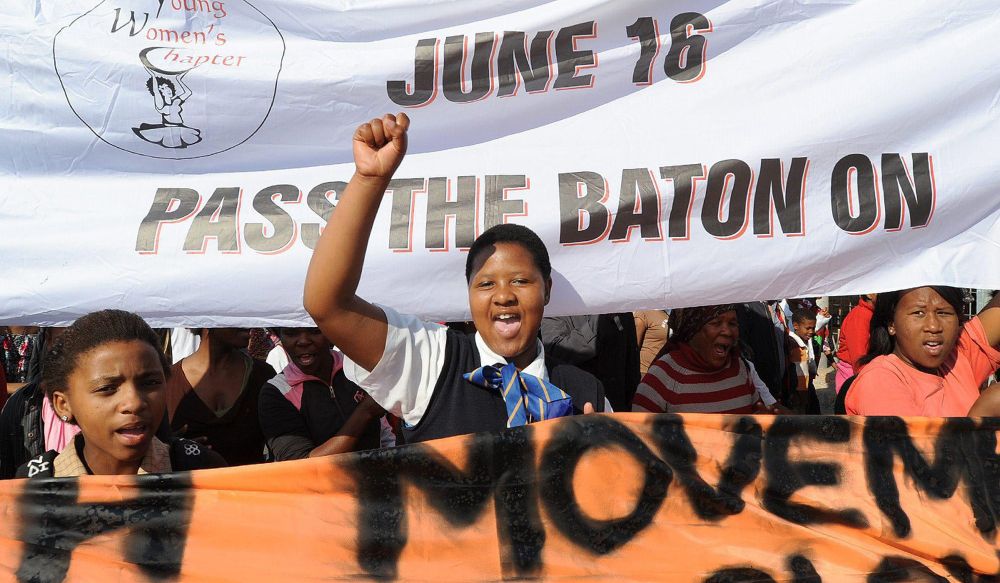
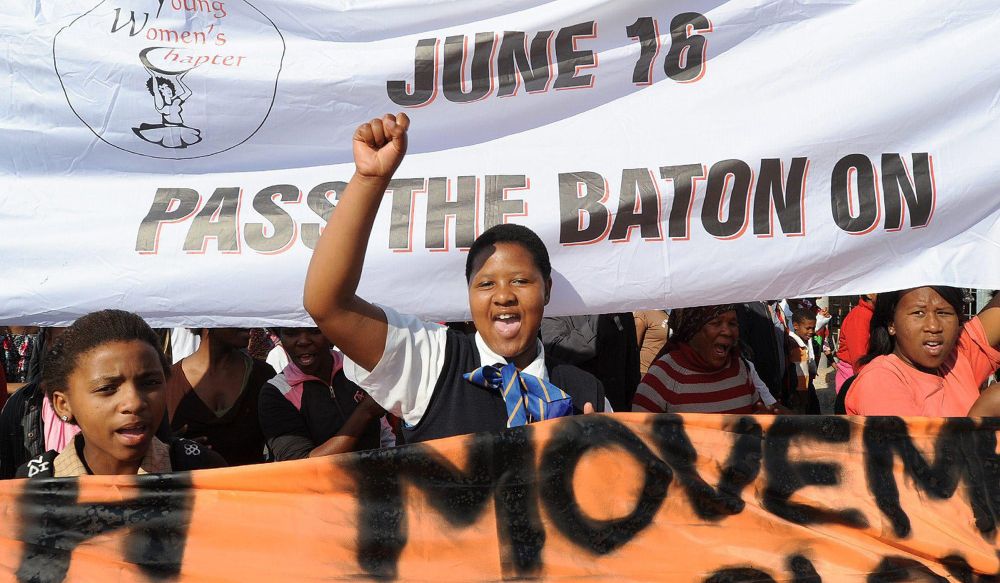
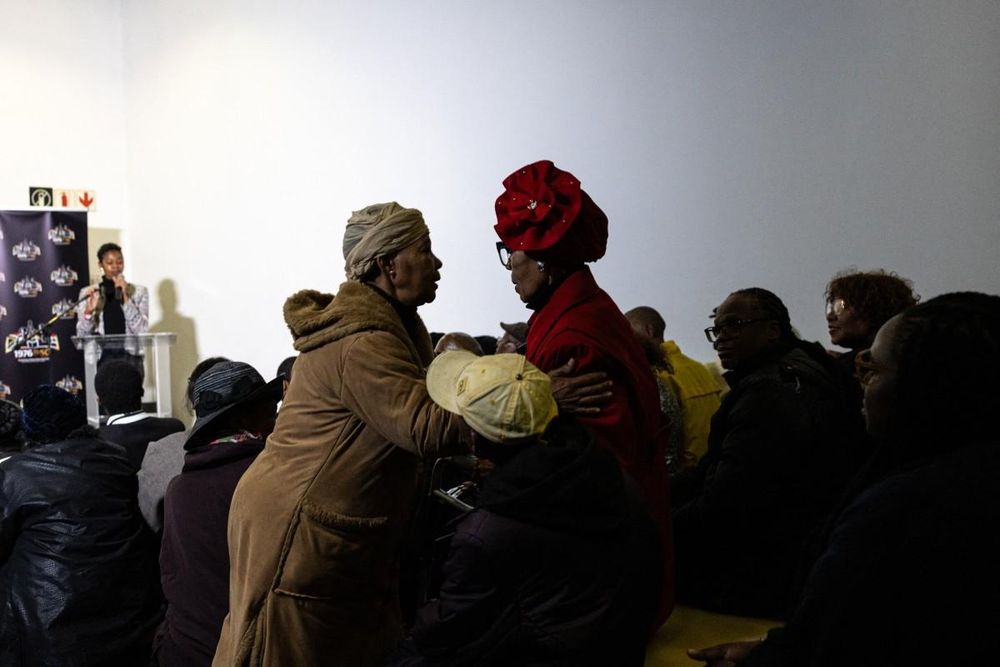
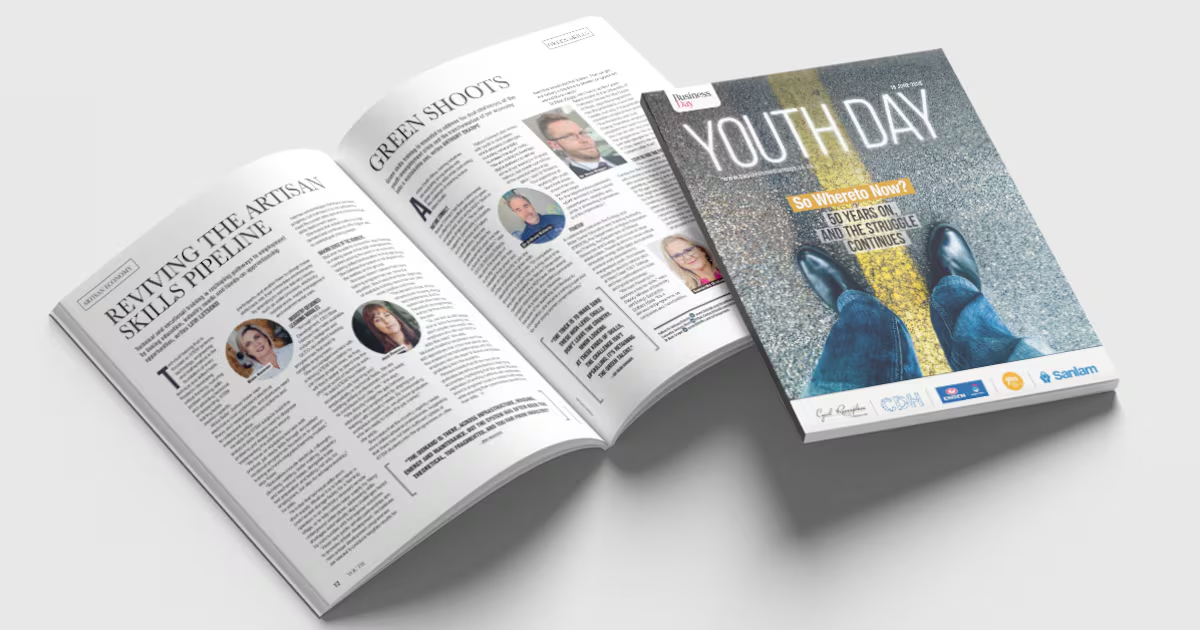
The police killing of protesters in Soweto on June 16 and 17 1976 had an impact much greater than the sprawling township that has always housed the majority of people who call Johannesburg, the city of gold, their home. In the Hanover Park township on the other end of the country, where I was in high school, we decided to protest in support of the Soweto students, and against the police and the apartheid state. It was my introduction to the struggle against apartheid, which consumed the rest of my life as I morphed into adulthood. Sadly, 50 years later, the struggle is continuing, albeit in slightly different forms to those we fought for and against. In many ways, despite the dangers of death and/or detention, it was easier to fight against apartheid. We knew the enemy, and we knew what we wanted to replace it with. The young people of today are not only fighting for a more equitable society and against racism, but they are also fighting against things that we conveniently ignored, such as gender-based violence, in our quest to show a united front against apartheid. They have shown, as some of us older folk realised much later in life, that you cannot have selective morality when it comes to struggle. You have to oppose all that is wrong and unjust, and support all that is right and which aims to turn people into better human beings. This publication reflects briefly on the 50th commemoration of the events that happened in Soweto and in Hanover Park township, and also looks at some of the issues young people deal with nowadays, such as finding jobs in an ever-changing work environment, financial literacy, entrepreneurship and mental health, something we chose to ignore when I was growing up. We hope you enjoy reading this publication and find value in some of the information we are sharing with you. Aluta continua. Ryland Fisher Editor