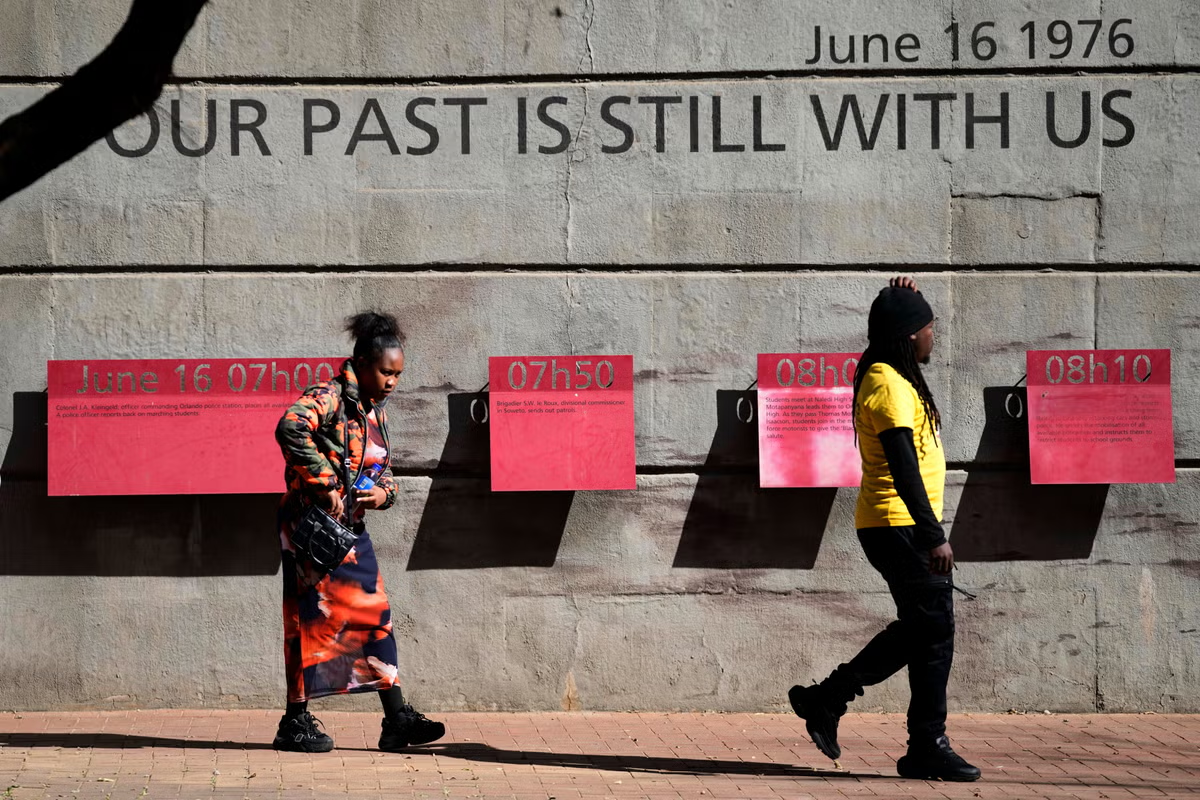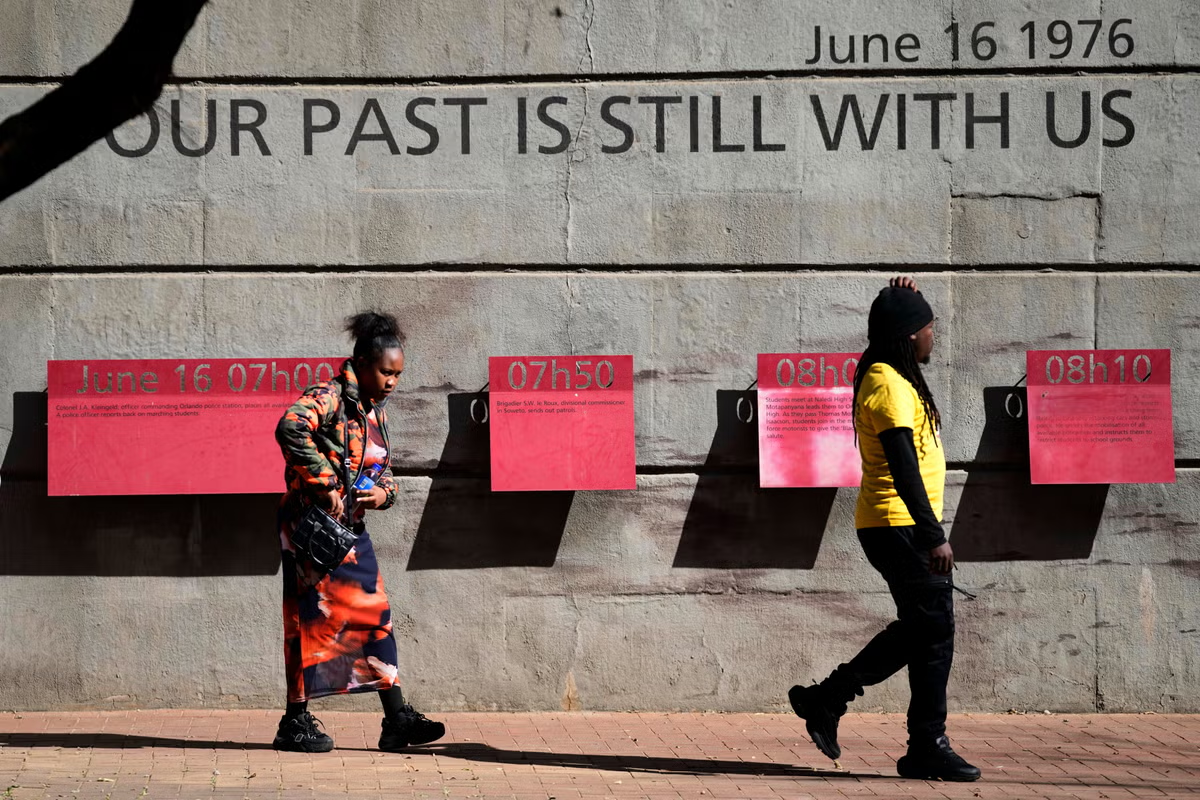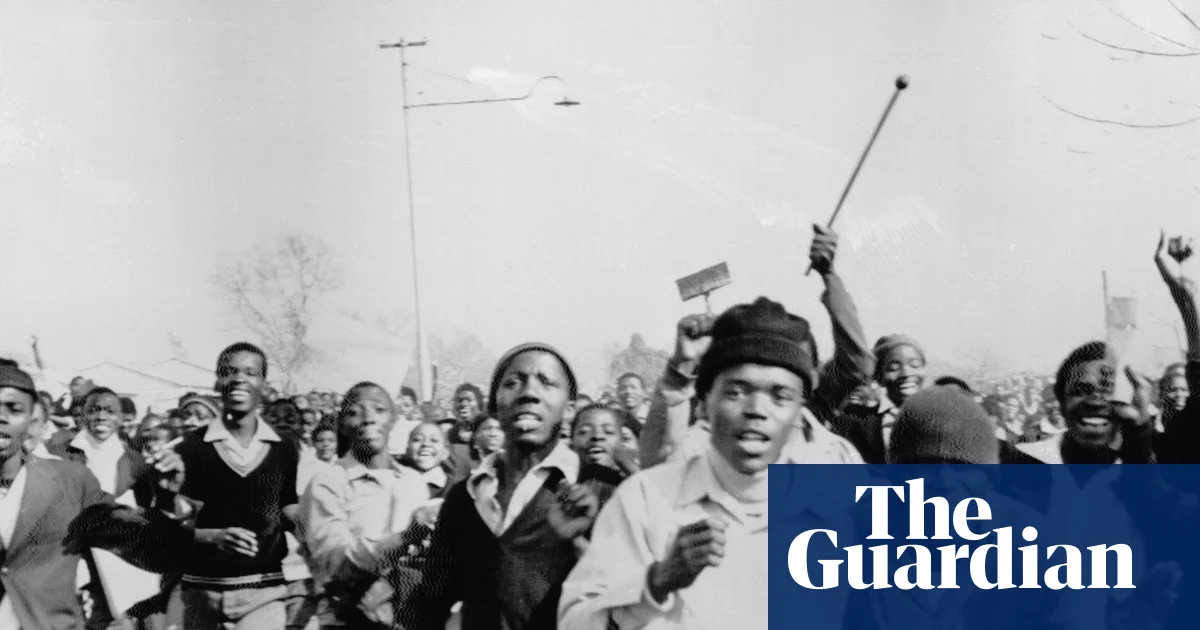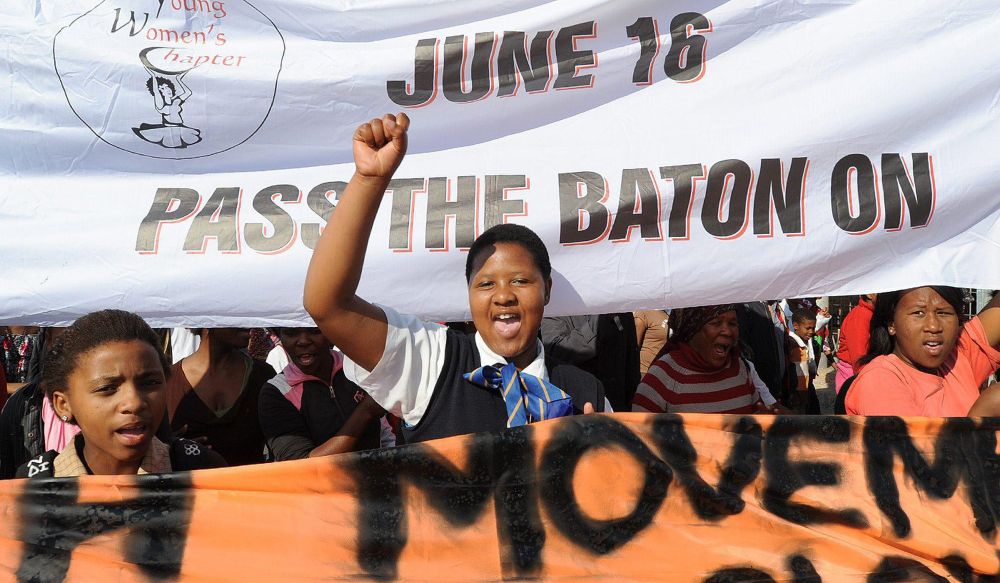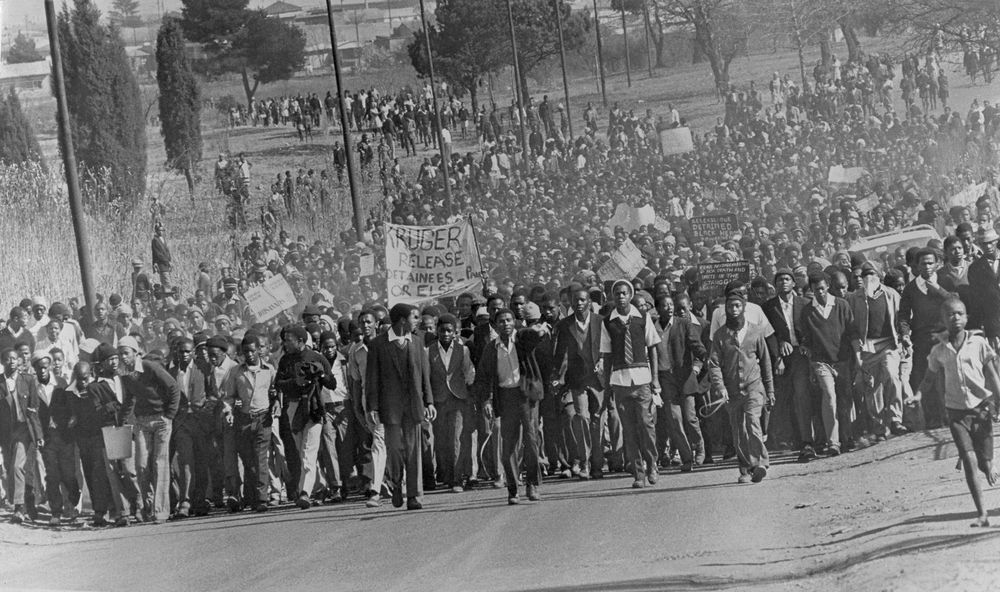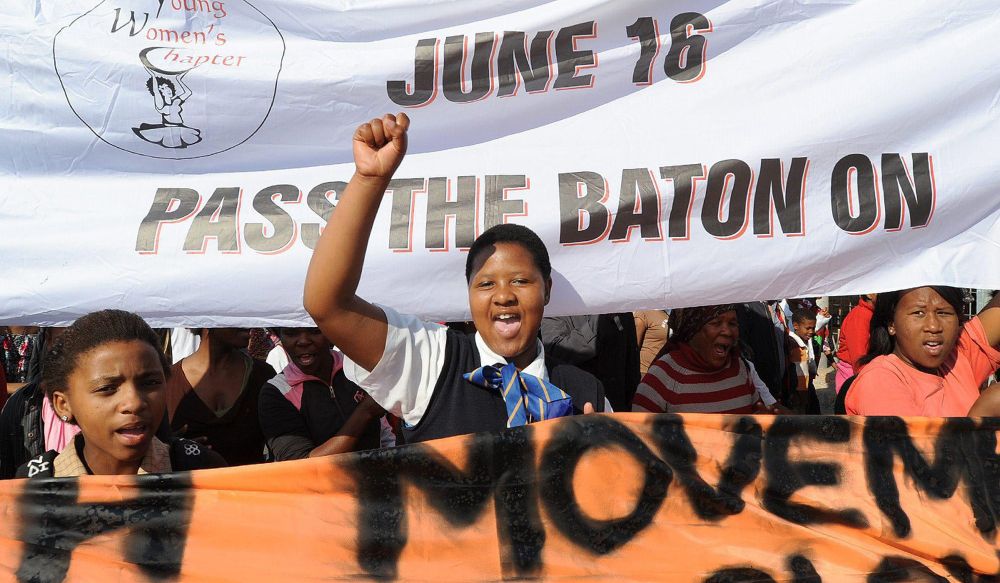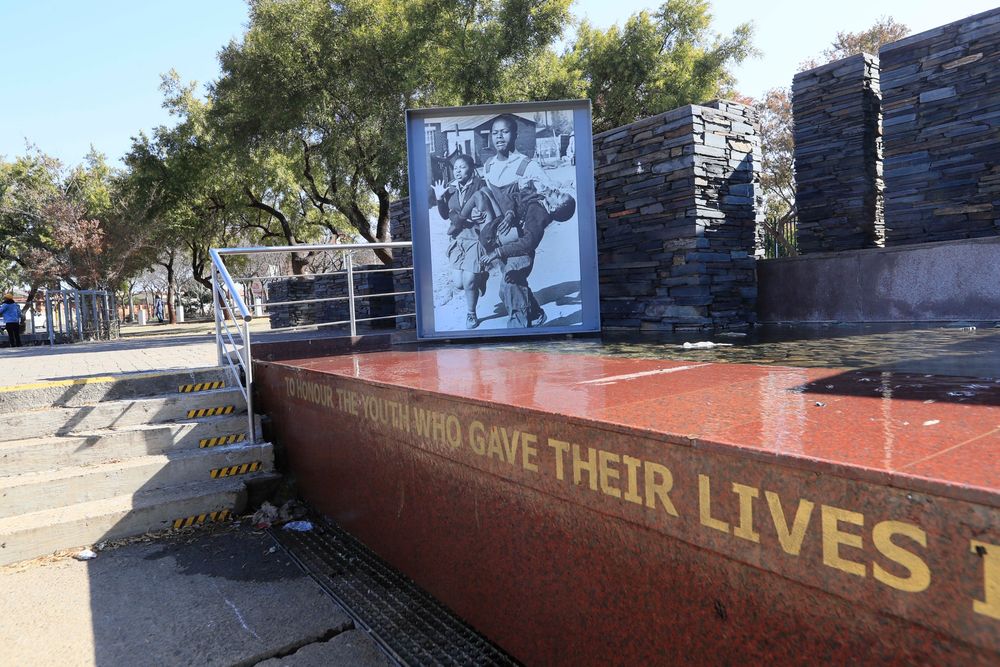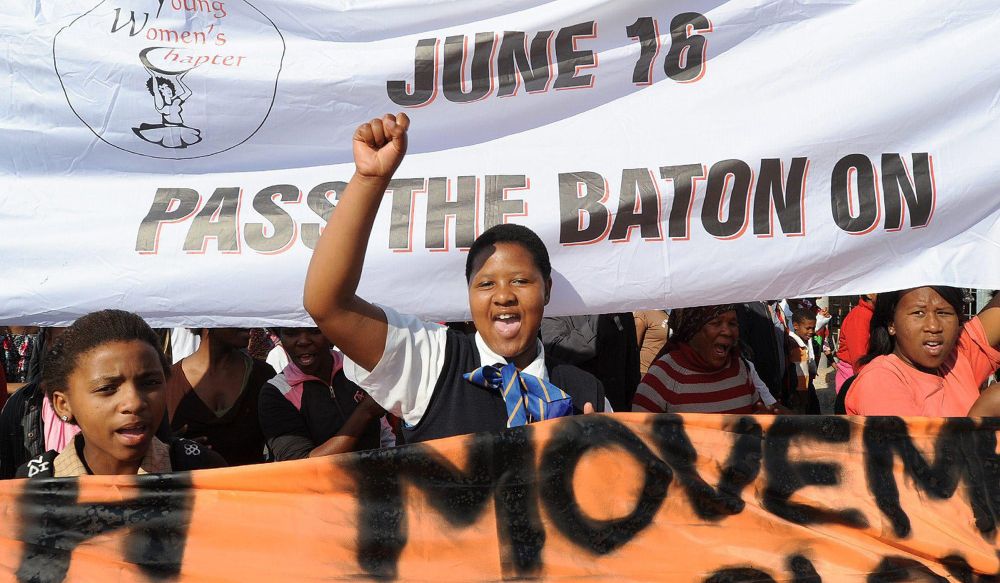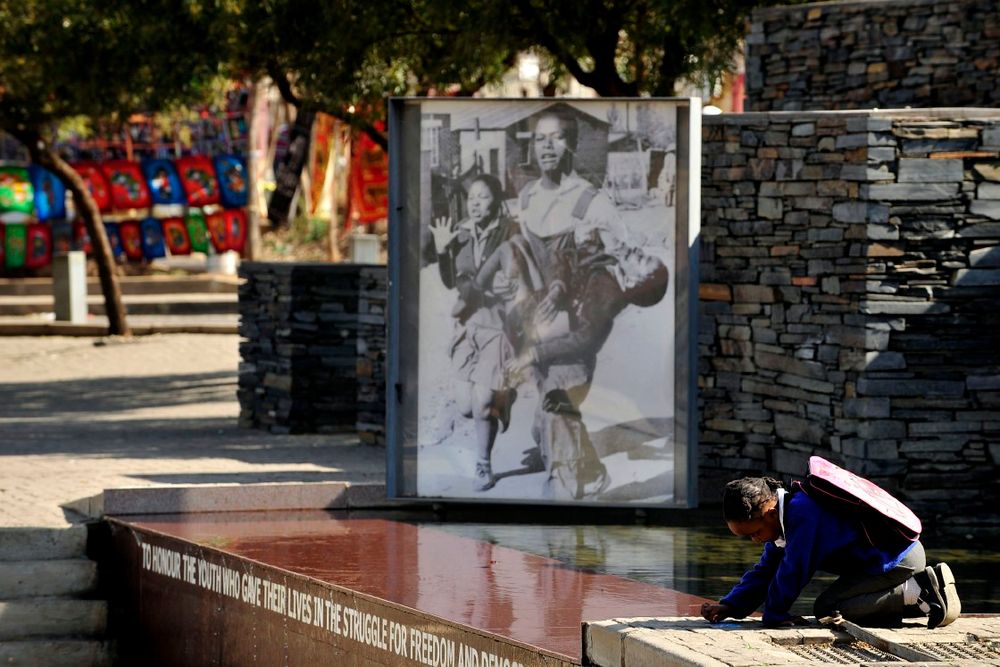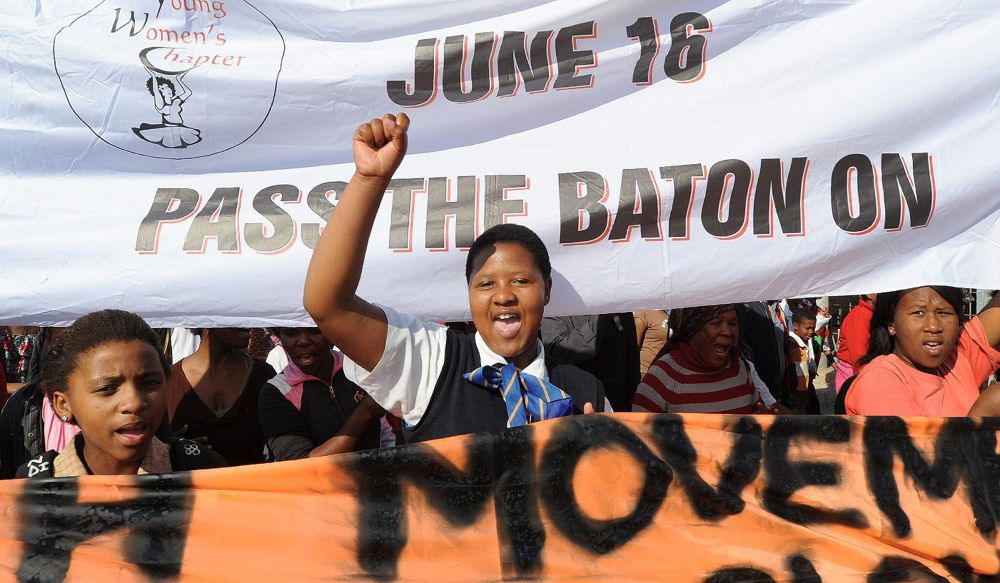
This year sees South Africa observes 50 years since the Soweto uprising of June 16, 1976, when the bravery of tens of thousands of school children ignited a countrywide rebellion.
AS THE sun rises over Soweto this June, the air carries a weight that feels both historic and heavy. We stand on the precipice of the 50th anniversary of the 1976 Soweto Uprising - a golden jubilee of courage that changed the course of our nation forever. Yet, as we prepare to honour the "Gallant Cadres" of 1976, we must confront a sobering reality: for millions of young South Africans today, the "better life for all" remains a dream deferred.
The imagery of 1976 is etched into our collective DNA - the school uniforms, the hand-painted placards, and the tragic, defiant face of Hector Pieterson. Those students didn't just march against a language policy; they marched for the fundamental right to be seen, to be heard, and to have a future defined by dignity rather than decree.
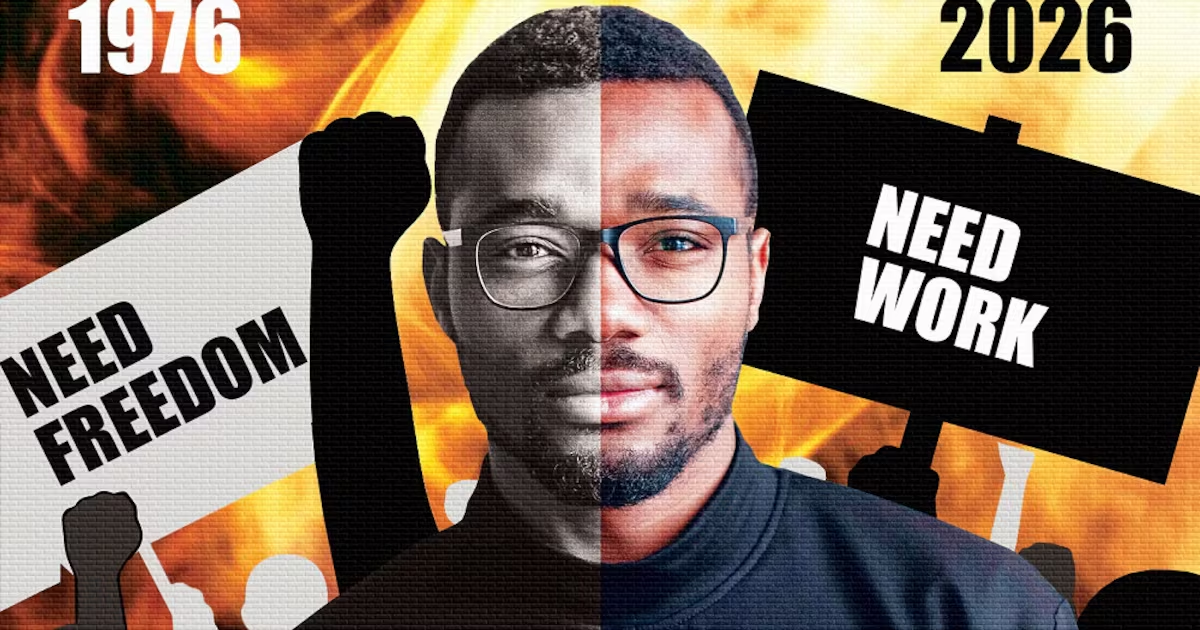
Fifty years later, the battlefield has shifted from the classroom to the labour market. The statistics are not just numbers; they are an indictment of our progress.
As of 2026, youth unemployment remains a staggering national crisis. The "Triple Challenges" of poverty, inequality, and unemployment are not just policy talking points; they are the lived, daily struggles of a generation that feels increasingly excluded from the economy they were promised would be theirs.