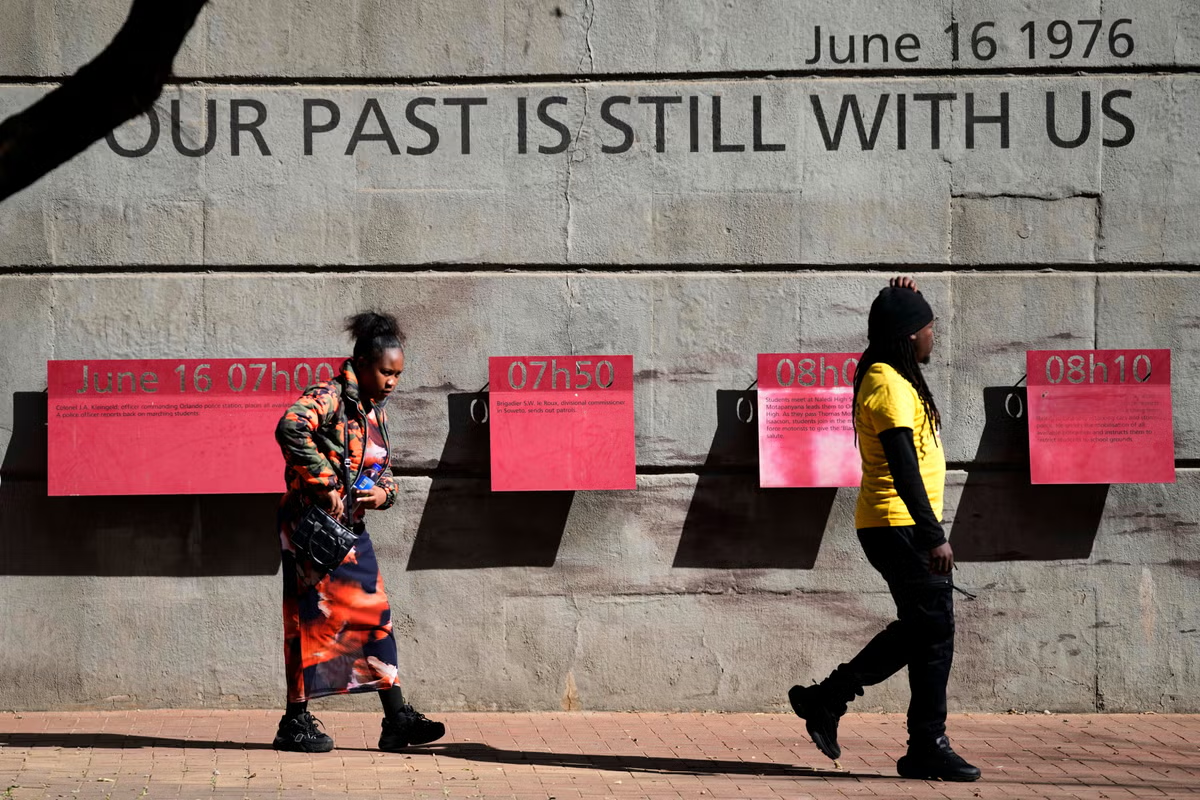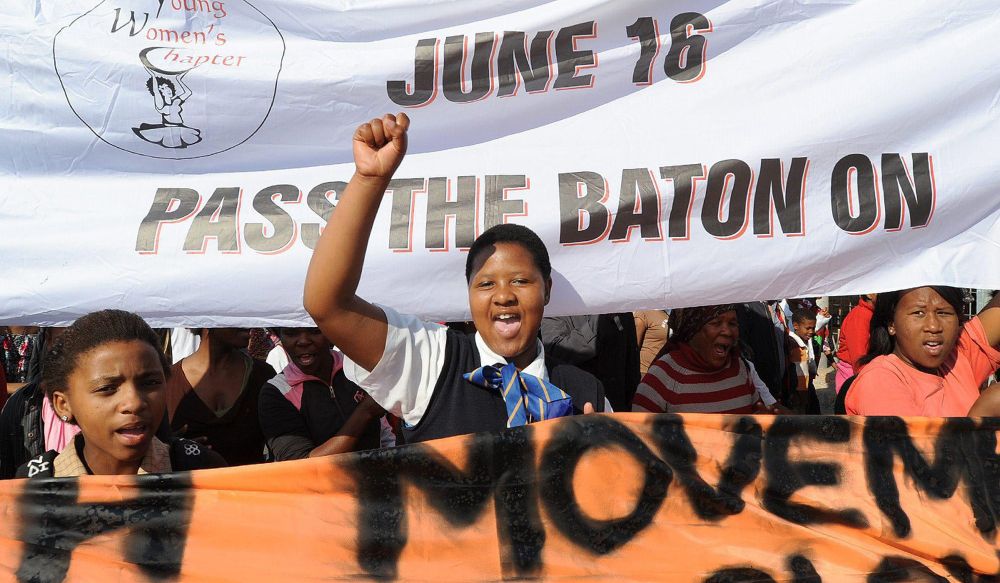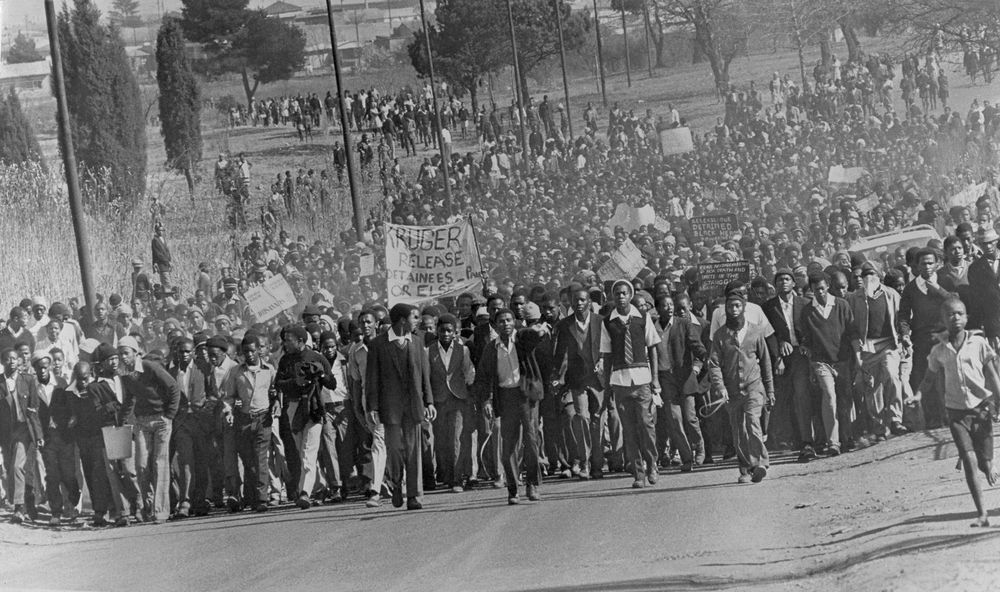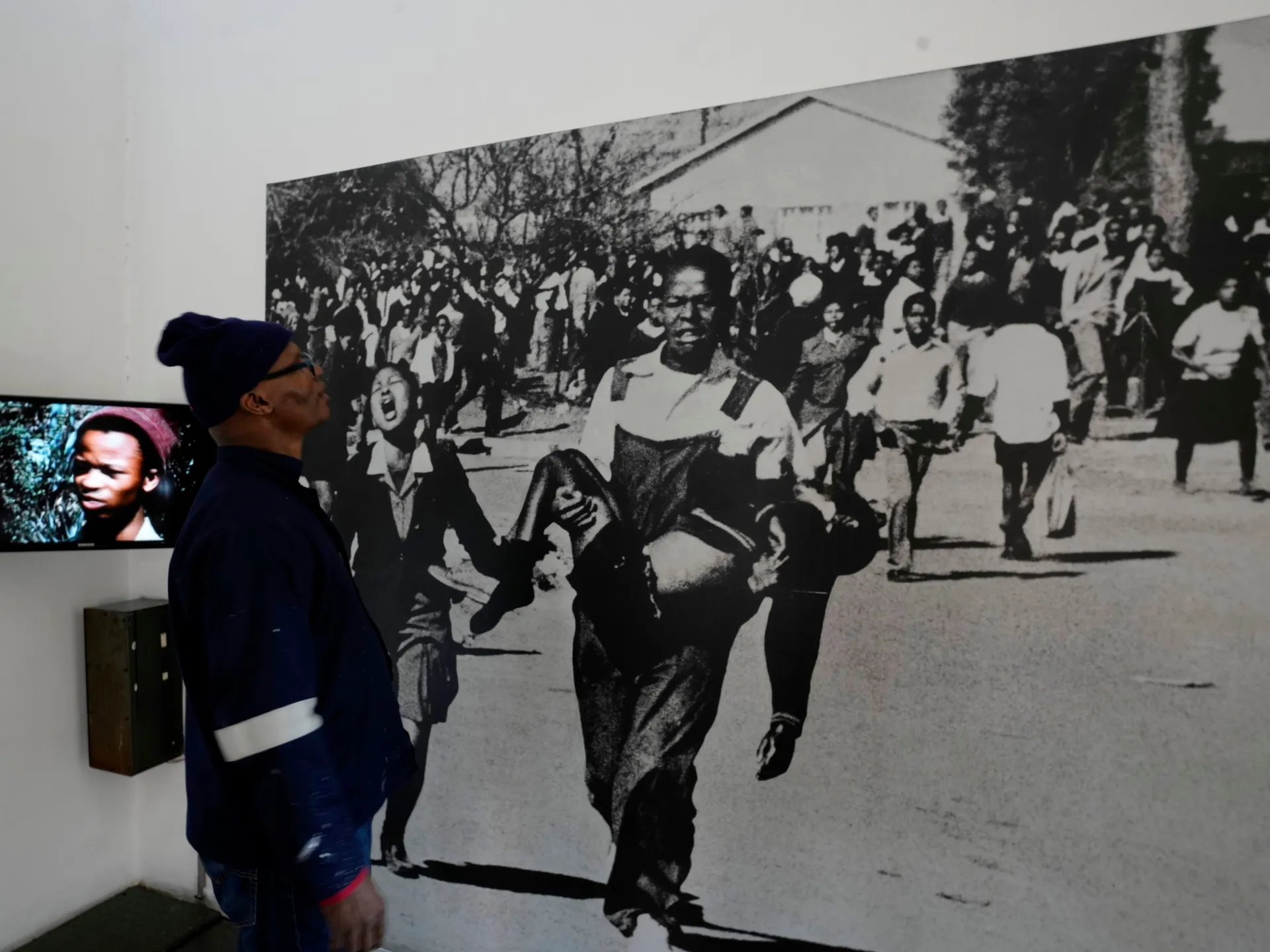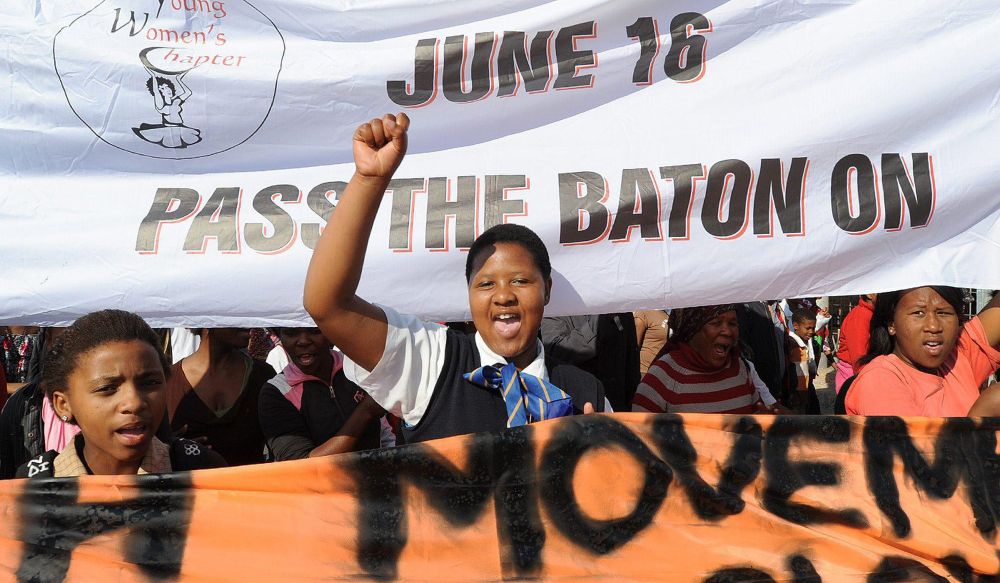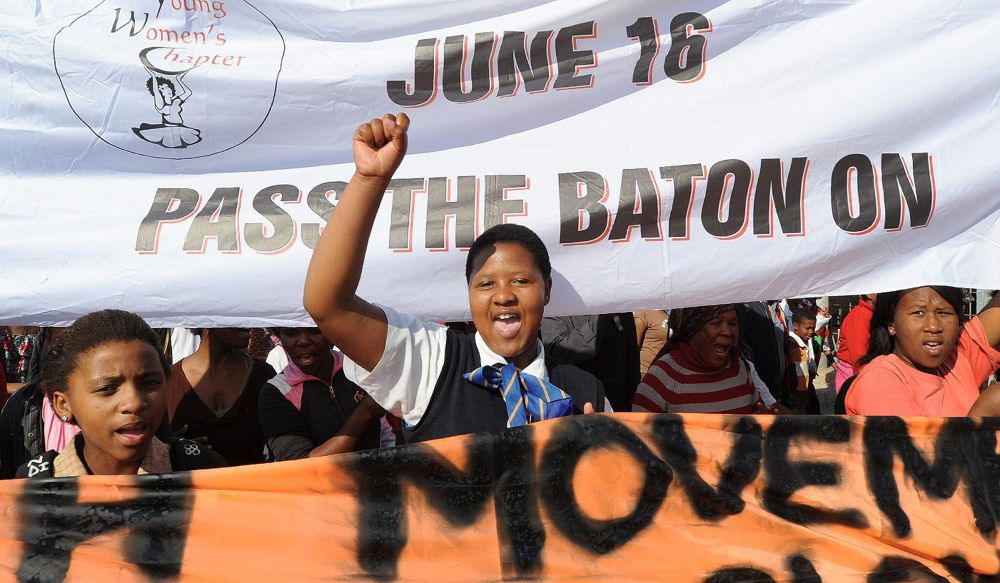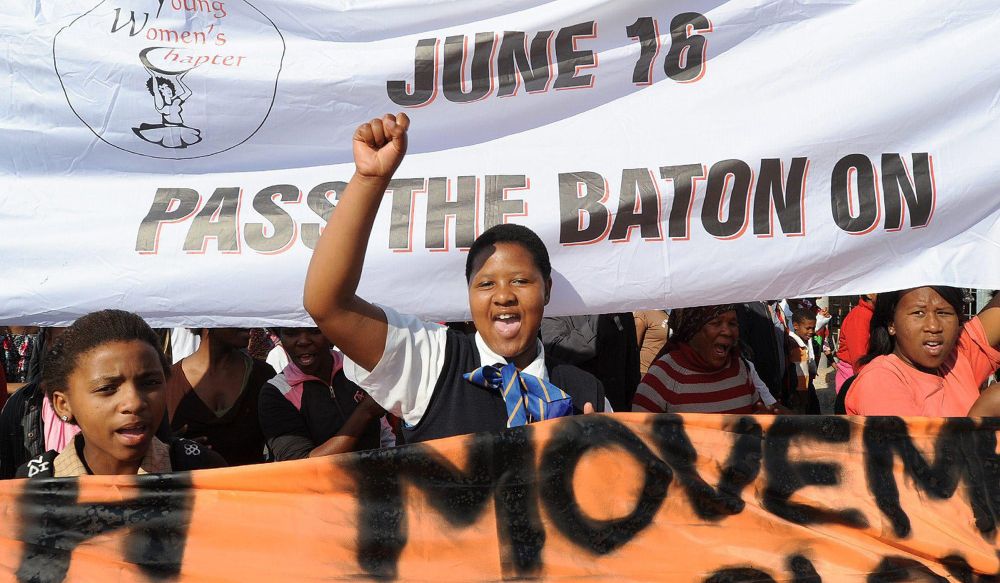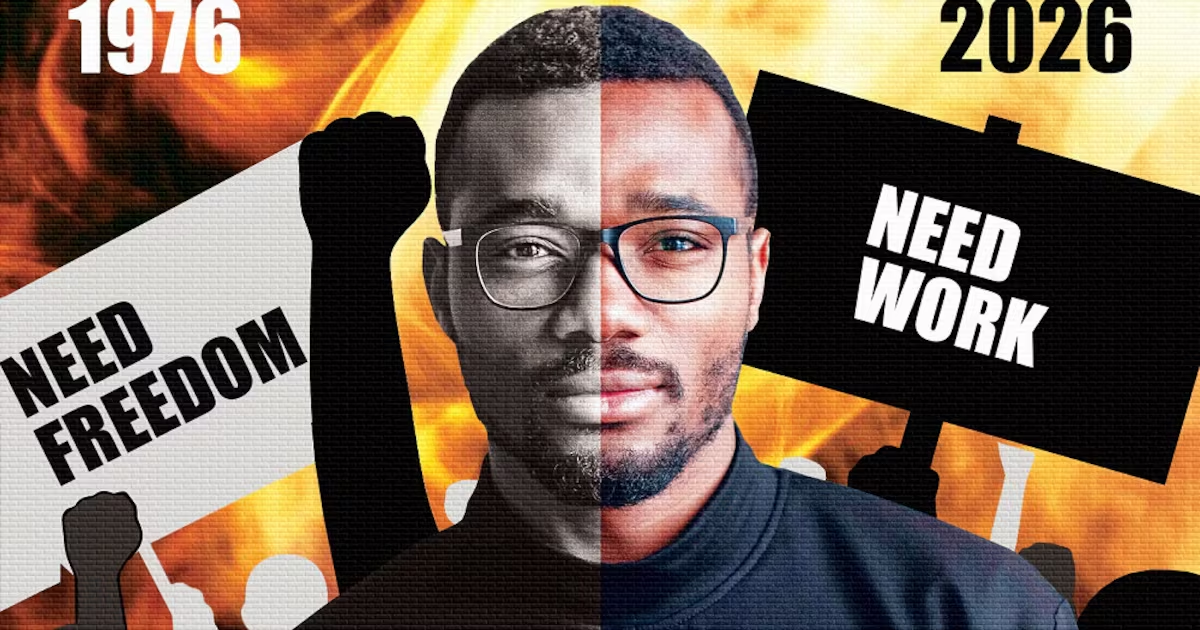
I was in exile 50 years ago tomorrow with the ANC and SACP, shocked and captivated by news that apartheid police had fired on a boisterous protest march of school pupils in Soweto, resulting in many deaths. The rebellion spread like wildfire, involving pupils and later workers, black and mixed-race youth, countrywide. State pathology reports show in the two months after the slaughter half of those killed were aged over 20 and 20% over 30. By year’s end more than 1,000 people were dead. Some have questioned the ANC’s role. The short answer is that the strategy of the movement under the leadership of Oliver Tambo in exile was revitalised. Thousands were recruited, armed resistance and mass struggle grew, and international solidarity intensified in isolating the regime. There had been signs of mounting challenges. Our underground structures reported mounting opposition to the enforcement of Afrikaans as a medium of instruction, integral to the Bantu education system designed to train Africans for servitude.The June 16 demonstration was called by the South African Schools Movement, influenced by a black consciousness ideology and the South African Students Organisation in the black universities. A significant coterie of activists was connected to the ANC, such as Tokyo Sexwale, Nkosazana Dlamini, Snuki Zikalala and Joyce Sikakani. The latter two had been detained and charged with Winnie Mandela and others in 1969 for clandestine activity. The rising foment took place in the context of growing worker protests, dating from the strike wave of 1973. The increase in strikes reflected worsening economic conditions. An economic slump was underway, with a rise in inflation particularly affecting black households, a fall in the gold price, and a rising defence budget. Inherent to the mood was the significance of the liberation of Mozambique and Angola in 1975. The retreat of the South African Defence Force (SADF) from Angola in January 1976, when Cuban forces came to Angola’s assistance after an invasion to prevent the MPLA seizing power, heightened expectations. The defeat of US imperialism in Vietnam was an enormous inspiration. White power could be defeated. The rising foment took place in the context of growing worker protests, dating from the strike wave of 1973. The increase in strikes reflected worsening economic conditions. An economic slump was underway, with a rise in inflation particularly affecting black households, a fall in the gold price, and a rising defence budget. Key inflection points played their part in transforming South Africa. The Freedom Charter reflected aspirations of an oppressed people for a nonracist, democratic society. The Sharpeville massacre marked the turn to armed struggle. The defiance and imprisonment of the Mandela leadership aroused a new generation. Umkhonto we Sizwe’s (MK’s) military incursions with Zapu into Rhodesia in 1967/68 and the strategy of the exiled ANC’s 1969 Morogoro Conference began the long process of recovery. The distance from the country and smashed internal organising structures were problems. It was the Soweto events that marked a sea change, raising the tide of struggle to unprecedented heights. The question arises, then, why most youth who left the country sought the ANC. The youth were attracted to the ANC by its presence in neighbouring states, safe houses, experienced cadres, and its international connections. It had a training base in Angola. The Soviet Union had provided advanced training from the early 1960s, and it, Cuba and East Germany could provide assistance on an increased scale. The first request from new recruits was guns so they could return home to “kill the Boers”. Our forthright response promised action, but with political education combined with military training. The enemy was a system that had to be destroyed, not a skin colour. What was surprising was how quickly they cottoned on. There was impatience, but most readily adapted to the long haul. Some were earmarked for what we called “crash courses” — a swift turnaround, to strike the enemy by acts of armed propaganda. Firing rockets into police stations, planting bombs and mines. Then came the bombing of the Sasol oil refinery, sabotage at the Koeberg nuclear plant, and missiles striking SADF headquarters. The enemy was a system that had to be destroyed, not a skin colour. Heroic military operations, albeit at a low level of capacity, developed over a decade into an almost insurrectionary mass uprising. It was that political factor; the masses united and politically led, inspired by armed actions; a growing underground network; and international solidarity that constituted the four pillars of struggle. The emergence of the United Democratic Front and Congress of South African Trade Unions and a mass democratic movement mobilising the oppressed under ANC-SACP leadership was the essence of that sociopolitical force for change. At the climax the SADF lost the war to Cuban-Angolan forces at Cuito Cuanavale, and Namibia became free. That interconnection compelled the regime into negotiations. Victory was won because of the justice of the cause, the overwhelming involvement of the masses, international support, the unassailable leadership of the ANC and its firm alliance with the SACP and trade union movement. Fifty years on has seen the Soweto generation occupying careers in politics, government, business, professions and the military, given the opportunities provided by a nonracial, nonsexist democracy. Undoubtedly, they are a proud generation. They exhibited a remarkable esprit de corps. During the 30 years of MK’s fighting existence (1961-90) seven detachments graduated in training. Many regarded camp life as their halcyon days, whatever the detractors might say. They are celebrated in freedom songs, poems, books, museums, street names and cultural activities. A centre of celebration is the Soweto statue of 13-year-old Hector Pieterson, one of the first of the martyred children to die. Young Solomon Mahlangu, the first of the generation to be executed, is a national icon. “Tell my mother,” he said to the priest from the gallows, “that my blood will water the tree of freedom.” The veterans strive to protect the gains of the struggle and defence of democracy. The alarm bells have been ringing. Corruption that has seeped into the organs of government, state and society, worsening socioeconomic problems, and the rise of right-wing extremism reflect the deepening national crisis. A battle over values has been underway in a world in turmoil. Liberation heritage competes with the overwhelming commercialisation, commodification and neoliberalism of a country under the hegemonic sway of capitalism and Western imperialist influence. Dangerous forces are fomenting xenophobia and black division. As we commemorate the youth of June 16 we cannot hide from the cruel irony that it is our young people who bear the ruinous impact of all this. It is they who face mass unemployment and a future seemingly devoid of hope. How can the rot be stopped? While there are those who declared they hadn’t struggled to be poor, there are those who oppose greed and self-interest, striving to serve the people. That must be today’s clarion call. It is vital that today’s youth, to whom the torch of freedom has been passed, are educated, motivated and mobilised for the challenge. As in 1976, bold leadership and broad, nonsectarian unity are required. Otherwise, catastrophe. • Kasrils, a struggle veteran, is a former cabinet minister.
RONNIE KASRILS | Soweto uprising at 50
Youth joblessness, corruption and socioeconomic challenges threaten gains of democracy
1,190 words~5 min read