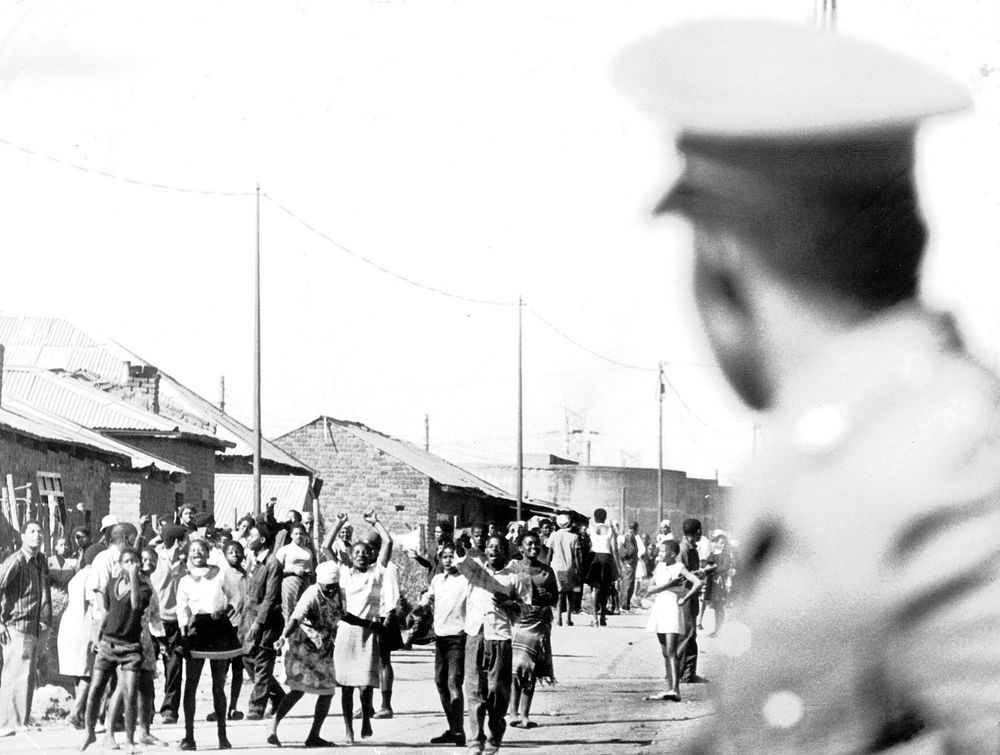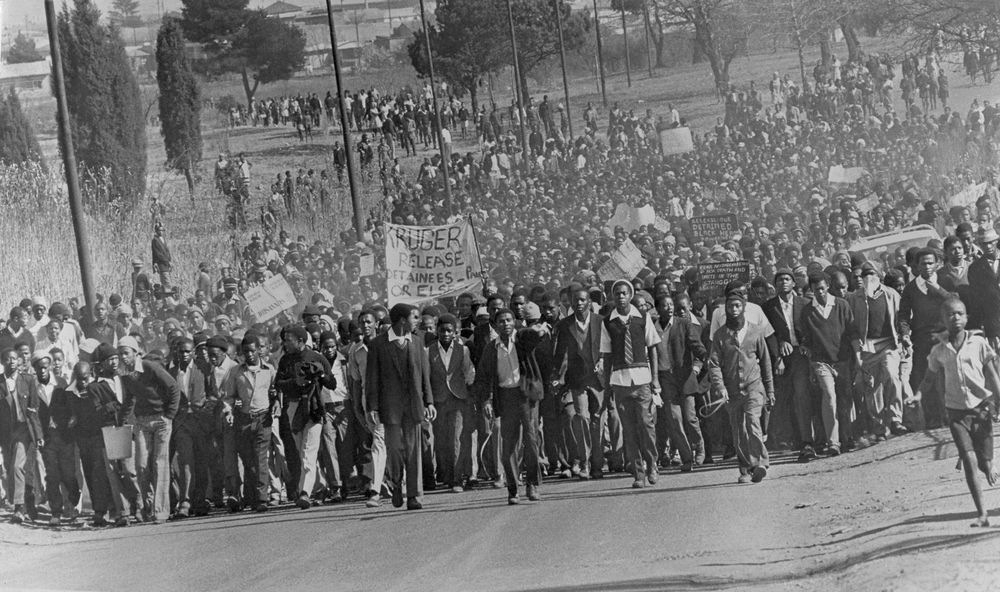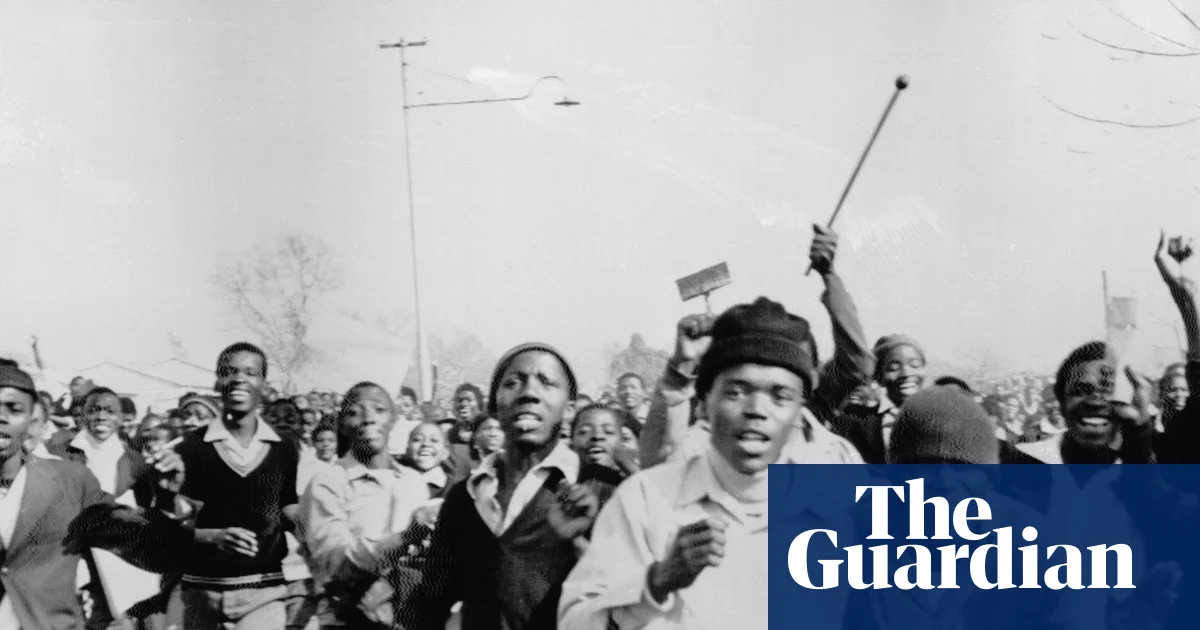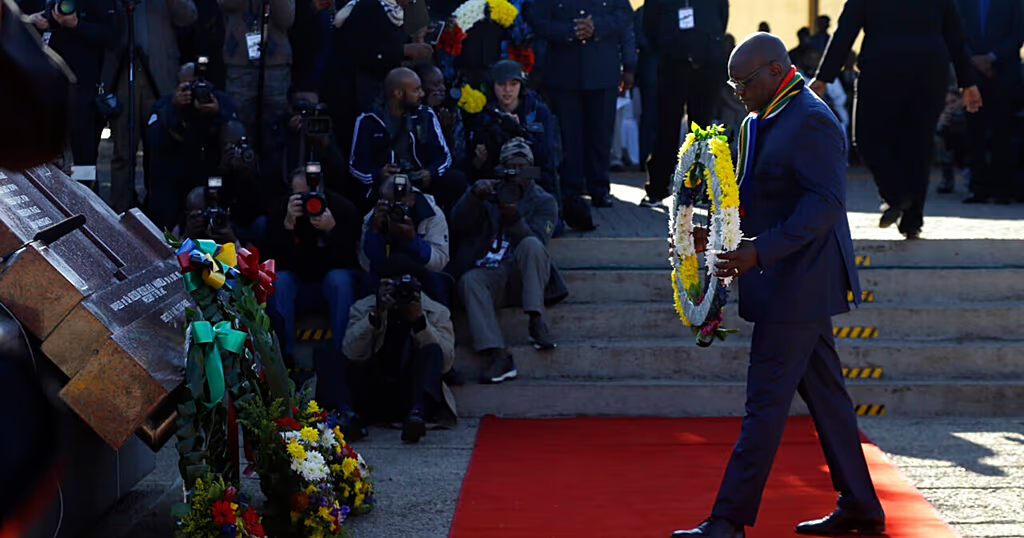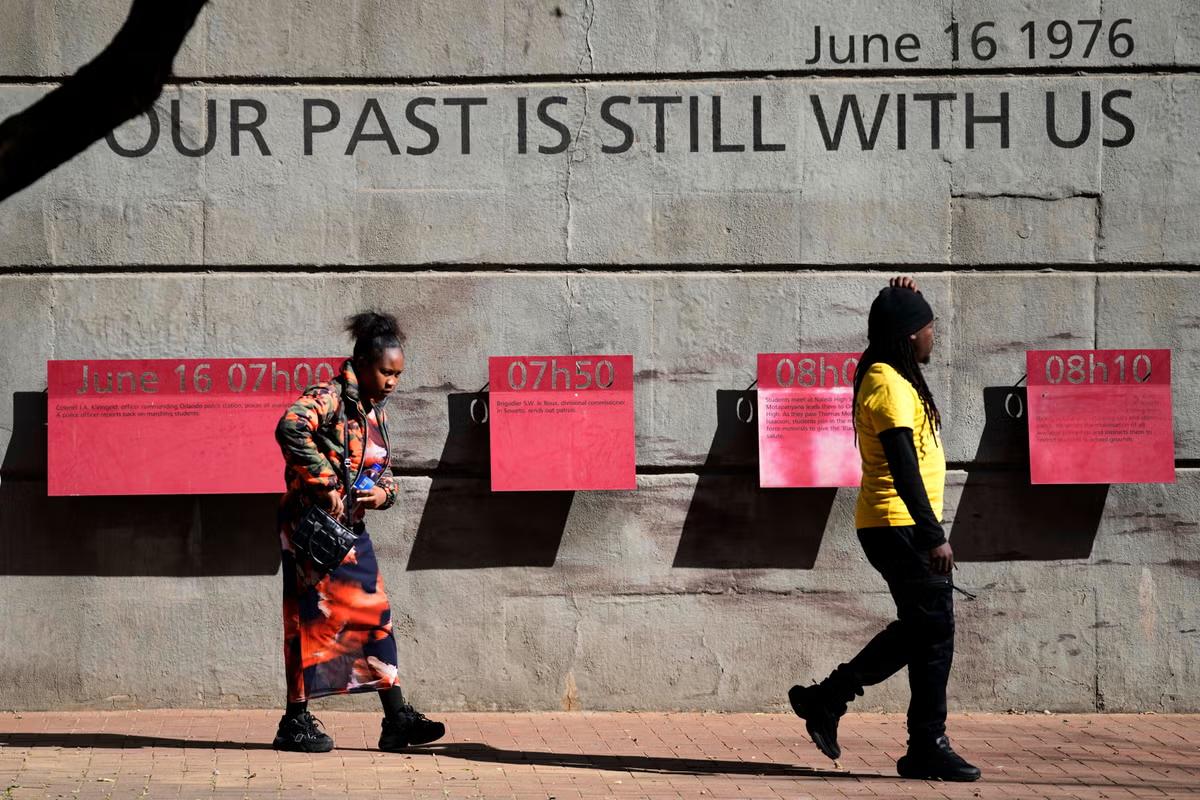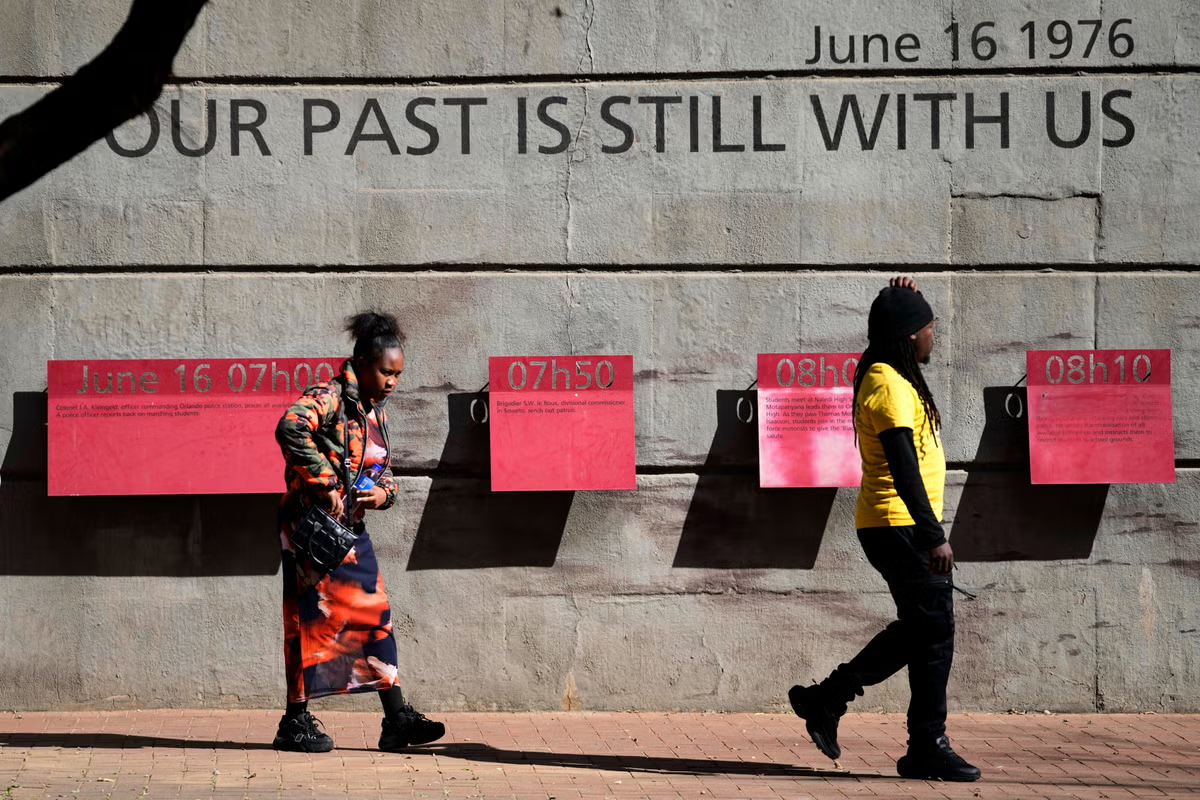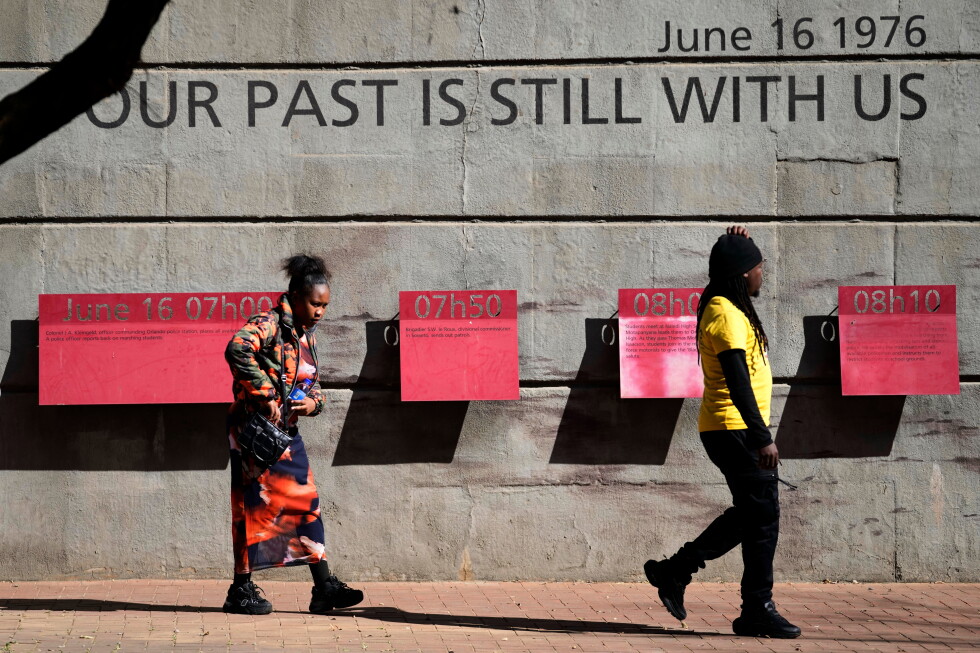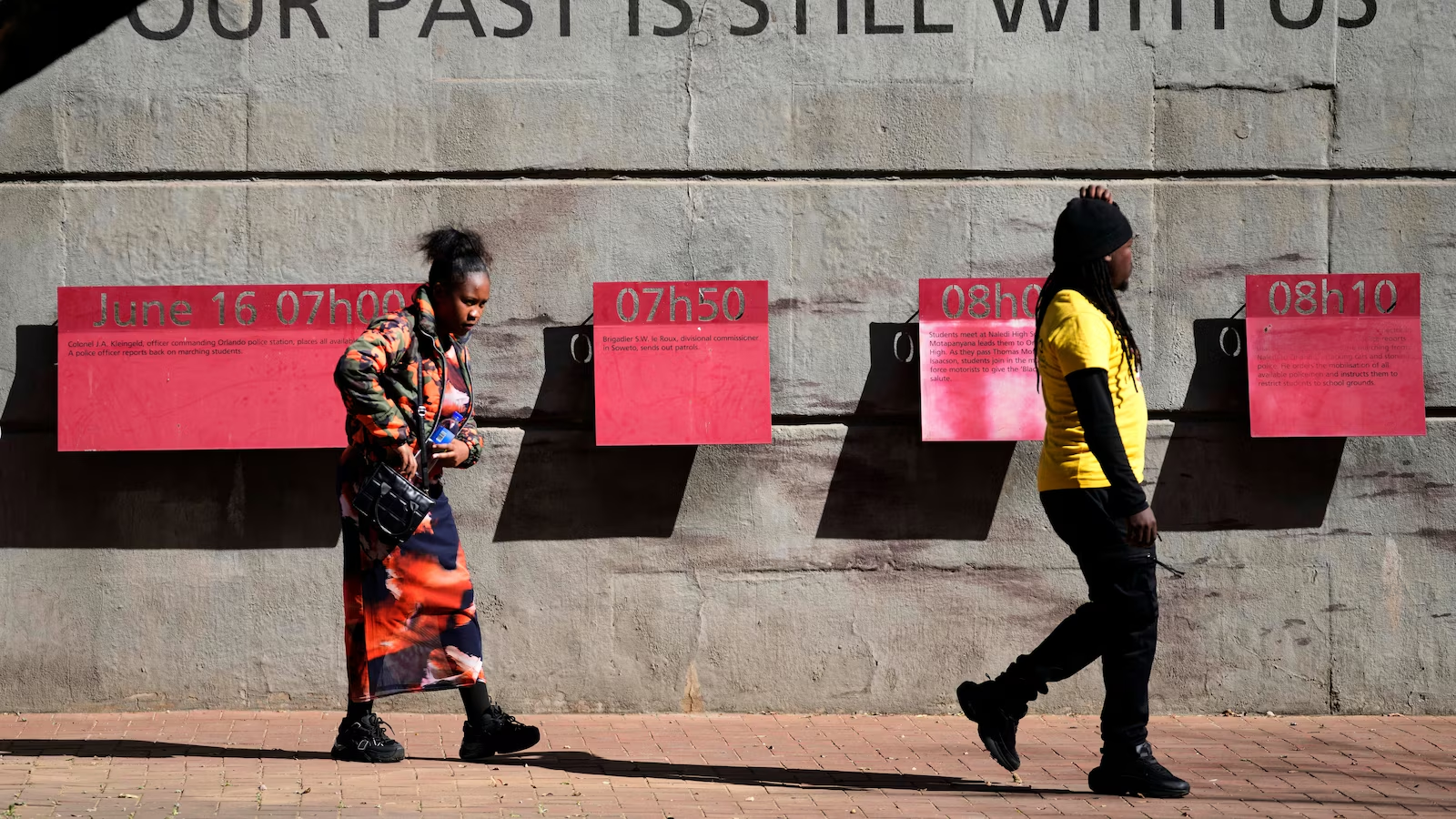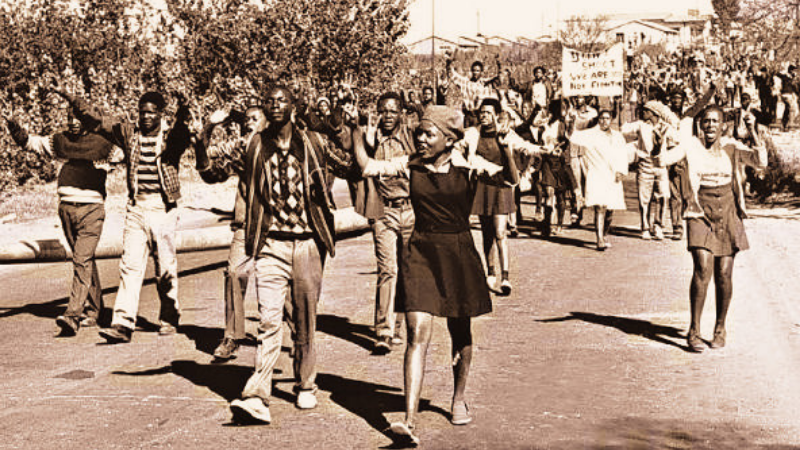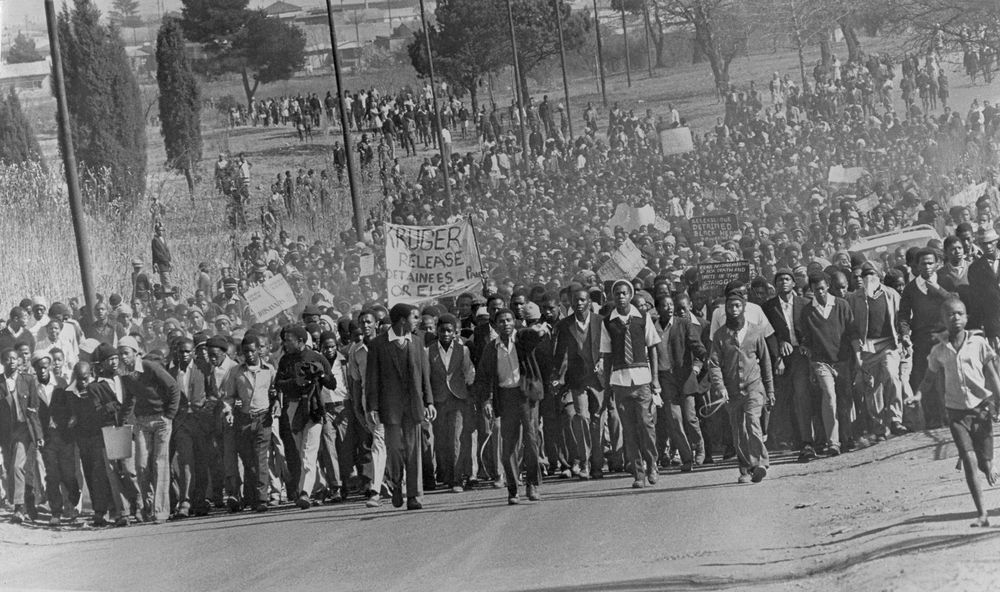
On June 16, 1976, thousands of students in Soweto took to the streets to demonstrate against Bantu Education and the imposition of Afrikaans in their schools.
OVER time, June 16, 1976, has come to be celebrated primarily as a moment of resistance against the forced imposition of Afrikaans in schools in Soweto. That injustice was undoubtedly one catalyst for the uprising. Yet to reduce this watershed moment to a single cause is to miss its deeper meaning, its true contributions to the liberation struggle, and its lasting relevance for our own time. No event of historical importance can be understood apart from its wider context.
In this brief reflection, I merely point to several key and yet neglected dimensions of the uprising: its internationalism; its engagement with the national question; its reinforcement of worker struggles; its embrace of collective leadership and rejection of personality cults; its non sectarian character; and its emphasis on praxis.
Other liberation struggles deeply influenced the Black Consciousness organisations and the youth of 1976. They drew inspiration from the independence struggles in Zimbabwe, Namibia, Angola and Mozambique, as well as from popular resistance against US imperialism in South America and Asia.