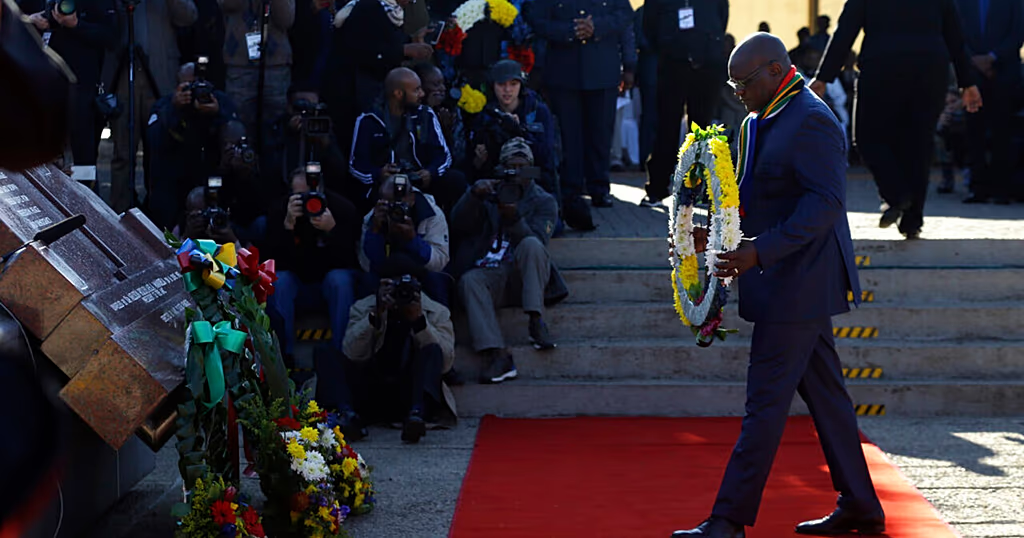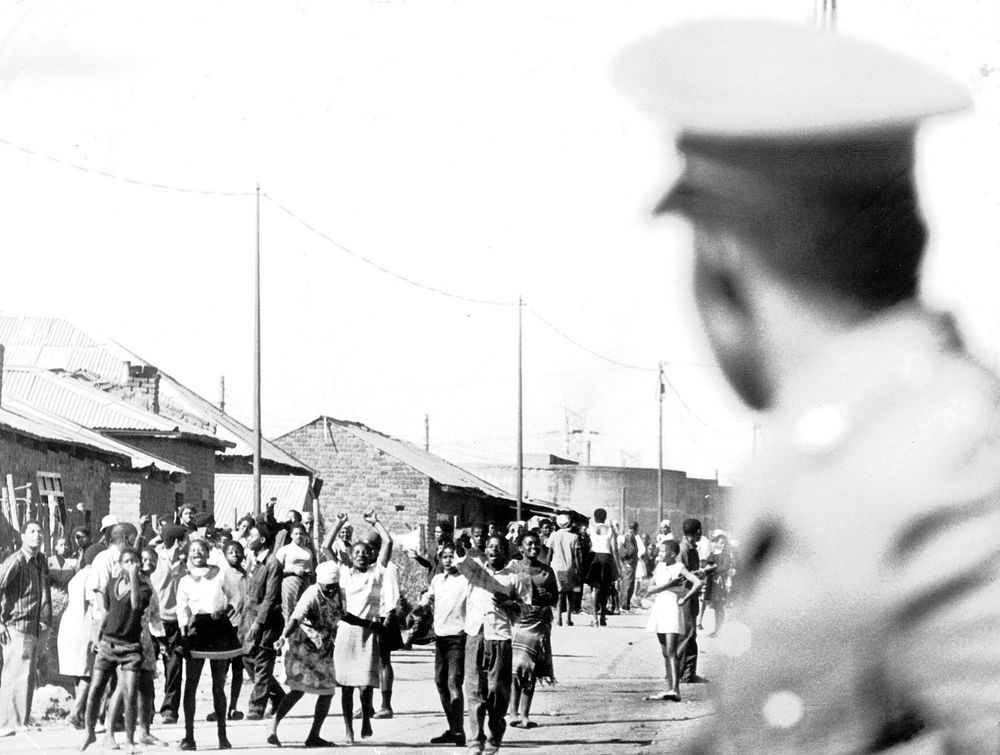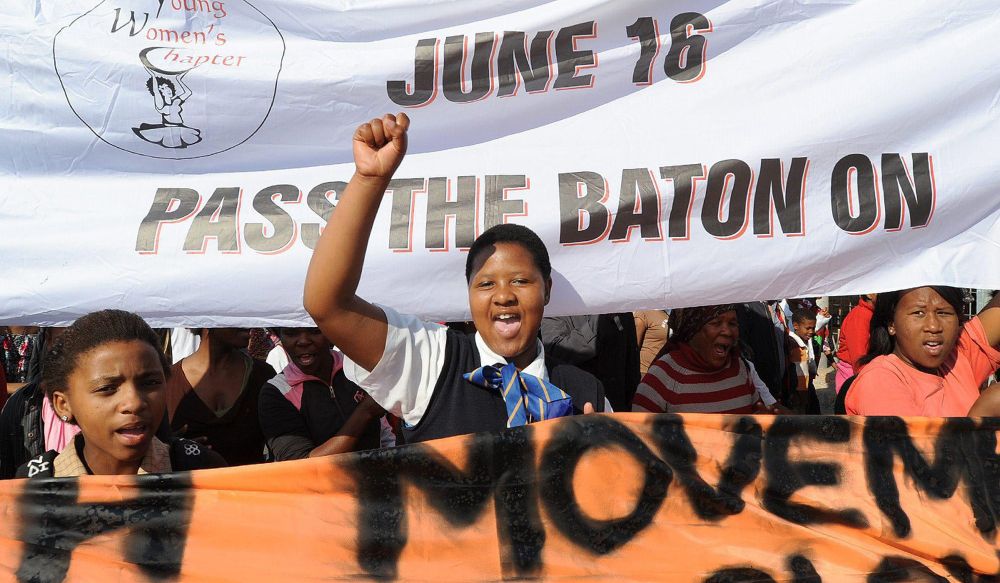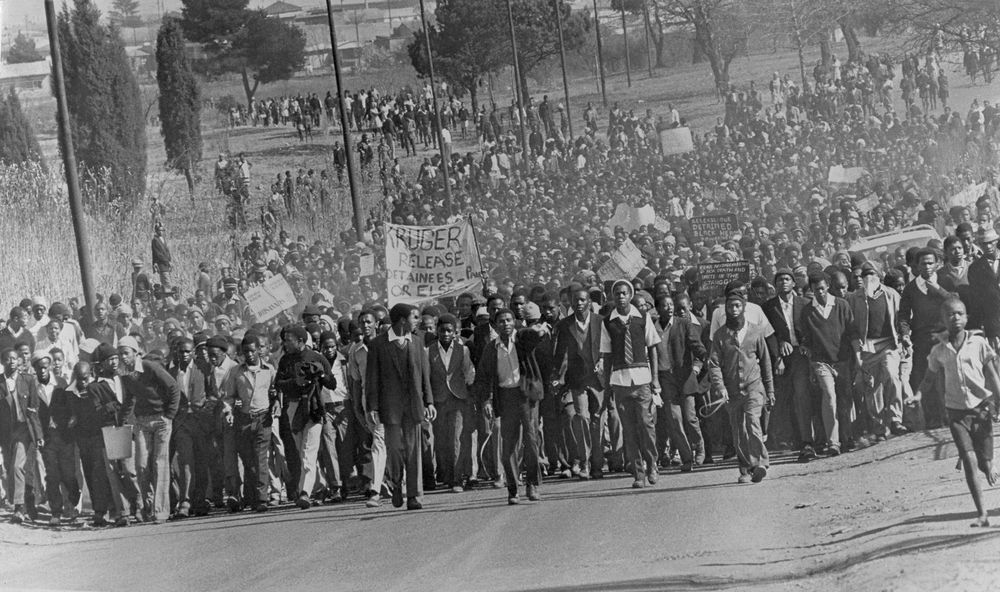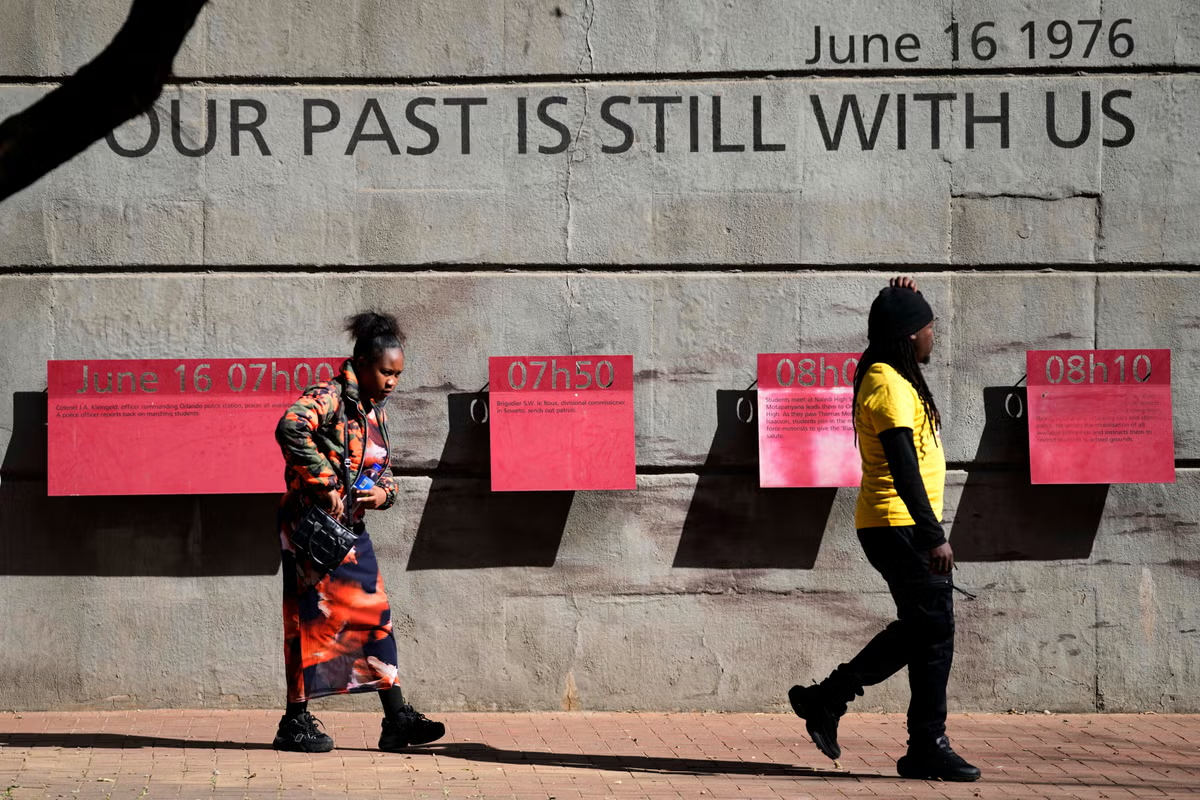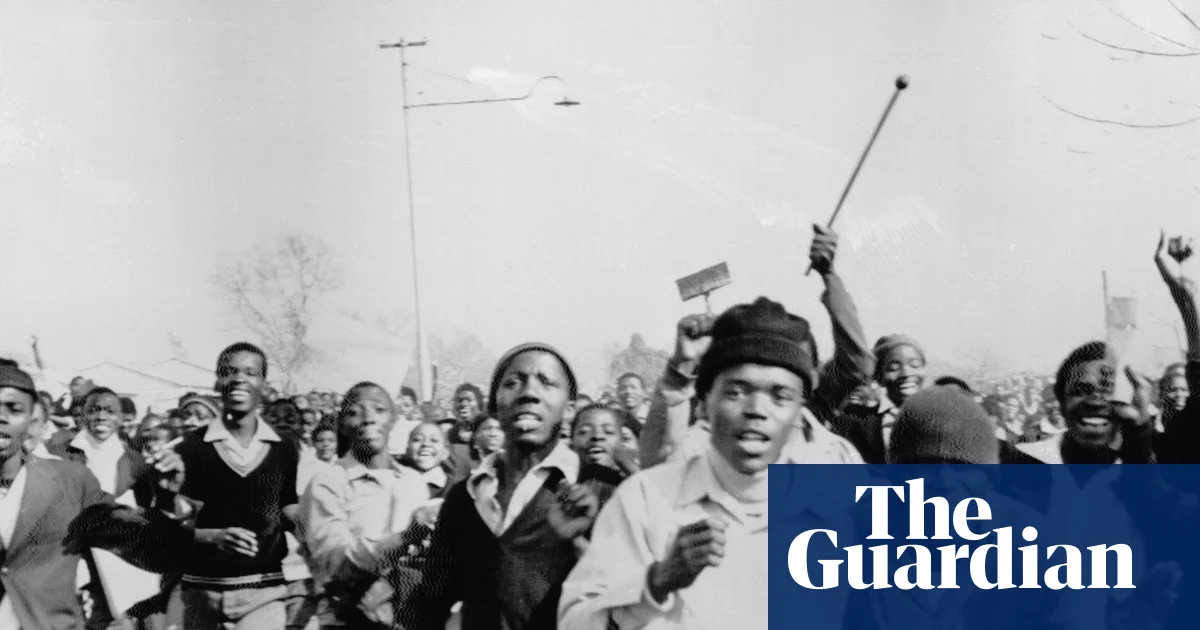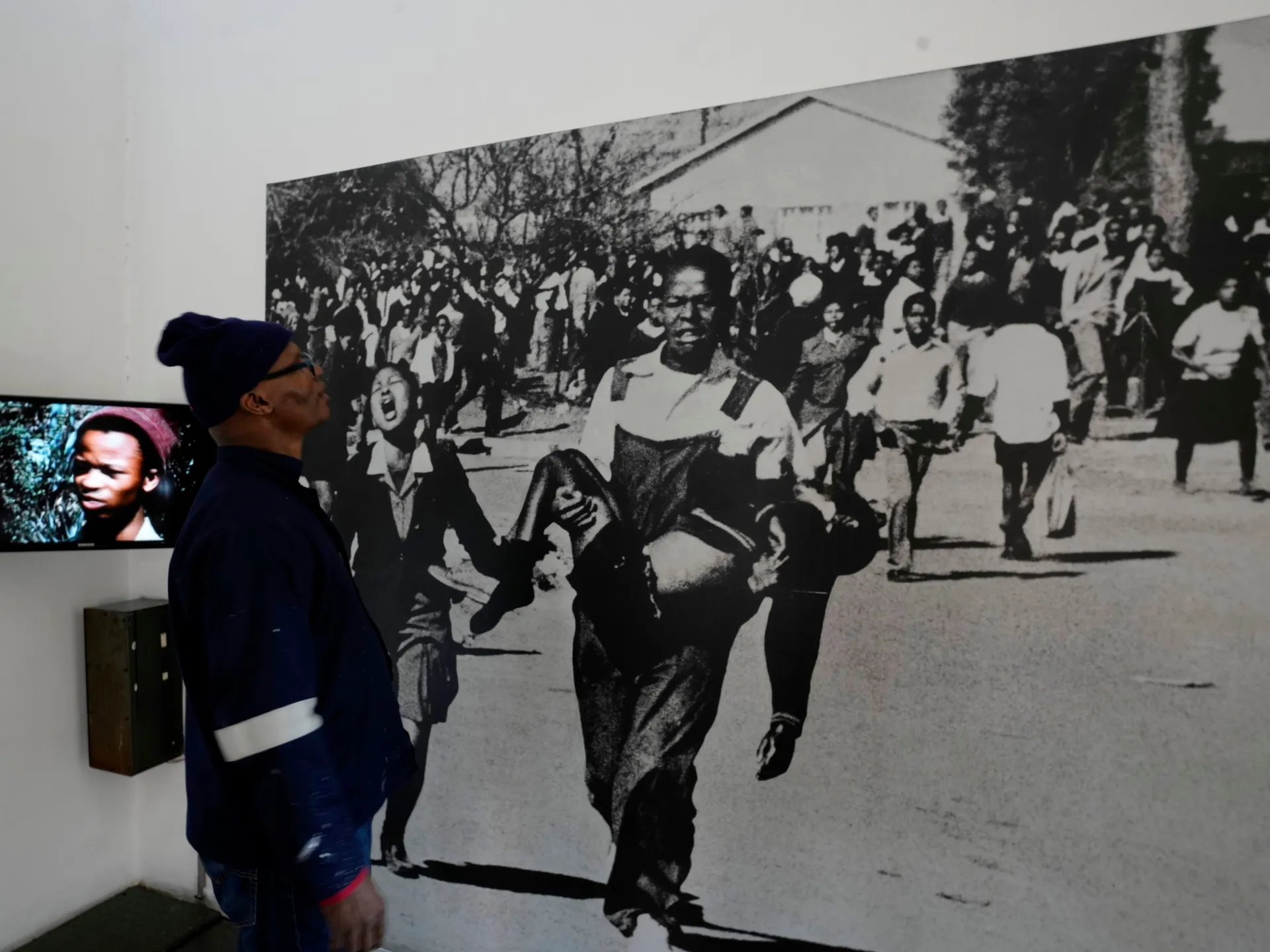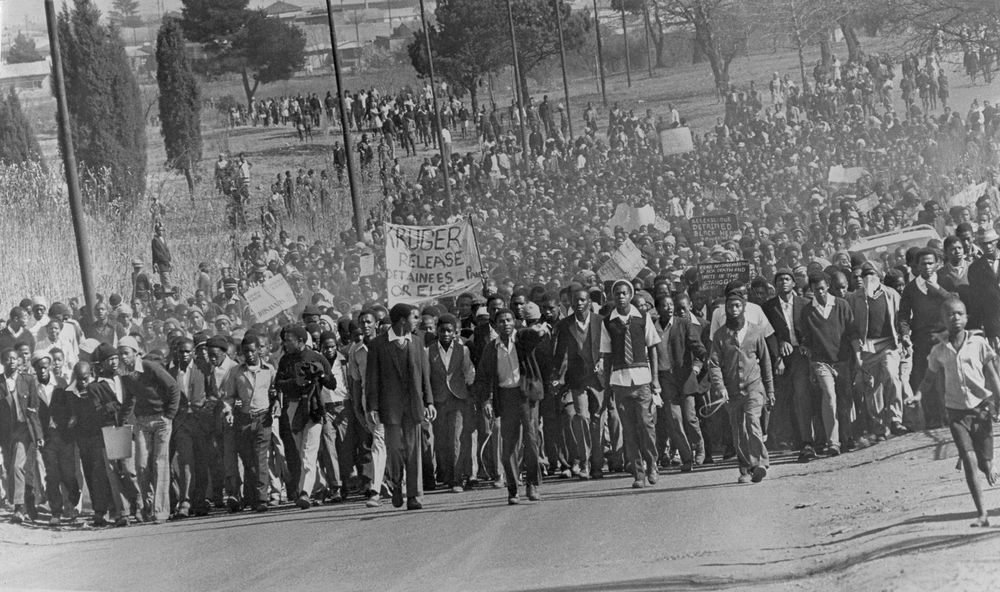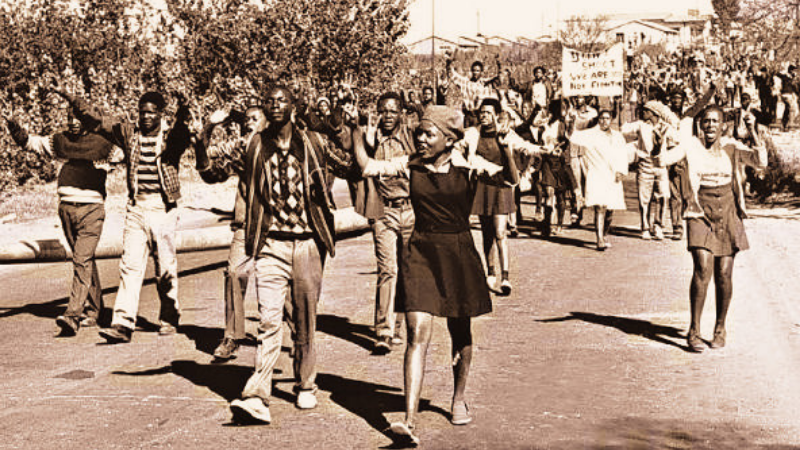
(On June 16, 1976, the youth of Soweto, Johannesburg’s massive Black township, rose up to protest a new rule making Afrikaans the language of instruction in their schools—a language that most did not know well. They were led by Tsietsi Mashinini, a charismatic high schooler. The nationwide eruption that Tsietsi set in motion on that day would change South Africa, and his family, forever. Indeed, many of Tsietsi’s 12 siblings, and even his parents, Nomkhitha and Joseph, got swept up in the ensuing political violence in which hundreds of protesters died and thousands more were injured. Today marks the 50th anniversary of the uprising.) Article continues after advertisement
In Soweto, the police started the raids on the Mashininis’ home that night, ostensibly looking for Tsietsi. The first raid was terrifying. The police came at about two o’clock in the morning, blocking off the surrounding streets with their “hippos,” armoured personnel carriers. Nomkhitha and Joseph awoke to a deafening pounding on the door; torches shone in every window, illuminating
the policemen with their guns drawn. They screamed in Afrikaans to open the door. Joseph let them in and about a dozen security men, Black and white, rampaged through the house, shining their lights in the eyes of the sleep-dazed children, pawing through wardrobes, peering under beds and behind the stove, tearing apart furnishings in their search. A white officer demanded to see Tsietsi.