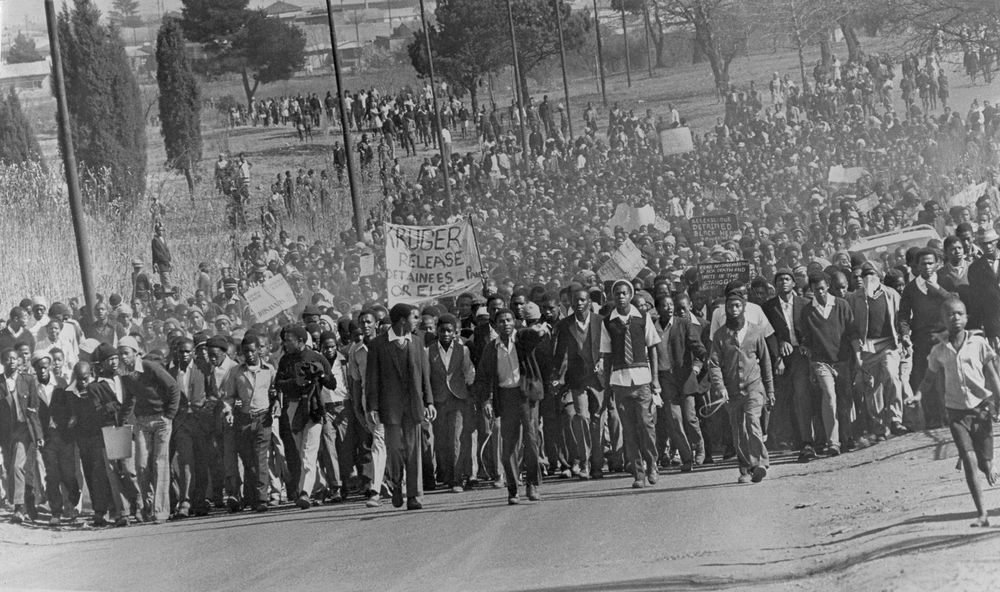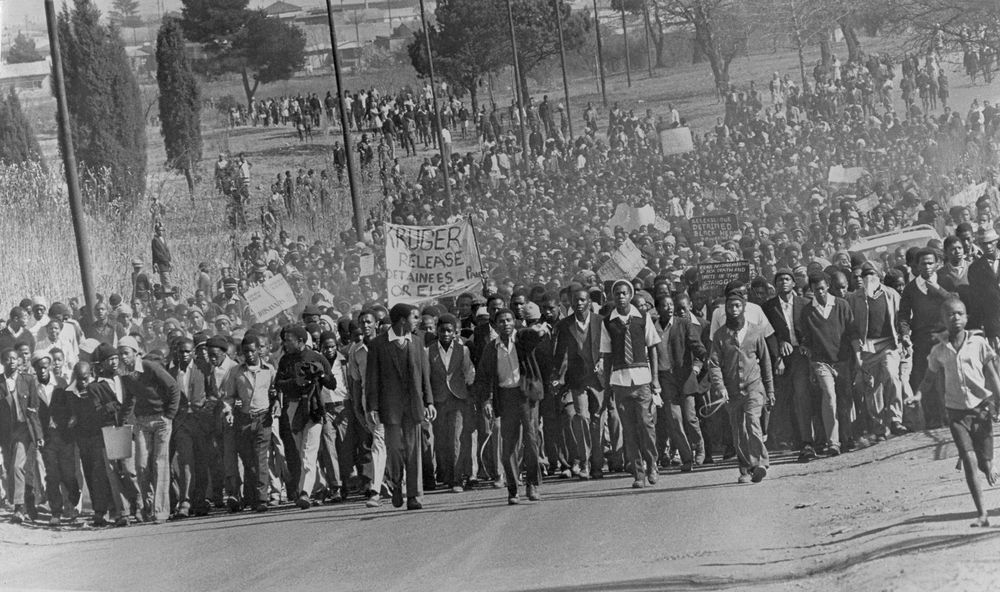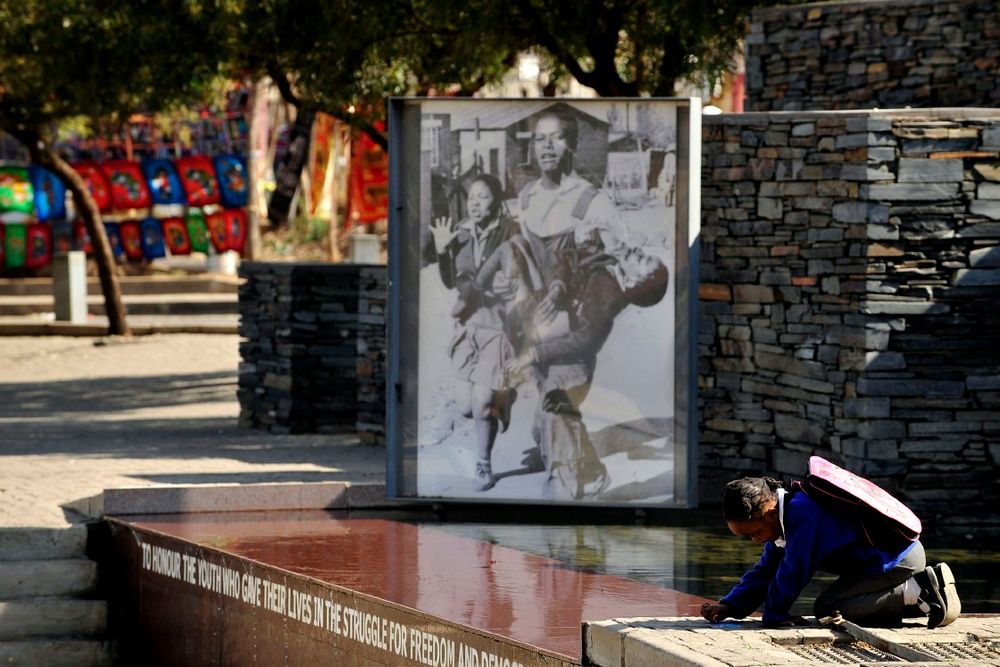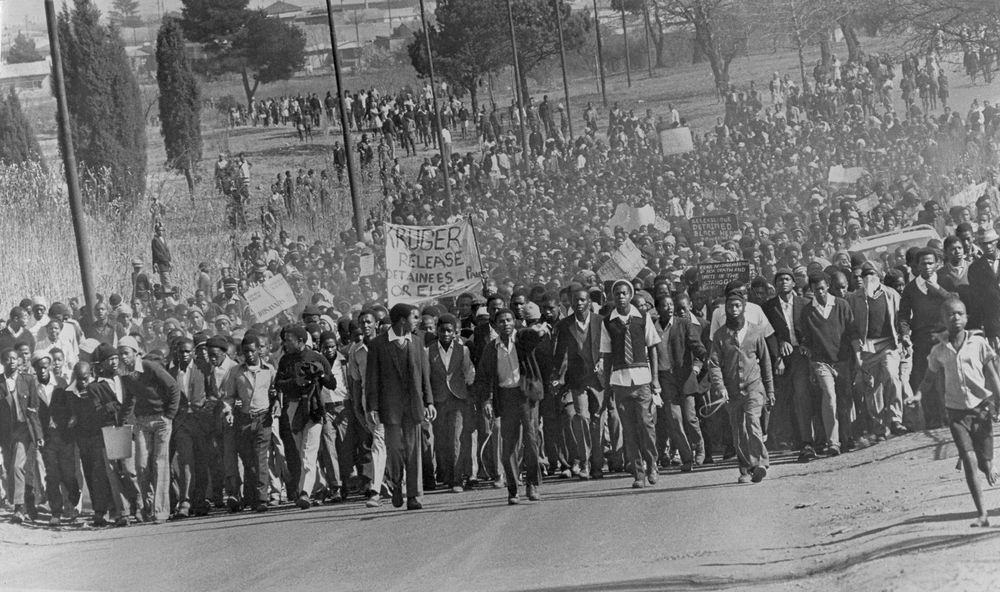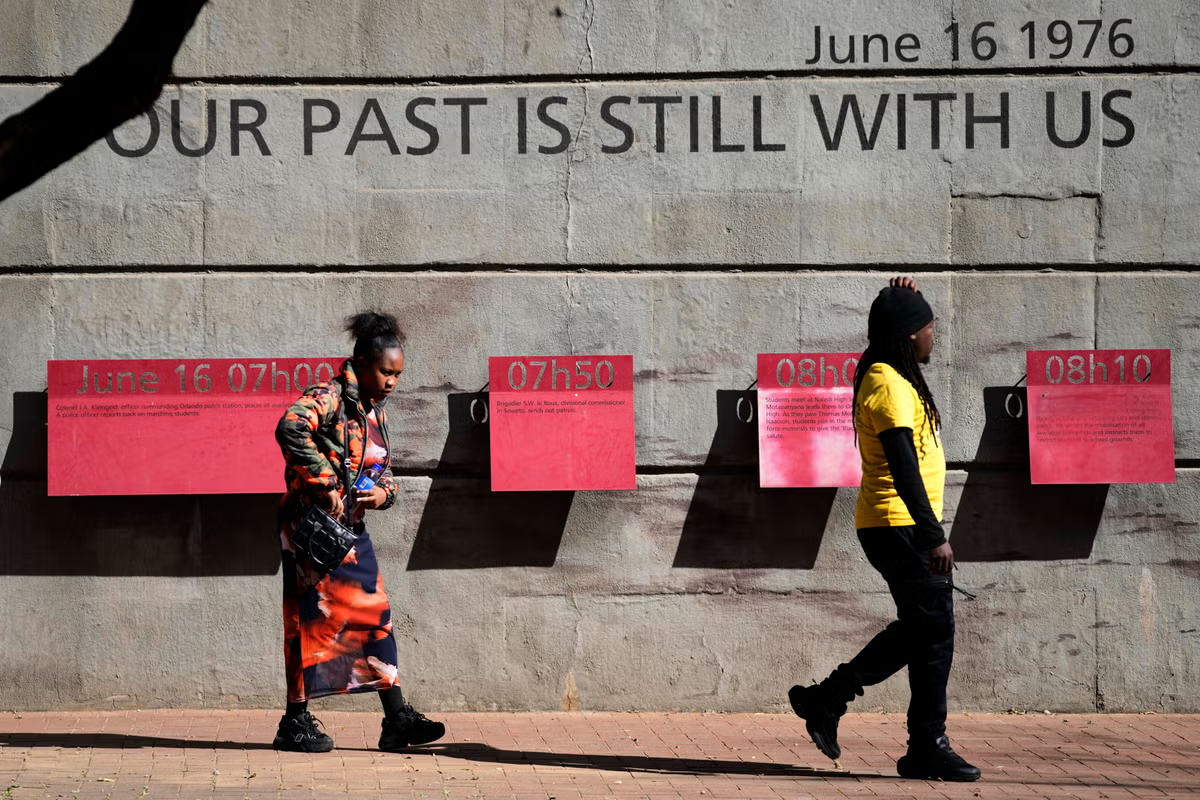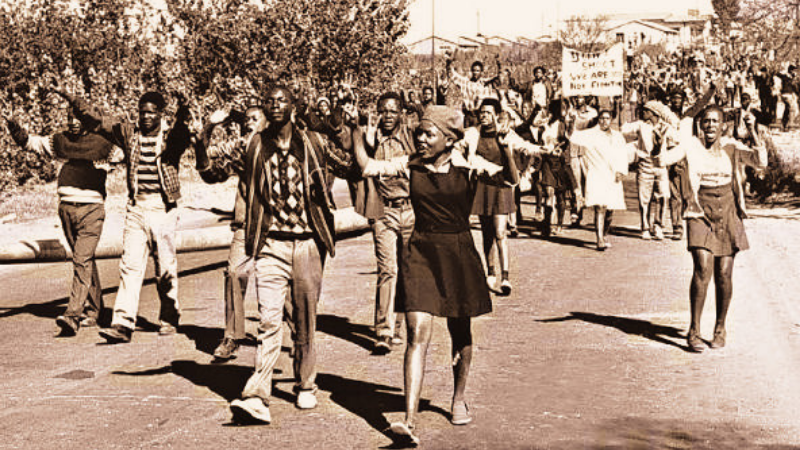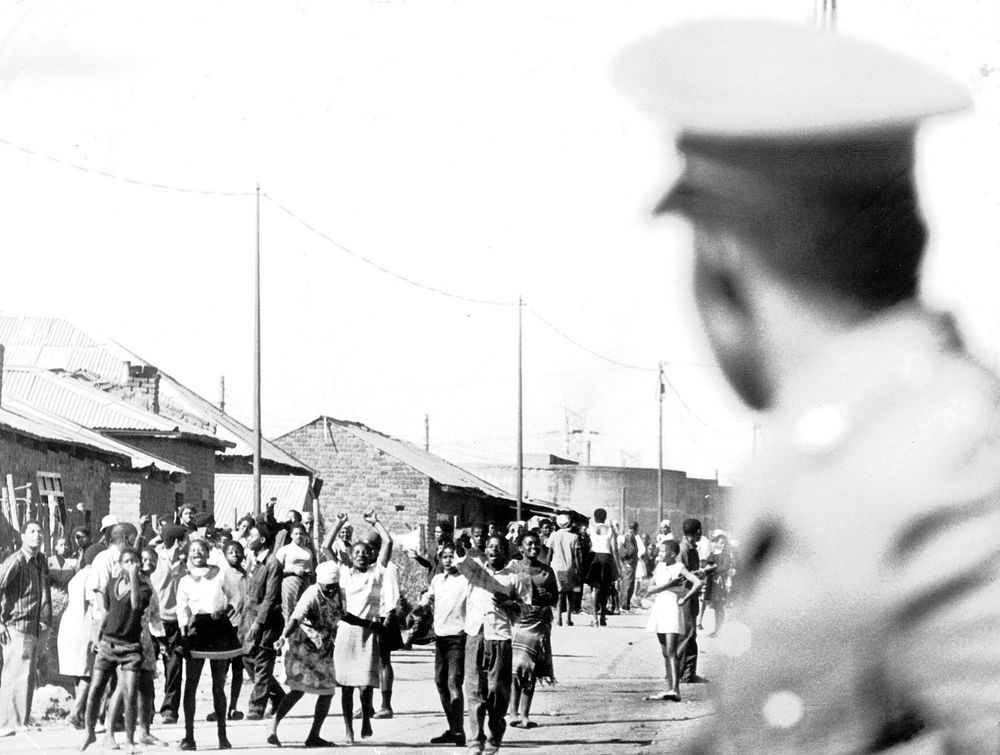
On June 16, 1976 students in Soweto took the streets to protest against Bantu education and the introduction of Afrikaans as the medium of instruction in their schools. June 16 is seen as a day when the youth of 1976 stood courageously against apartheid. Their bravery pushed South Africa's journey towards democracy, and their legacy continues to inspire generations, says the writer.
THE 1976 Soweto uprising was the beginning of the end of white minority rule in South Africa. Fourteen years later, talks began between the apartheid government and the liberation movements, and resulted in a negotiated settlement that saw the first democratic elections in South Africa in 1994.
Apartheid fused racism, capitalism, patriarchy and geographical separation, so that life and opportunities were determined by one’s "race", class and gender and where one lived. Before 1976, apartheid was a time of political calm, economic boom, prosperity and rising living standards for whites.
Whites monopolised land ownership, and white mining, manufacturing and agricultural corporations, foreign multinationals and state enterprises controlled the economy, which was based on cheap black labour. Laws and practices ensured white privilege and black subordination through racially segregated, unequal and discriminatory opportunities, education, housing, health care, welfare services and the like.