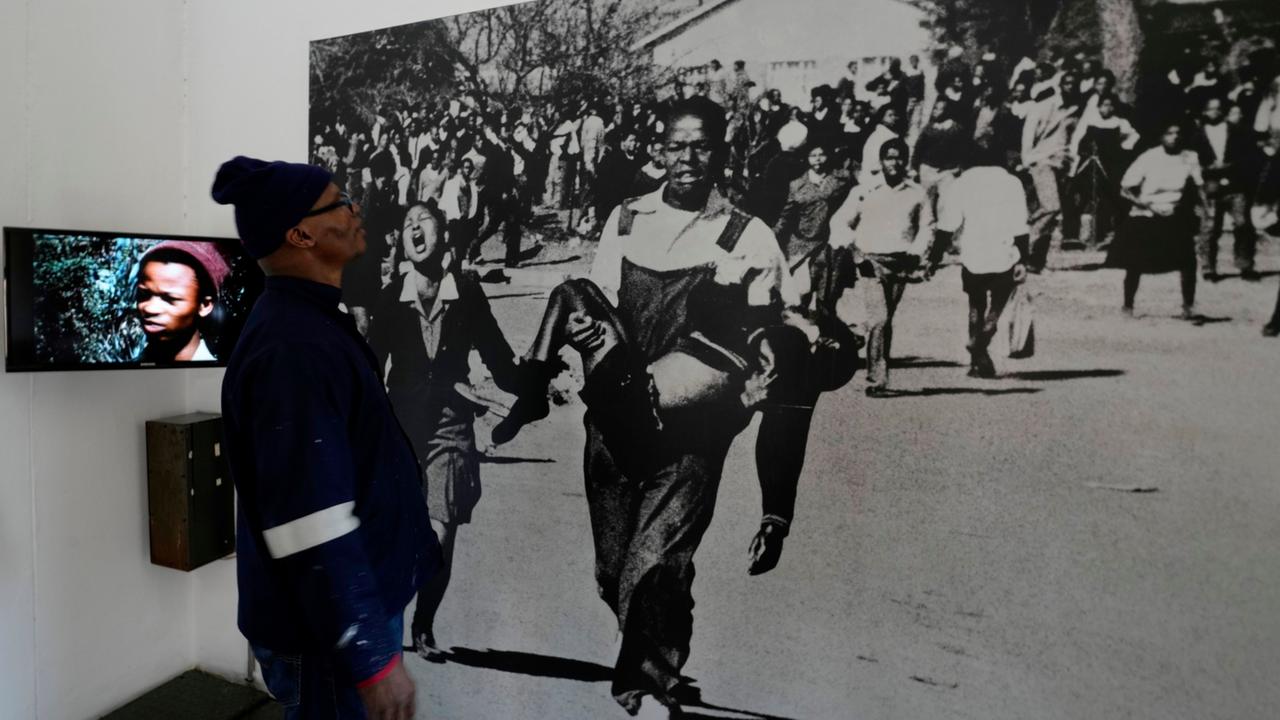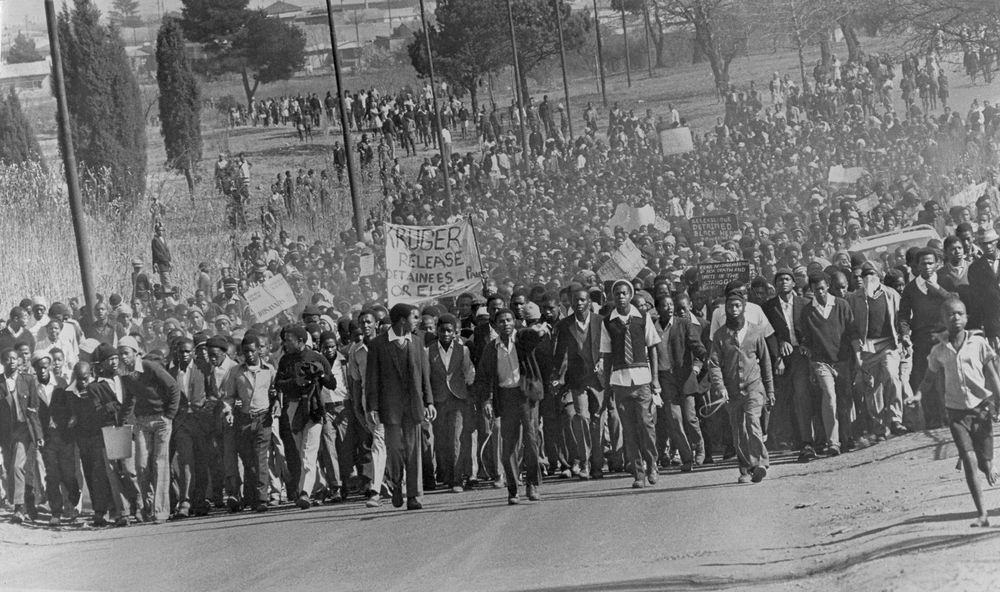
On June 16, 1976, thousands of pupils in Soweto took to the streets to demonstrate against Bantu education and the imposition of Afrikaans in their schools.
From Soweto 1976 to the Unfinished Journey for South Africa’s Youth in 2026
ON JUNE 16, 1976, the dusty streets of Soweto became the stage for one of the most defining moments in South Africa’s history. Thousands of schoolchildren, armed with nothing more than placards and courage, marched against the imposition of Afrikaans as the language of instruction. By the end of the day, 23 young pupils had lost their lives at the hands of the apartheid police and the world had witnessed the brutality of the apartheid state. Their defiance ignited a fire that would eventually lead to the destruction of the apartheid system, and change the course of South African history.
On June 16 this year, South Africa commemorated the 50th anniversary of that fateful day. Youth Day was commemorated with speeches by ageing politicians, vanity concerts, and social media hashtags. Yet beneath the annual rituals lies a question that deserves serious reflection: what does the legacy of Soweto 1976 mean to the youth of 2026?
The answer is neither simple nor comfortable.