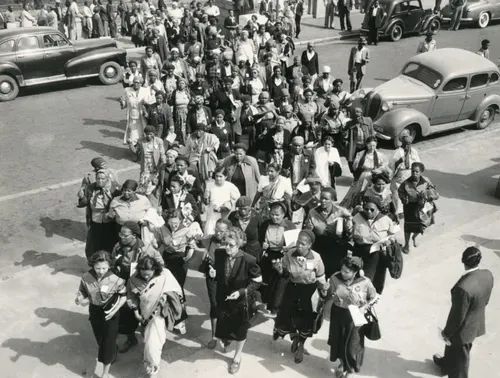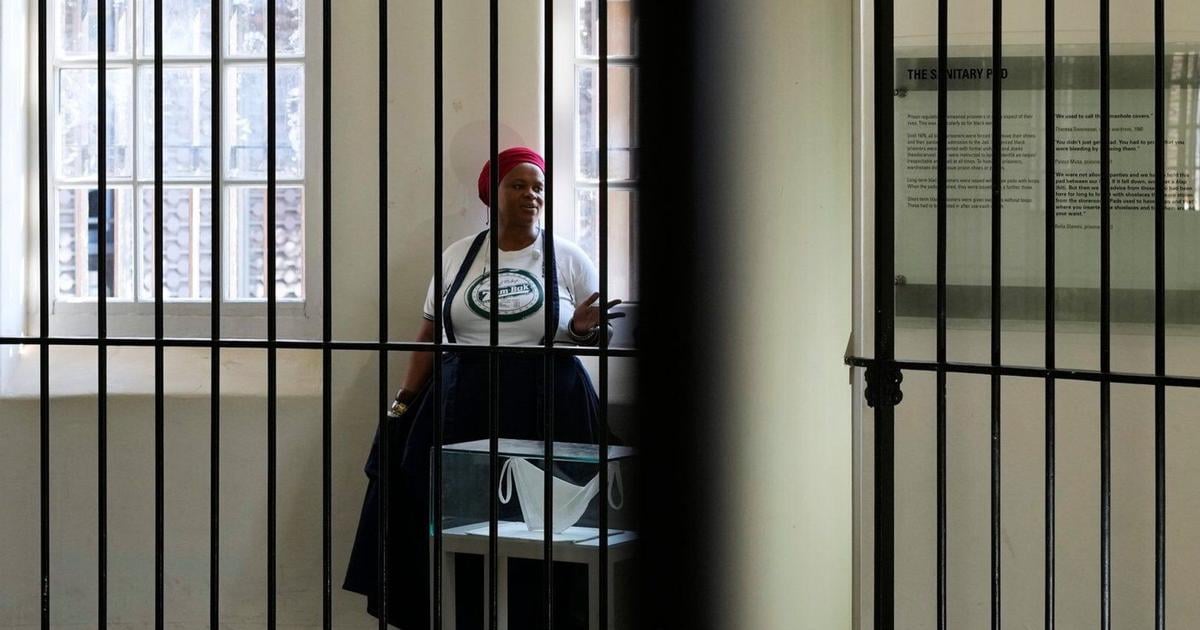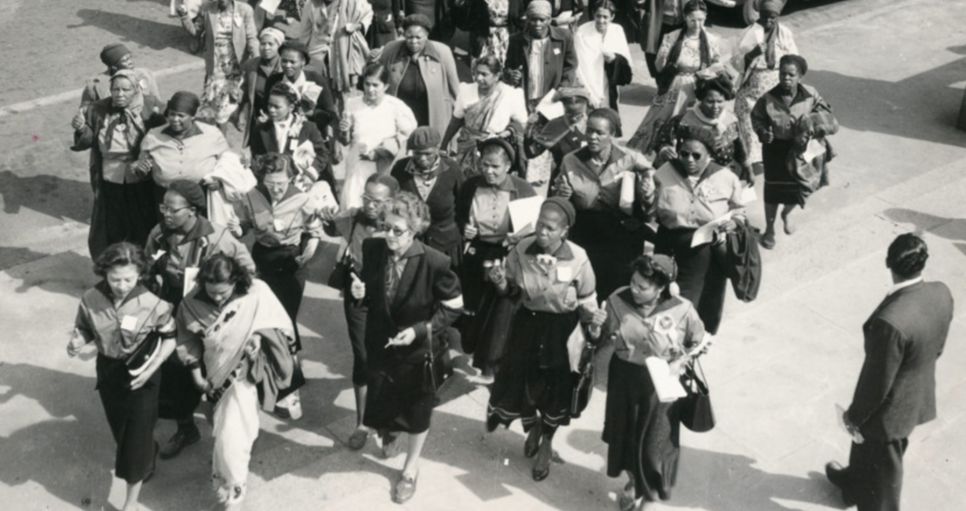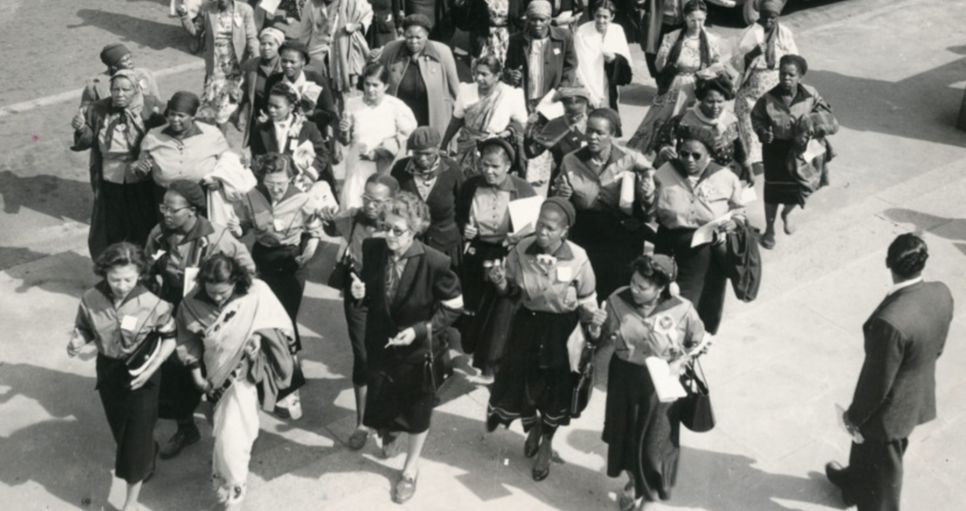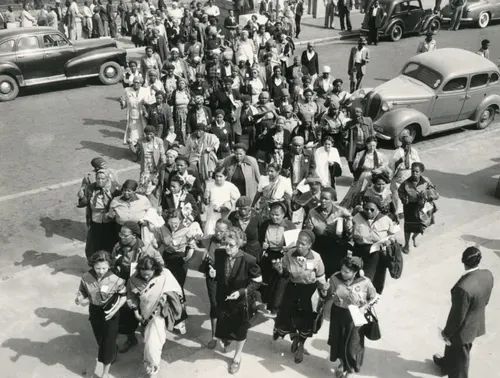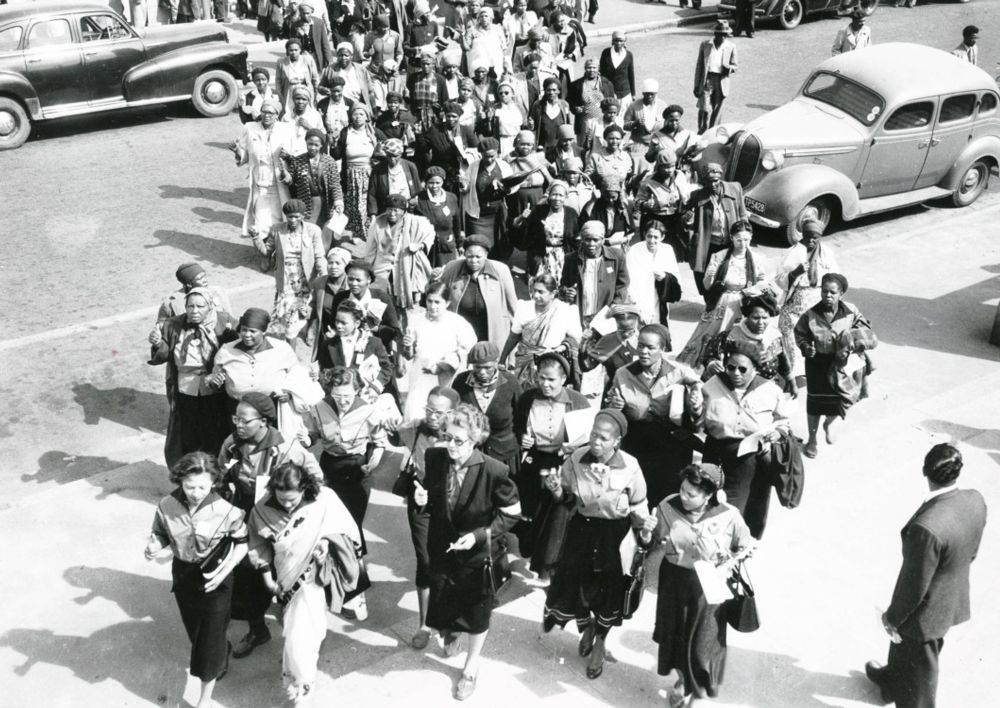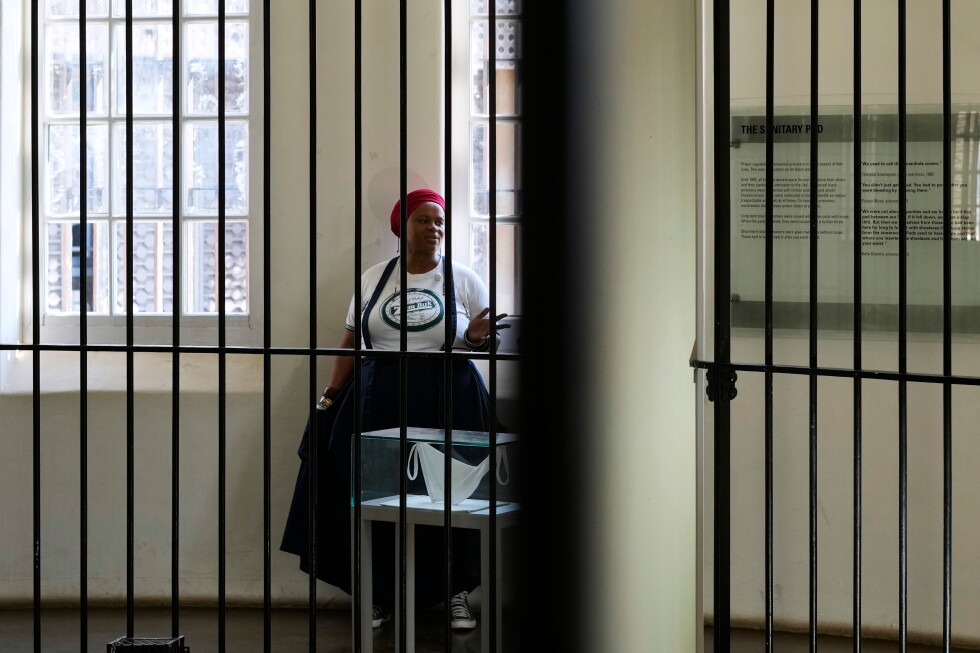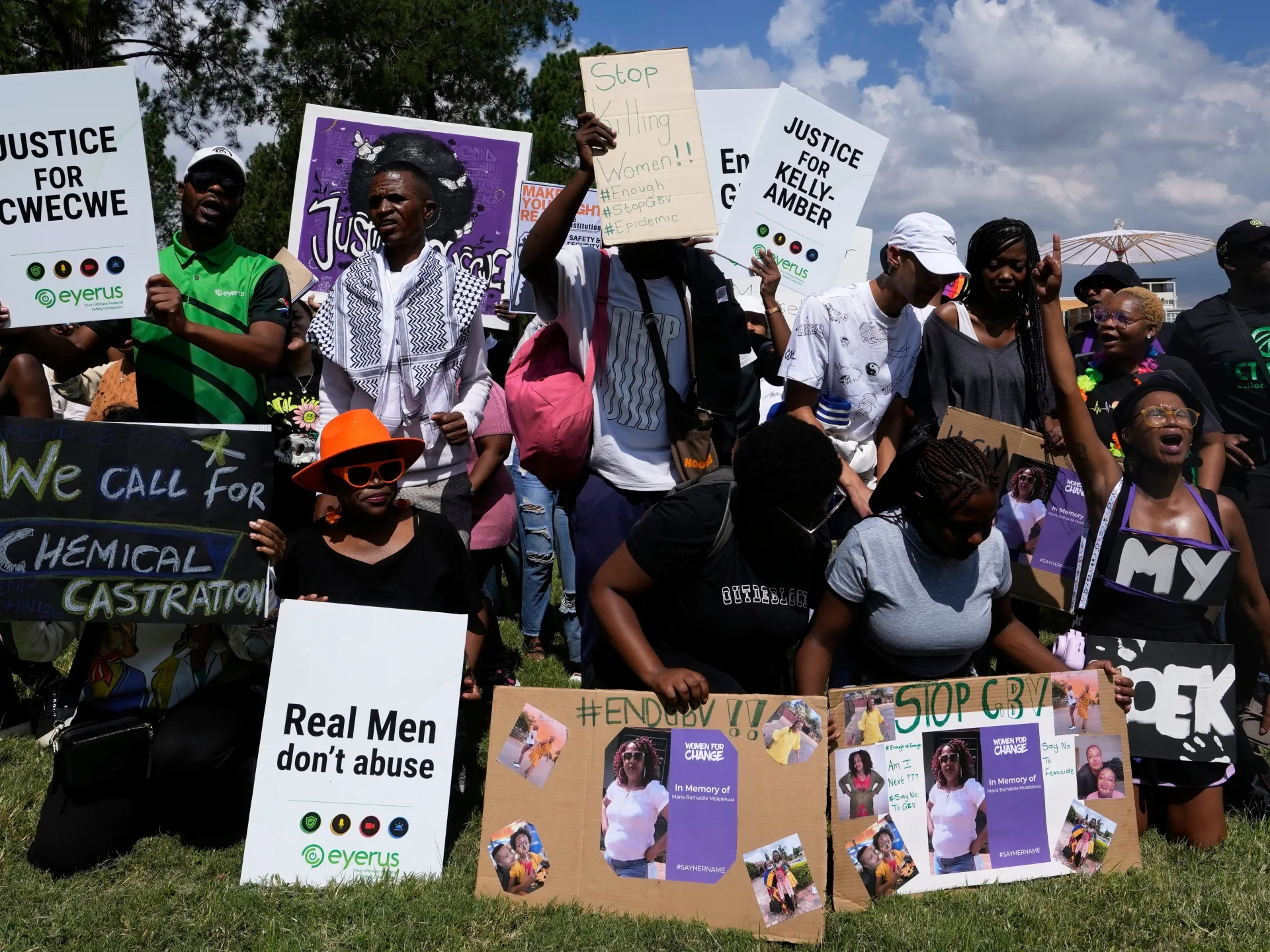
One of my favourite protest songs rings out every year on August 9, which is Women’s Day in South Africa. The song works as a call and response: one set of voices cries out, “You have struck a woman,” while another set responds, “so, you have struck a rock!”The chant dates back to the historic protest that gave South Africa’s Women’s Day its date and meaning. In 1956, 20,000 women marched on the Union Buildings in Pretoria in opposition to “pass laws” that the apartheid regime was seeking to extend to African women. African men were already subject to the indignity of carrying passes, and with this latest move, thousands of domestic workers across the country immediately understood that they too would be subjected to random stops and searches by police. What little freedom of mobility they enjoyed would be snatched away.Led by the multiracial Federation of South African Women (FEDSAW) and the Women’s League of the African National Congress (ANC), a group of politically engaged women organised a petition and a march to oppose the incoming laws.After months of hard work, thousands of women, most of them Black, woke up at the crack of dawn and began to make their way to the Union Buildings, the seat of power of the Afrikaner government. By nine that morning, they had gathered in front of the office of the Minister for Native Affairs.It was no accident that the rally took place on a Thursday, which was also known as “Sheila’s Day.” In the 1950s and 1960s, Sheila was a generic name used to describe Black women who were domestic workers; a casual way for white women employers to refer to the African women who worked in their homes without having to remember their actual individual names. Most madams gave their staff Thursdays off and so it came to be known as Sheila’s Day.As a delegation handed over a petition, the women broke out in song, pointedly addressing then Prime Minister JG Strijdom and insisting, “Strijdom, you have struck the women, so you have struck a rock!”I was a young feminist in the 1990s and I remember singing that song countless times at rallies, protesting gender-based violence and calling for treatment for pregnant women living with HIV and AIDS. I remember, too, the stories of older women who marched on August 9, who reminded younger activists that many of them had taken to the streets over the objections of their husbands and fellow male comrades. They explained that at the time they did not have the language to explain how race, class and gender intersected; they just knew how sexism felt in their bodies.By the time we were marching for a new set of rights, they had gifted us the language and analysis to describe how race, class and gender shaped women’s experiences. Their stories also showed us that sexism did not sit neatly outside the struggle against apartheid: women could stand alongside men in a liberation movement while still having to fight for equality with those same men. This was one of the most important legacies of the women’s march in 1956.The rally that day failed to stop the pass laws, but it had a far more significant impact on the South African political landscape, effectively launching the South African women’s movement. The momentum and defiance of that day gave women in subsequent generations a blueprint for activism and analysis.When apartheid ended in 1994, many of the women who had been at the forefront of the march in 1956 were still active in politics. The movement they had helped build was such a powerful force in the transition to democracy that almost a third of the incoming parliament comprised women, making South Africa one of only a handful of countries with such strong women’s representation in politics.Once they were in power, the daughters of 1956 pushed through numerous legal and policy changes on reproductive rights, customary law and marriage – and the rights of domestic workers.As a result of their efforts, South Africa has some of the most progressive laws and policies promoting gender equity and equality in the world. More than 30 years after the end of apartheid, women still constitute about 45 percent of parliamentarians and 44 percent of ministers.Yet these gains have not translated into safety. South Africa’s first national gender-based violence study found that 33.1 percent of women aged 18 and older had experienced physical violence in their lifetime, while one in five men surveyed admitted to perpetrating physical or sexual intimate partner violence. The persistence of such violence exposes the limits of formal equality: laws can change faster than the attitudes, relationships and behaviours that shape women’s lives.The same gap between formal rights and lived reality is evident in economic life. The disconnect between the rights enjoyed by women in positions of power who have helped shape South Africa’s laws and the lives of women in the poor communities to which they are accountable is stark.South African women living in poverty are besieged by high levels of unemployment, gender-based violence and poor access to health and education services, while middle-class women enjoy many of the privileges once reserved for whites only. This is because in the last 30 years the ANC-led government has done little to dismantle the underlying economic structures that upheld apartheid. Formal equality has not translated into material equality for millions of women.It is hard to find hope for women in South Africa’s statistics. Indeed, many women I know don’t celebrate Women’s Day – they are weary. Yet the women’s movement that the march helped galvanise 70 years ago still has much to teach us.The lesson we learn from the vibrant movement that was created that day is that gender equality cannot be driven by women’s demands alone. Real progress requires call and response. Women have been making the call for generations. It is time for men to respond.The views expressed in this article are the author’s own and do not necessarily reflect Al Jazeera’s editorial stance.
Women’s Day in South Africa turns 70 with equality still out of reach
The 1956 march transformed women’s rights and political power, but millions still cannot fully enjoy those gains.
1,004 words~5 min read