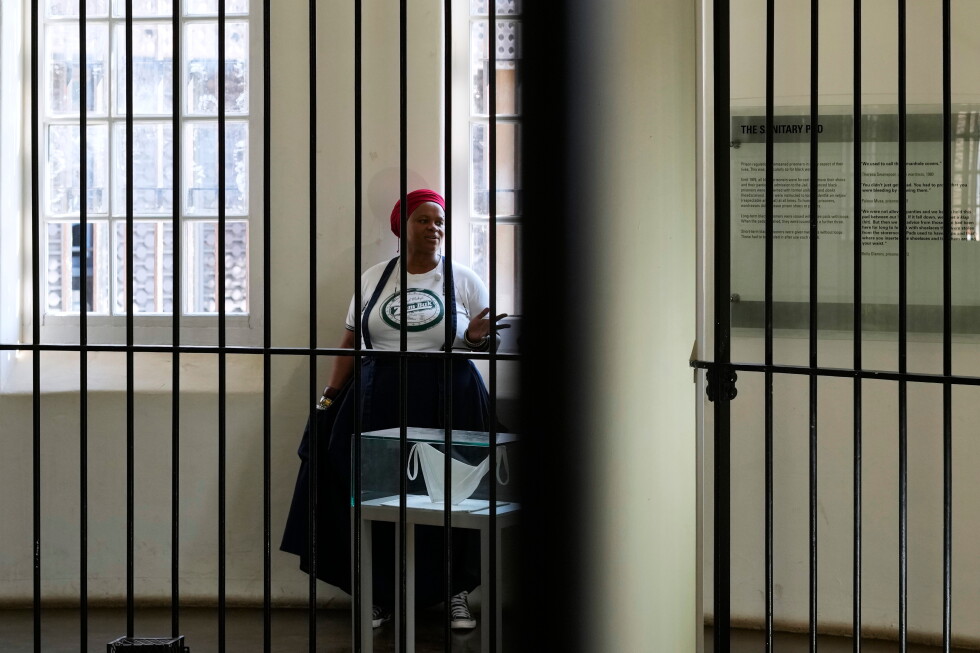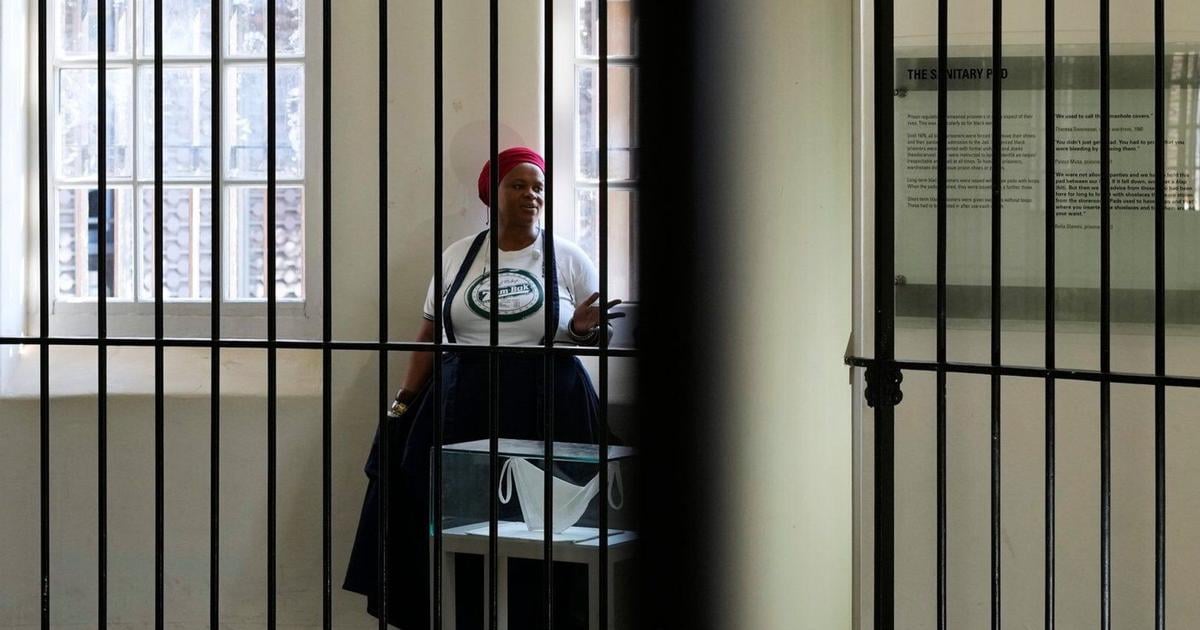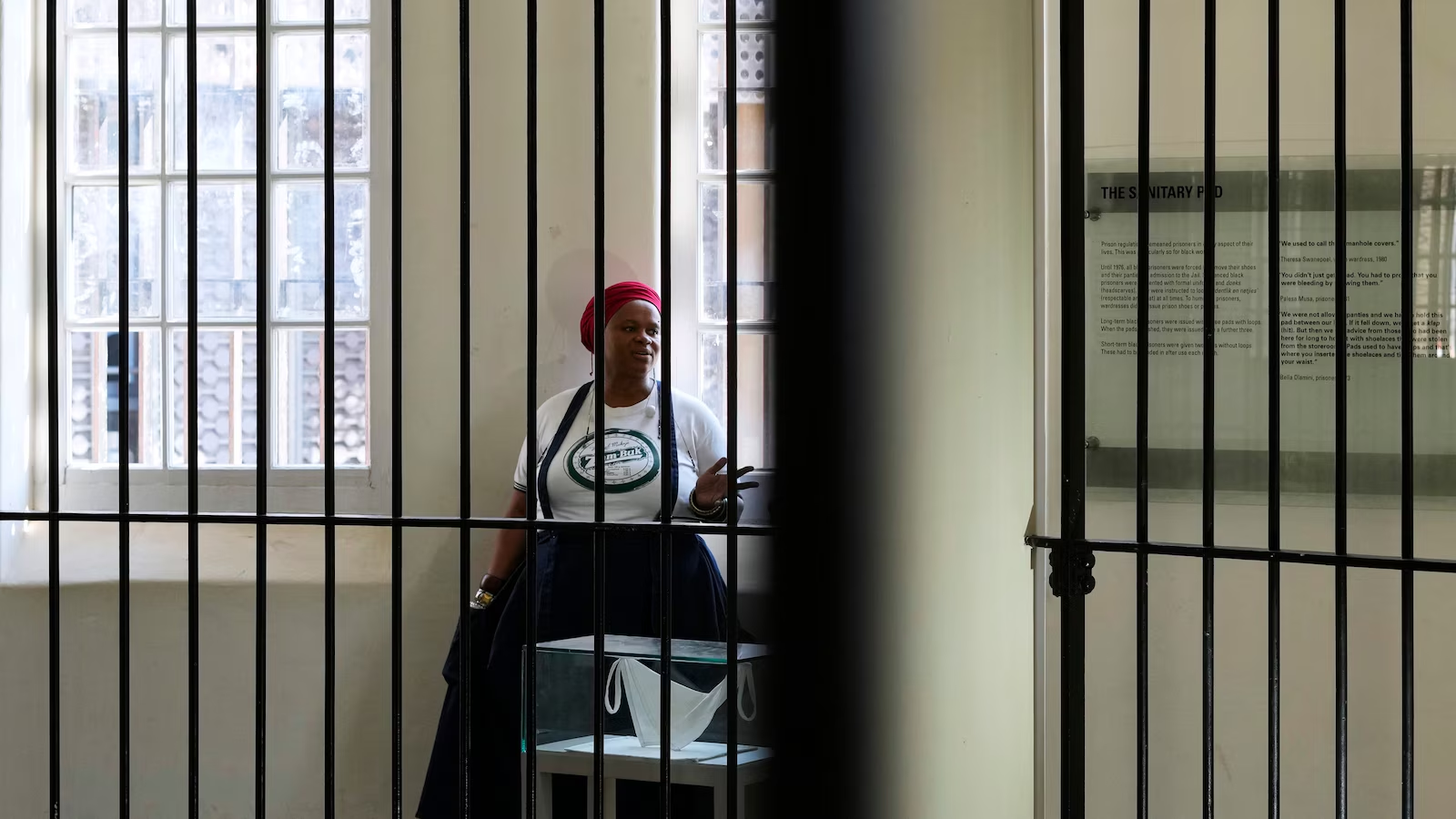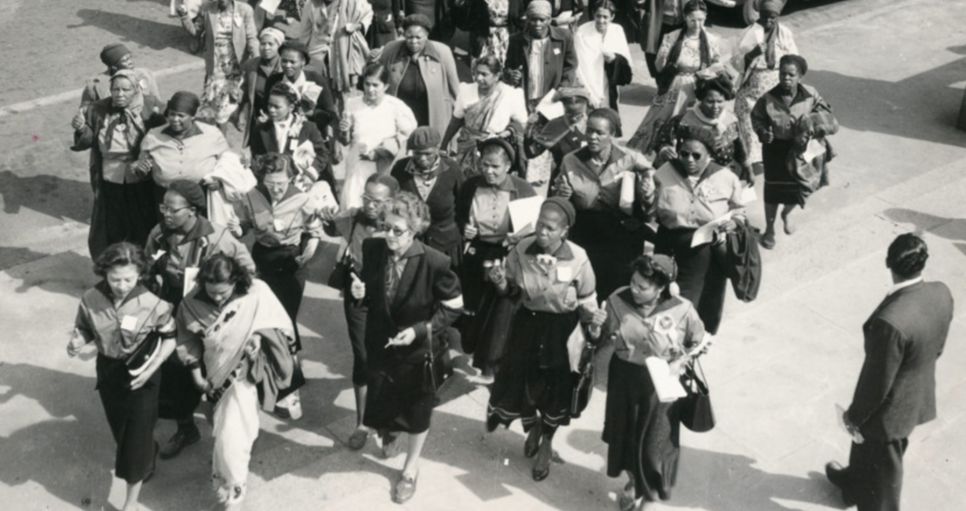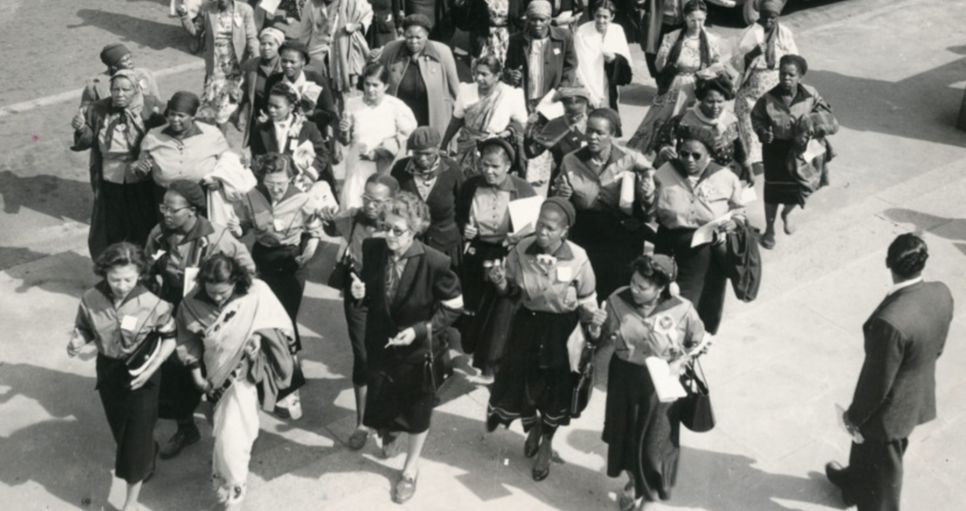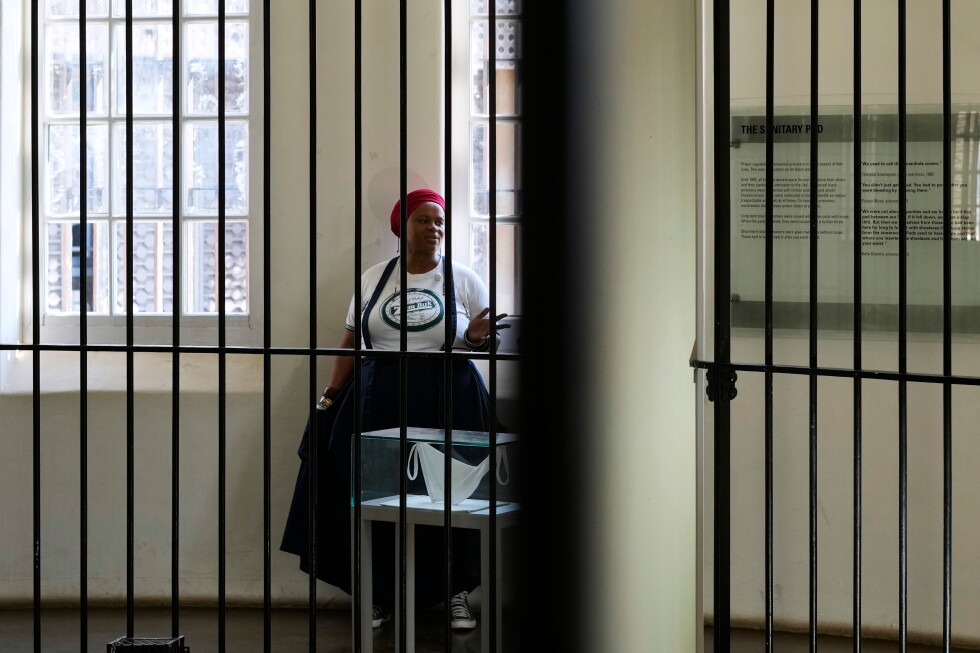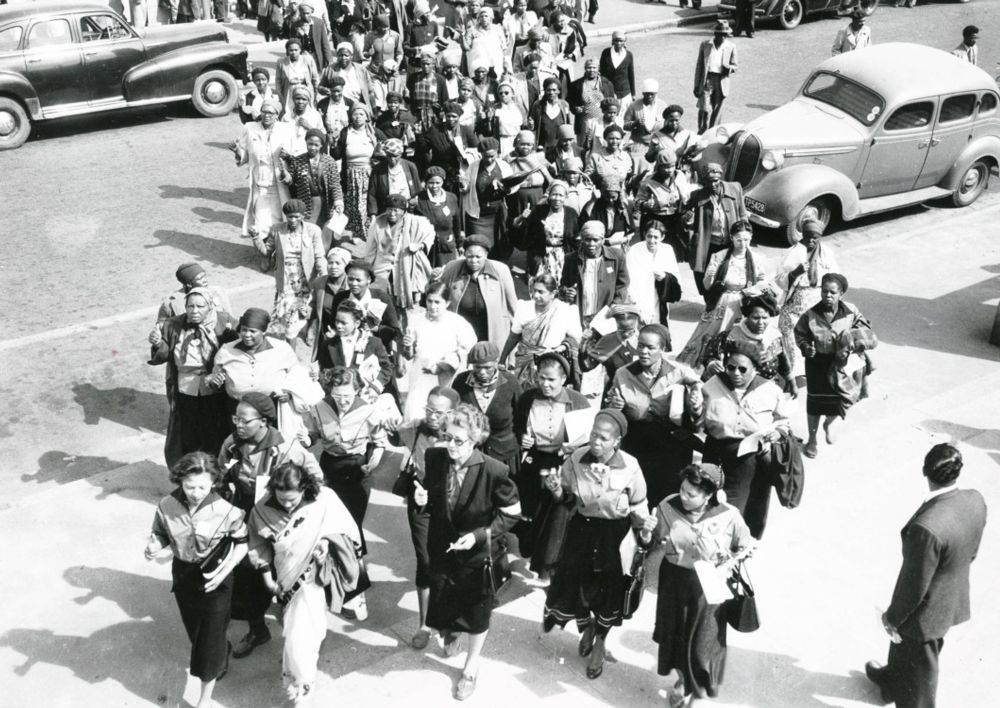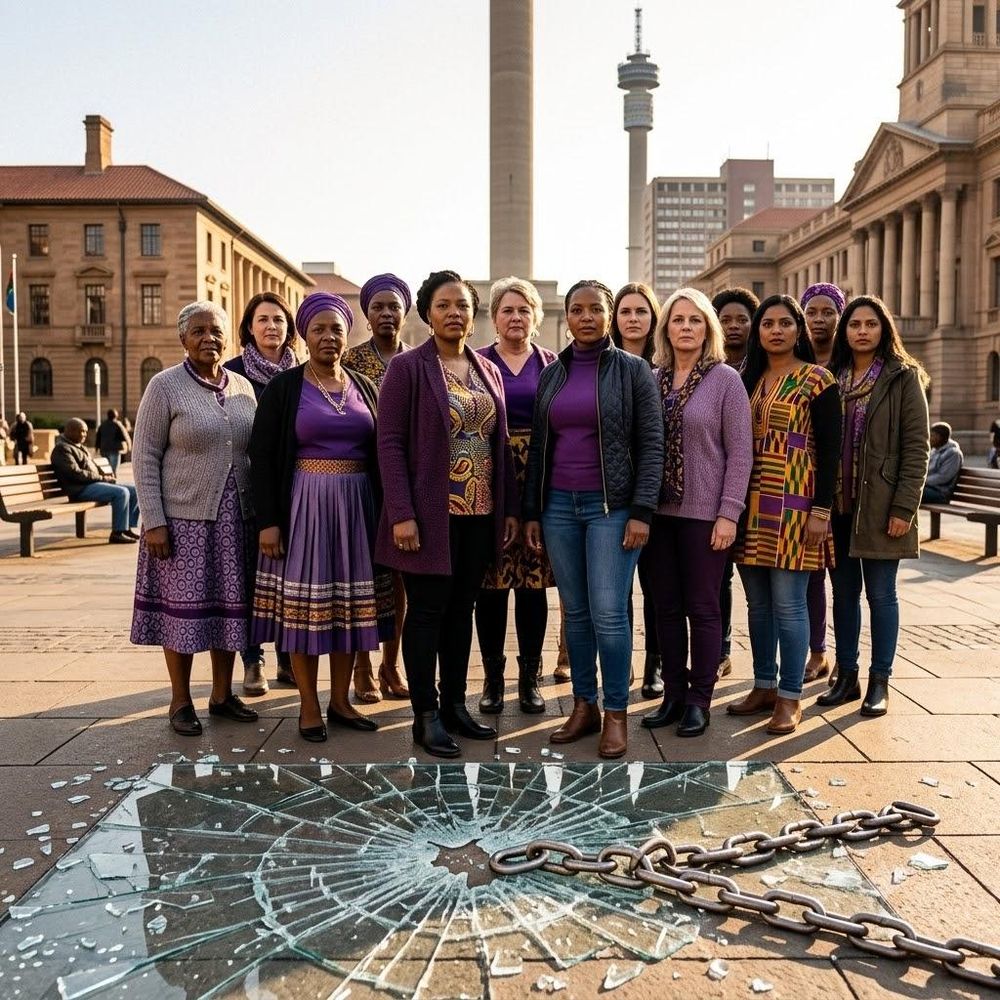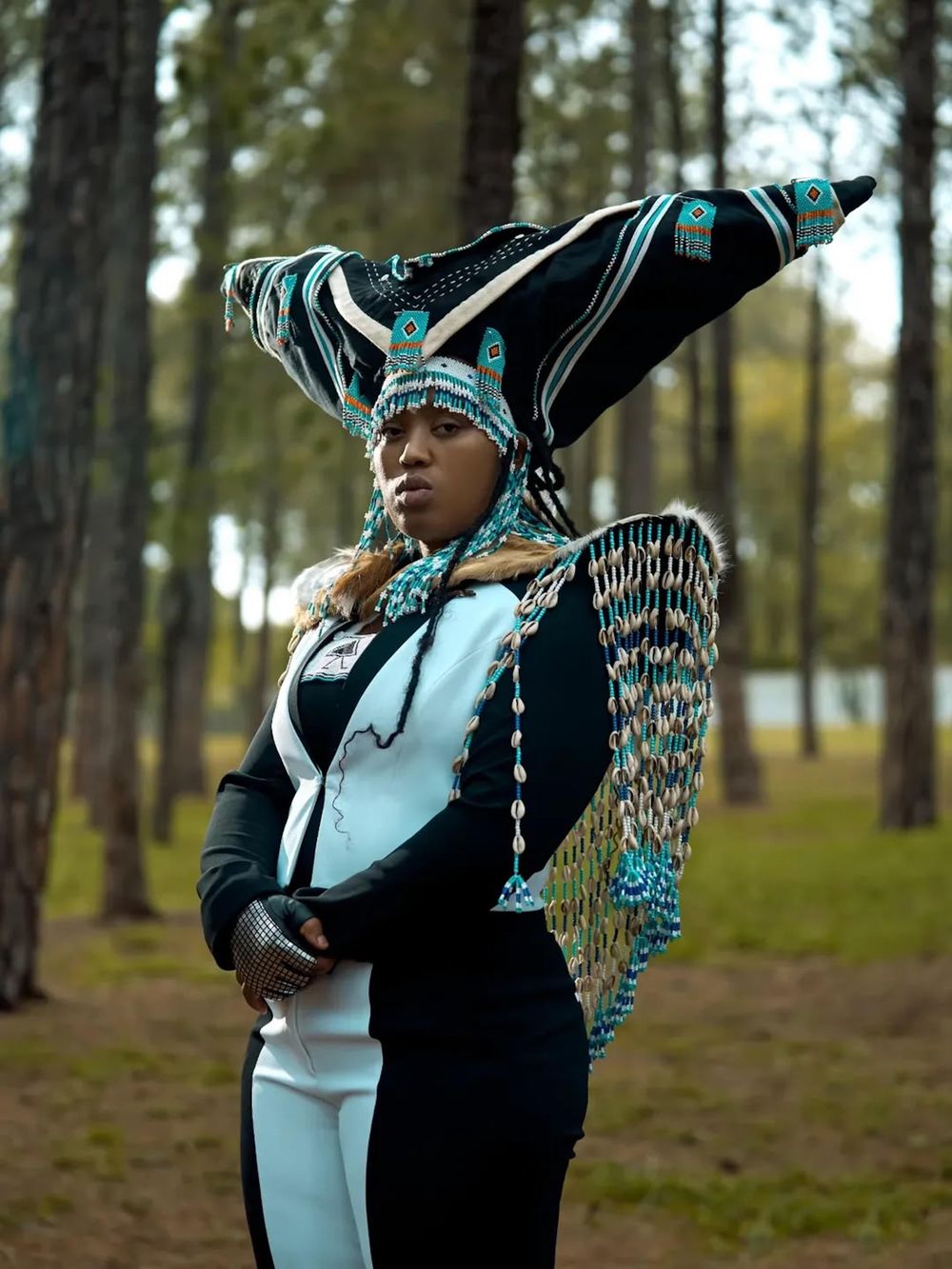
South Africa commemorates on Sunday 70 years since the Women's March of 1956, when around 20,000 women of all races marched to the administrative capital, Pretoria, to protest apartheid laws forcing Black women to carry passes that restricted their movement. It was a powerful moment in the fight against white minority rule.But seven decades after risking arrest, torture and even death to challenge racist laws, many women say their fight for freedom in South Africa is unfinished as they continue to grapple with high rates of gender-based violence, poverty and inequality.A United Nations Women-supported study in 2024 found more than one in three South African women have experienced physical or sexual violence in their lifetime. An octogenarian recalls the march Ramnie Dinat, 84, was just a teenager during the August 9, 1956 march. She recalled helping her mother, Ama Naidoo, an anti-apartheid activist, organise women ahead of the rally. Black women, women of Indian heritage like Naidoo, and even some white women marched that day.Also Read: Iran's leaders believe a victory is within reach, and that time is on their side"Black women were organising, and Indian women couldn't be silent," Dinart told The Associated Press, adding that nobody at the time imagined that "history would remember that day.""We were ordinary women who believed we could make a difference. We simply believed it was the right thing to do."A jail that has turned into a museum Perched on a ridge overlooking central Johannesburg, the Women's Jail was a cornerstone of South Africa's apartheid prison system. Today, it's a museum that stands near the Constitutional Court as a reminder of the country's journey from oppression to democracy.Many of the march's leaders and participants were later imprisoned in the Women's Jail, where activists were held separately according to their race just as apartheid enforced segregation everywhere in South Africa.Also Read: Iraqi PM, Saudi intelligence chief discuss regional security as militias delay response"It was designed to break, humiliate, dehumanize," said Nolubabalo Memese, Visitors Services Manager at Constitution Hill, the precinct that houses the former prison complex. She said Black women held at the prison weren't allowed to wear underwear or have proper sanitary towels.Now, Memese says, the museum honours not only famous figures like Winnie Madikizela-Mandela - Nelson Mandela's second wife - and Albertina Sisulu, who became icons of the anti-apartheid struggle, but also thousands of ordinary women whose names rarely appear in history books and whose sacrifices went unnoticed."Our freedom is built on the shoulders of those kinds of women who were at this prison," she said.South African Paralympic wheelchair tennis champion Kgothatso Montjane echoes the sentiment.Montjane, 40, is one of the country's most successful para-athletes; she won the 2024 Wimbledon wheelchair doubles title. She says the fight the women took on 70 years ago has "paved the way for us.""Today I'm the first Black South African woman to compete in all four major tennis tournaments," she told the AP.Violence against women remains widespread in South Africa Memese said that while apartheid ended in 1994 and South African women are no longer restricted from moving, working or participating in society, gender violence can still deny them freedom."There's a different monster which precludes us from enjoying freedom of movement and economic participation. And that's gender-based violence. That's crime," Memese said."If you want to go jog at six o'clock and it's a bit dark, you'd rather not," she added.The UN has described the country's high rates of violence against women and girls as a crisis and a "national wound." Economic disparity hinders South African women Government data says women are more likely than men to be unemployed, shoulder unpaid care work and remain underrepresented in senior leadership.Montjane, the tennis star, said structural inequalities are also still evident in sport, where financial obstacles determine who gets access to elite competition, despite a select few reaching an elite level."The barriers I had to overcome ... in a sport like tennis, it's just a financial issue," she said. "They don't lie when they say tennis is a white sport, and you don't really find people of color dominating in this sport."Still, she believes the women of 1956 changed the course of history for her and generations to come."The platform has been set," she said.When South Africa broke down the old apartheid Women's Jail, some of the same bricks were used to build the museum in its place, which resonates with Memese."We are using the bricks of the past to build our future," she said. "Once we forget the past, it's very easy for us to make the same mistakes."For Dinat, one of the few with living memories of the '56 march, the lesson hasn't changed in 70 years."Every generation has its own struggles, and every generation has to decide whether it will stand up for what is right," she said.
70 years after South Africa's women challenged apartheid, some say their freedom isn't complete
South Africa marks seventy years since the 1956 Women's March against apartheid laws. Many women still face significant gender-based violence and economic inequality today. The Women's Jail, now a museum, honors activists who fought against oppression. Paralympic champion Kgothatso Montjane acknowledges the paved path for current generations. The past's lessons guide South Africa's ongoing journey toward true freedom and equality.
802 words~4 min read