Reflecting on Women's Month in South Africa, Thelela Ngcetane-Vika and Rev Storia Seitisho explore the significant strides made towards gender equality since apartheid, while also confronting the harsh realities of ongoing struggles, including gender-based violence and systemic inequality
Women's Month in South Africa offers a potent, if bittersweet, opportunity for reflection. The progress made since the dismantling of apartheid is undeniable: a constitution guaranteeing gender equality, increased representation in politics and business, and a burgeoning feminist movement.
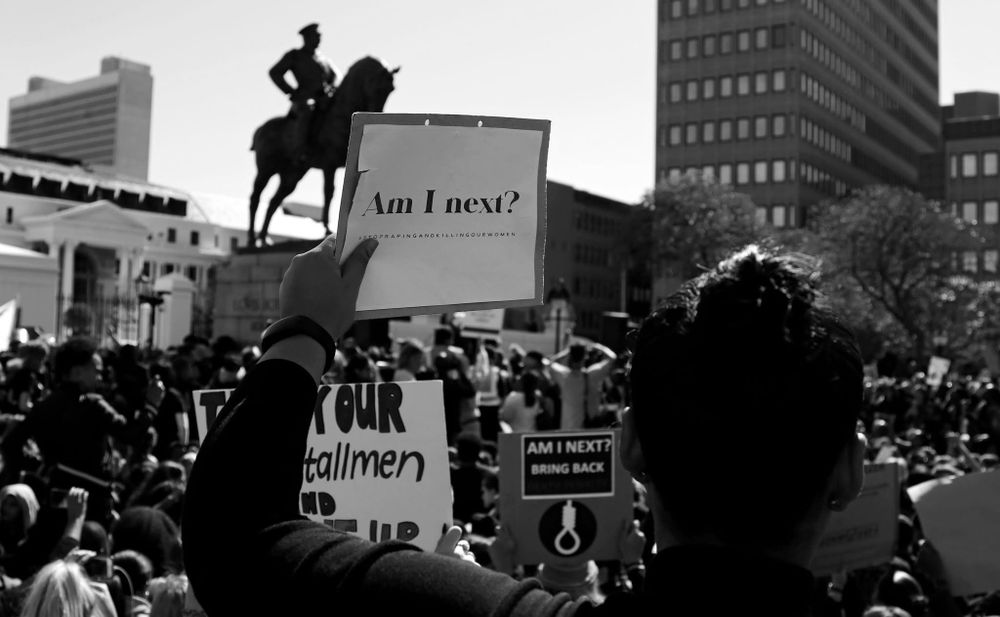
Yet, to declare unqualified success is a dangerous simplification of a narrative that risks silencing the persistent struggles women face in a nation still grappling with deep-seated inequalities, femicide, among others.
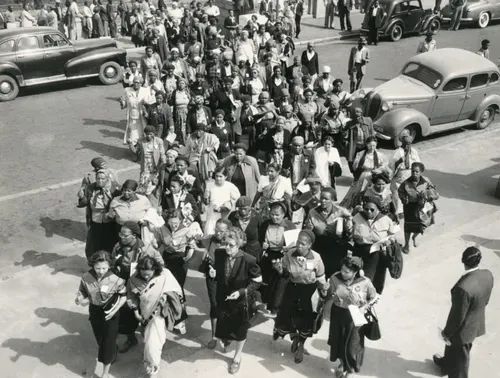
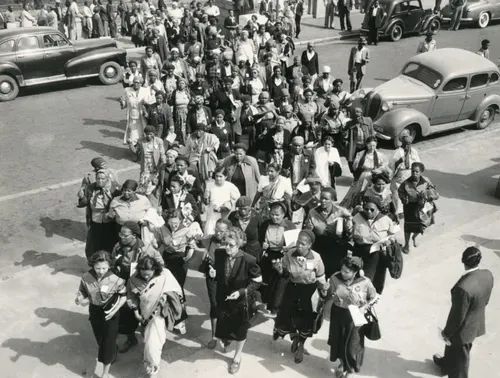
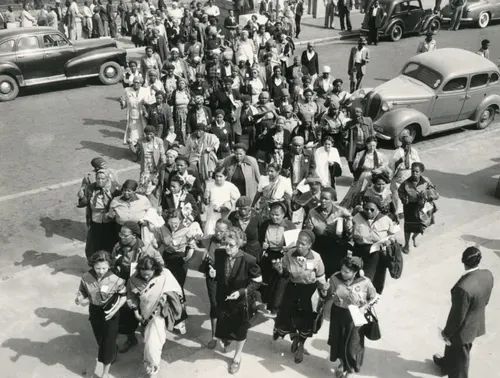
In a sense, the struggle for total emancipation must and should continue, lest it becomes a colossal failure and betrayal to the women of the 1956 March who courageously faced Verwoerd and his apparatus. While commemorating Women’s Month is significant, the celebratory rhetoric by politicians often obscures the stark realities.
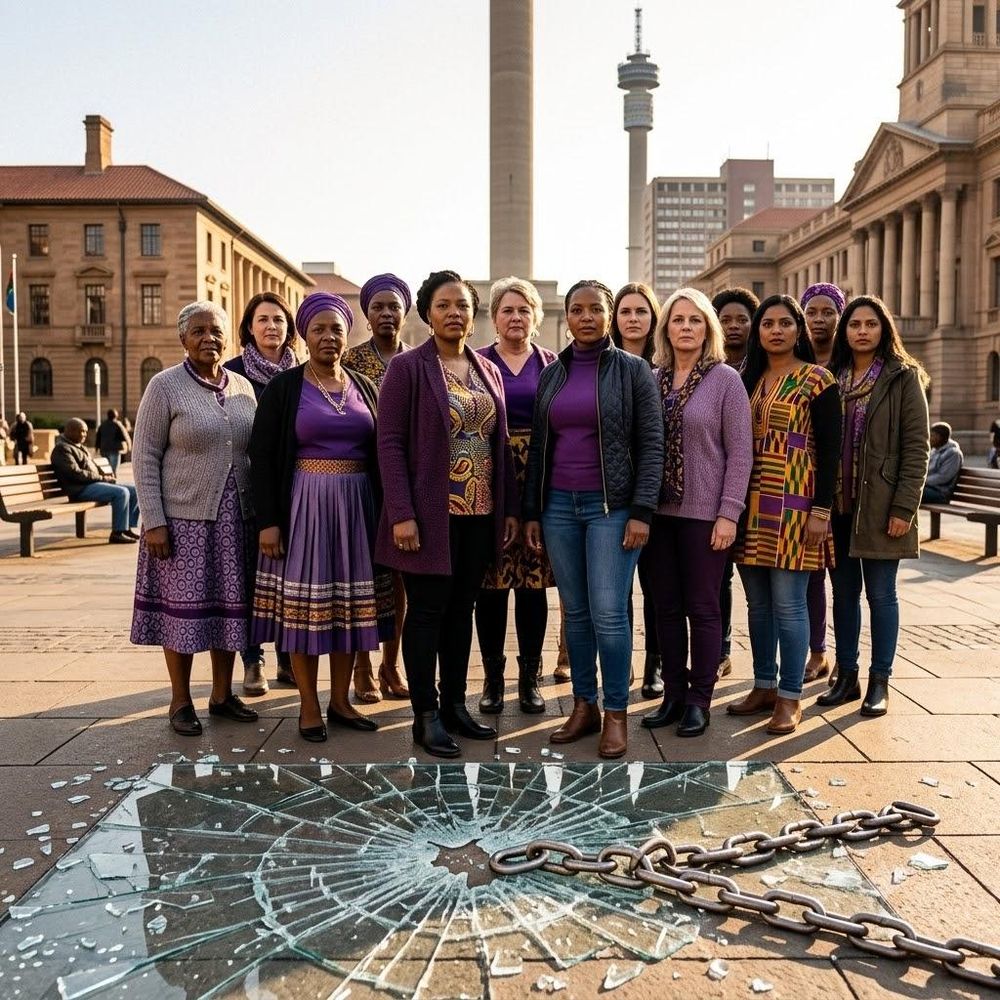
Noting positions women hold in government, Corporate, and indeed in most spheres of South African society, it is patriarchal structures within broader society that constrain their agency. The glass ceiling, while may be cracked, but the pieces remain stubbornly intact, with limiting representation at the highest echelons of power and entrenching pay gaps across sectors.