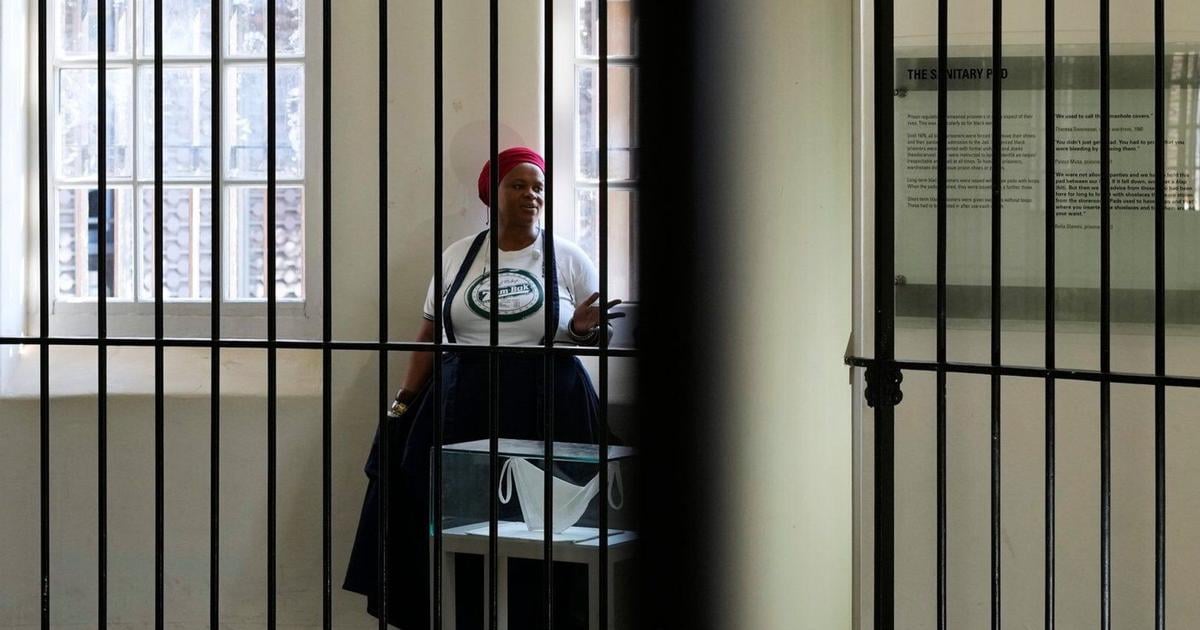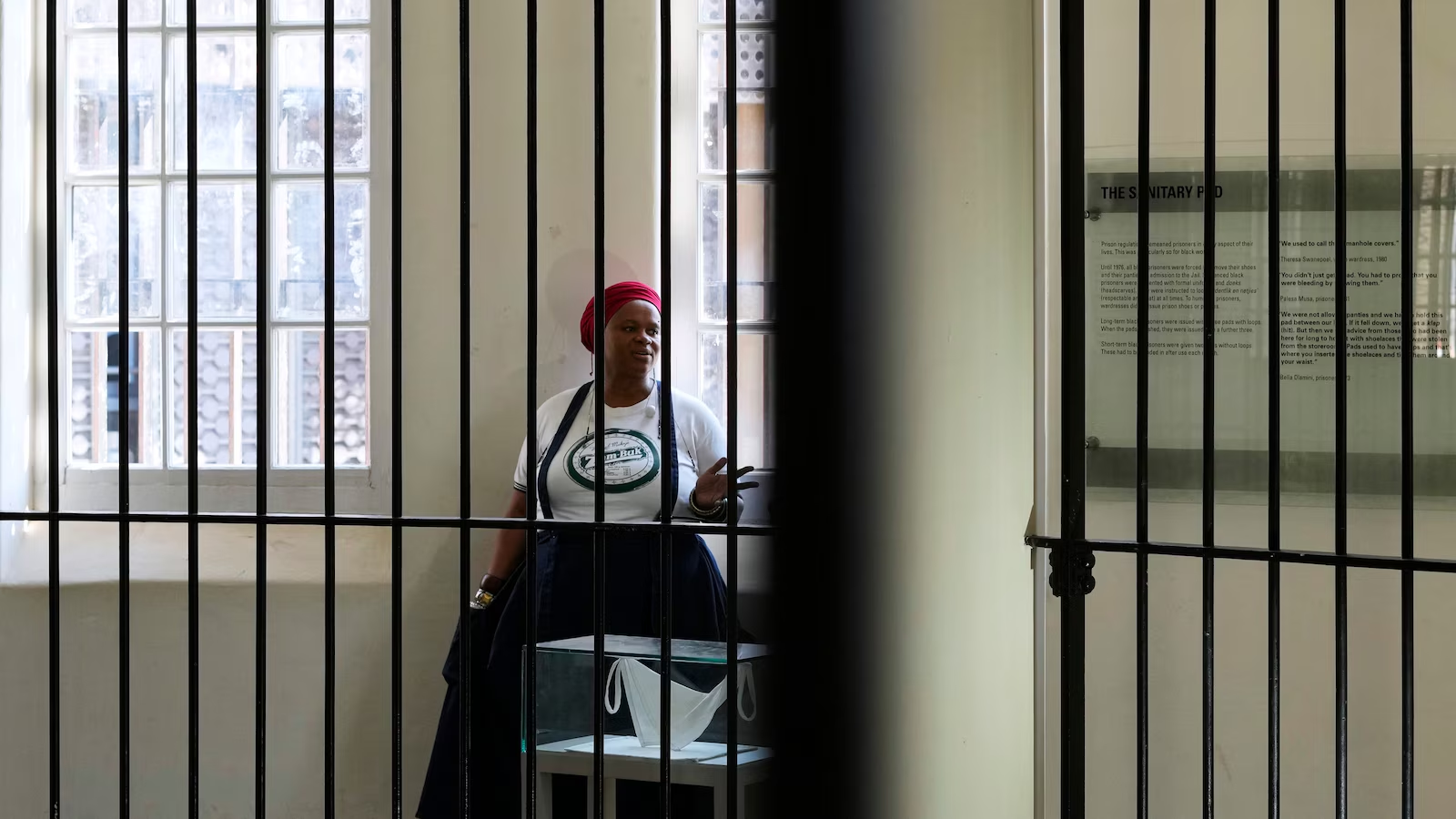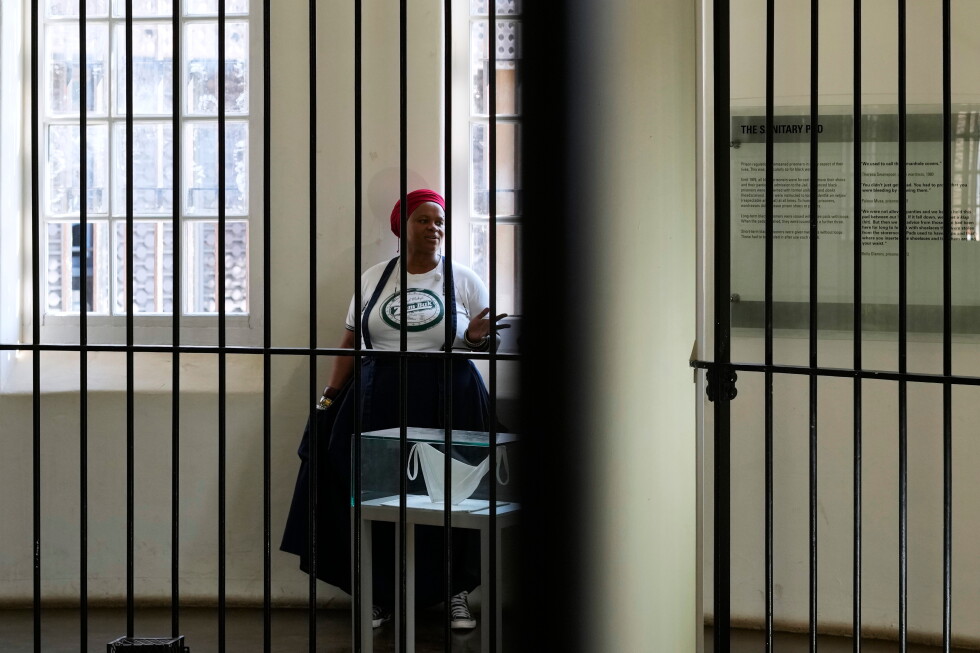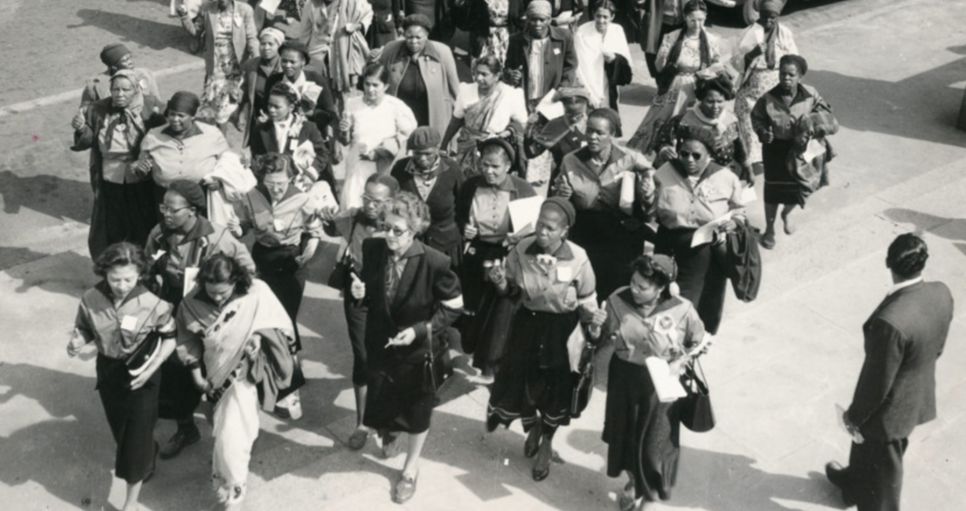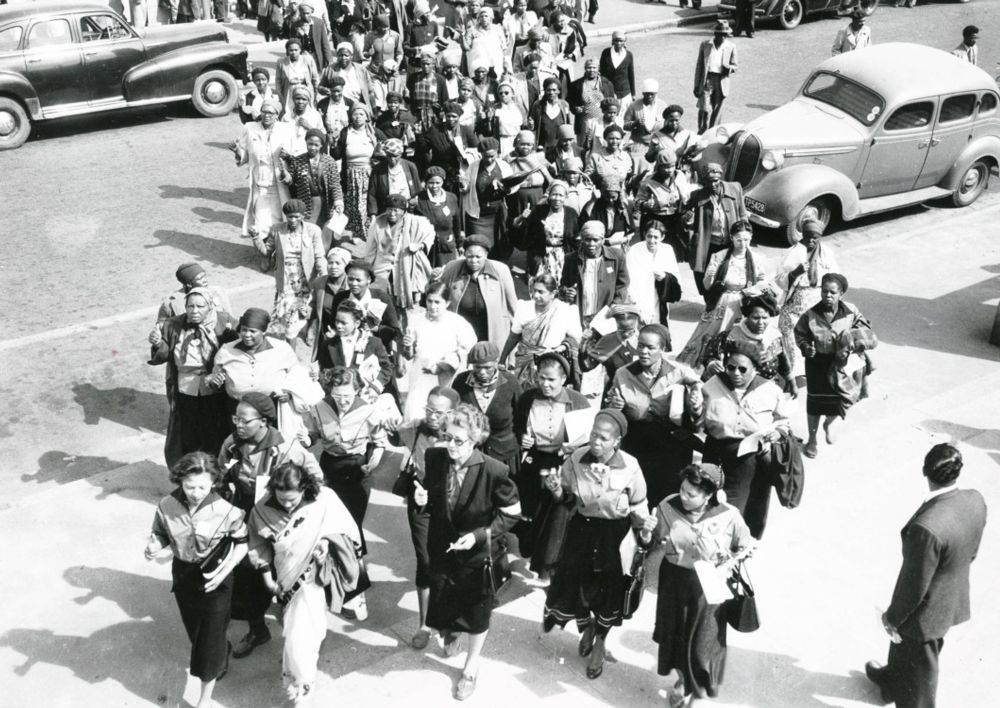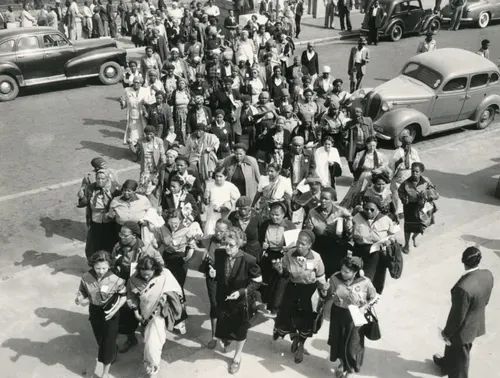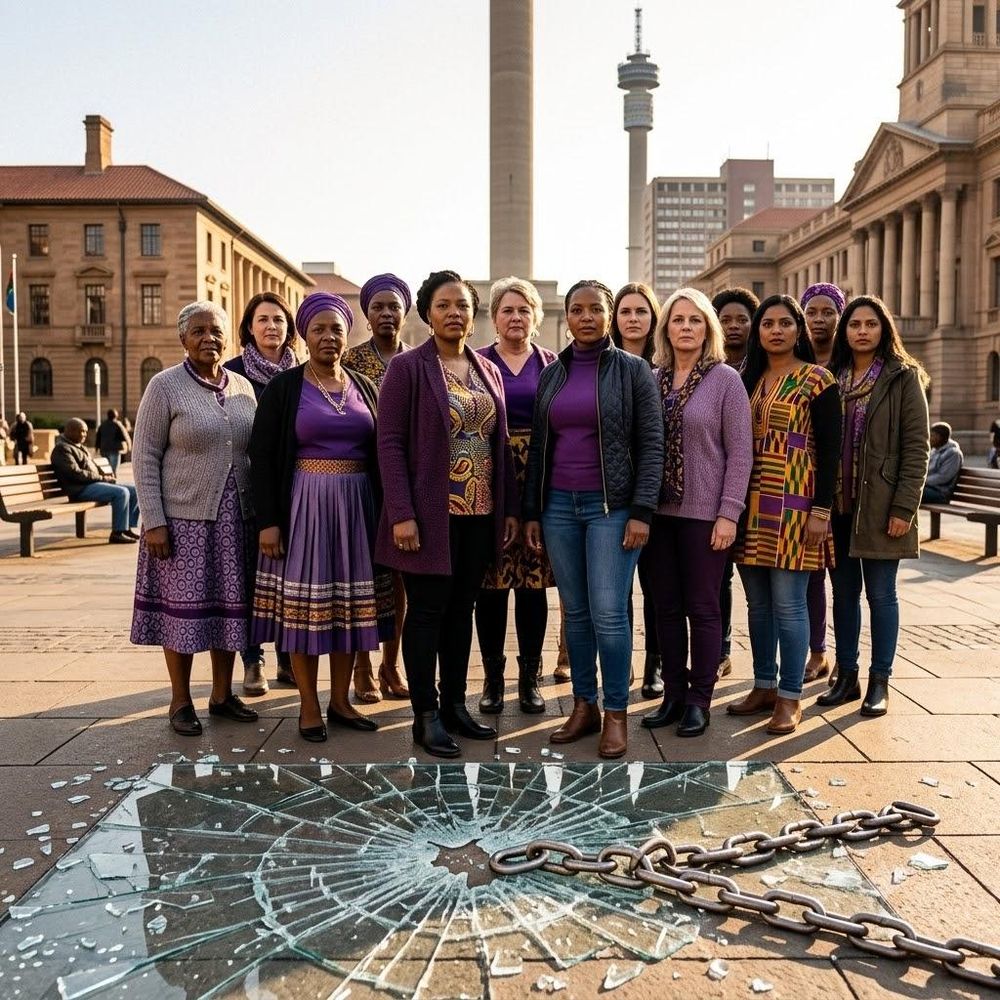
South Africa commemorates on Sunday 70 years since the Women's March of 1956, when around 20,000 women of all races marched to the administrative capital, Pretoria, to protest apartheid laws forcing Black women to carry passes that restricted their movement. It was a powerful moment in the fight against white minority rule.
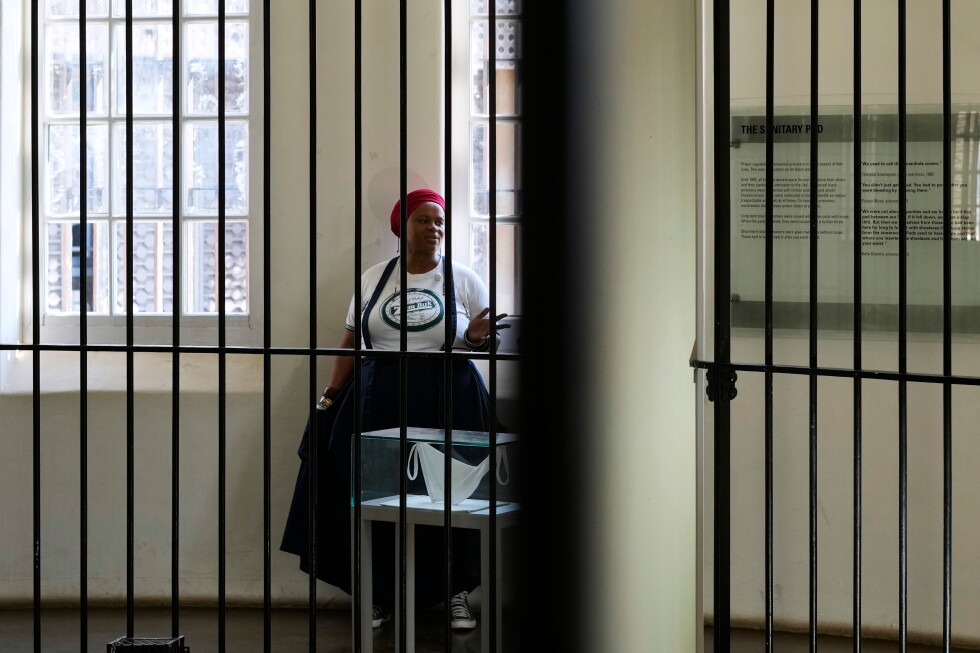
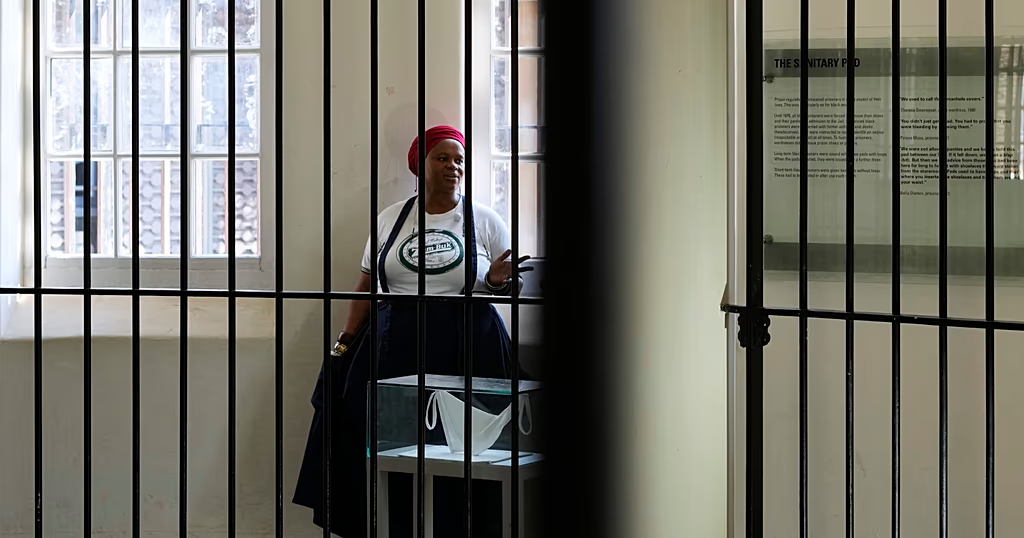
But seven decades after risking arrest, torture and even death to challenge racist laws, many women say their fight for freedom in South Africa is unfinished as they continue to grapple with high rates of gender-based violence, poverty and inequality.
A United Nations Women-supported study in 2024 found more than one in three South African women have experienced physical or sexual violence in their lifetime.
Ramnie Dinat, 84, was just a teenager during the Aug. 9, 1956 march. She recalled helping her mother, Ama Naidoo, an anti-apartheid activist, organise women ahead of the rally. Black women, women of Indian heritage like Naidoo, and even some white women marched that day.
“Everybody had to play a part. To organise it wasn't easy. You had to go from door to door, knock at the door and tell, tell the women, come out on the march. It's very important,” Dinart told The Associated Press.