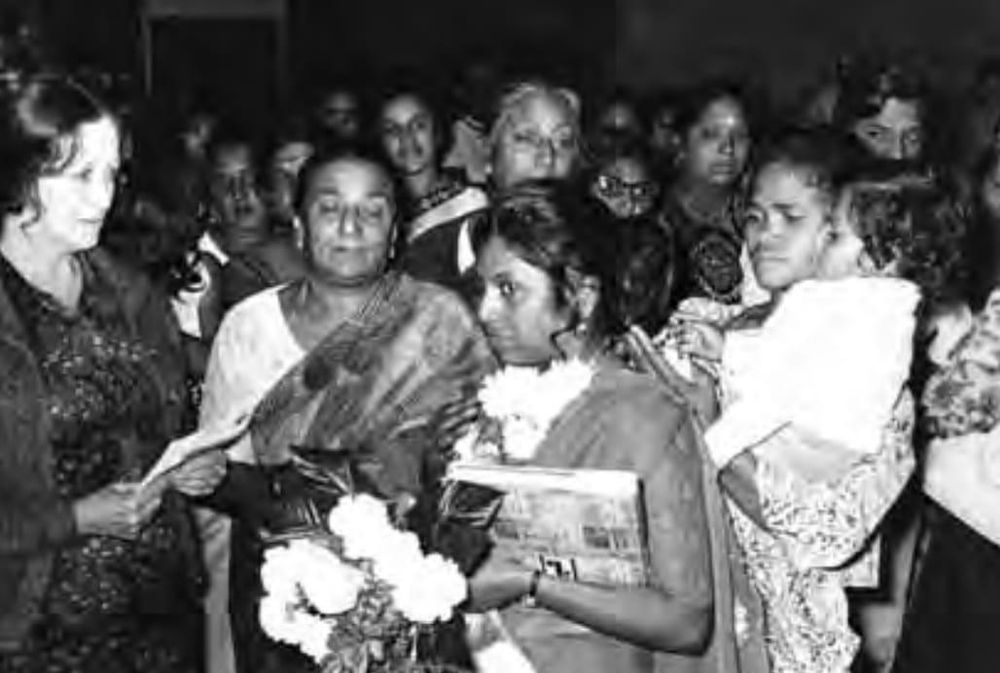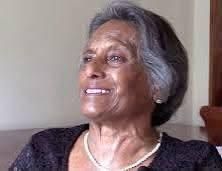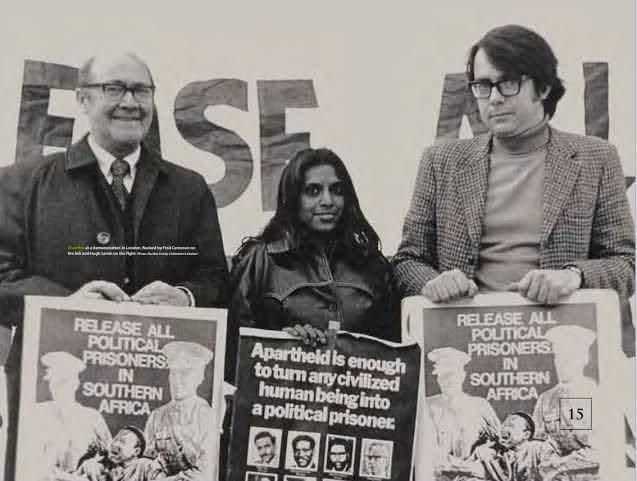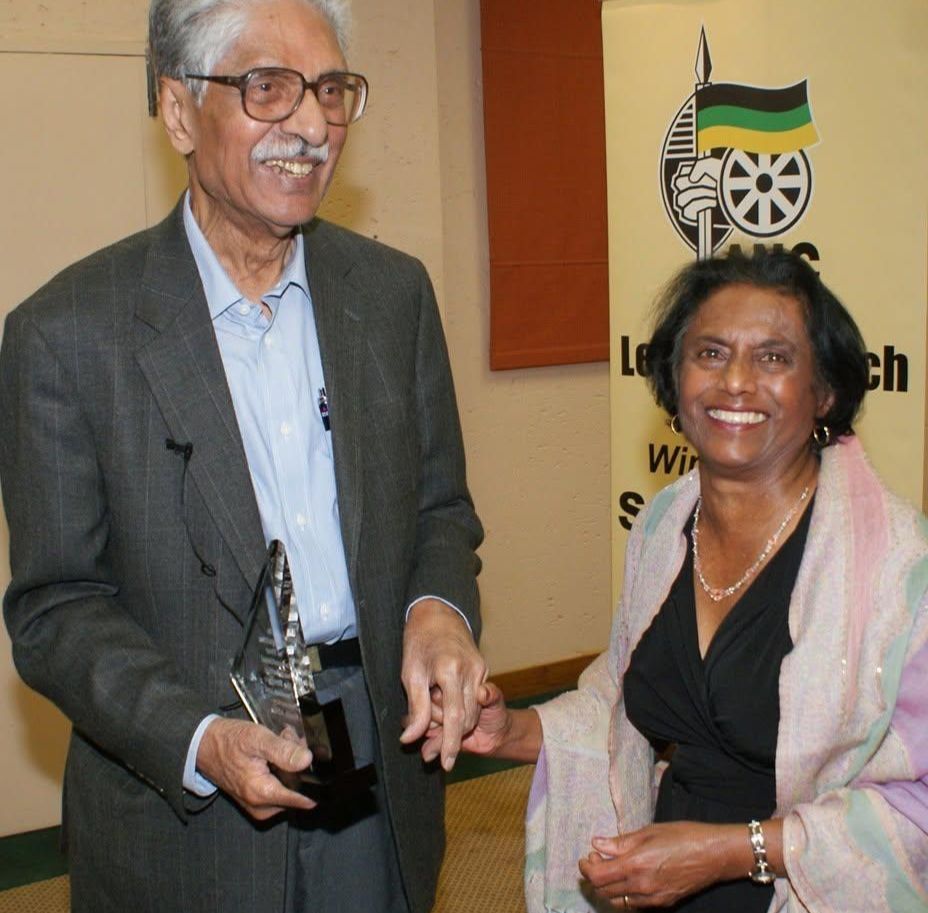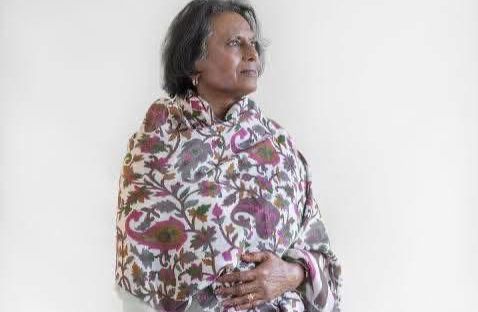
Nelson Mandela wrote of Shanthie Naidoo-Tweedie: “I was to see her grow into a fearless girl…. I never suspected that she had such strength of character, pluck and endurance.” These words were reiterated at the weekend’s funeral of the 91-year-old antiapartheid veteran, whose family’s activism stretched as far back as the early 1900s period of Mahatma Gandhi.During the 1969 “Trial of 22″ she endured more than 371 days in detention, much of it in solitary confinement, rather than testify against Winnie Madikizela-Mandela and her other comrades. This was followed by a long period in exile working, inter alia, with the global antiapartheid movement and the ANC, until her return in 1991. On August 9 this country will be marking the 1956 Women’s March on the Union Buildings to protest against the extension of the detested pass laws, led by women of similar backbone and rectitude such as Lilian Ngoyi, Helen Joseph, Rahima Moosa and Sophie de Bruyn. Now the fumbles of former Investigating Directorate Against Corruption head Andrea Johnston at the Madlanga commission or President Cyril Ramaphosa’s appointment of Dina Pule as social development minister after she had to step down during the Zuma administration, provide ammunition for sexists and misogynists to undermine women’s struggles. But the need to critique bad taste and corrupt behaviour, whether committed by men or women of any race or colour, should not detract from the progress made and challenges to be met in the pursuit of achieving gender equity and the empowerment of women. Over the past three decades we have notched up many positives. The multiparty Women’s National Coalition ensured that the birth of South Africa’s 1996 democratic constitution elevated women’s rights. This saw the ANC commit to a gender quota for its electoral lists, with a huge 27.7% of the first democratic parliament elected in 1994 being female, a number that was globally historic. This figure rose to 48% in 2009, dipped to 33% in 2004 and rose again in the 2024 elections to 42.8%. Though the ANC’s cabinet achieved gender parity in 2019, the government of national unity cabinet saw female representation decrease to 43.8% in 2024. However, while South Africa ranks 18th globally in the World Economic Forum’s gender gap index, with comprehensive constitutional protections and progressive legislation, it remains the world’s most unequal country, with persistent gender disparities. Women face consistently higher unemployment rates, earn significantly less for work of equal value and bear disproportionate burdens of unpaid care work than men. Basic service delivery failures affect women disproportionately. Now, 29% of women in rural areas spend more than four hours collecting water and fuel, increasing from 3.4 hours in 2019. Women-headed households have less access to reliable electricity, affecting productivity and safety. Women face greater safety risks, with gender-based violence and femicide recognised as a crisis. The challenge is not primarily legislative or economic; it’s also a matter of what researchers identify as “implementation capability”. The National Gender Machinery, for example, has experienced three decades of dysfunction and persistent recommendations that have not yet delivered a turnaround. Multiple restructurings of the relevant department have created confusion and loss of institutional memory. The parliamentary committee providing oversight of the Commission on Gender Equality lacks the required teeth. Public policies have been decried for being not just gender blind, but “gender hostile”. Gender mainstreaming should be elevated to a societal issue requiring accountability at the highest level. This needs strengthening of parliamentary oversight as well as monitoring service delivery from a gender perspective. State actions will provide the signal that business, labour and civil society need to guarantee that we move away from a gender hostile environment to one where all women can thrive and realise their full potential. While acknowledging this is not just a women’s issue, women’s organisations need the same spirit shown by women leaders of the past decades, who refused to be cowed by apartheid brutality, showing character, pluck and endurance. • Abba Omar is director of operations at the Mapungubwe Institute for Strategic Reflection. Business Day
YACOOB ABBA OMAR | Character, pluck and endurance should define the spirit of Women’s Month
Legacy of resistance and sacrifice shapes SA’s ongoing fight for gender equity
671 words~3 min read