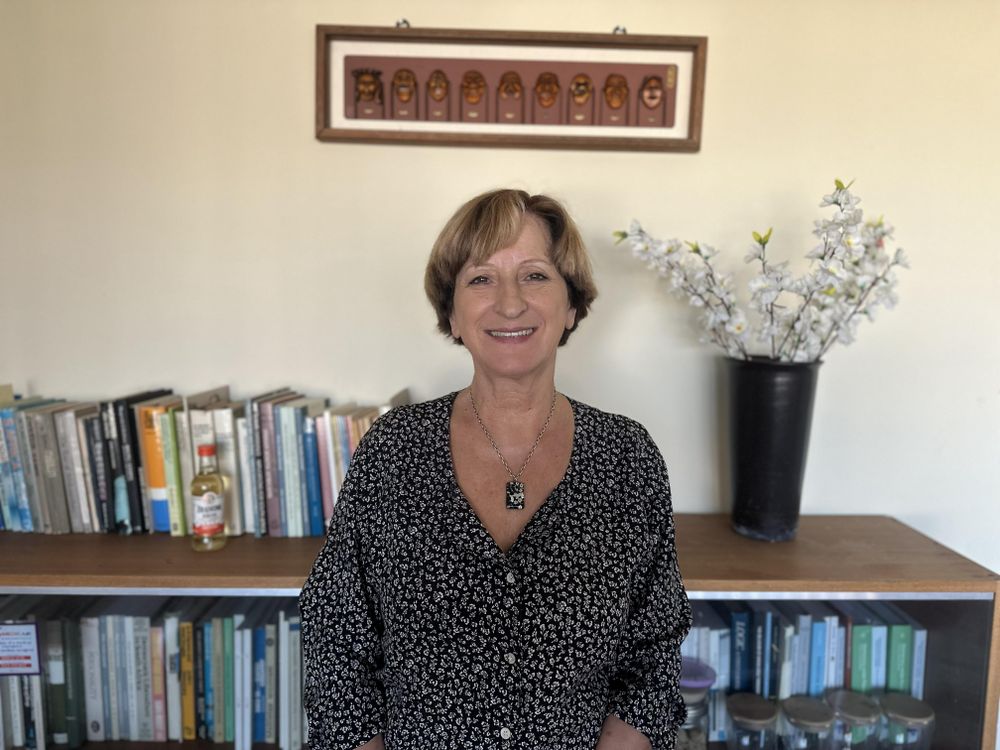
Professsor Ursula van Beek is the director of Centre for Research on Democracy at Stellenbosch University.
Ursula van Beek
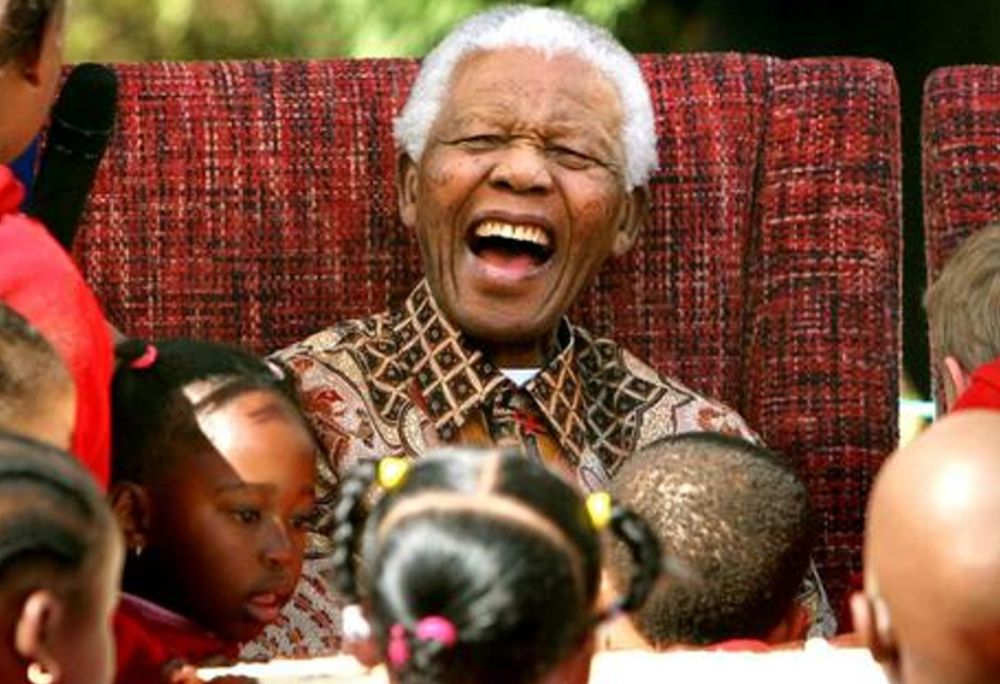
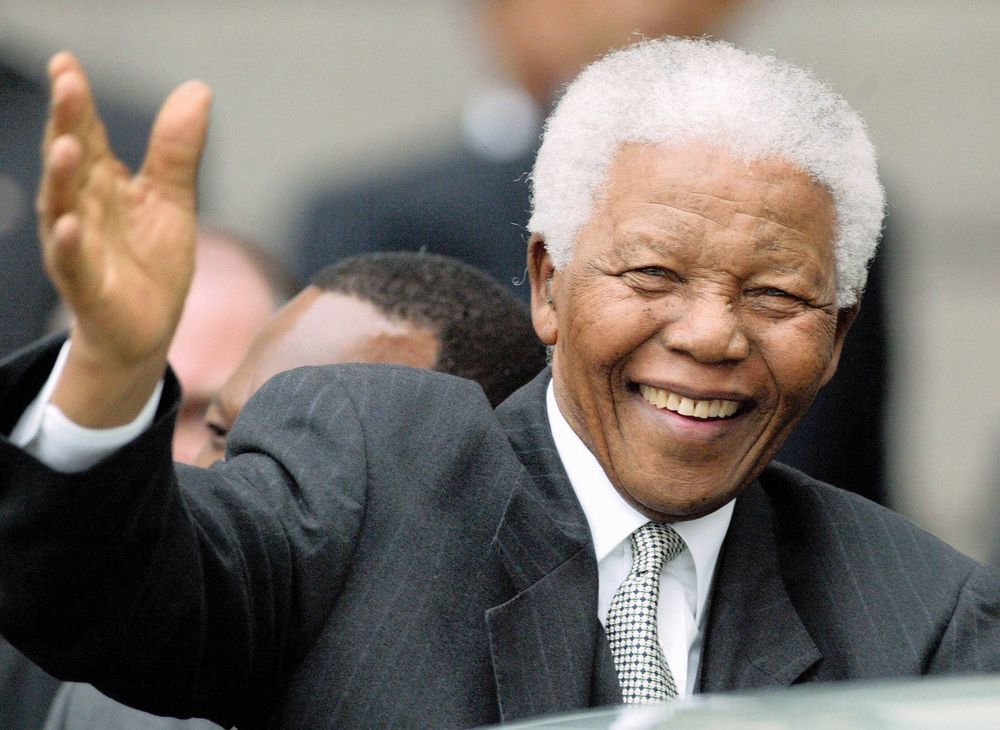
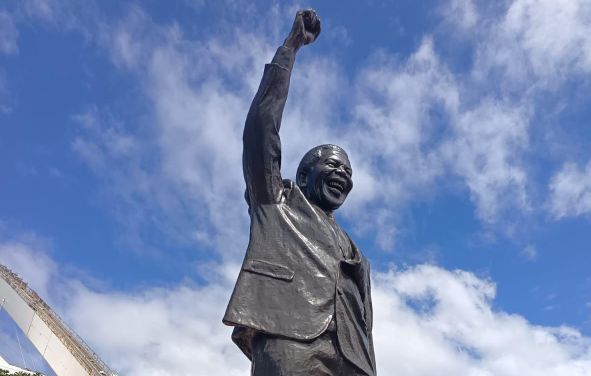
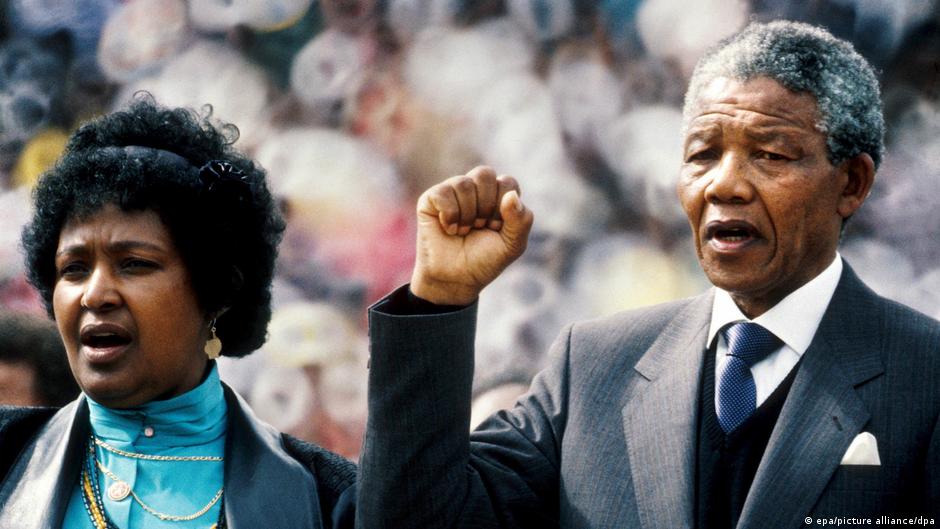
July is the month South Africa commemorates the extraordinary life of Madiba, the father of the nation, with remembrance extending well beyond our country and the continent. In 2009, the United Nations (UN) General Assembly declared the 18th of July as the Nelson Mandela International Day to commemorate the birthday of the iconic figure. The UN resolution A/RES/64/13 recognised Mandela’s contribution to social justice and conflict solving in race relations. Also acknowledged was Mandela’s role in the struggle for democracy in his own country and throughout the world, as well as his promotion of a culture of human rights and international peace. As a politician and a realist, already in his 1995 State of the Nation Address, the first president of the then recently established democratic republic identified two correlated problems that proved to haunt South Africa to this very day.
He stated: “Precisely because we face the challenge of dealing with systematic corruption we need a dispassionate andsystematic approach to this question and not allow ourselves to be stampeded by responses which are not very different from a witch-hunt.” And just a few months later he happened to address the ANC Congress at the Alexandra Stadium in the wake of attacks on foreigners. On that occasion Mandela expressed his sadness and anger at the revealed hatred saying: “We cannot blame other people for our troubles”. He reminded his audience of the people of Alexandra who had ignored tribal and ethnic distinctions the apartheid government tried to impose, a legacy of unity shattered by the attacks.