Exploring how Nelson Mandela's legacy of defiance against Western influence shapes Africa's current diplomatic landscape and its quest for autonomy.
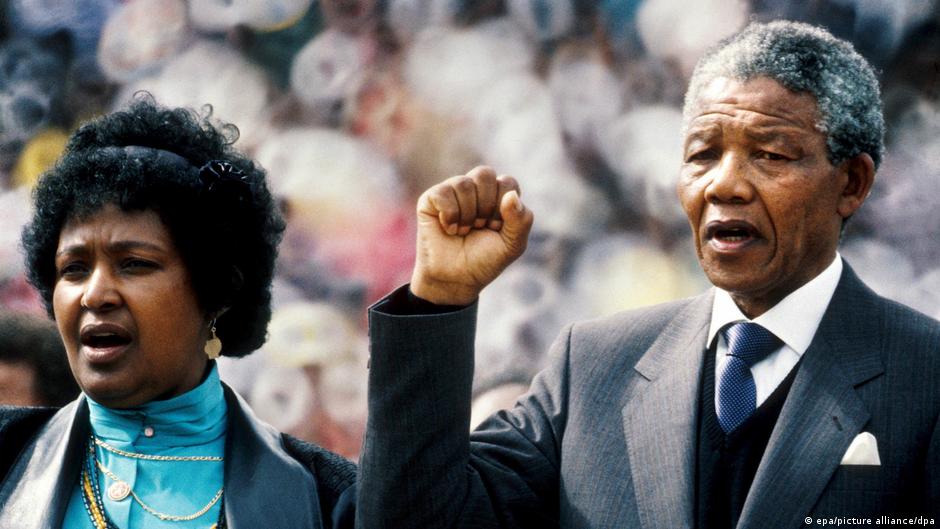
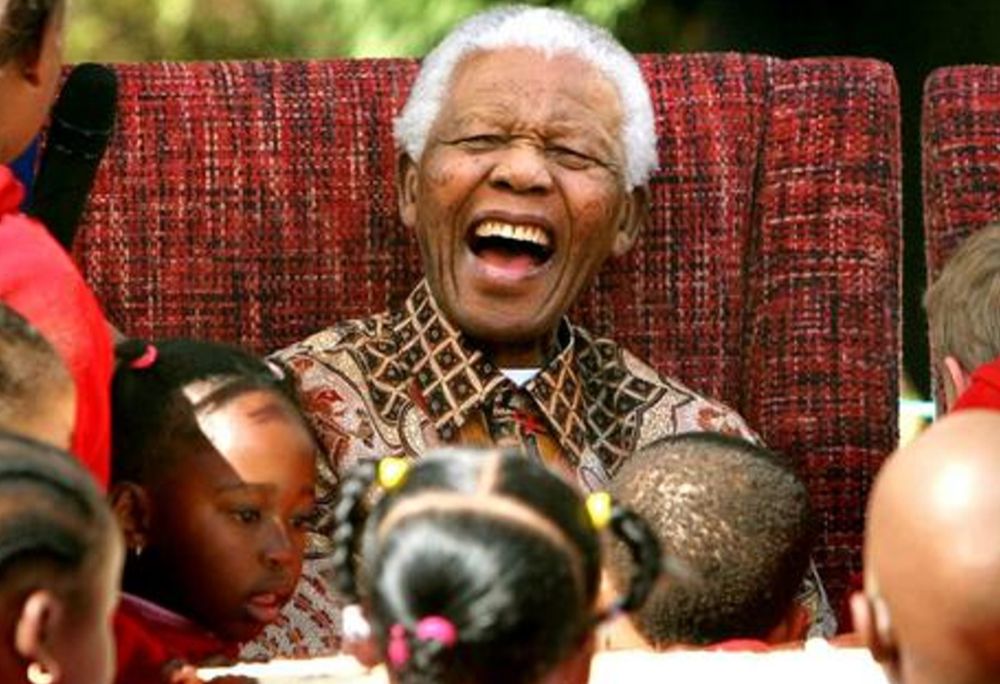
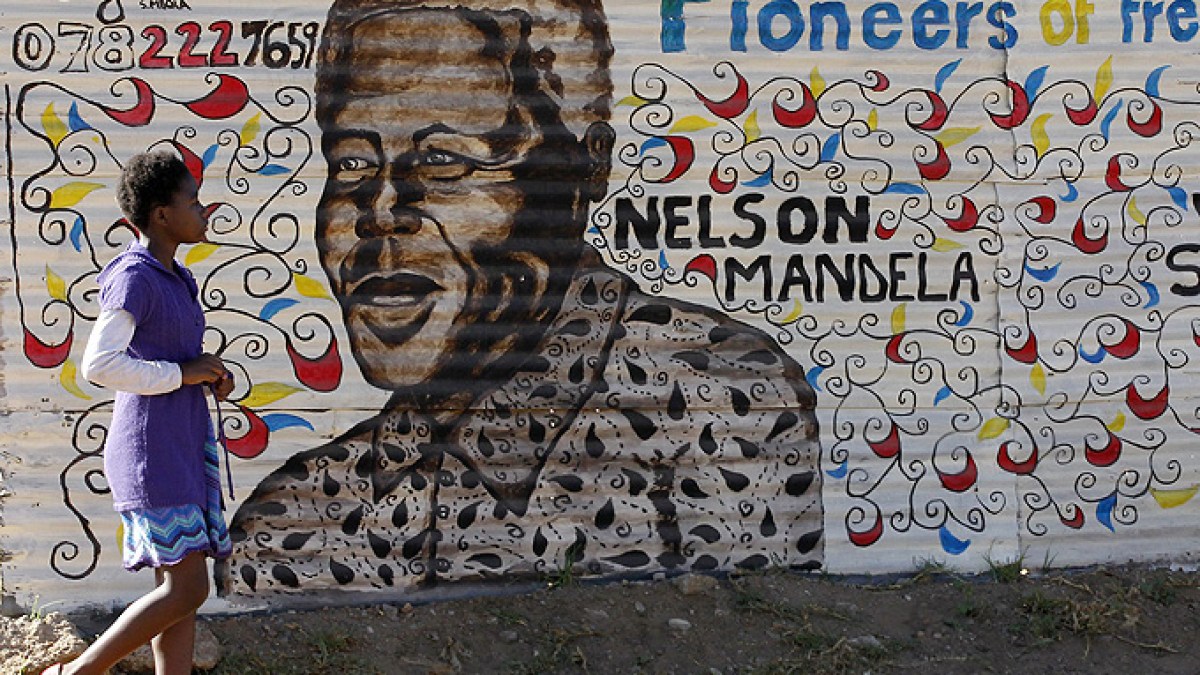
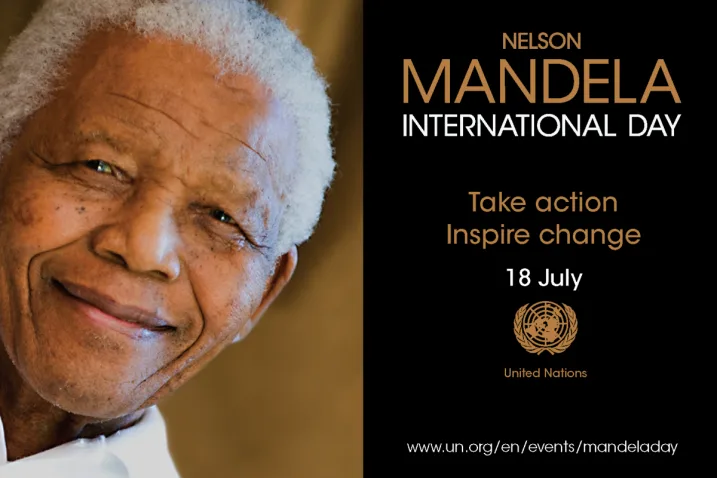
When the UN established Nelson Mandela International Day in 2009, the anti-apartheid icon had already been a free man for nearly two decades. The tribute asks people worldwide to dedicate 67 minutes to public service on July 18, his birthday – one minute for every year Mandela spent fighting for human rights.
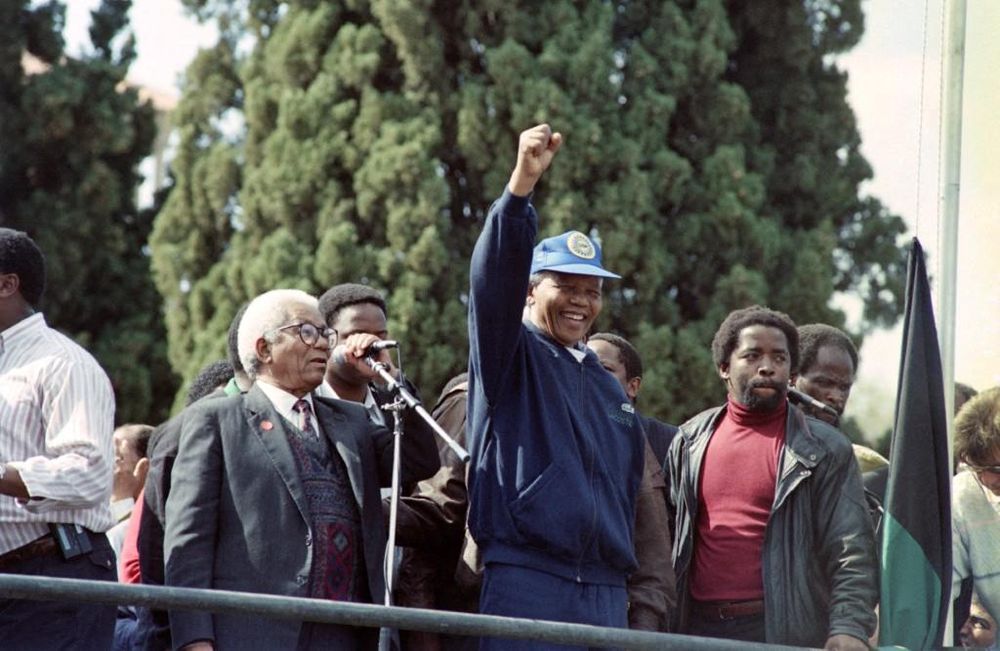
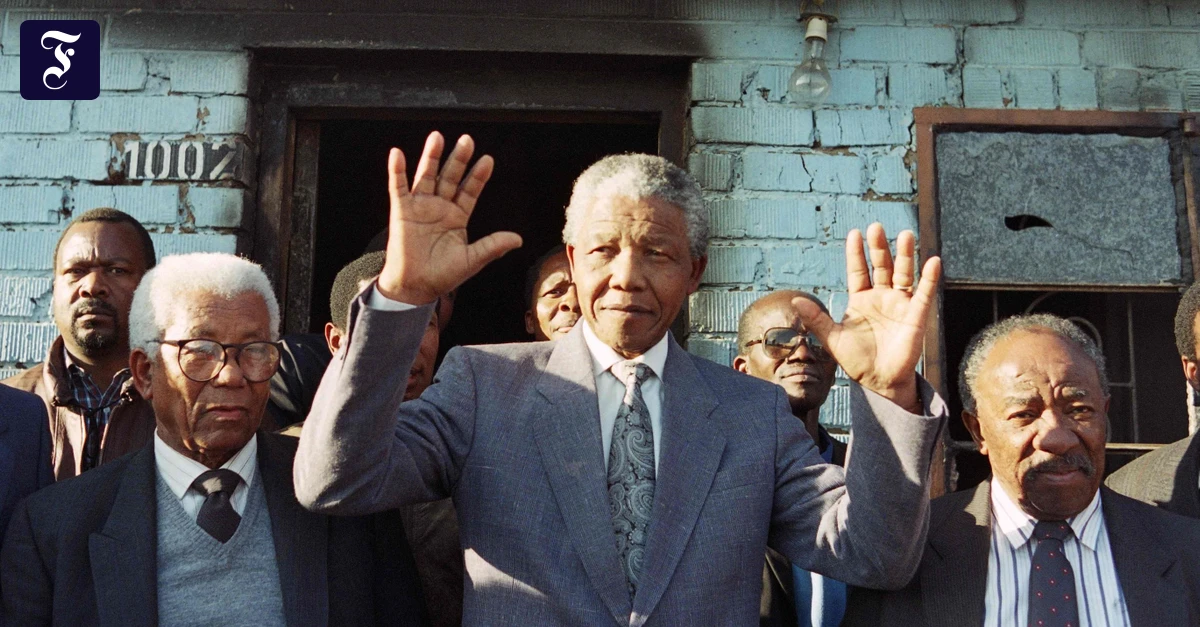
He had already served his singular, historic term as South Africa’s first black president and had spent years traversing a rapidly transforming global landscape to reconnect with a world he was forced to miss during his 27 years of incarceration. Crucially, his early diplomatic travels prioritized visits to the very nations that had anchored the anti-apartheid struggle – defying Western pressure by openly embracing allies like Libya as early as 1990 and Cuba in 1991.
By pushing back against Western critics who questioned these alliances, Mandela established a precedent for African sovereignty and non-alignment at the absolute height of the post-Cold War unipolar order.
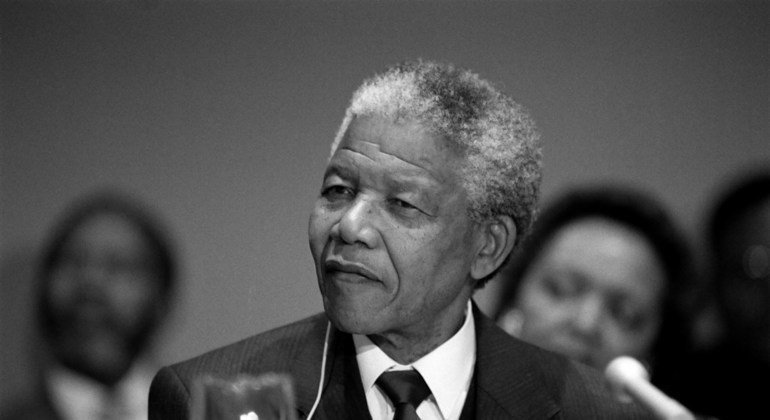
In a famous June 1990 televised exchange in New York, American journalist Ted Koppel pressed him to justify his friendships with figures like Muammar Gaddafi, Yasir Arafat, and Fidel Castro. Mandela responded with a mesmerizing defense of sovereign autonomy, famously telling his audience that Western critics could not dictate who Africa’s friends should be simply because they disliked them, and reminding the world that these leaders had supported the liberation struggle when the West was still aligned with the apartheid regime in South Africa.