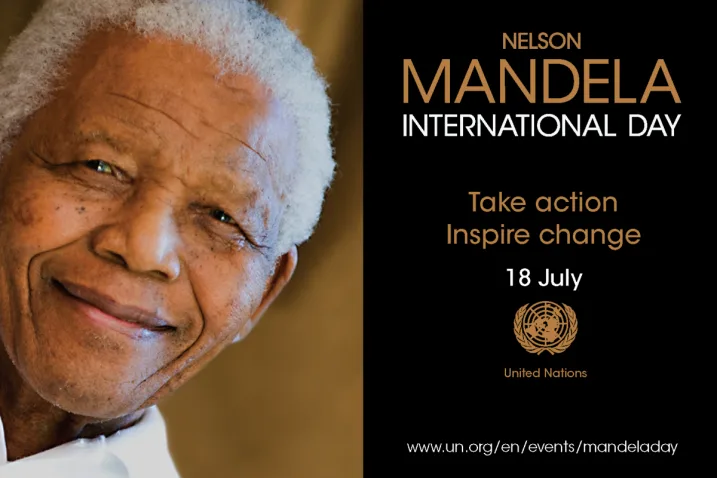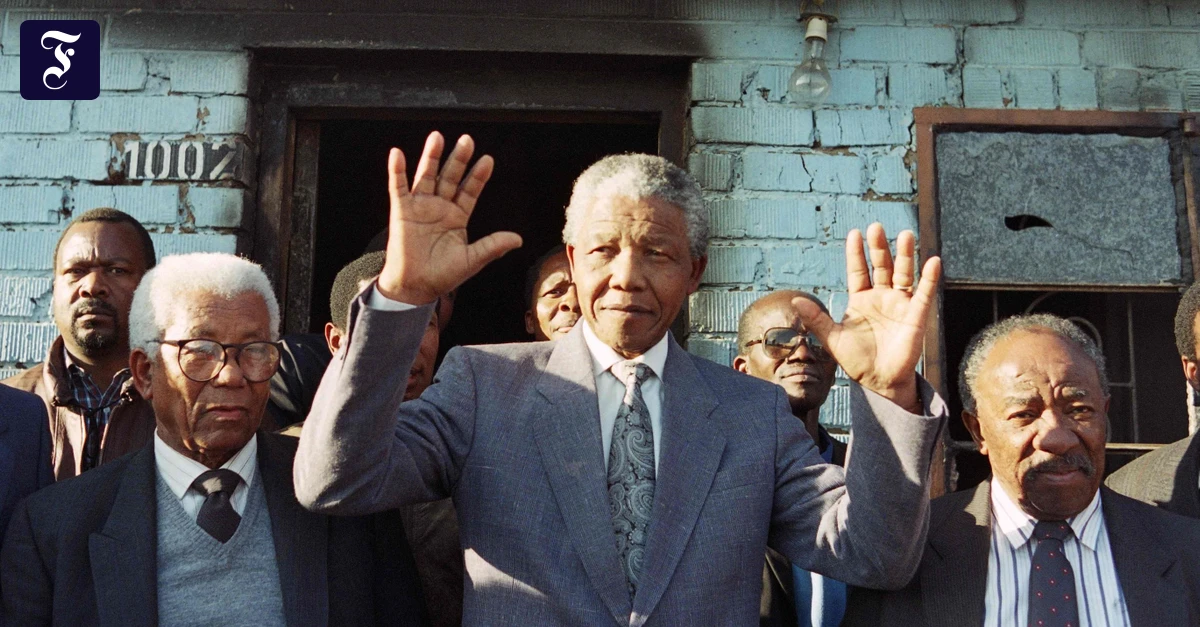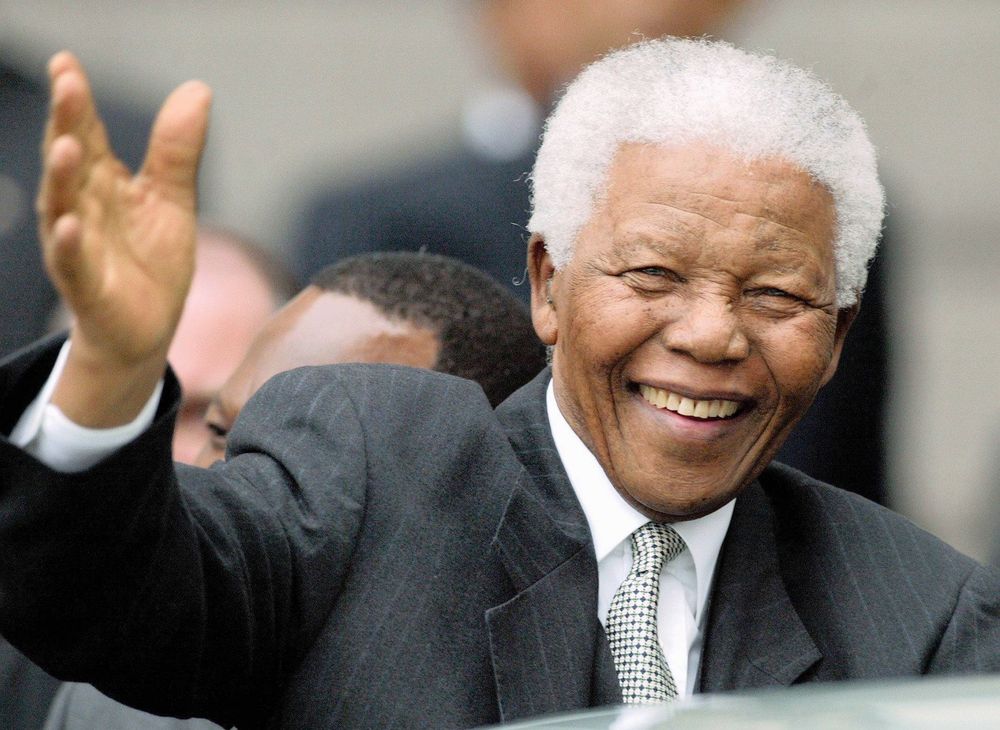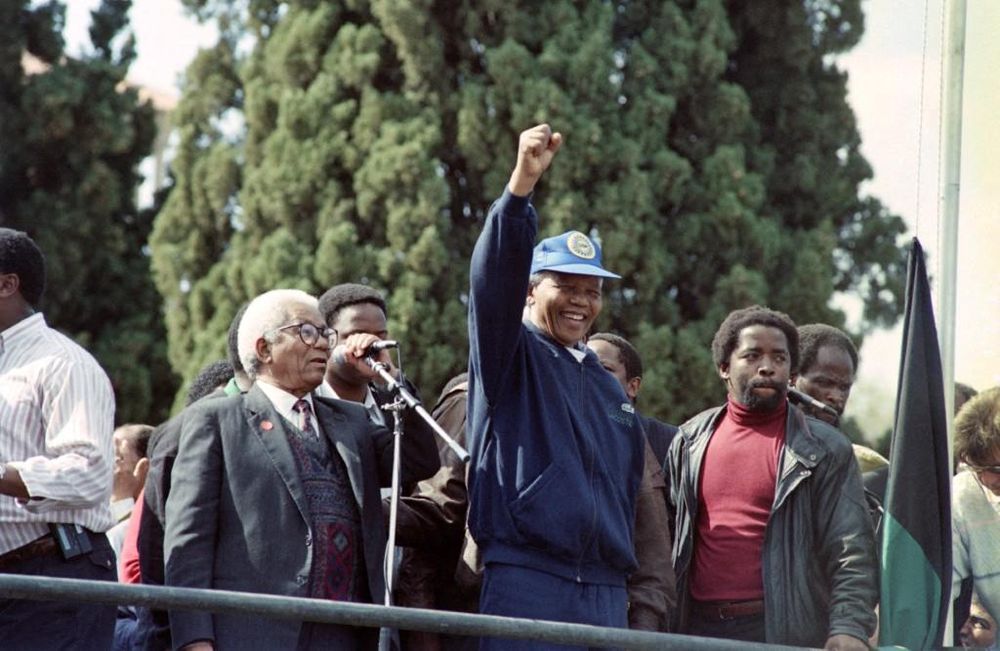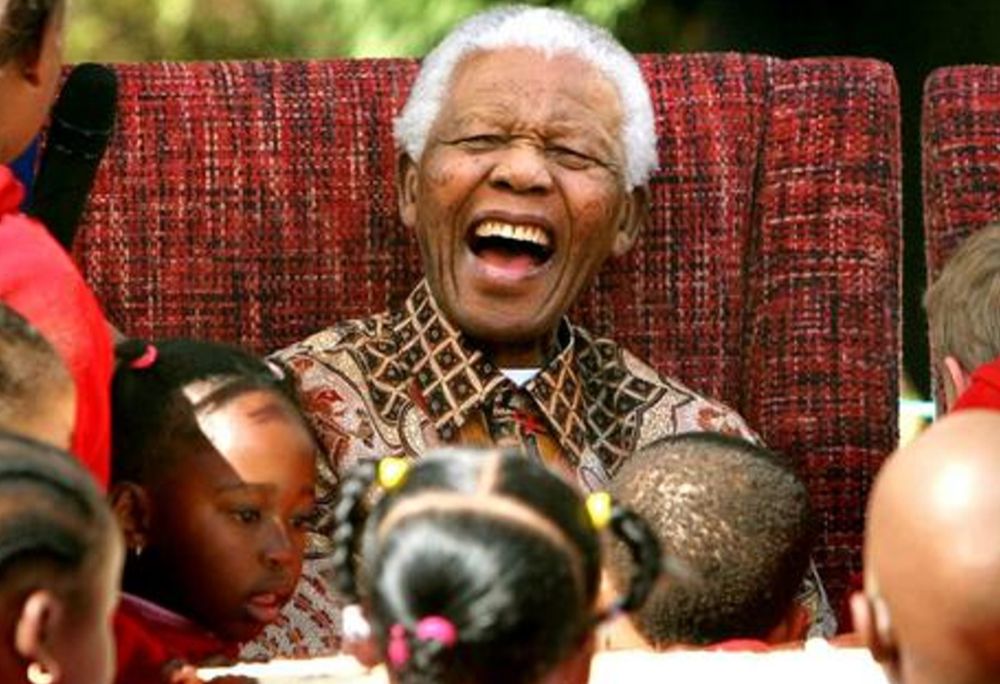
As South Africa marks Mandela Day this month, this opinion argues that the annual tradition of voluntary service inspired by Nelson Mandela remains as relevant as ever in one of the world's most unequal societies. Mandela's commitment to reconciliation helped steer the country away from the brink of civil war, leaving a legacy that continues to call on South Africans to choose compassion, service and unity.
Few South Africans evoke as much admiration and criticism as Nelson Mandela. To millions, he is the statesman whose leadership steered South Africa away from the brink of civil war following the assassination of South African Communist Party leader Chris Hani. To others, he is unfairly branded a traitor for embracing reconciliation instead of retribution.
It is legitimate to question whether Mandela's approach demanded too much forgiveness from apartheid's victims before many beneficiaries of the system had acknowledged their role or shown genuine remorse. Yet the alternative to reconciliation was a path of violence that would almost certainly have plunged the country into catastrophe.
Mandela's greatest critics often overlook an uncomfortable truth that reconciliation was never intended to replace justice. It was meant to exist alongside it.