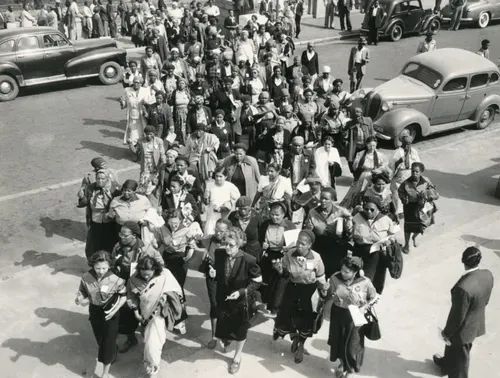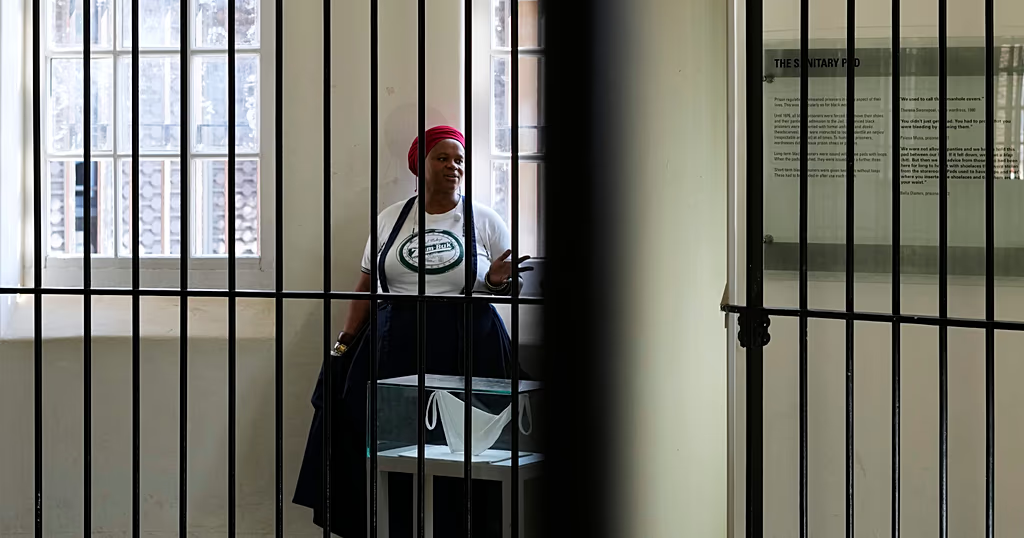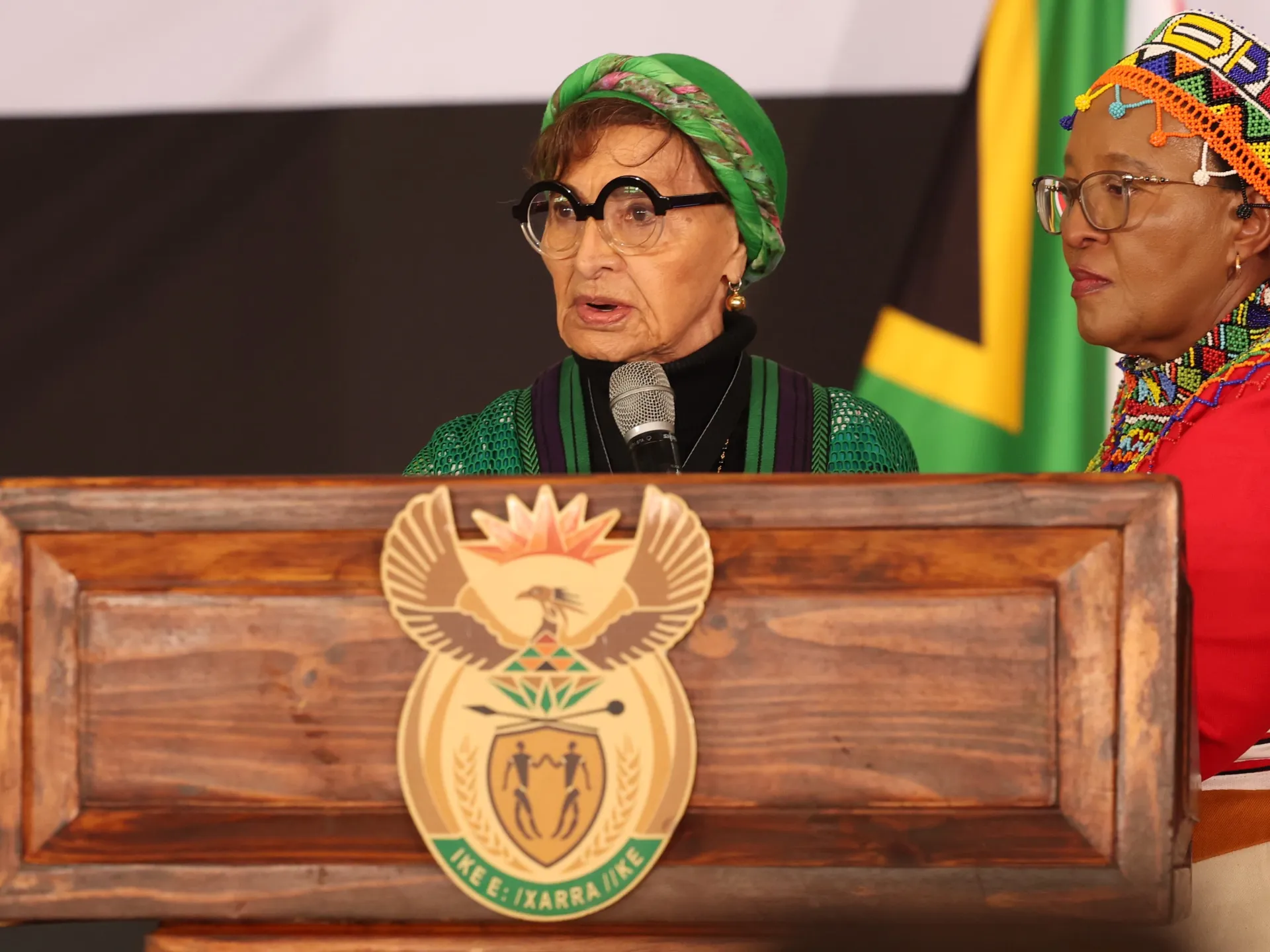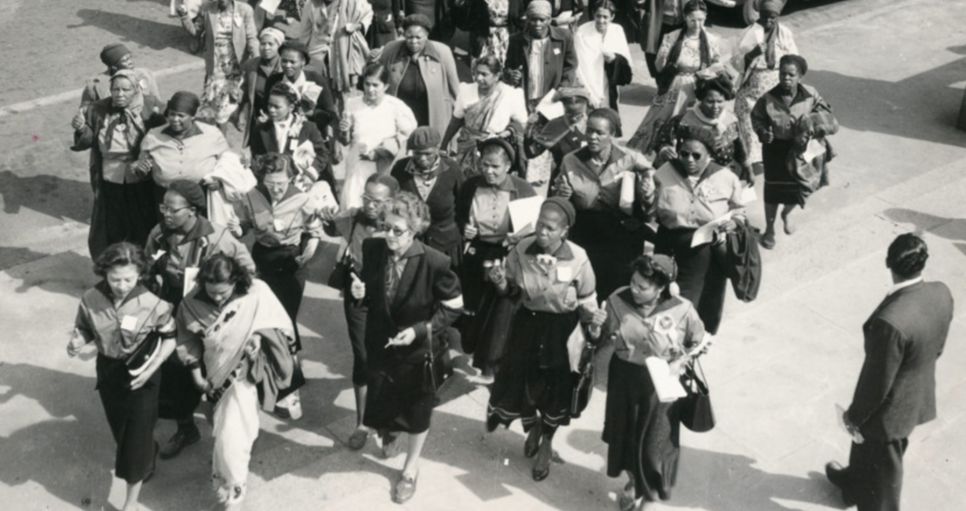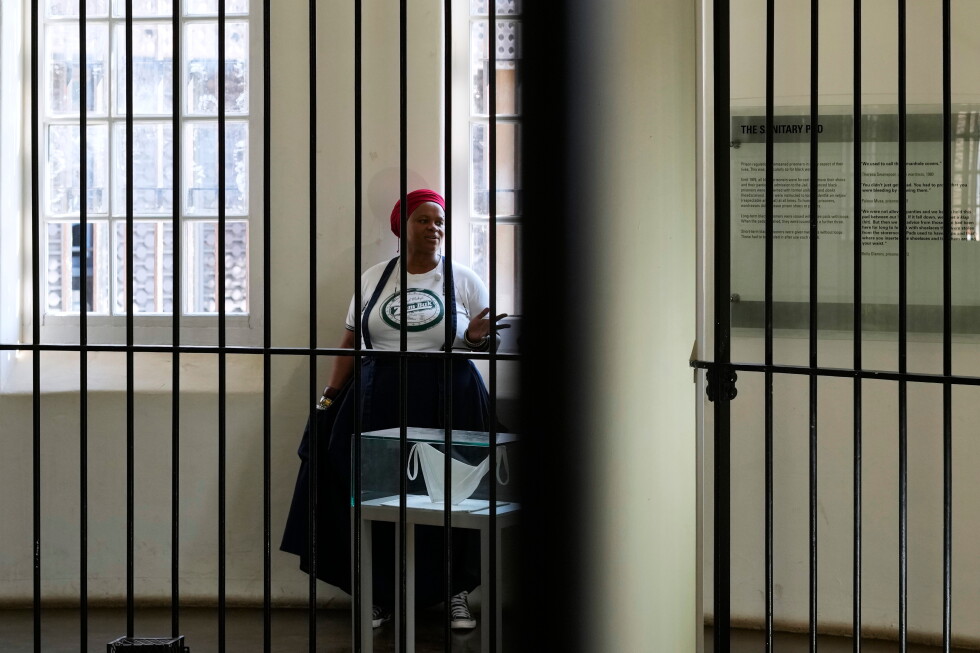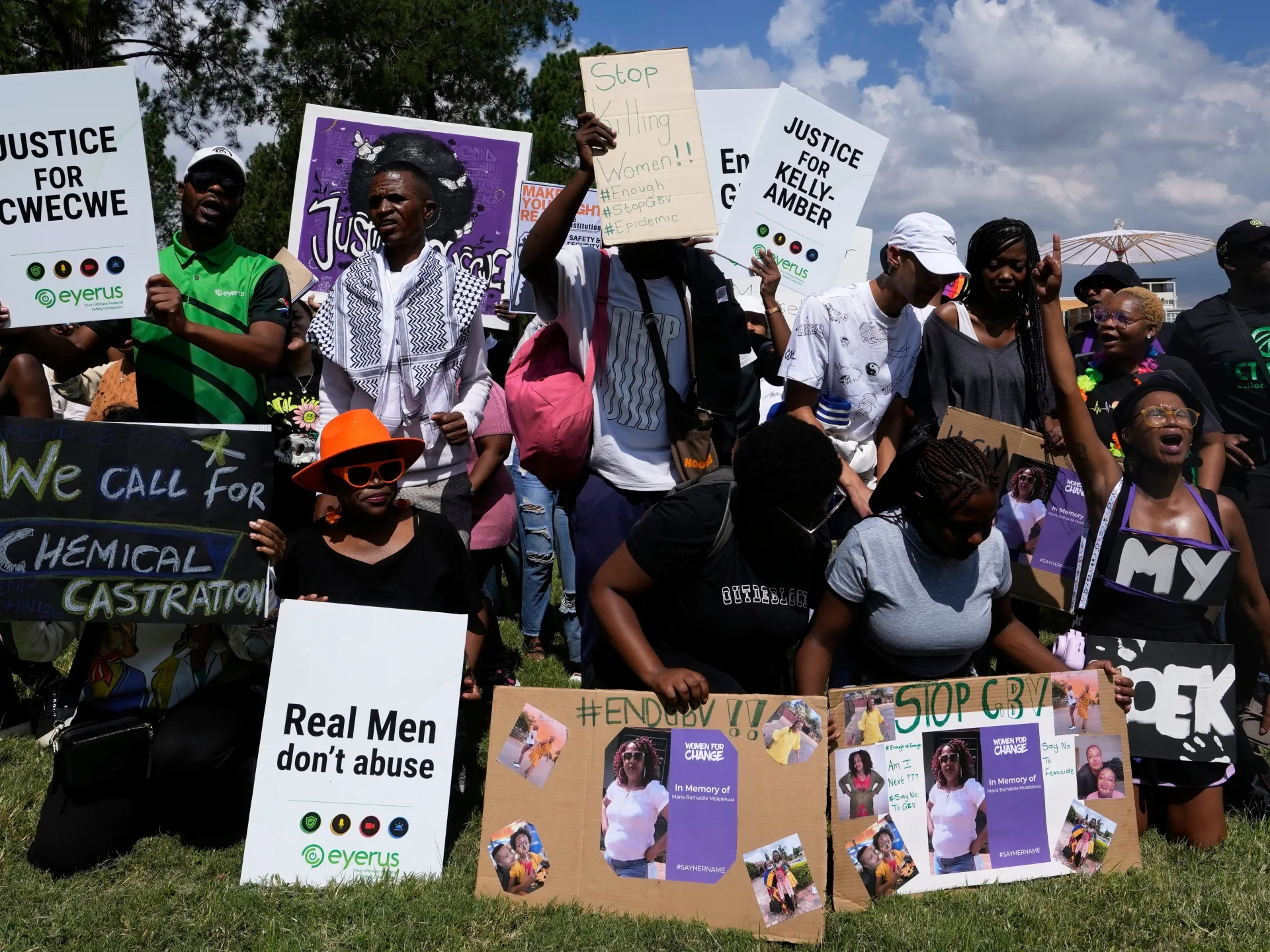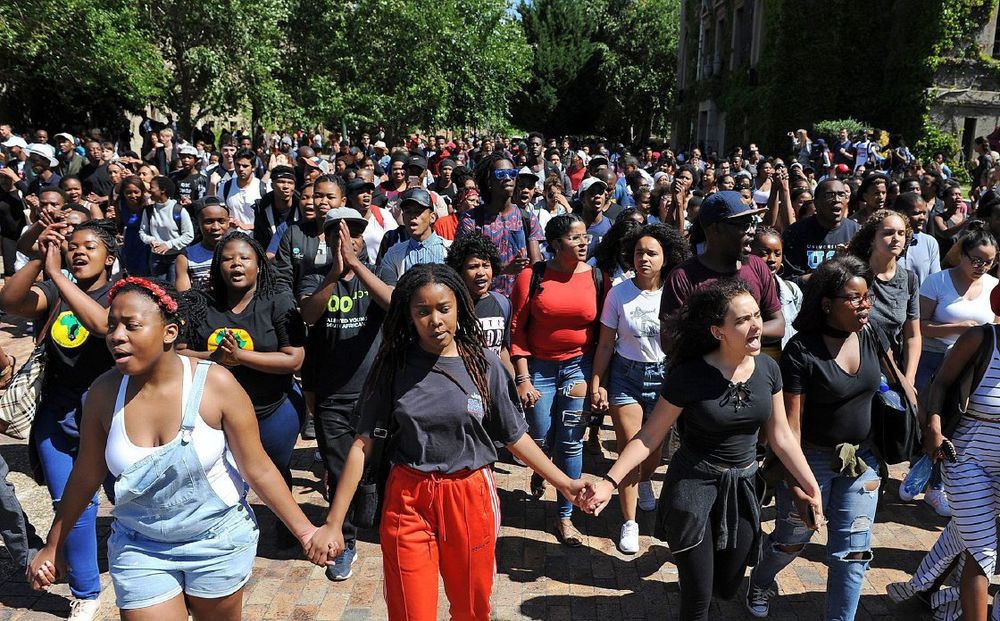
University of Cape Town students lead a protest march after a mass meeting at Jameson Hall, where they handed over a list of demands to the institution’s leadership. Led largely by women students, the march echoed the spirit of the 1956 women’s protest against apartheid pass laws, which helped shape South Africa’s political trajectory and the commemoration of Women’s Day.
There are mornings when a nation wakes differently. When history does not stroll or whisper but gathers itself, rises and walks into the open. Does so with intention. The morning of 9 August 1956 was one of those mornings.
Twenty thousand women crossed Pretoria’s winter light and approached the Union Buildings with a calm that felt like a warning. They did not come to plead. They came to declare. They came to insist that South Africa recognise what it had long refused to see: that women were not the footnotes of the struggle, but its spine.
To understand the power of that march, you must understand the world those women lived in. A world where Black women carried the weight of the country while being denied the right to stand upright.
A world where they raised families in the cracks of an economy designed to break them. A world where they worked in homes that were not their own, stitched together communities the state tried to tear apart, and navigated the double violence of apartheid and patriarchy.