Story audio is generated using AI
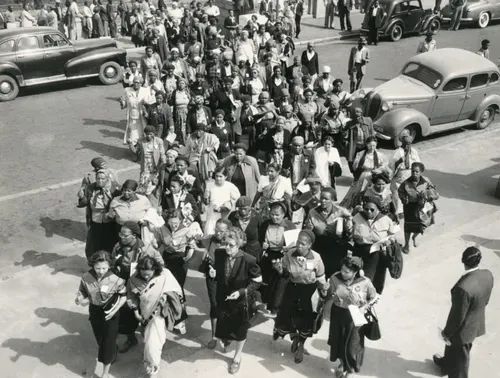
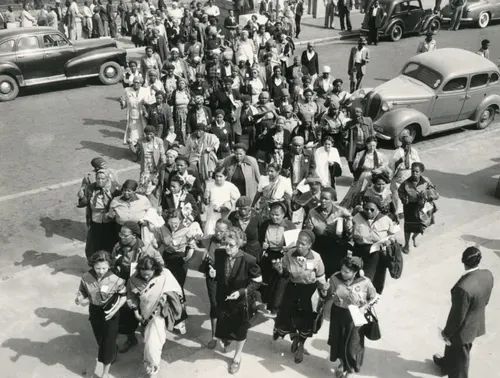
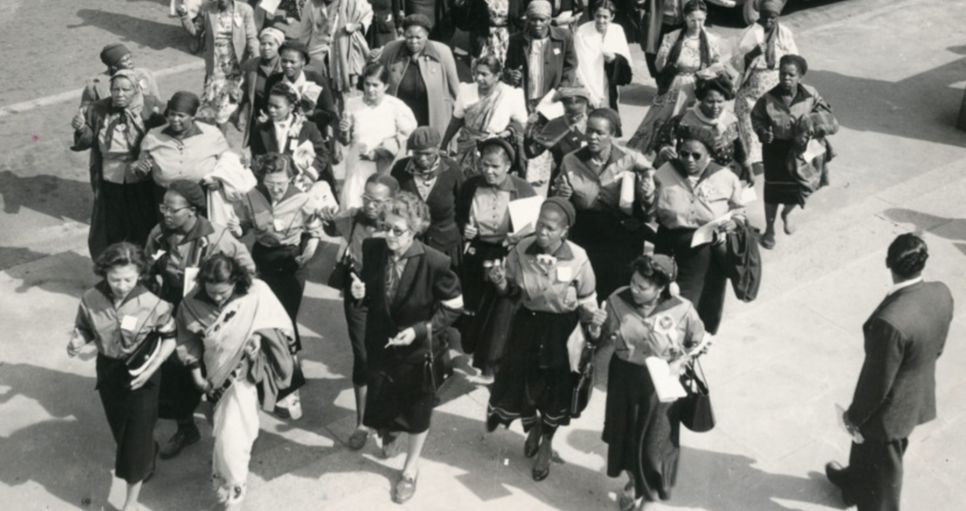
Every August, South Africa celebrates the extraordinary women who marched to the Union Buildings in 1956. Their courage challenged injustice and reshaped our country’s history, opening doors that had long been closed. Nearly 70 years later, however, I wonder whether we are asking ourselves the right questions.Much of our Women’s Month conversation centres on representation. We debate how opportunities should be shared, the number of women that should occupy leadership positions and how quickly we can transform industries that have historically excluded women. These conversations matter. But I worry that we have become so focused on distributing opportunities that we spend too little time creating them.This feels especially relevant this year as the country marks Women’s Month under the theme “Empowered women empower nations”. Gender justice cannot be achieved without economic growth that creates opportunities for women. The World Bank and many economists have shown that economies where women participate more fully are more productive, resilient and grow faster because women are both beneficiaries and drivers of economic growth. The opposite is also true. When economies stagnate, investment slows, businesses create fewer jobs and industries stop expanding. As opportunities become scarcer, women are often among the first to feel the impact. Economist Nthabiseng Moleko, who has worked extensively in the economic development landscape, has consistently highlighted the importance of strengthening women’s economic rights as a foundation for inclusive growth. I believe those rights become most meaningful when they are matched by an economy capable of creating real opportunity.That requires intentional investment in women through bursaries, targeted recruitment, leadership succession planning, mentorship, sponsorship and inclusive workplace cultures. Mentorship has played a defining role in my own career, and I believe empowering women in this way strengthens not only individuals but also the future of our industry.Simply reallocating a limited number of opportunities cannot, on its own, deliver economic justiceFor this reason, I believe South Africa needs to broaden the conversation. We must continue removing barriers to women’s participation, but we must devote equal attention to building an economy capable of generating more opportunities in the first place. Simply reallocating a limited number of opportunities cannot, on its own, deliver economic justice.Again, the mining industry illustrates this point well. Thirty years ago, women were banned from working underground. We received the right to vote before we received the right to work underground. Today, more than 70,000 women are helping shape one of South Africa’s most important industries. Women now work underground, operate heavy equipment, manage processing plants, lead billion-rand projects and head mining businesses. That progress deserves recognition, but it cannot be the finish line.The next frontier of transformation is creating more opportunity. That means developing new mines, expanding existing operations, improving logistics and strengthening the businesses that make up the mining value chain. Every investment that makes South African mining more competitive creates jobs, supports new businesses and opens more doors for women to build careers, develop expertise and realise their ambitions.We sometimes speak about mining and women’s empowerment as though they are separate conversations. They are not. A growing mining industry creates opportunities not only for geologists and engineers but also for entrepreneurs, technology companies, logistics providers and countless other businesses across the value chain. As these opportunities expand, so too does women’s participation.Throughout my career, I have worked alongside remarkable women who have become engineers, metallurgists, mine managers, operators and entrepreneurs. None of them asked for success to be handed to them. They simply asked for the opportunity to participate, compete, contribute and grow. If we are serious about building resilient economies for all, then we must be equally serious about creating the conditions for growth. Every investment strengthens our economy and expands opportunities for women.Lilian Ngoyi, Helen Joseph, Rahima Moosa, Sophia Williams-de Bruyn and Frances Baard, the women who led that historic march, did so to demand dignity, freedom and equal opportunity. Our responsibility today is different. It is to build an economy capable of turning those aspirations into reality.There is no contradiction between economic growth and gender justice. It is a virtuous cycle. If we want women to lead businesses, create wealth and transform communities, then we must also create an economy that gives them more opportunities to do so. This, to me, is what “Empowered women empower nations” should truly mean.Zikalala is CEO of Kumba Iron Ore