This Women's Month, we must confront the uncomfortable truth: women's unpaid labour sustains our economy, yet their struggles remain invisible. It's time to transform praise into action and address the systemic inequalities that burden women.
Every failed public service generates an invoice. In South Africa, that invoice is often sent to a woman.
When childcare is unaffordable, someone must remain at home. When a clinic is inaccessible, someone must care for the sick. When food runs short, someone must decide how to stretch what remains. That person is disproportionately likely to be a woman.
"Women's work" does not appear in government budgets, municipal reports or national accounts. It is described as duty, motherhood, sacrifice or, especially during Women's Month, resilience. But South Africa must confront an uncomfortable truth: the country is sustained by an invisible welfare system financed through women's unpaid time, labour, health and lost opportunities.
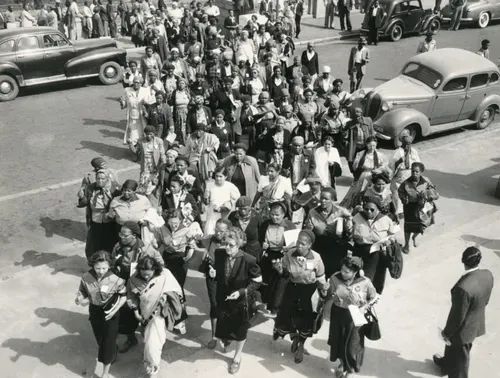
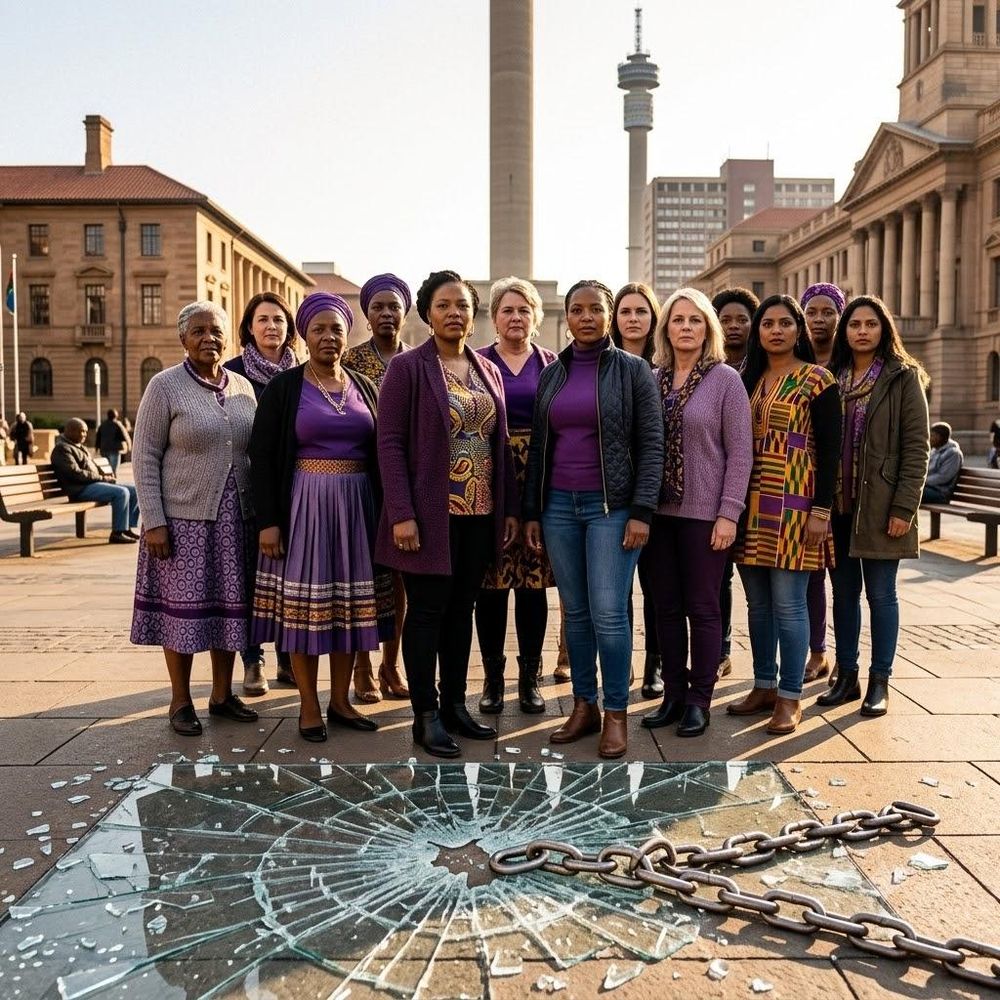
Every year, South Africa honours the women who marched to the Union Buildings on 9 August 1956. Yet their legacy should compel us to do more than praise women's strength. It should require us to examine why women are still expected to carry burdens created by unequal households, inadequate public services and an economy that undervalues care.