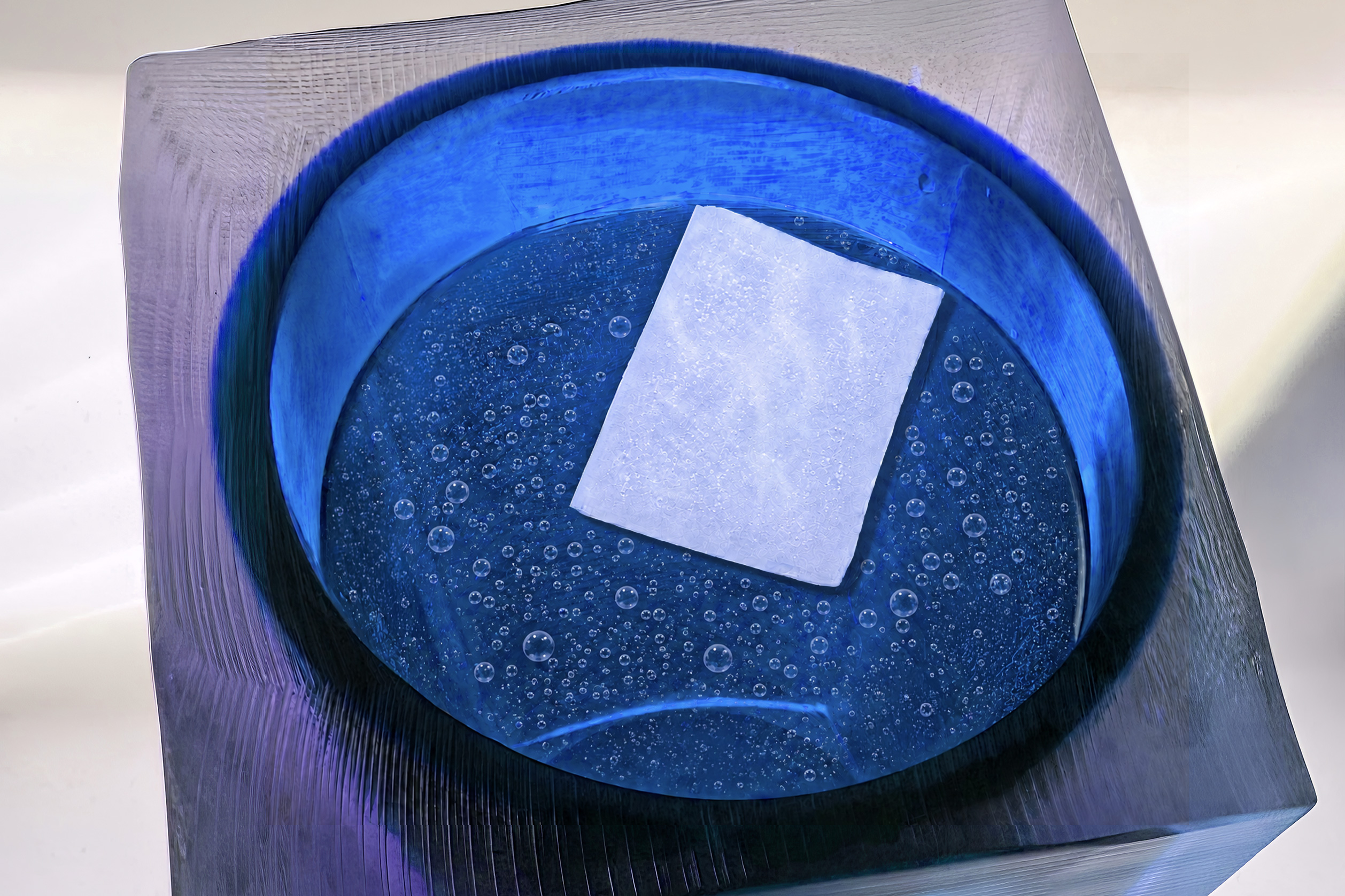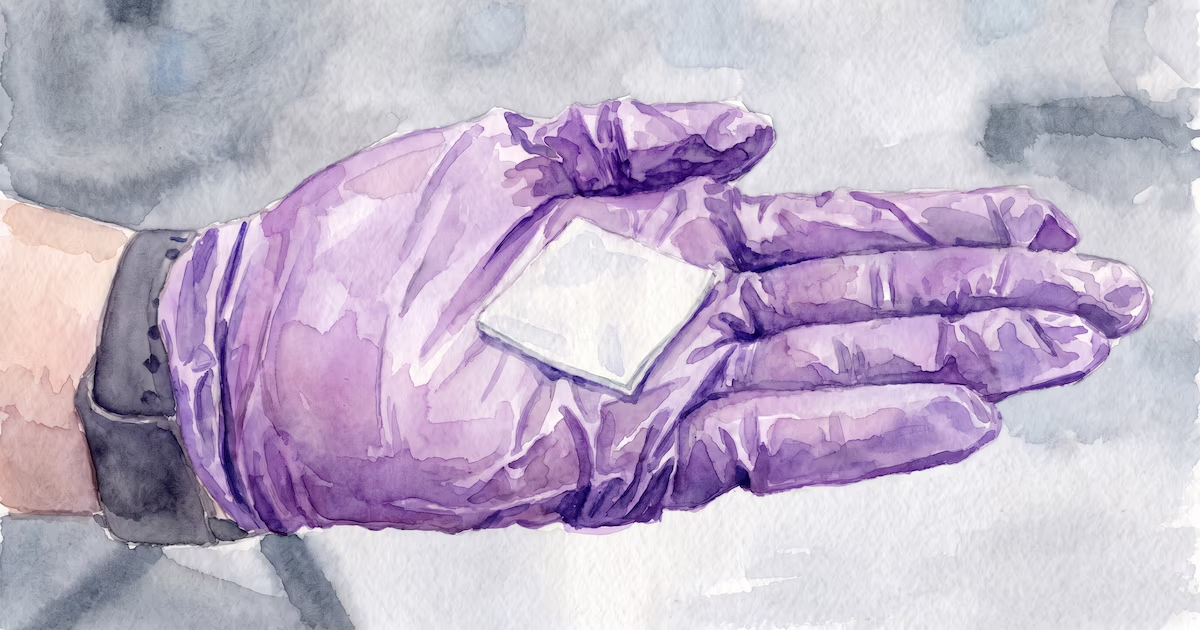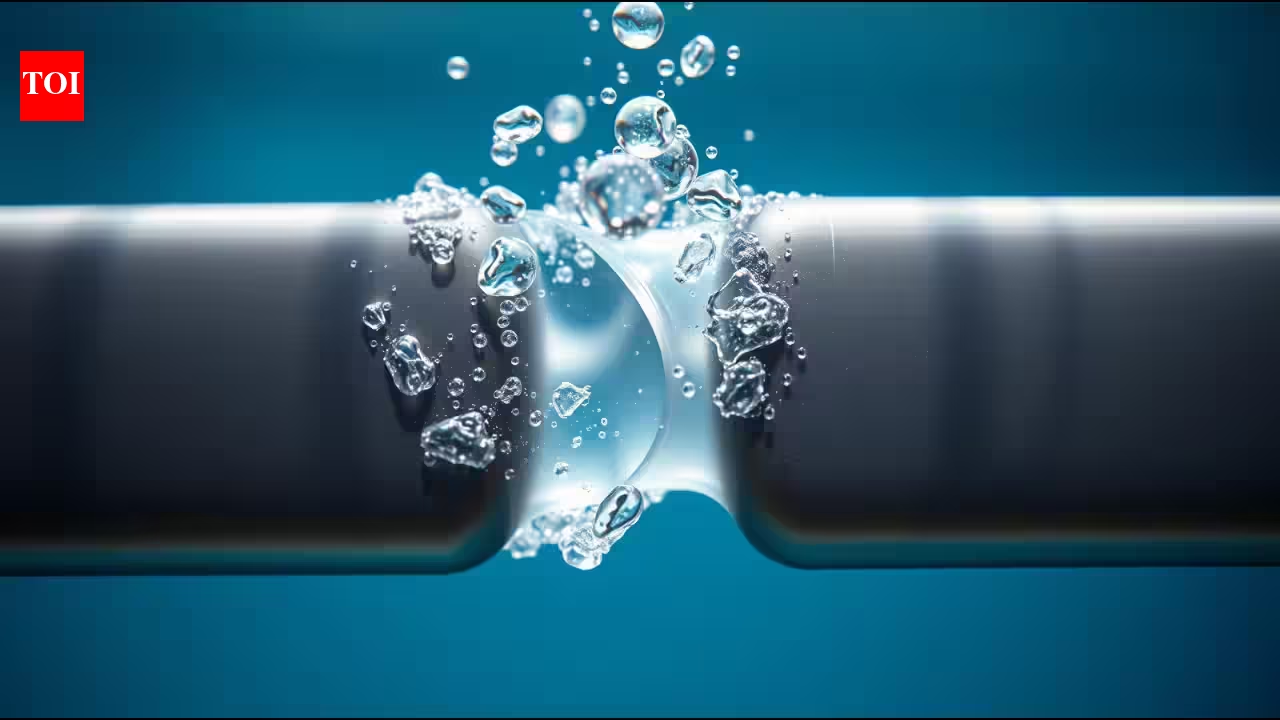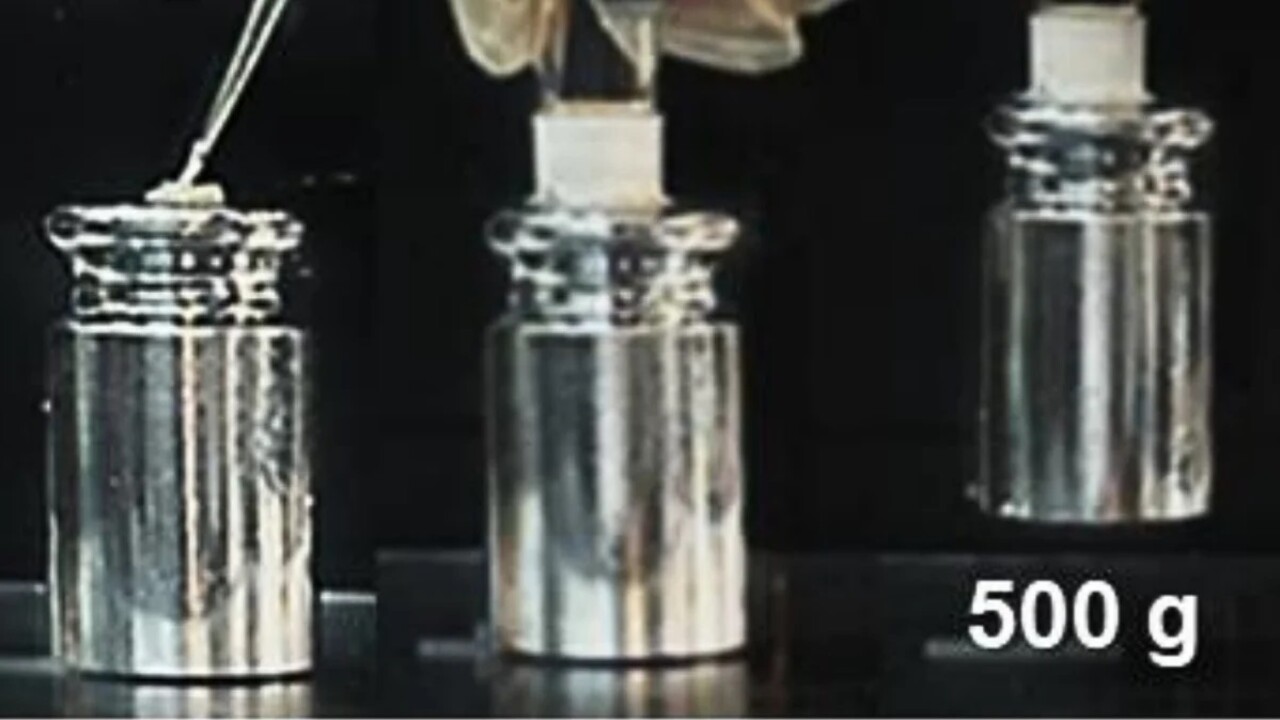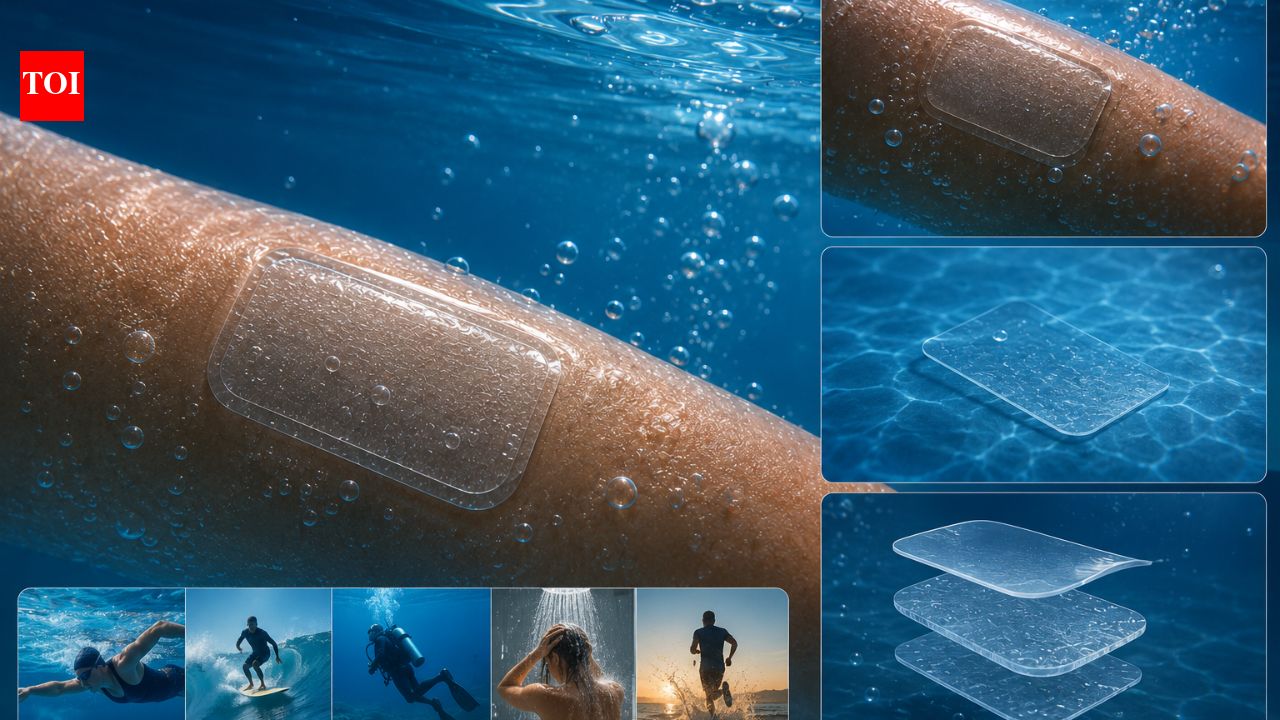
Imagine a material that can cling firmly to wet surfaces, repair itself after being damaged and remain flexible under demanding conditions.
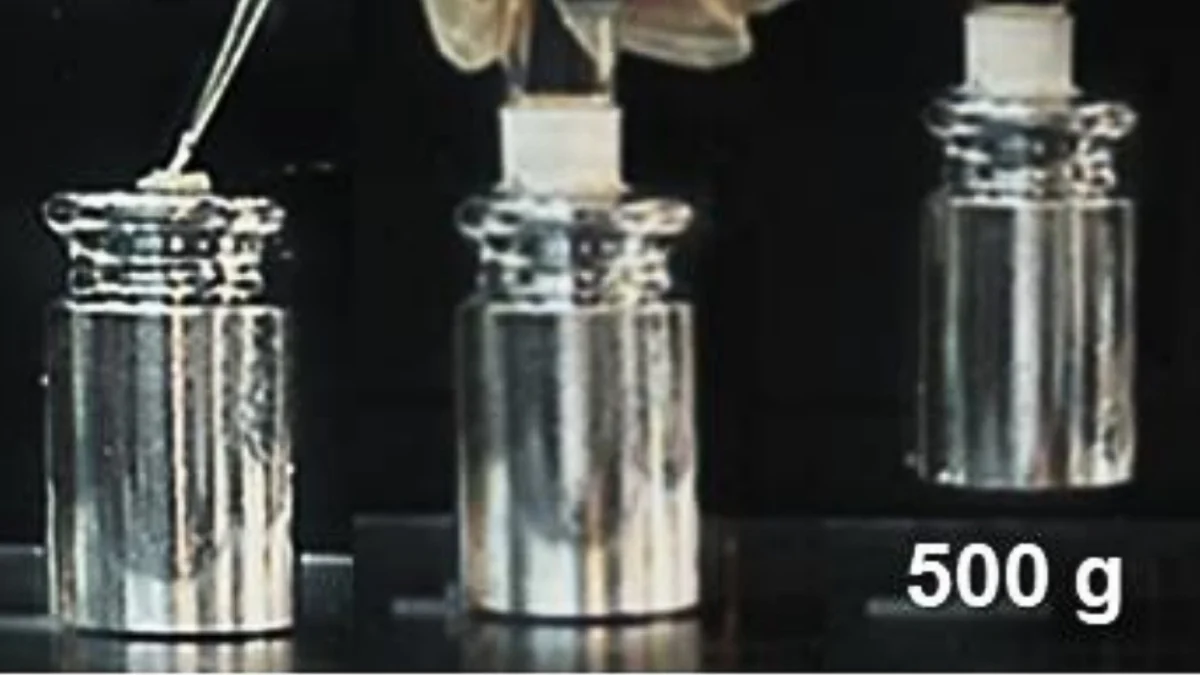
That vision has moved closer to reality thanks to researchers in Japan, who have developed a new AI-designed super-adhesive hydrogel with exceptional underwater bonding strength.
The breakthrough combines machine learning with laboratory experiments to identify the ideal chemical composition for a hydrogel that is both highly adhesive and remarkably durable.
Unlike conventional trial-and-error methods, the researchers used artificial intelligence to accelerate the discovery process, producing a material with record-setting adhesion and impressive self-healing properties.
The innovation could pave the way for safer medical adhesives, soft robotic components, wearable electronics and underwater repair technologies, demonstrating how AI is transforming the future of materials science.How Japanese scientists used AI to create a super-adhesive hydrogelHydrogels are soft, water-rich polymer networks widely used in biomedical engineering, tissue repair and drug delivery.