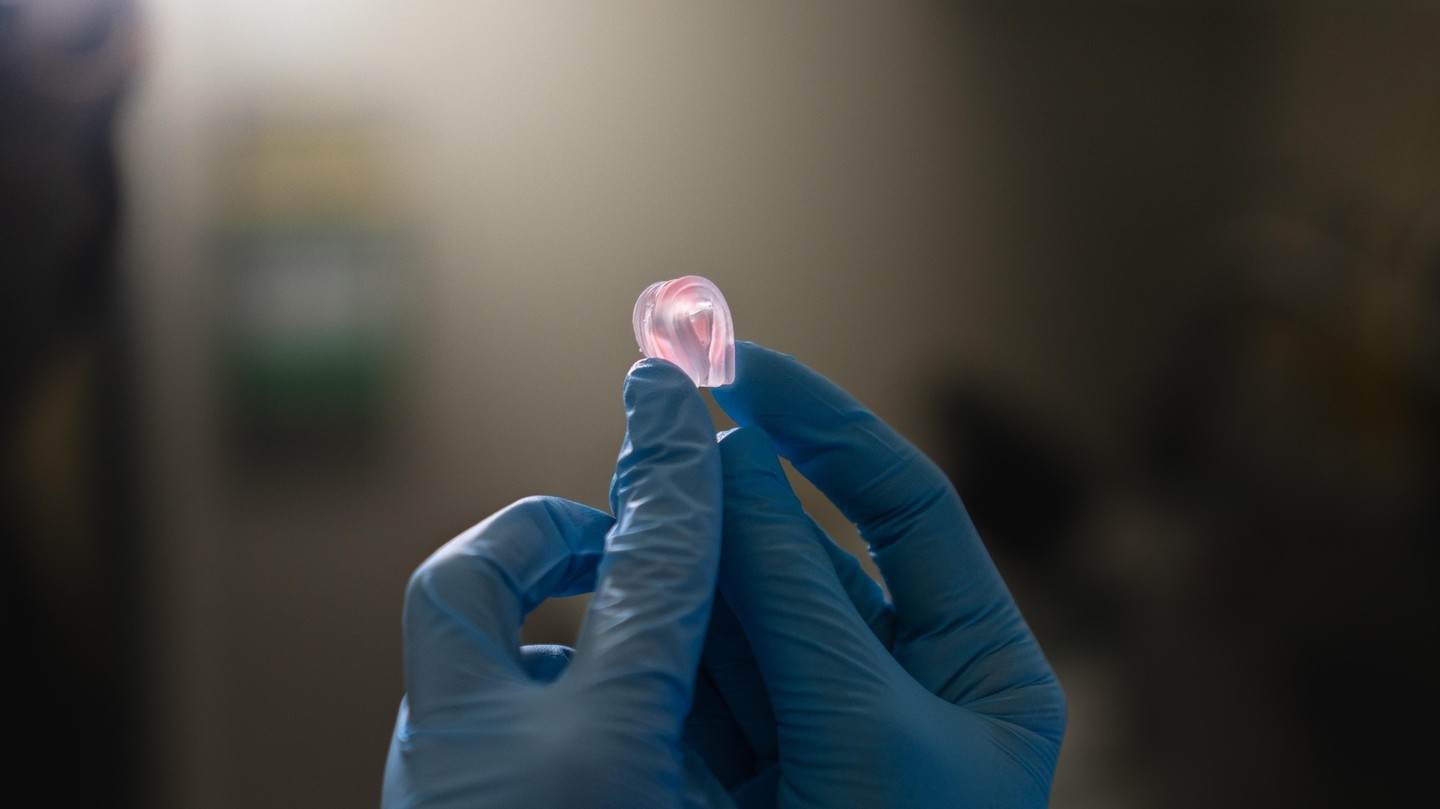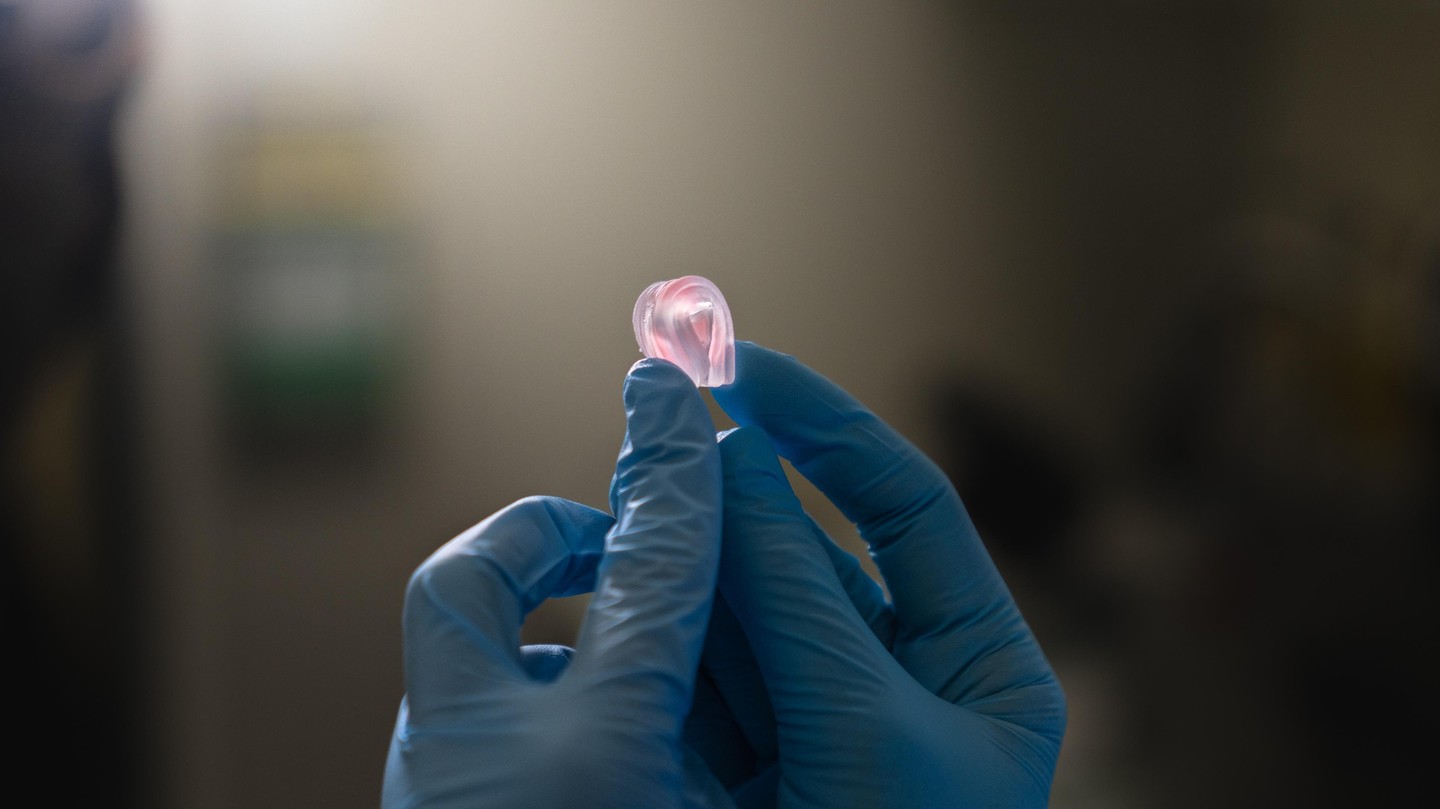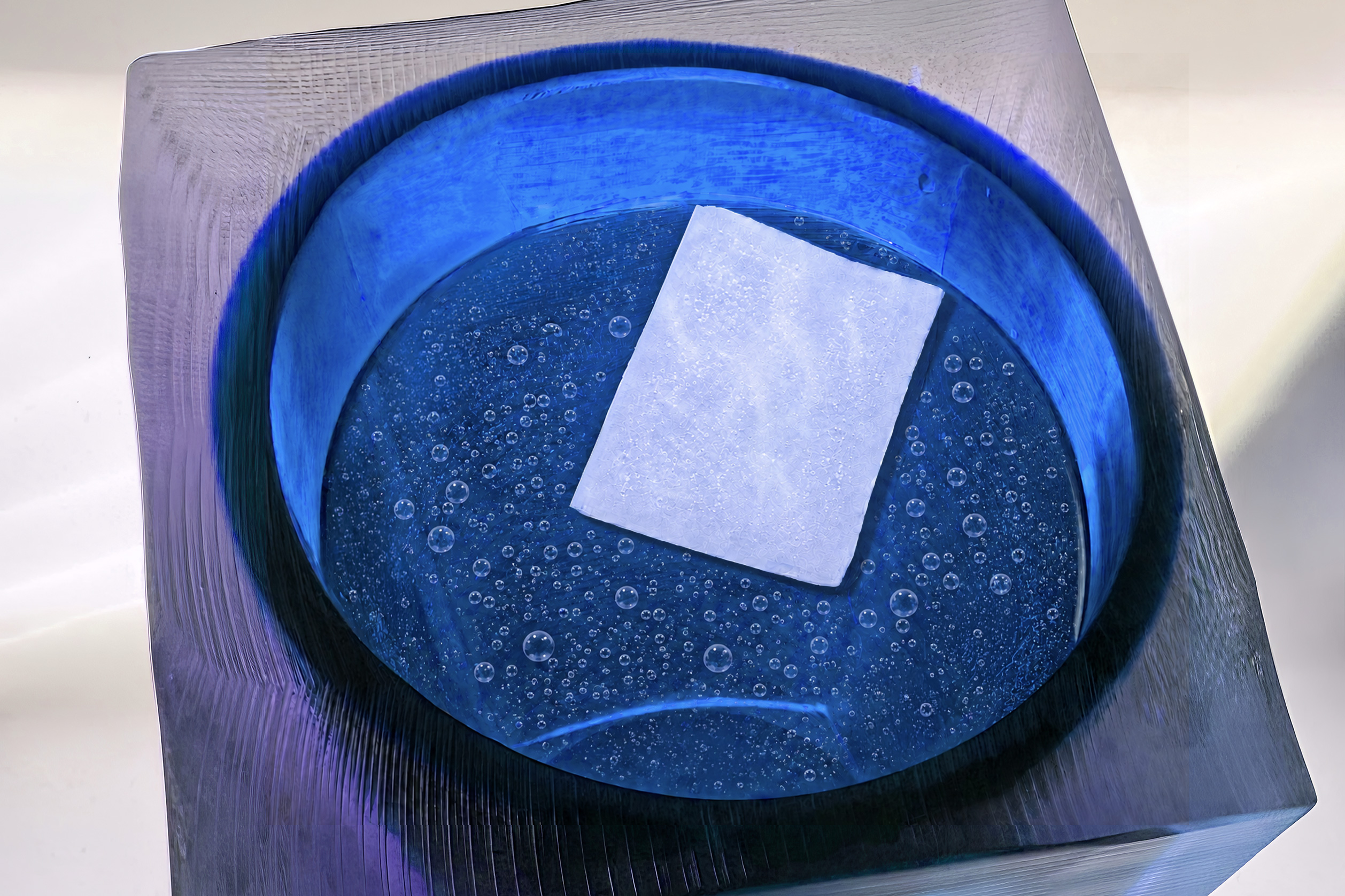
A silicone material called PDMS has become foundational to technologies ranging from soft robots that safely grasp fragile objects to wearable sensors that flex naturally with the body. The material is prized for its flexibility, durability, and biocompatibility but despite its widespread use, creating intricate and arbitrary microscale structures of it has been a manufacturing challenge—until now.
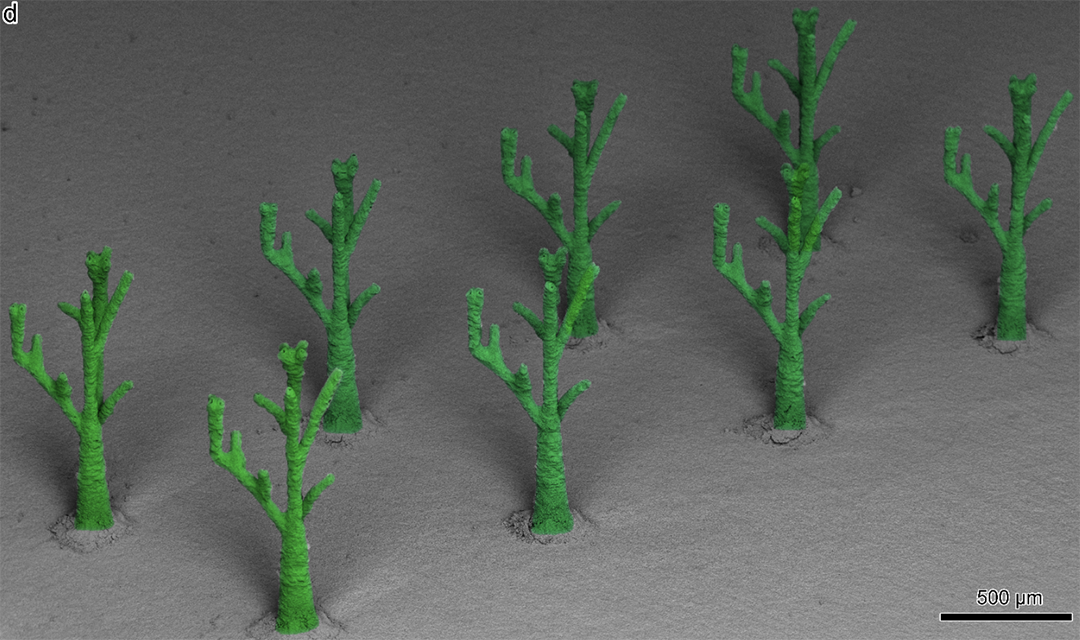
Researchers at Carnegie Mellon University have developed a way to print detailed 2D and 3D PDMS architectures with remarkable precision using aerosol jet printing. This creates new possibilities for soft electronics, biomedical devices and next-generation robotics.
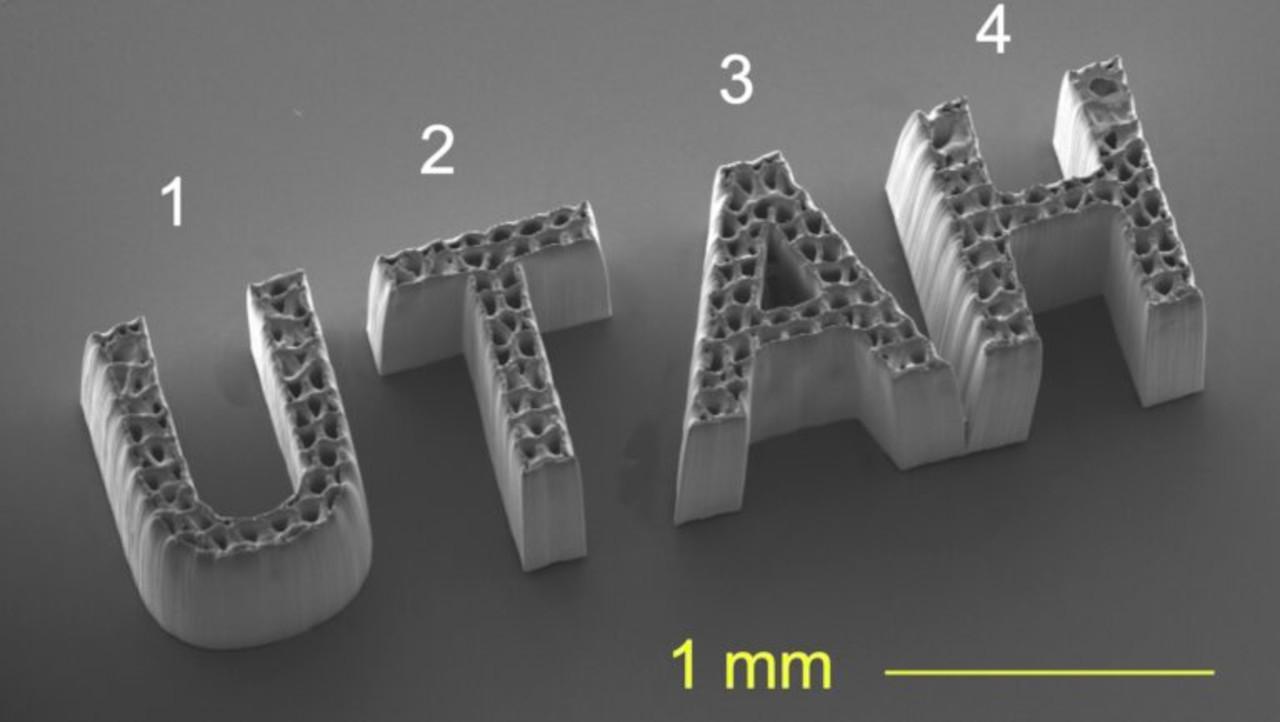
Published in npj Advanced Manufacturing, the study demonstrates how the team successfully fabricated everything from microscopic lines and pillars to complex lattices and soft microfluidic channels without the molds and labor-intensive fabrication steps typically required in soft material manufacturing.
The work was led by Rahul Panat, professor of mechanical engineering, and Swastik Kushagr, Ph.D. candidate in Panat’s lab, alongside collaborators across materials science and robotics.
\