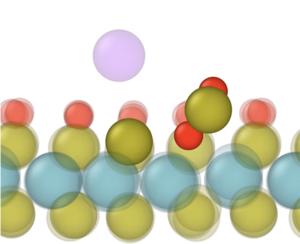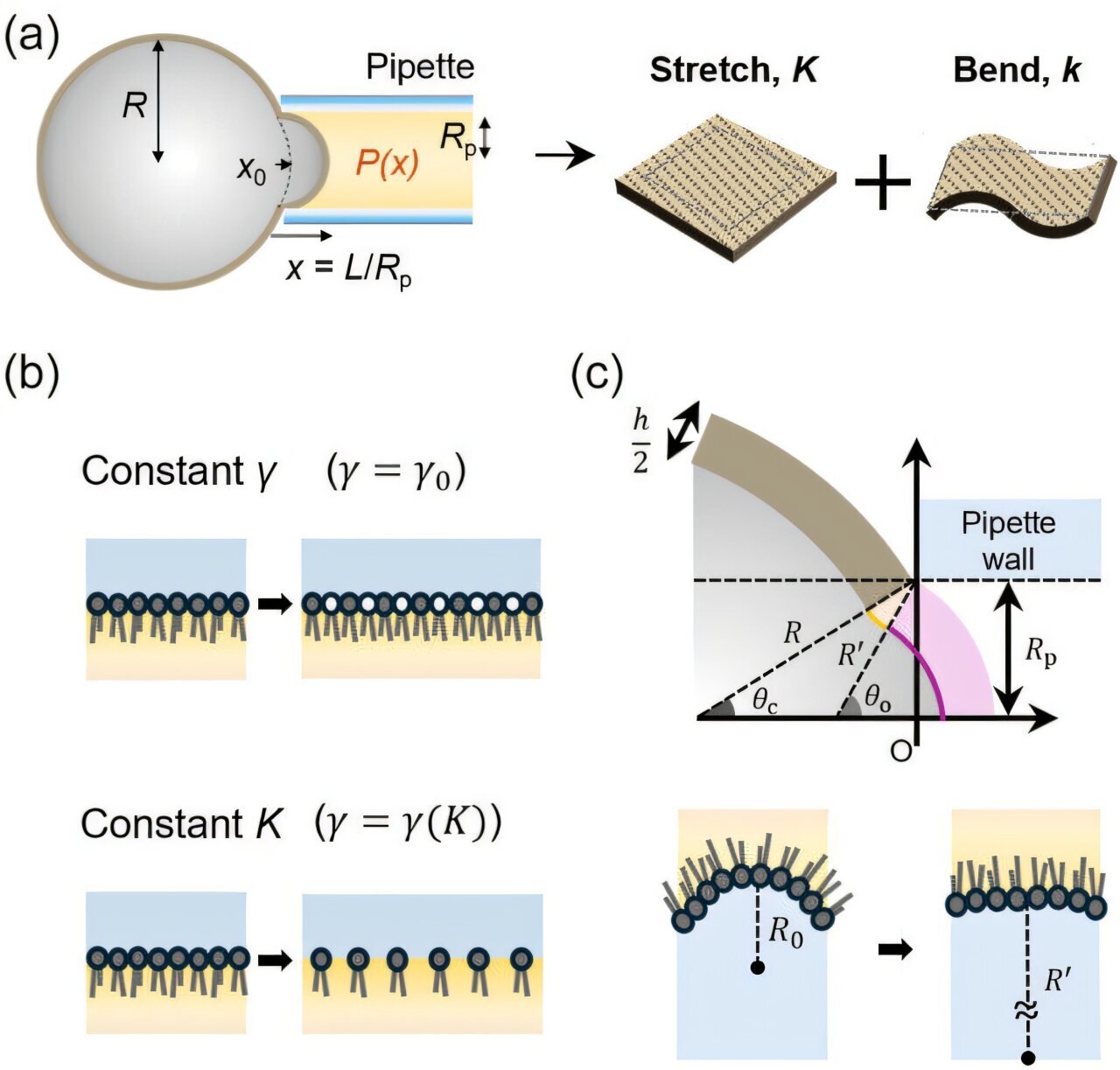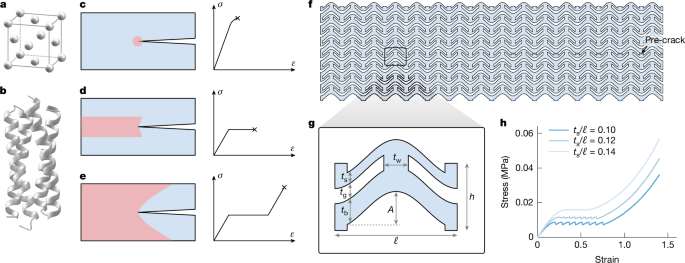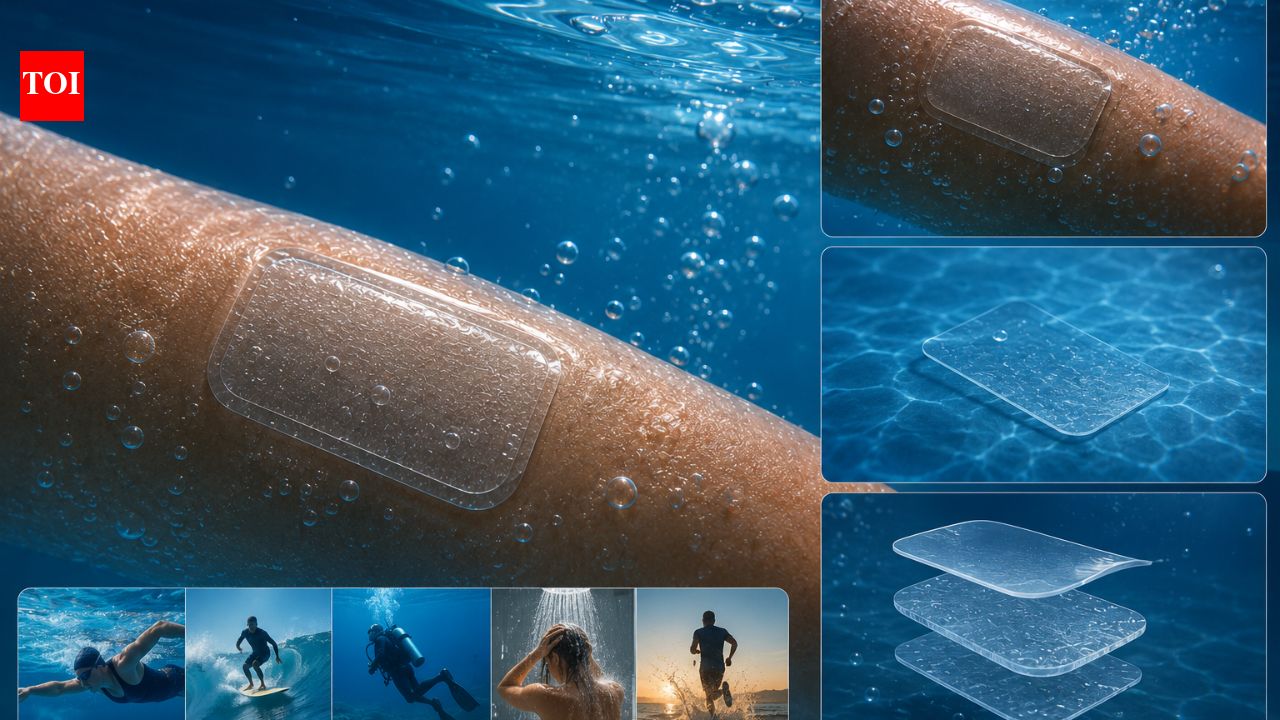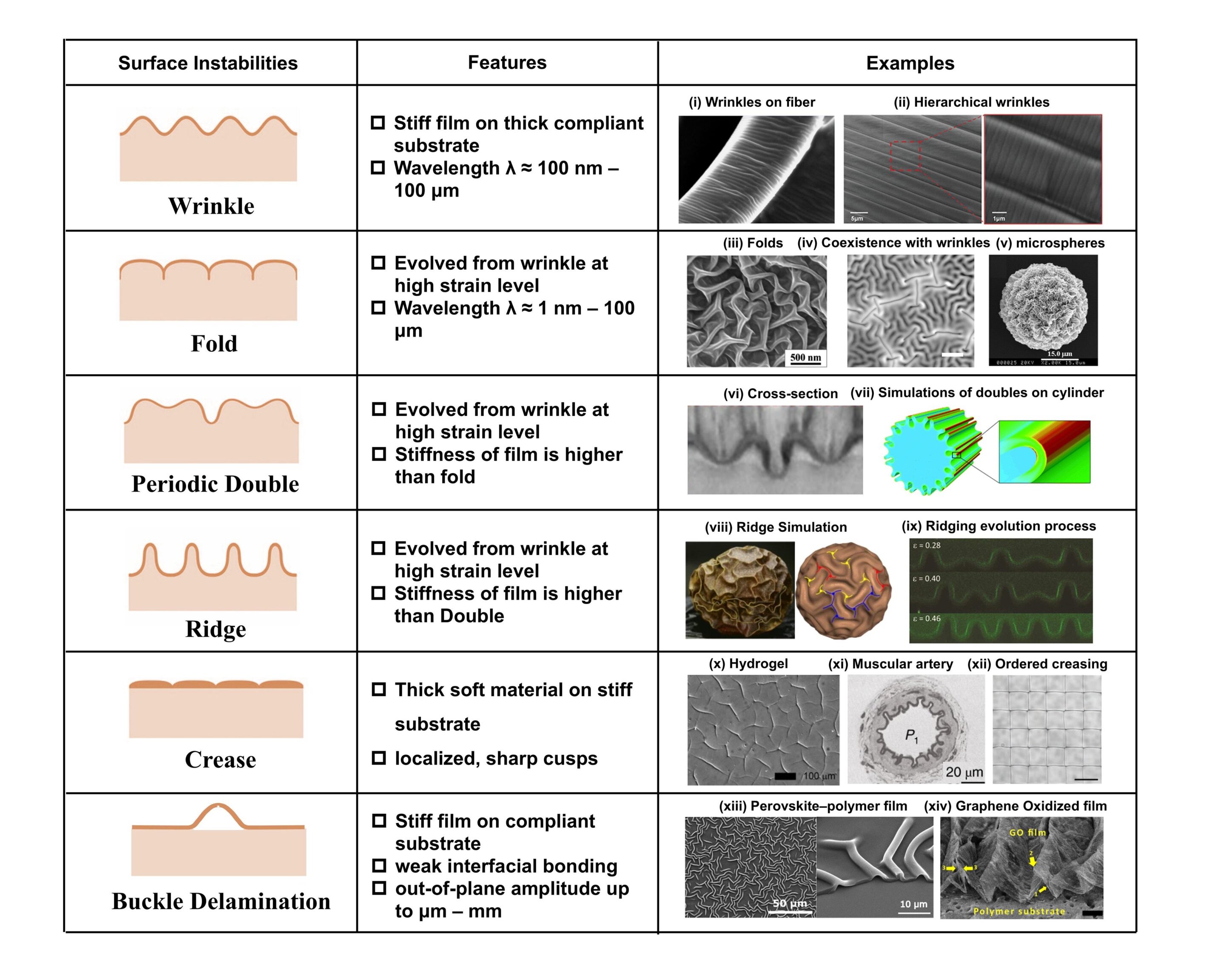
In a recent collaborative study, researchers from Lingnan University propose that naturally formed surface textures in materials could in future be combined with AI-assisted design to develop novel functional materials. Credit: Lingnan University
Wrinkles or dents appearing on material surfaces are often regarded as signs of damage or deformation. In a recent collaborative review paper published in Nano-Micro Letters and titled "Harnessing Surface Instabilities for Functional Materials: Mechanics, Morphology, and Emerging Applications," researchers from Lingnan University propose that naturally formed surface textures in materials could in the future be combined with artificial intelligence (AI)-assisted design to develop novel functional materials.
The technology could support applications in intelligent anti-counterfeiting, artificial organs and stretchable batteries.
The cross-institutional research team from the Wu Jieh Yee School of Interdisciplinary Studies (WJYSIS) at Lingnan University, Beihang University and Northeastern University reviewed international advances in functional materials research and proposed a new technological design framework.
This aims to transform surface features traditionally regarded as signs of aging or damage—such as microscopic wrinkles, folds and deformation structures—into "functional structures."