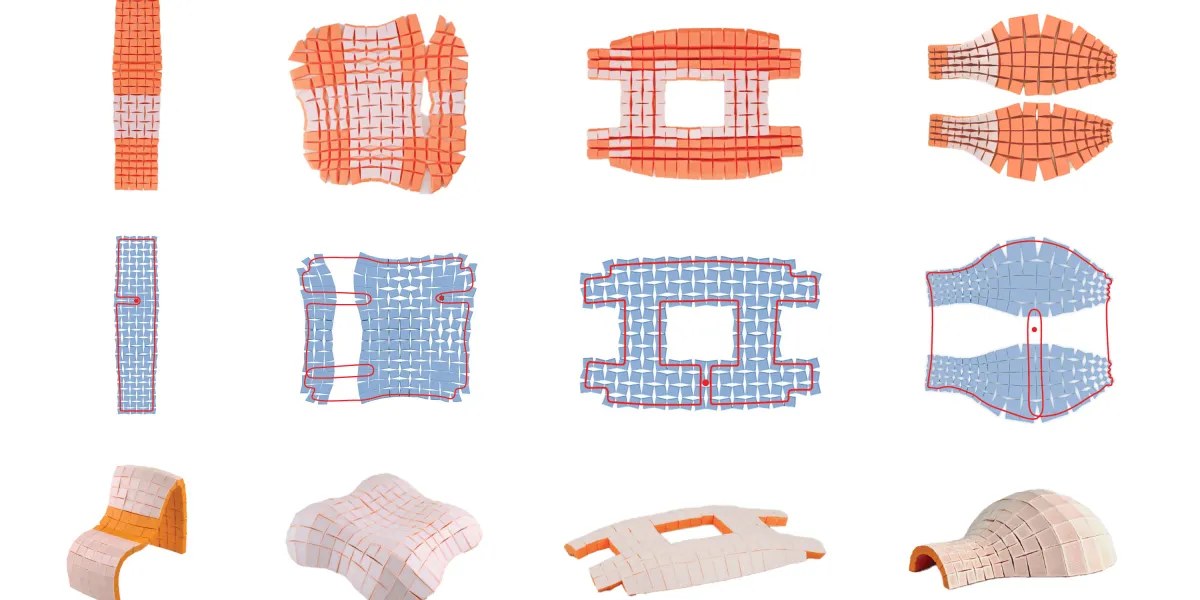
Screams filled the laboratory – screams, thankfully, of joy. Akib Zaman, a PhD candidate at Massachusetts Institute of Technology (MIT) had just made a mini chair appear, seemingly out of nowhere.
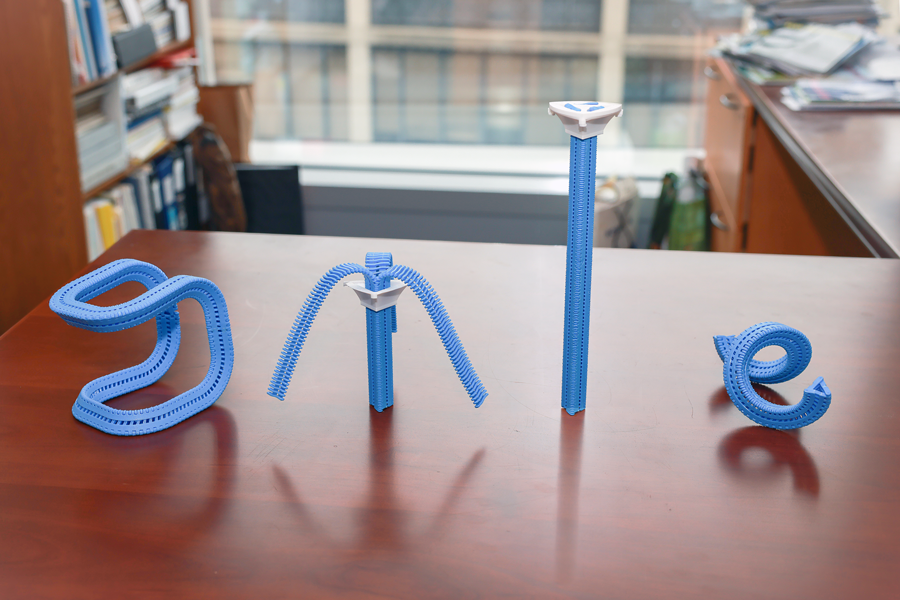
He had pulled a thread attached to a flat, rectangular piece of waffle-like material segregated into dozens of wonky-looking square tiles. With that careful pull, the slab compressed together, suddenly stood up, and took on the shape of a tiny, curvy, modernist-style chair.
After months of work, it was the first time he and one of his fellow researchers had seen their idea come to life. "That was a great moment," recalls Zaman. "We were both excited – we screamed."
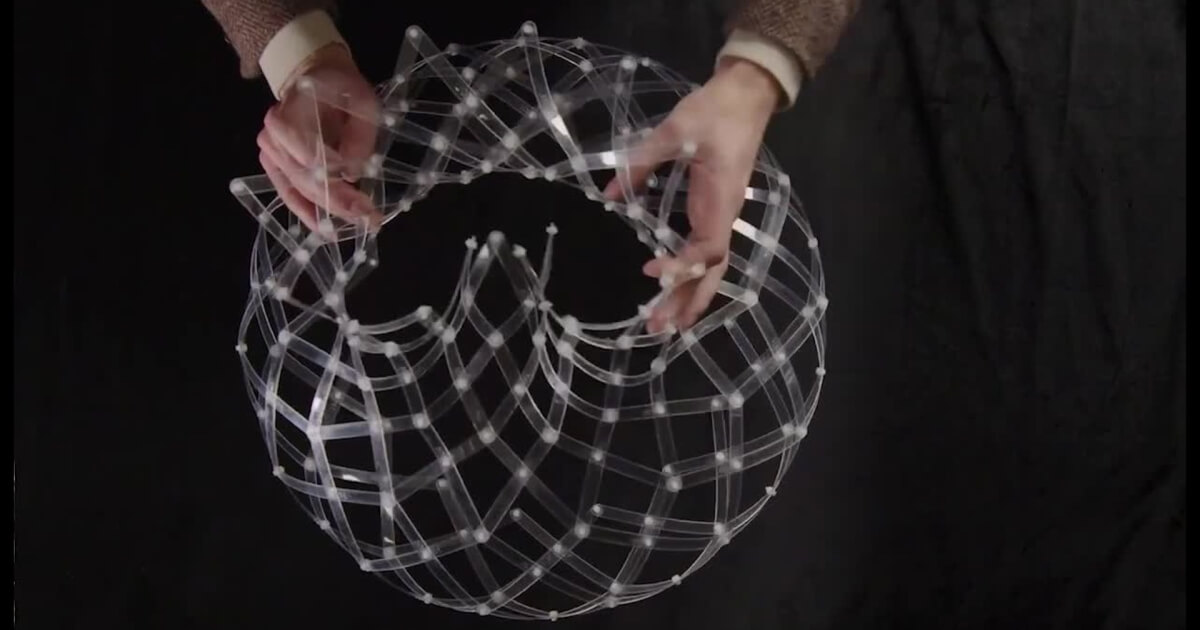
Zaman was inspired by the Japanese art form kirigami, like origami but instead of merely folding paper to achieve a 3D shape, kirigami also involves cutting.
It's often used to make paper pop-ups. Both origami and kirigami have influenced engineers for many years. These techniques can enable materials to behave in surprising ways – but finding useful applications for them has long been a challenge.