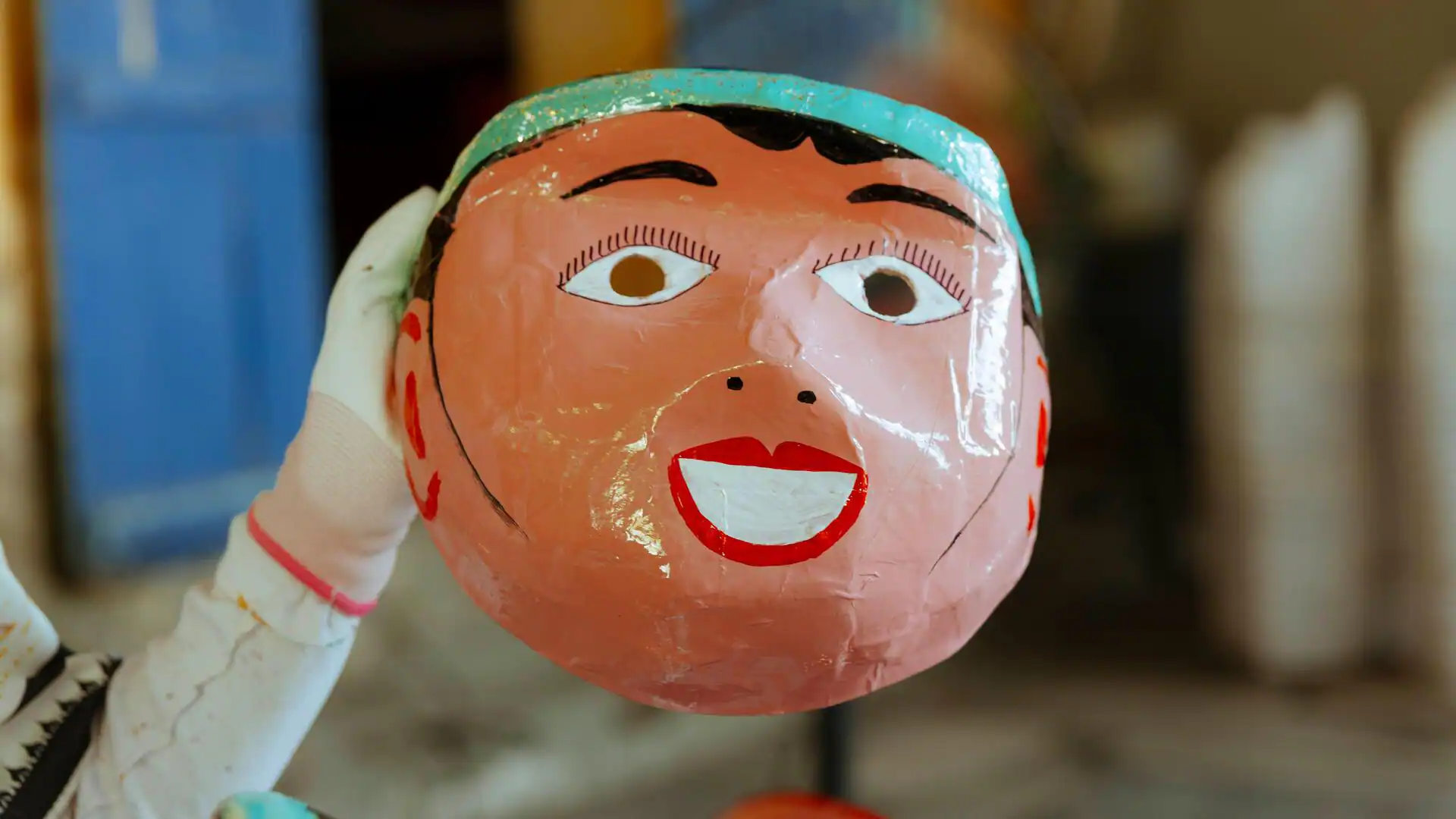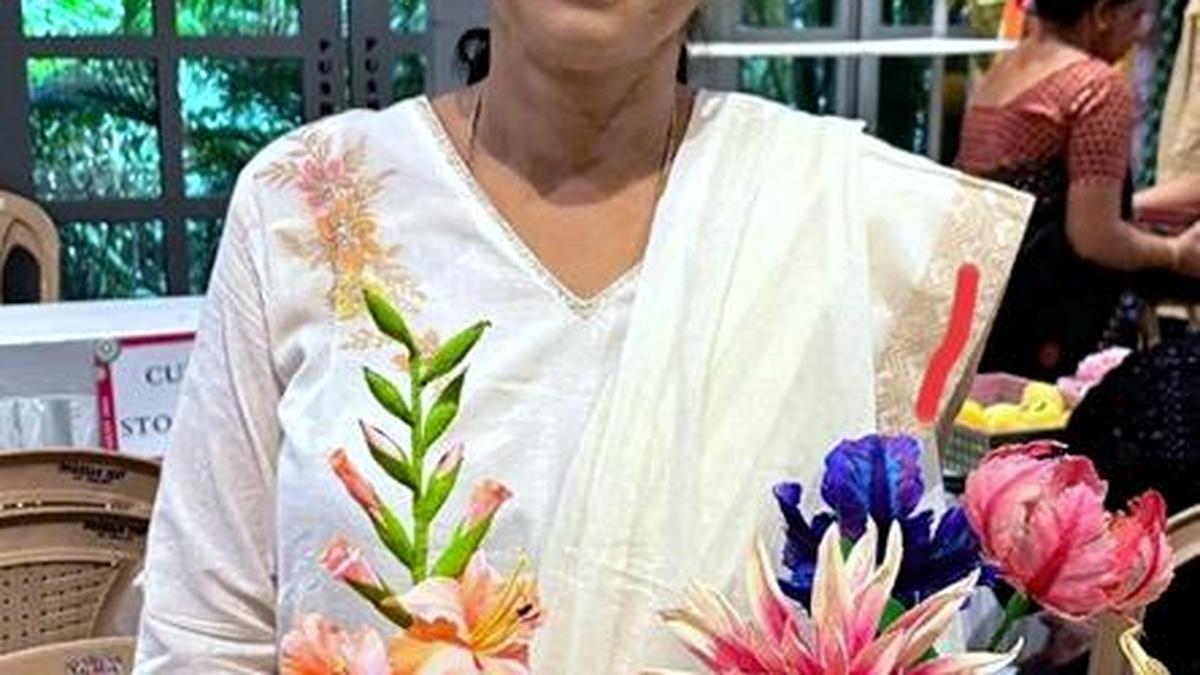
Six years ago, designer Vaishnavi Walvekar was walking through a bazaar in Delhi when a bowl caught her eye. Picking it up, she was surprised by its lightness. “It was Kashmiri papier-mâché,” she says, describing how artisans in the disputed Asian region have created wares from waste paper pulp and rice flour for hundreds of years. Intrigued, she asked the market trader how she could learn the craft herself: “He said, ‘Come to Kashmir, and you can work with me.’ And that’s precisely how my journey started.”
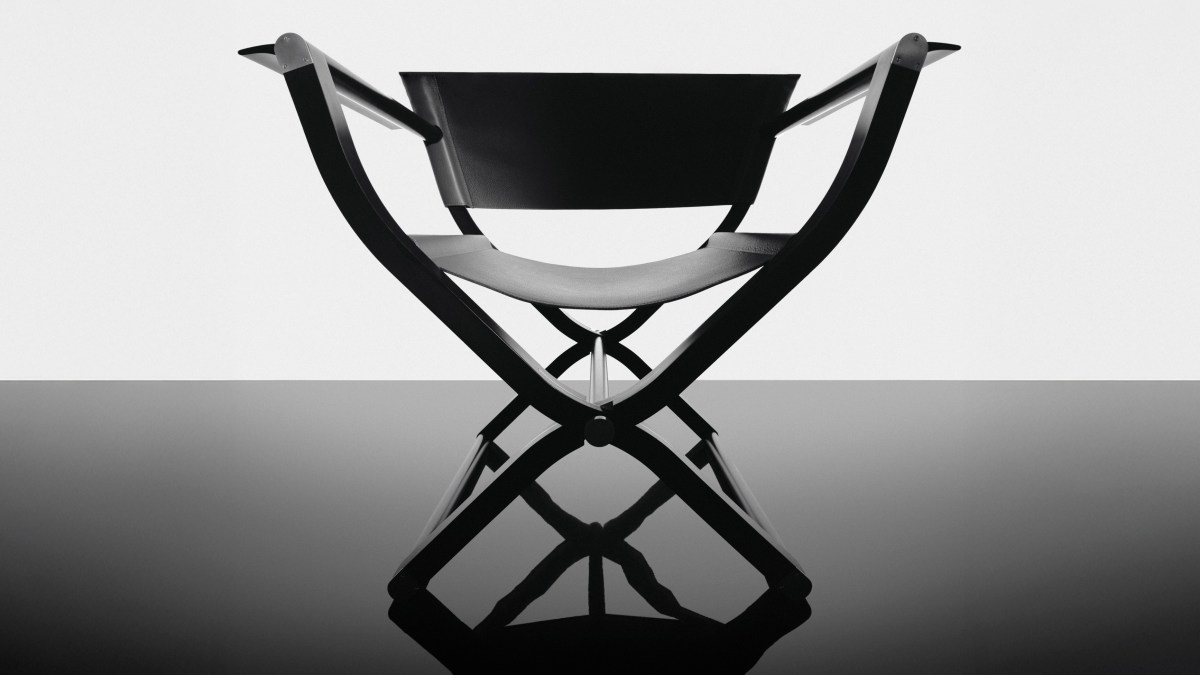
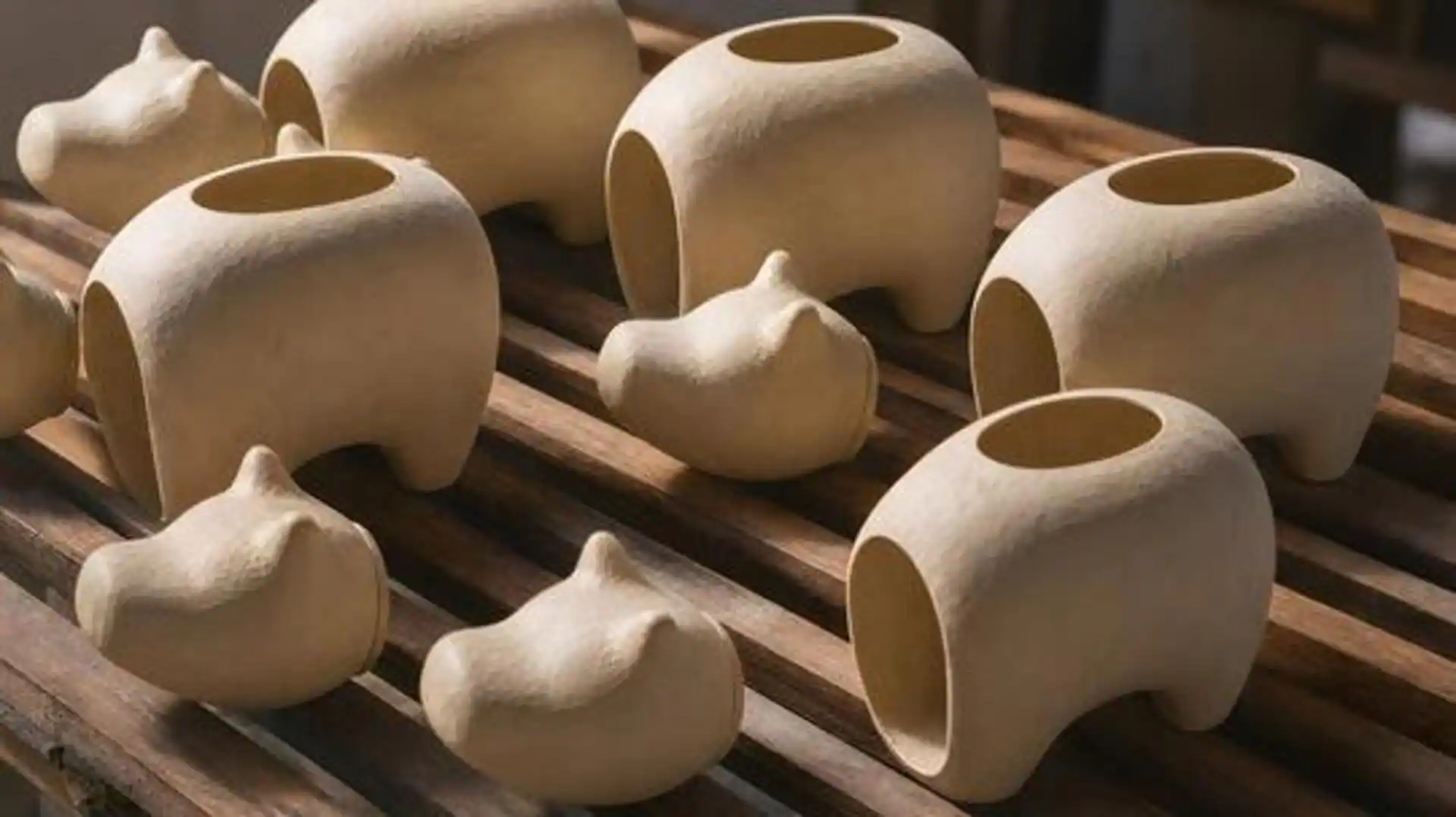
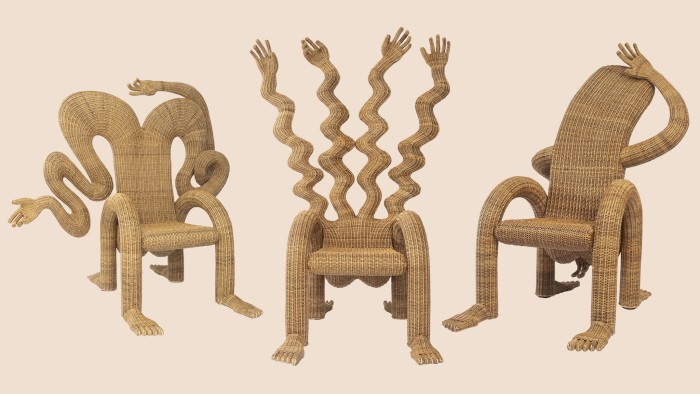
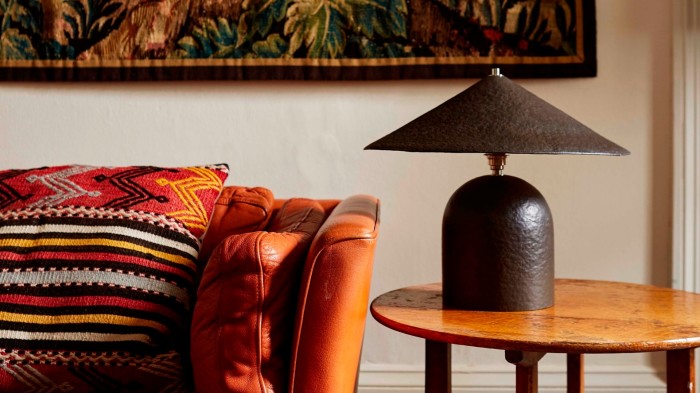
Mention papier-mâché and most people will think of misshapen creations pasted around balloons by schoolchildren. Luxury papier-mâché may sound like an oxymoron. But in the hands of contemporary designers such as Walvekar, the craft is being reinvigorated. Their furniture and homeware constructed in paper pulp (“papier-mâché” is simply “chewed paper”) draw on the material’s long history to embrace both its sculptural potential and sustainability credentials.
Walvekar now creates her own papier-mâché works under the name Vāhe Ensemble: mirrors, sculptures, lamps and seating in organic, colourful and often rippling forms, all made from Delhi’s waste office stationery. While Kashmiri papier-mâché uses clay moulds to produce hollow forms, Walvekar builds her pieces freehand in layer upon layer of paper pulp. The results are robust: “People aren’t aware of how rock solid papier-mâché can be,” she says.