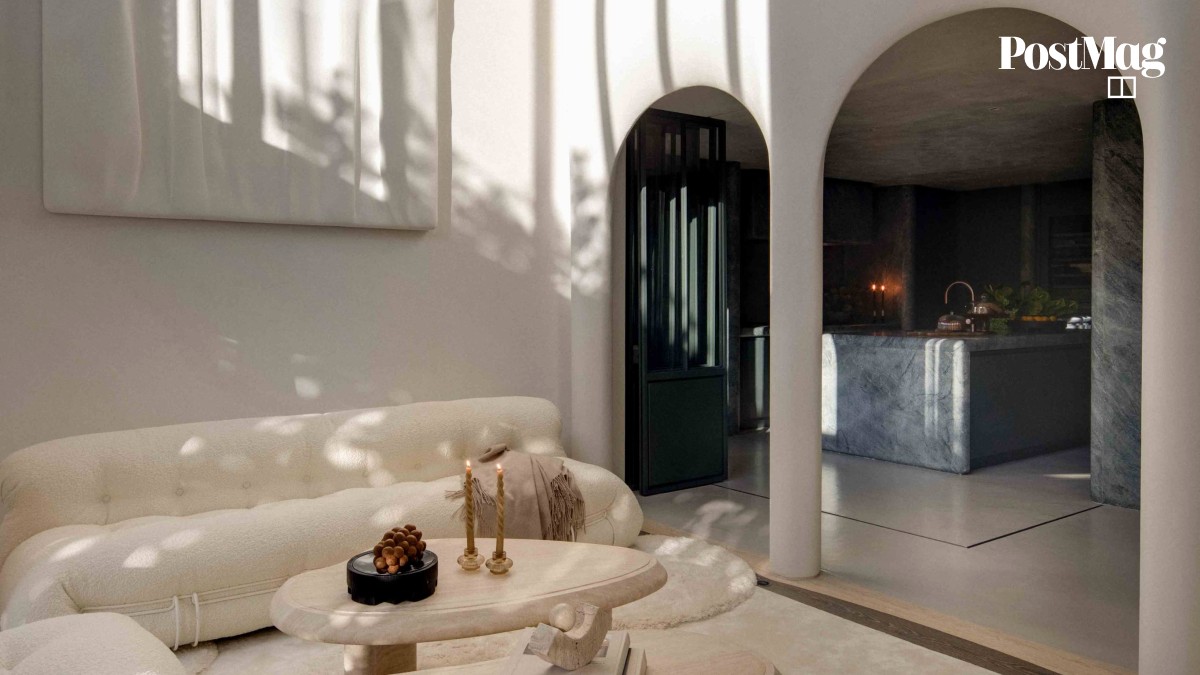
As the clay-plaster walls of architect Josh Piddock’s north London apartment were drying, he decided to inspect the finish. Captivated by its tactility, he could not resist touching the “sandcastle”-like surface. The deep fingerprint he left behind doesn’t bother Piddock. It only adds, he says, to the perfectly imperfect appeal of his interior; the natural tones and textures a gentle nod to the golden London stock brick of the 1920s home.
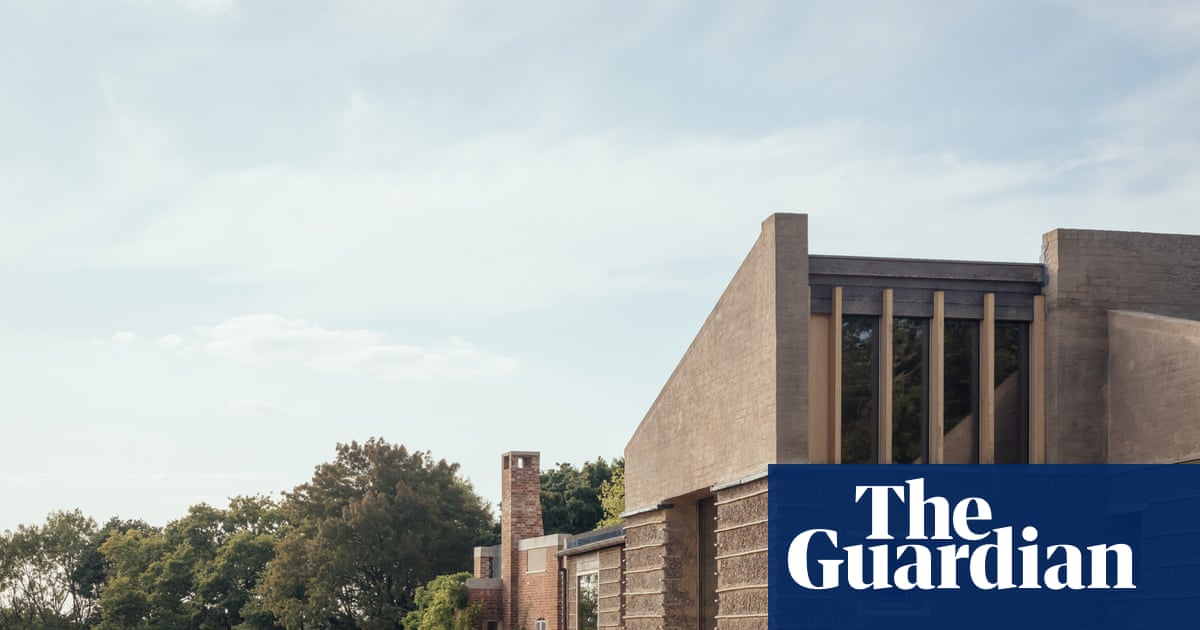
Usually associated with traditional rural buildings, clay plaster — a mix of sand, natural fibres and earth — is a niche finish sold by just a handful of suppliers in the UK. But as architects and designers rediscover the ecological — and aesthetic — perks of homegrown earth-based materials, perceptions are shifting. It is now a high-end choice for apartments, town houses or swish new-builds.
The Mondrian-like grid of burnt orange, parchment and dove-grey tones at the home of Studio Merlin architect Josh Piddock © Richard Chivers
When Cornwall-based Adam Weismann founded specialist supplier Clayworks in 2010, he encountered scepticism. “Ironically, it can feel too natural for some people. They were worried it might fall off the wall. Part of our job was to educate.” His mission paid off. More than a decade and a half later, “now architects come to us,” says Weismann, who has travelled to countries including Japan and Morocco to study indigenous earth techniques, and co-authored two books on the subject with his wife Katy Bryce.