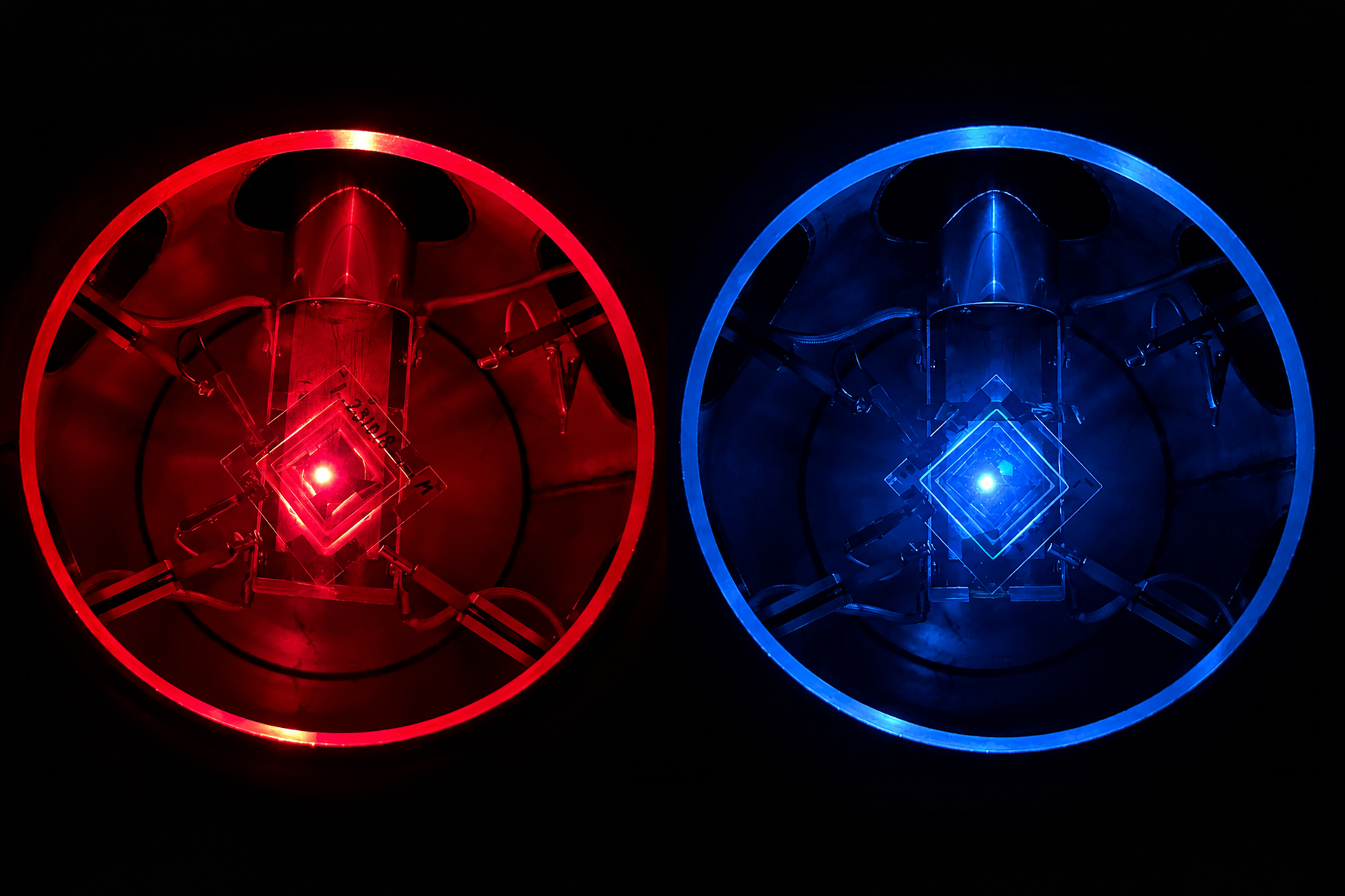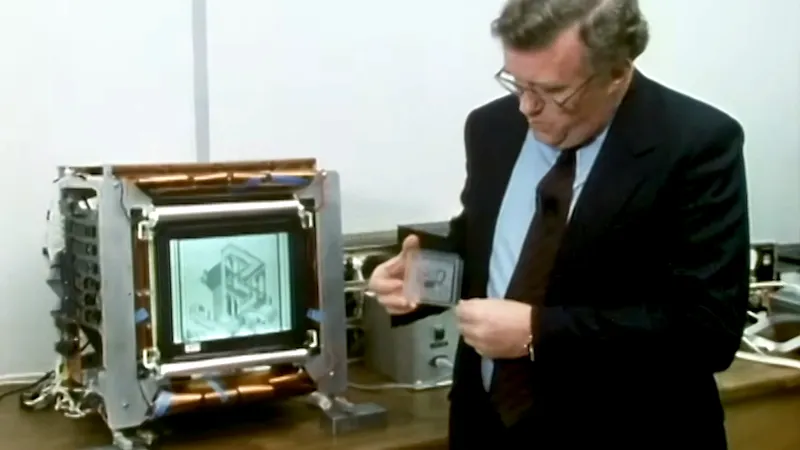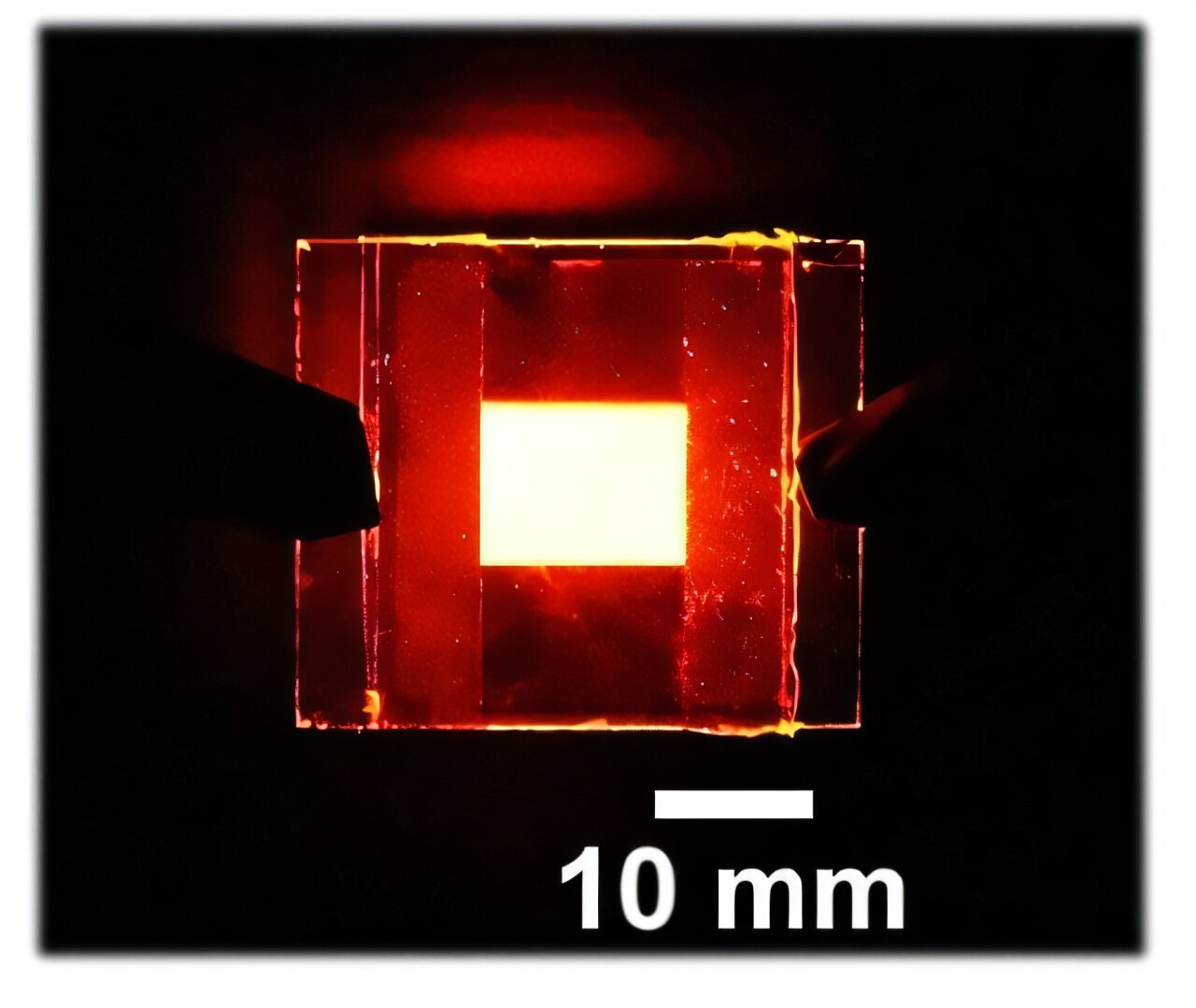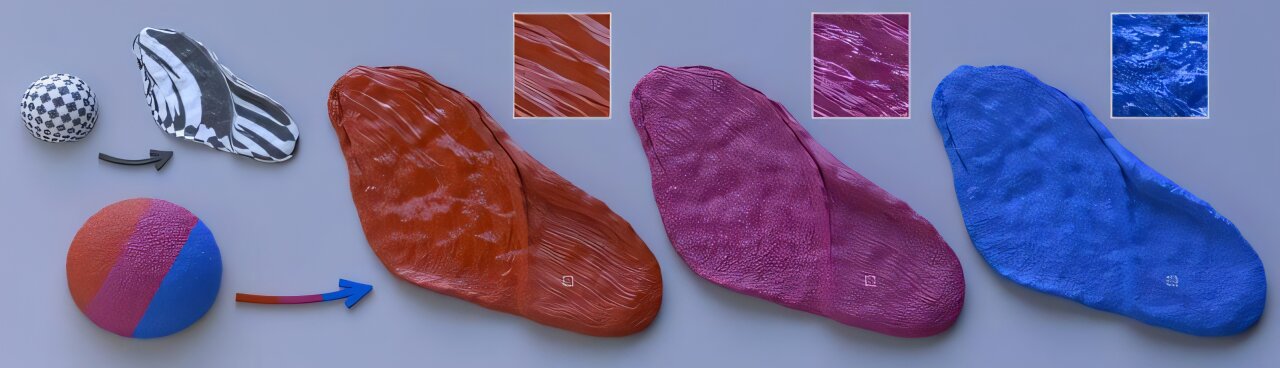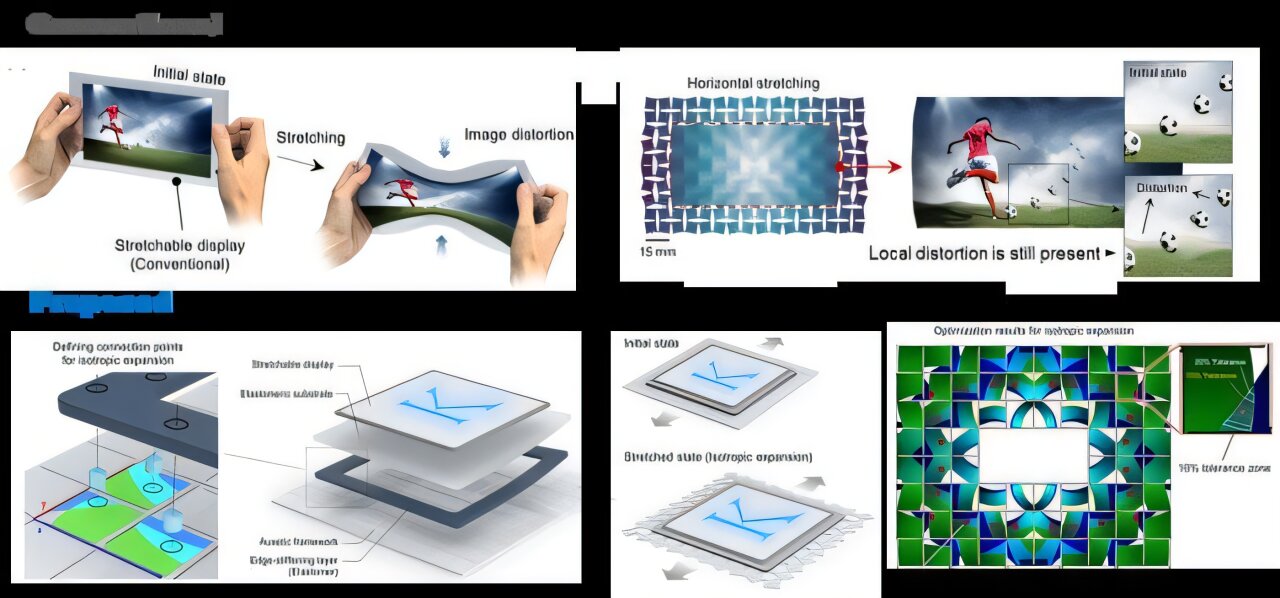
Image distortion limitations of conventional stretchable displays (upper row) and the auxetic-based stretchable display design proposed in this study, including its selective bonding strategy. Credit: KAIST
Beyond bendable and foldable displays, the era of stretchable displays—whose screens can expand freely like rubber—is now emerging. KAIST researchers have developed a core technology that allows text, images and other on-screen information to retain their original shape even when the screen is stretched by up to 15%. The achievement is expected to help solve the problem of image distortion and accelerate the commercialization of next-generation, high-quality stretchable displays.
A research team led by Professor Seunghyup Yoo of the School of Electrical Engineering, in collaboration with Professor Hanul Moon's team at Dong-A University, has successfully implemented an auxetic-based stretchable display platform. Auxetic structures expand in both width and length when pulled, allowing the display to stretch uniformly at the same ratio in all directions without distorting the image on the screen.
The research was published in Nature Communications.
Where distortion begins