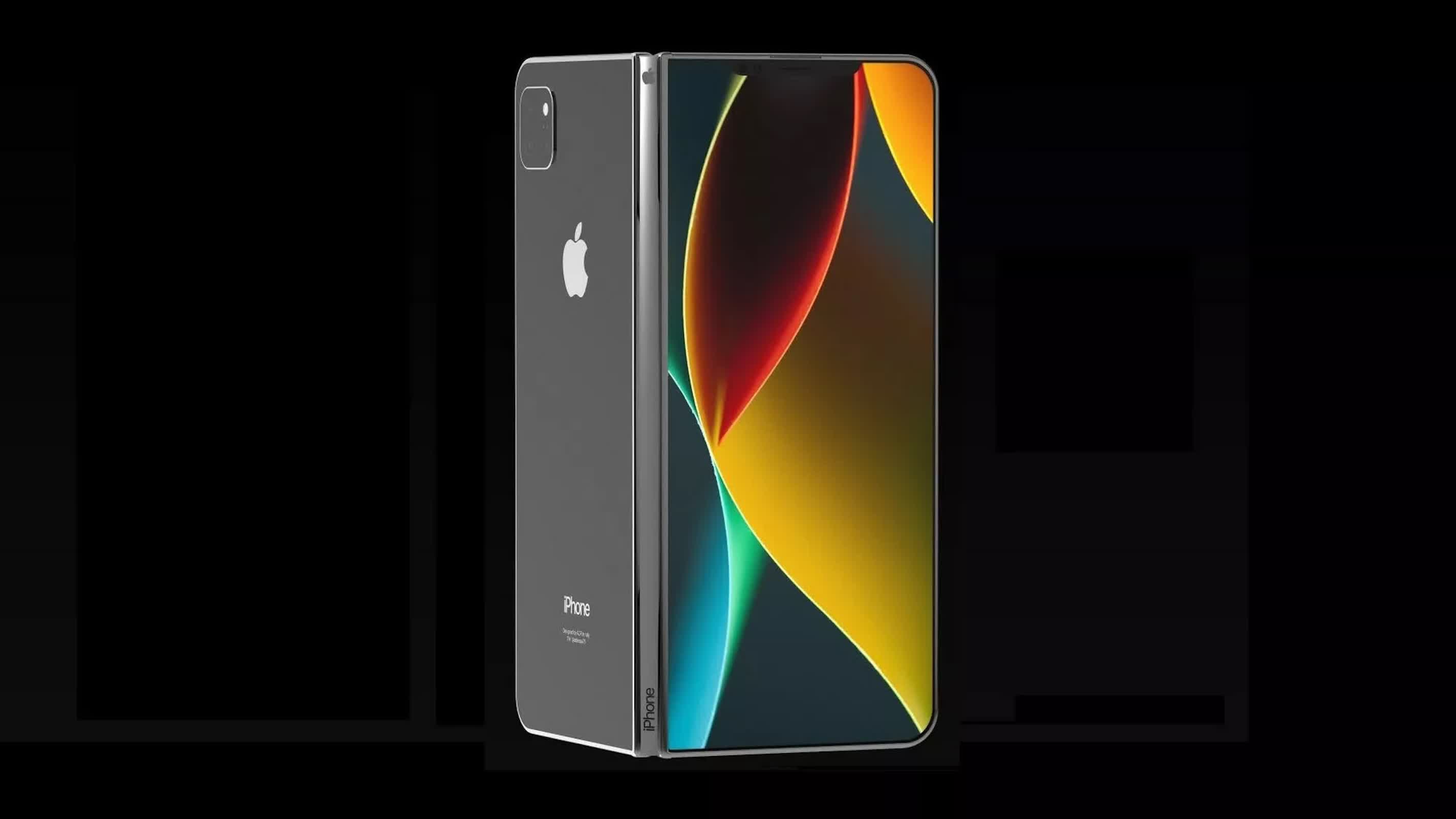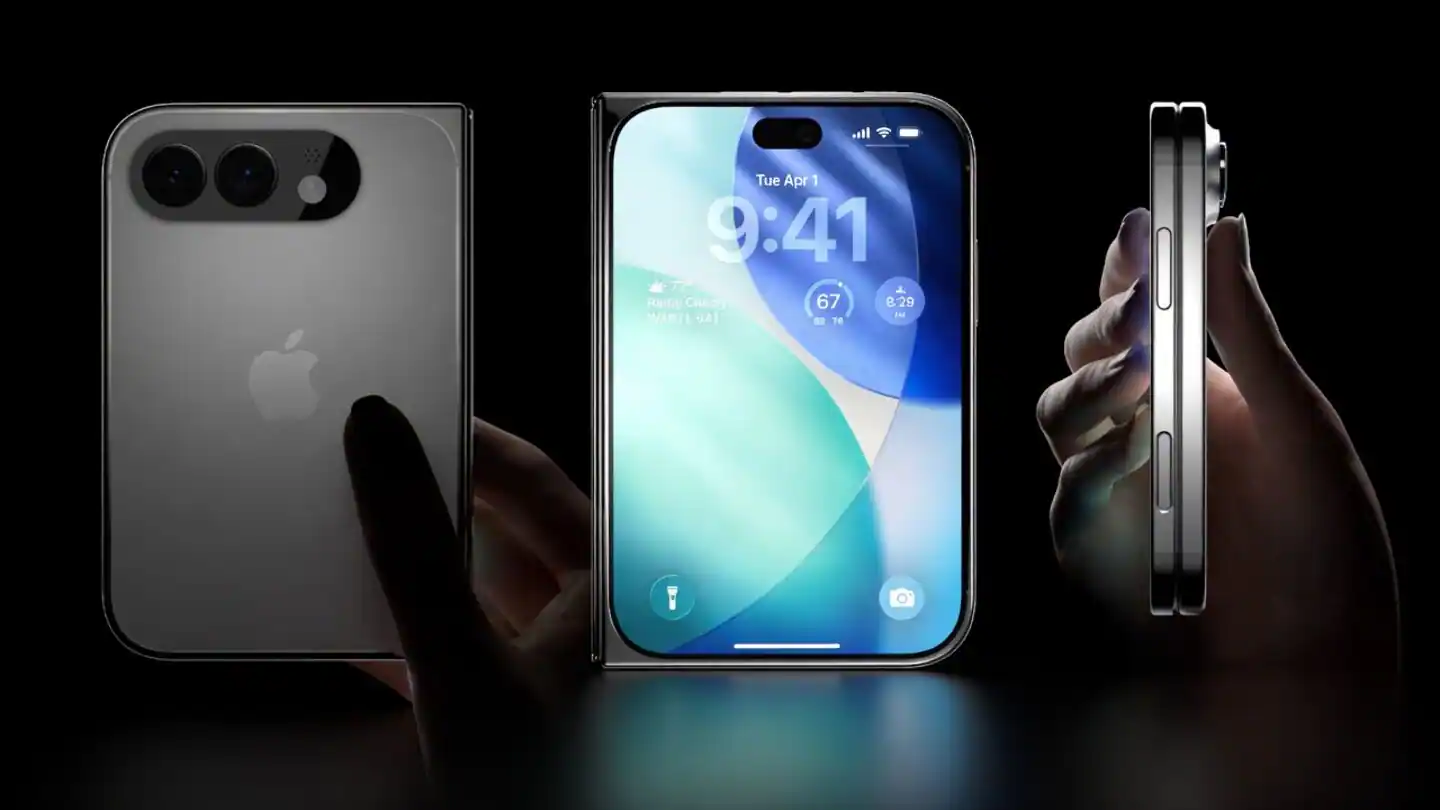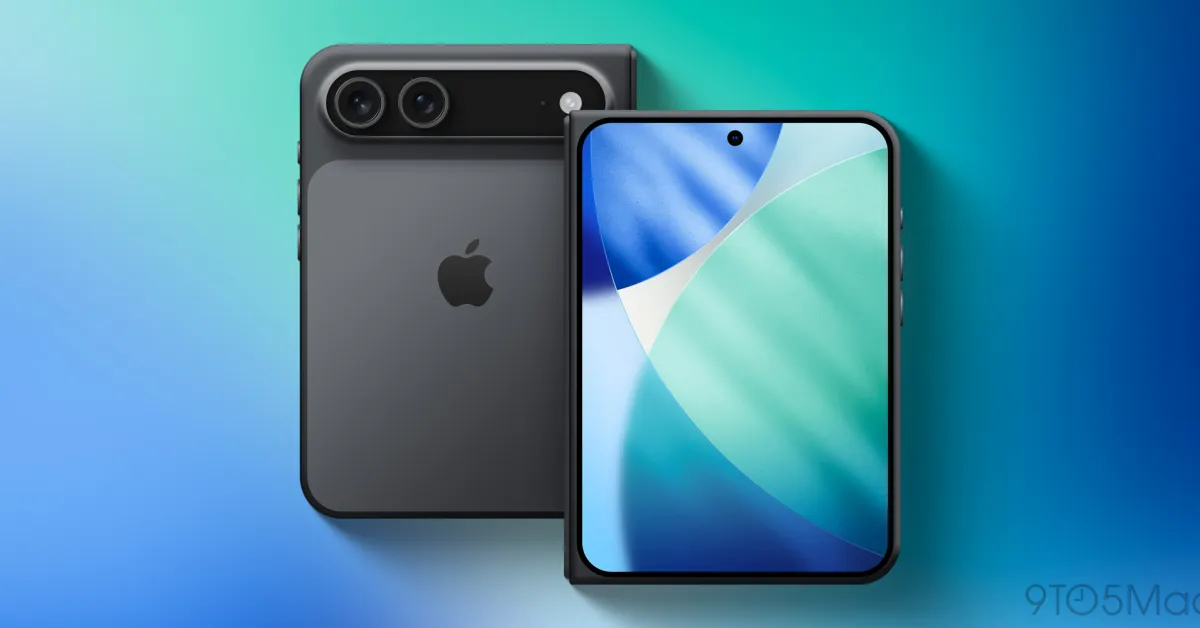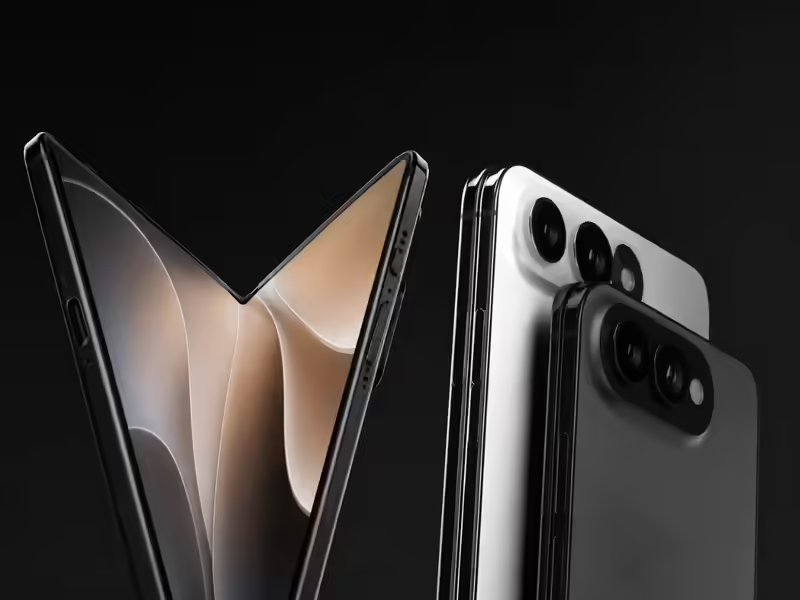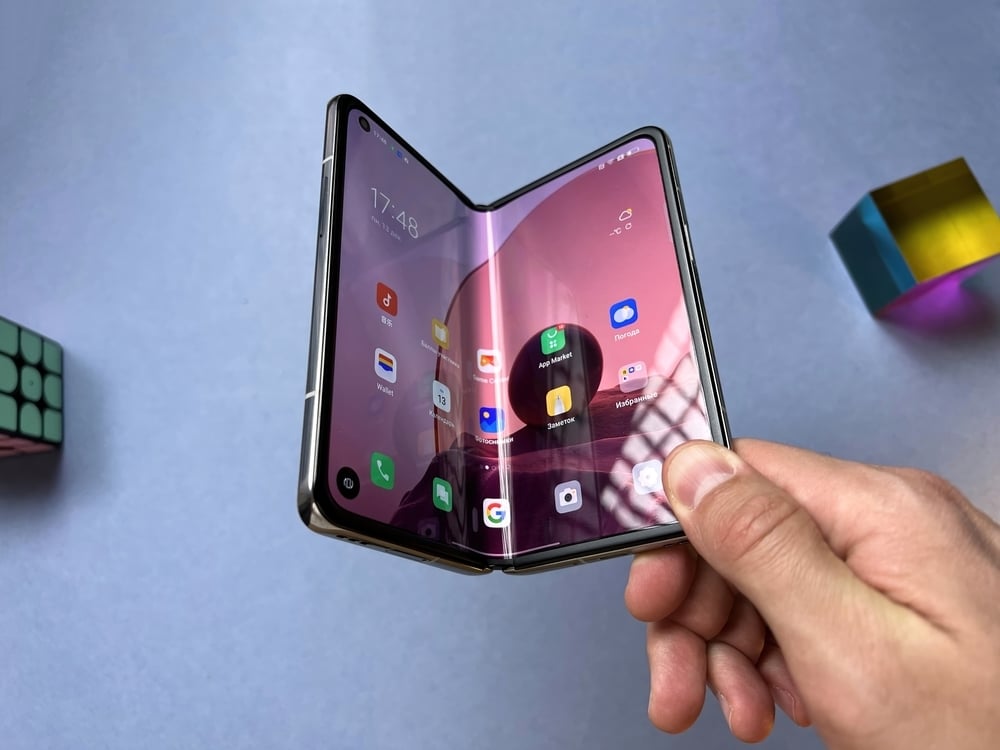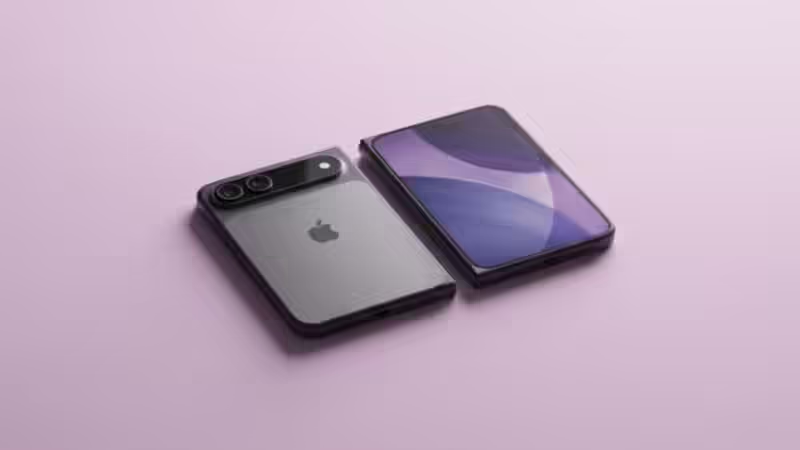
Photo credit: X/@CeotechIApple’s long-rumoured entry into the foldable smartphone segment could become a major catalyst for the OLED Touch and Display Driver Integration (TDDI) ecosystem, although much of the current outlook remains based on industry forecasts rather than official confirmation. Supply-chain reports suggest expectations surrounding Apple’s first foldable device are already influencing component sourcing, display technology investments, and manufacturing planning.If Apple adopts OLED TDDI technology in its foldable smartphone, analysts believe it could accelerate wider adoption of integrated display solutions by encouraging suppliers to expand production capacity and prompting competing smartphone brands to invest further in advanced foldable display technologies.Why Apple’s foldable could matter for the OLED TDDI marketPeople in the industry think that when Apple eventually jumps into foldable smartphones, it could change what everyone wants in that premium display space. Foldable OLED panels need this super tight, highly integrated display setup, you know, to get the inside space right yet still keep durability and overall performance steady. That’s where OLED TDDI chips come in. They mash touch sensing and display driving into one semiconductor, so makers can get display thickness down ,tidy up the inside layout, and squeeze out better power efficiency too.Apple hasn’t actually confirmed what display tech it will use, sure, but analysts point out the company usually likes hardware that is highly integrated, like not just “add more parts” type of strategy. If Apple scales OLED TDDI, it could end up nudging how components are sourced across the broader smartphone industry. Especially for premium Android brands trying to stay relevant, competitive, and all that.How Apple could drive higher OLED TDDI demandApple’s expected foldable could push OLED TDDI demand up, basically by producing more units and setting new tech expectations. Industry watchers say suppliers often expand manufacturing capacity when Apple enters a new product category. That’s because Apple shipments can be huge, plus the component requirements tend to be pretty strict, no messing around.OLED TDDI chips are also considered a great match for foldables, since they reduce component count, preserve that precious internal space, and help support thinner display stacks with better energy efficiency. So if Apple does go for this tech, the bigger volumes over time could bring down manufacturing costs, and then other smartphone makers might start looking at OLED TDDI as a more natural option too.What OLED TDDI technology offers foldable smartphonesOLED TDDI is basically a single-chip approach. It puts the touch controller and the display driver together, rather than relying on separate pieces. That means fewer components inside the phone, and more usable room for stuff like a larger battery, better cooling systems, improved antenna design, or even a more compact hinge structure.These space-saving benefits feel extra important in foldables, where the internal layout is way more cramped than it is in normal phones. Integrated chips can also help with lower power use, thinner display assemblies, and smoother manufacturing workflows. So as foldable designs keep evolving, OLED TDDI could become more and more relevant.Why the timing could support the foldable ecosystemThe rise in OLED TDDI demand is expected to line up with a period where foldable smartphones are trying to get renewed momentum. The market had slower growth recently, but industry analysts think Apple’s future entry could bring a lot more attention from consumers. That attention can lift shipments, and then pull in more investment across the display supply chain, not just panels, but the semiconductor side too.If production ramps, then panel makers, chip designers, and component suppliers could see better economies of scale. More demand may also speed up innovation in display tech, manufacturing methods, and tighter component integration. But the real reach will depend on Apple’s overall strategy, pricing, how people actually react to the product, and how quickly foldable adoption spreads outside early adopters.What happens next for suppliers and the industryEven though Apple hasn’t officially announced a foldable iPhone, supply-chain chatter suggests some display suppliers are preparing, since development timelines are moving along. There’s also reporting that Samsung Display could be a major source for foldable OLED panels, but Apple has not confirmed any specific display company or any chip supplier, at least publicly.Industry observers still believe Apple’s eventual release could push competitors to accelerate their own foldable plans. That could mean more demand for advanced display panels and the connected semiconductor technologies. Still, whether OLED TDDI turns into a mainstream component across premium smartphones will ultimately hinge on Apple’s final hardware decisions, how widely the device gets adopted, and whether suppliers are ready to scale once the phone is actually out.FAQs1. What is OLED TDDI technology? OLED TDDI combines the touch controller and the display driver into one chip, so the design needs fewer components, saves internal space, and supports thinner display module construction.2. Why could Apple increase OLED TDDI demand? If Apple uses OLED TDDI in a future foldable, analysts think its production volumes could encourage broader industry uptake and lead to additional manufacturing capacity investments.3. Why is OLED TDDI important for foldable phones? It helps enable thinner builds, improves space efficiency, lowers component count, and supports the compact internal layouts that foldables need, especially around the hinge area and tight layering.4. Has Apple officially confirmed a foldable iPhone? No. Apple hasn’t officially announced a foldable iPhone, and it hasn’t confirmed what display technologies it plans to use. The current expectations come mostly from supply-chain reports and industry forecasts.5. How could the wider smartphone market benefit? If Apple adopts OLED TDDI and drives higher production volumes, manufacturing costs could decline due to economies of scale. That cost reduction may make OLED TDDI more appealing, and then potentially speed up adoption across the premium smartphone market.end of article
Apple foldable tipped to boost OLED TDDI demand as suppliers prepare for next phase of foldable market
Apple's rumored foldable phone could boost OLED TDDI technology significantly. This integrated chip design saves space and improves efficiency for foldables. Industry forecasts suggest increased component sourcing and manufacturing investments are likely. Wider adoption may lower costs and encourage other brands to follow suit. This development aligns with the growing momentum of foldable smartphone markets.
940 words~4 min read