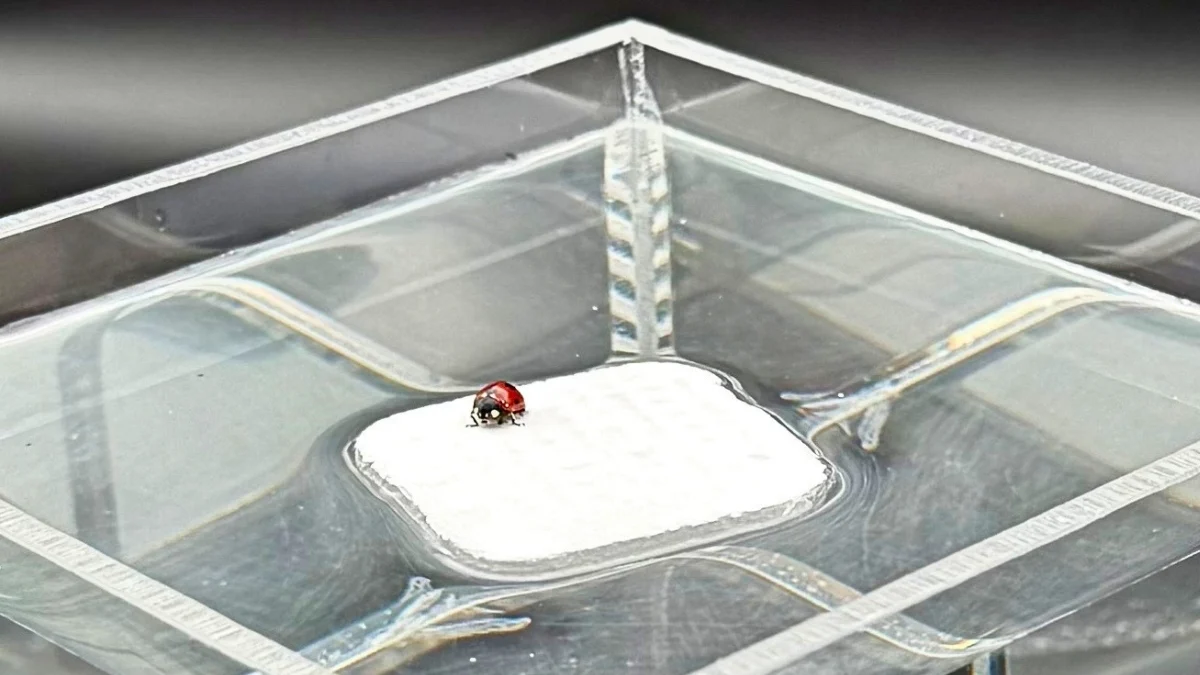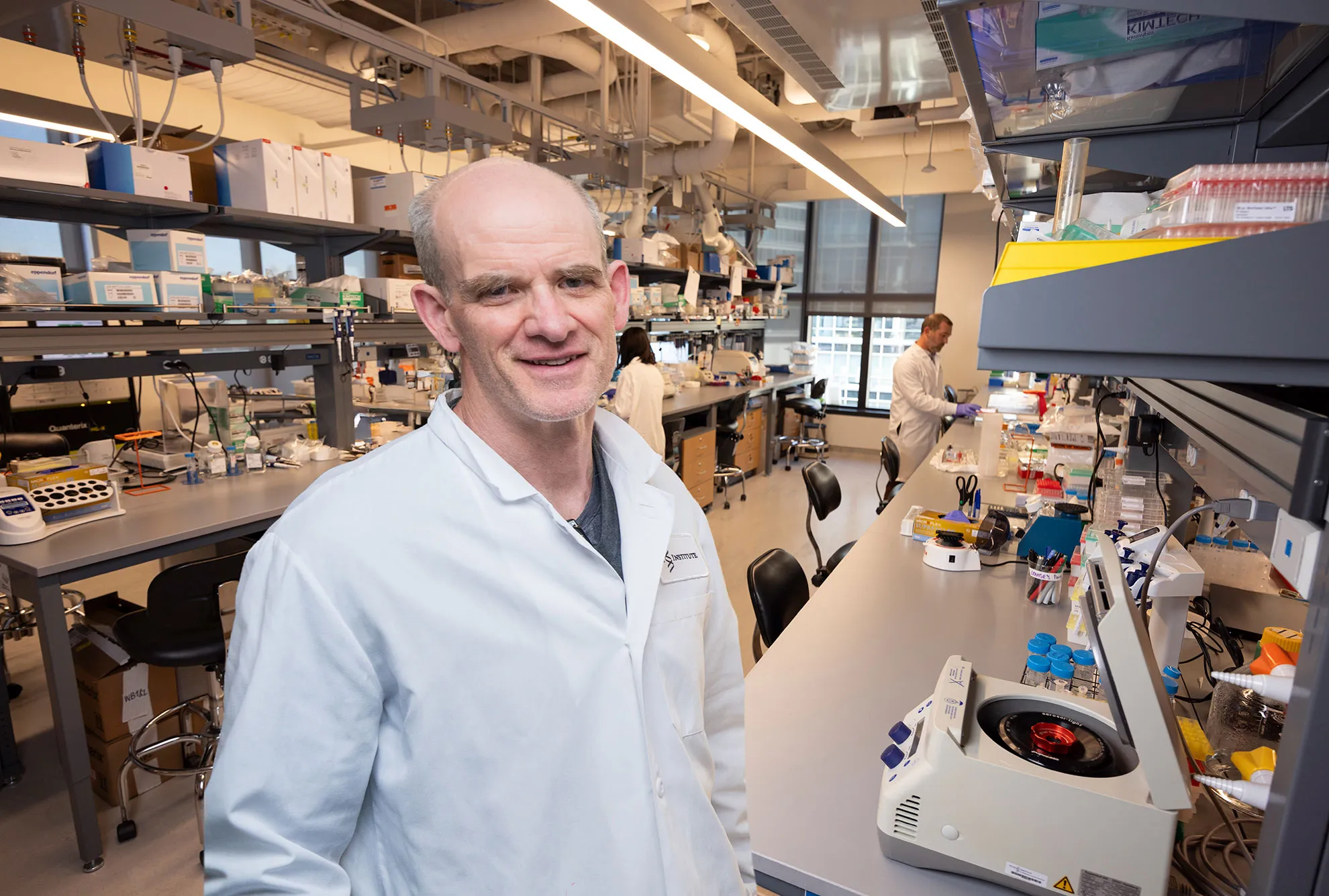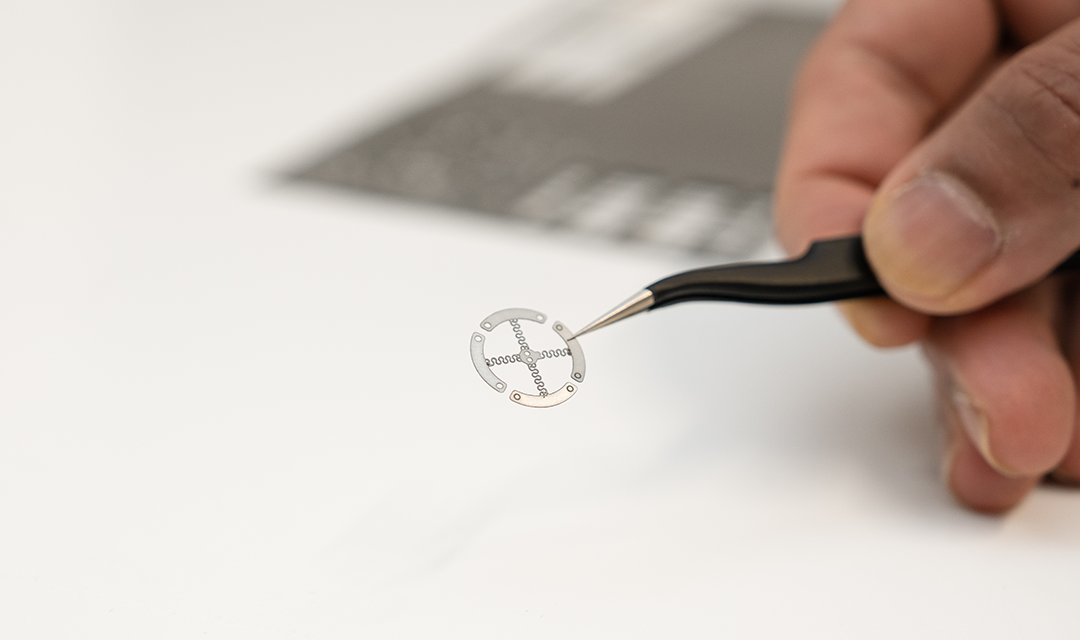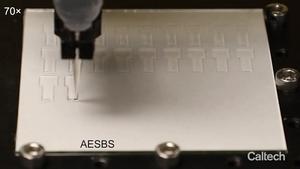
video: Wei Gao and a team at Caltech have developed a flexible, implantable biosensor platform that can adhere to wet tissue. Using 3D-printing technology, the devices can be made quickly and at low cost.
view more
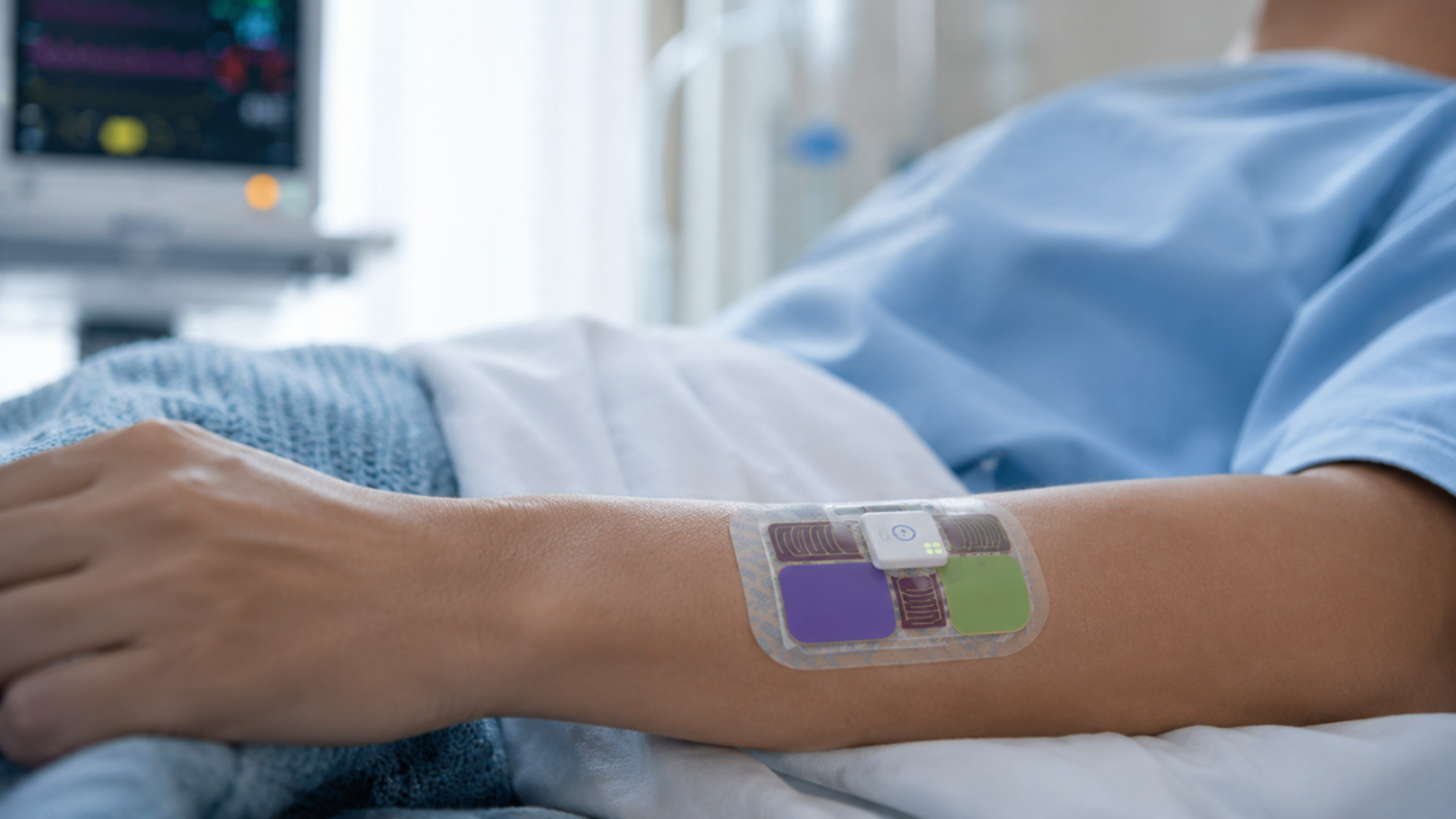
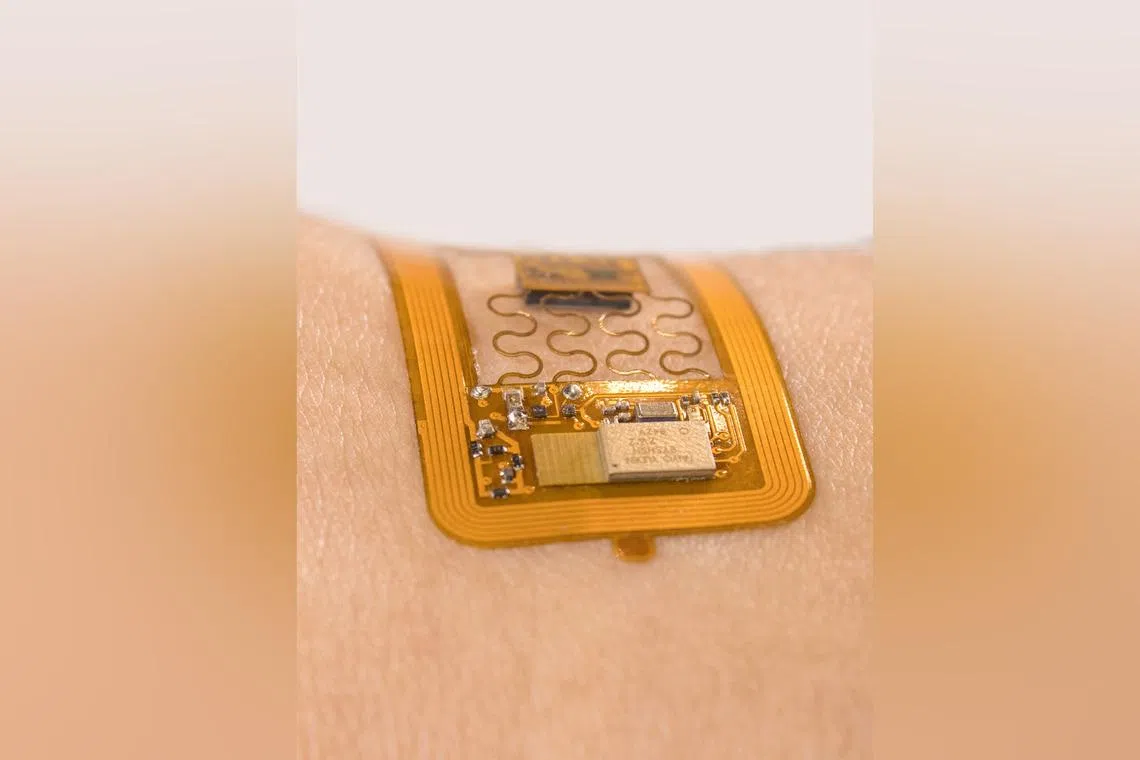
Wearable and implantable biosensors have the potential to revolutionize health care by diagnosing, monitoring, and even treating a wide range of health conditions. Recent innovations in the lab of Wei Gao, professor of medical engineering at Caltech and a Heritage Medical Research Institute Investigator, are pushing the field forward through the creation of soft, stretchable, tissue-integrated bioelectronics for continuous sensing and adaptive therapy. Two new studies highlight complementary gains in materials and technology while addressing different challenges and applications.
Sensors That Stretch
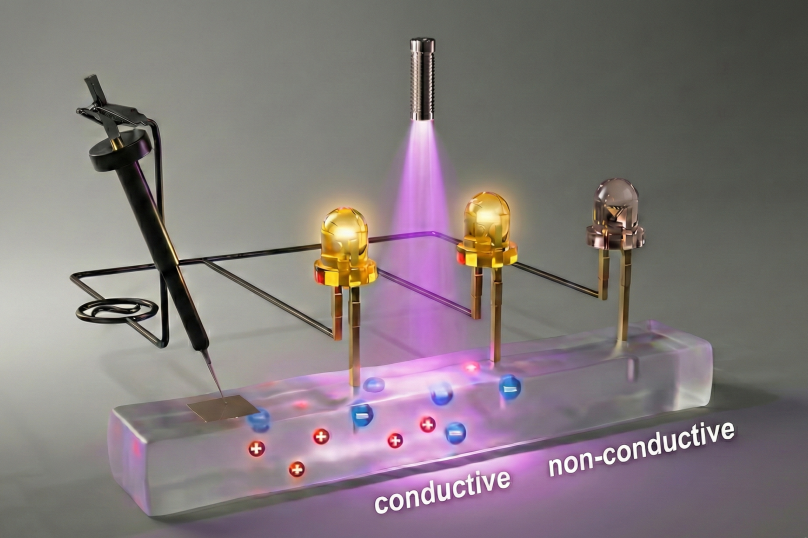
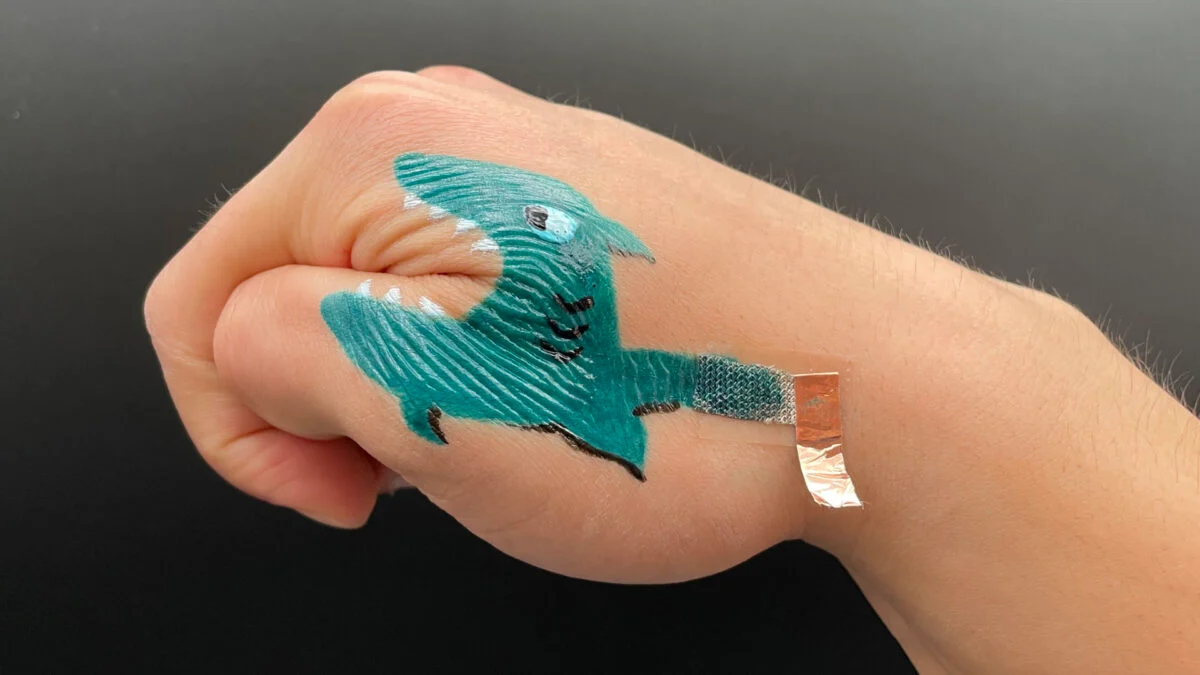
To allow for medical sensing that can move flexibly with the body and even internal organs such as a beating heart, scientists in the Gao lab have developed a bioelectronic material that maintains conductivity and a strong connection with the skin or tissues as they deform. The super-stretchy biocompatible interface meets a key need for the next generation of wearable and implantable sensors.