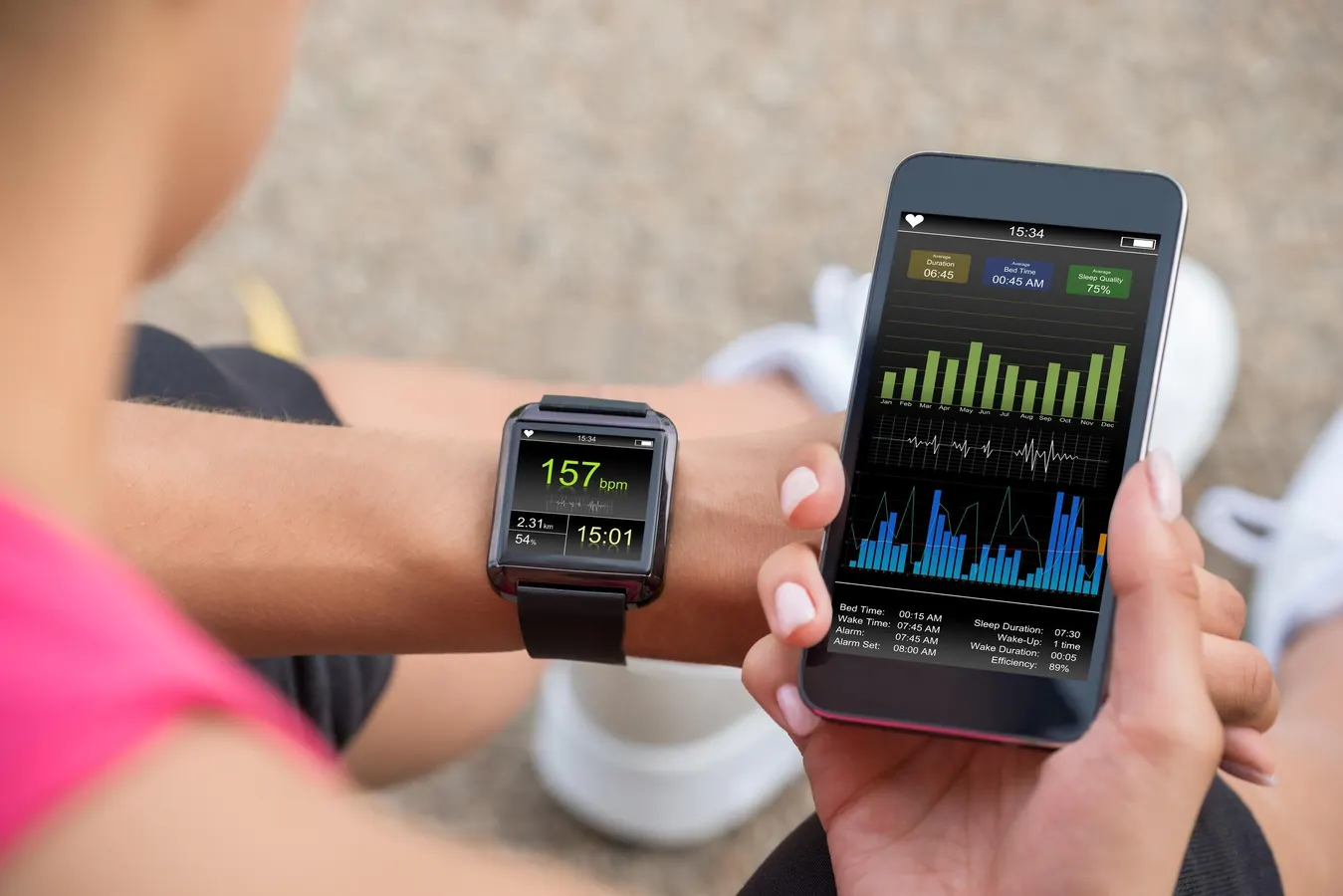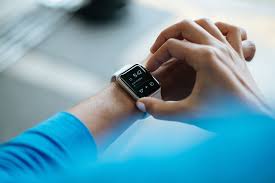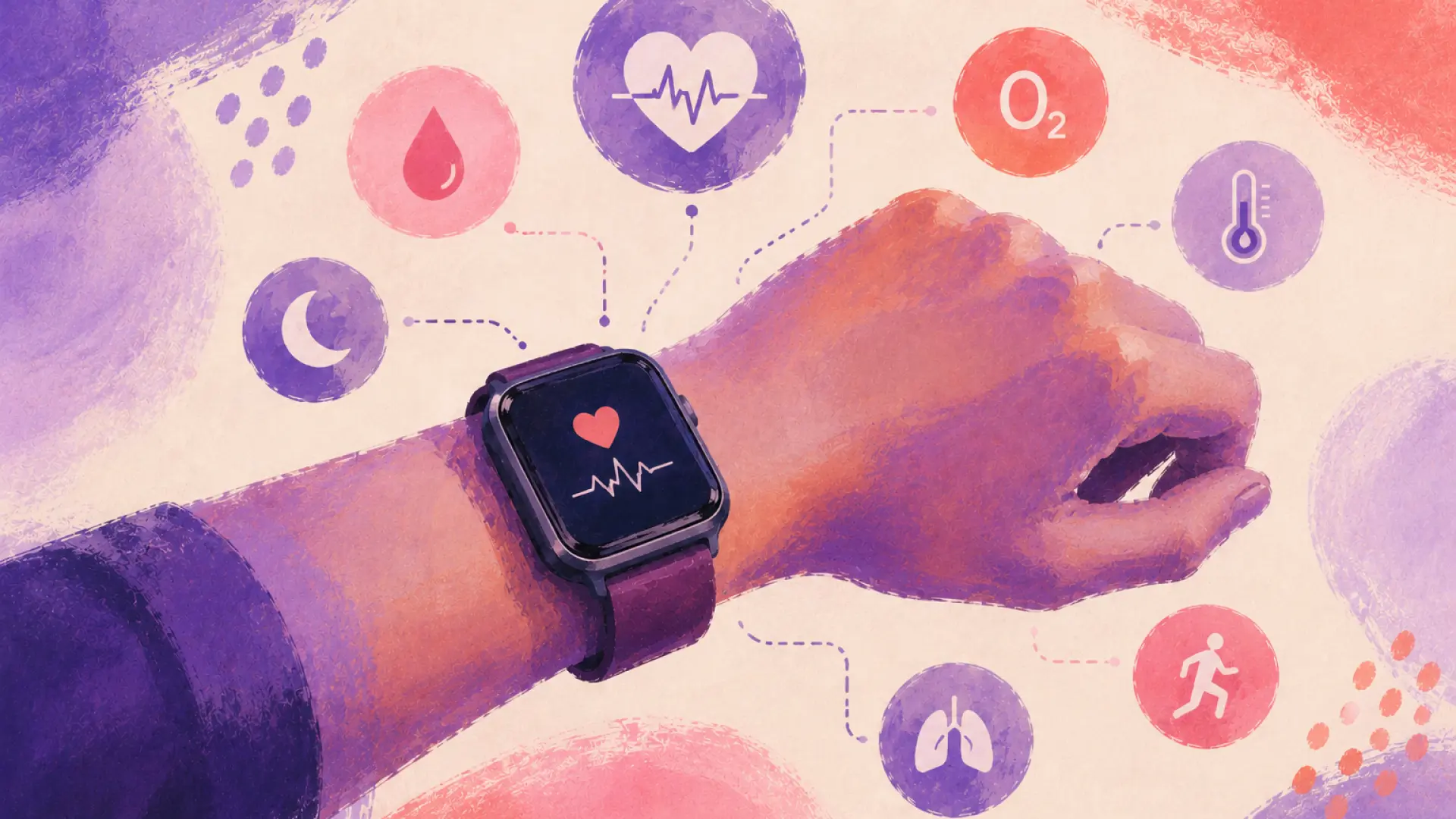
Health care is rapidly evolving through digital innovation, and wearable technology is becoming a key driver of this transformation. Once used primarily for fitness tracking, wearables now play an important role in clinical care, rehabilitation, and remote patient monitoring. At the centre of many of these solutions is Bluetooth Low Energy (BLE), a wireless technology that enables medical devices to communicate efficiently with smartphones and health care platforms while consuming minimal power.Future tech (Pixabay)Health care systems worldwide face growing challenges, including aging populations, increasing rates of chronic disease, rising treatment costs, and greater demand for accessible care. These pressures have accelerated the adoption of digital health technologies that extend care beyond hospitals and clinics.Modern wearable devices can continuously monitor health metrics such as heart rate, blood oxygen levels, physical activity, sleep quality, and rehabilitation progress. Using BLE connectivity, this data can be transmitted securely to mobile applications and cloud platforms, allowing health care providers to monitor patients remotely and make more informed decisions.This shift is transforming health care from an episodic model based on scheduled appointments to a more continuous and proactive approach to patient care.The wearable health care market continues to grow rapidly across the United States and Europe. Health care organisations are increasingly adopting remote patient monitoring solutions to improve chronic disease management, reduce hospital readmissions, and support recovery outside clinical settings.At the same time, governments and health care providers are investing in digital health initiatives that enable home-based care, early intervention, and personalised treatment plans. What began as consumer fitness tracking has evolved into clinically meaningful monitoring that supports cardiac care, rehabilitation, sleep analysis, and long-term disease management.As sensor technology, artificial intelligence, and predictive analytics continue to advance, wearable devices are becoming an essential part of modern health care delivery.BLE has become the preferred communication technology for health care wearables because it combines low power consumption with reliable wireless connectivity. Devices can operate for extended periods without frequent charging while maintaining continuous communication with smartphones and health care applications.BLE is widely supported across mobile platforms, making it easier for patients to use connected health care solutions without requiring specialised equipment. These advantages have made BLE a foundational technology for remote monitoring, rehabilitation systems, and connected medical devices.One of the most promising applications of wearable technology is knee rehabilitation. Millions of people undergo knee replacement surgery or recover from sports injuries each year. Successful recovery depends on consistent rehabilitation exercises, accurate progress tracking, and ongoing communication between patients and clinicians.Traditionally, rehabilitation progress has been assessed during periodic clinic visits, providing only limited insight into a patient's recovery between appointments.Wearable rehabilitation systems are changing this model. Sensors attached to the knee or leg can measure movement patterns, range of motion, exercise quality, and rehabilitation adherence in real time. Through BLE connectivity, this information is transmitted to mobile applications where both patients and health care providers can monitor progress.Patients gain greater visibility into their recovery journey and often become more motivated to follow prescribed rehabilitation programmes. Clinicians benefit from objective data that supports personalised treatment plans and more informed clinical decisions.The value of wearable rehabilitation systems depends heavily on the accuracy of the data they collect. Sensor calibration is critical to ensuring that measurements accurately reflect patient movement.Even small inaccuracies in measuring knee flexion, extension, pitch, or roll can affect how recovery progress is interpreted. Proper calibration helps compensate for sensor placement variations and motion-related disturbances, improving measurement reliability and consistency.Accurate data not only supports better clinical decisions but also increases confidence in wearable technology among patients and health care professionals.One of the biggest challenges in rehabilitation is maintaining patient motivation outside the clinic. Wearable technology helps address this challenge by providing continuous feedback and visibility into recovery progress.Patients can track performance, receive exercise reminders, monitor recovery milestones, and view improvements over time. This feedback often increases adherence to rehabilitation programmes and encourages greater engagement in the recovery process.Health care providers also benefit from continuous access to patient data, allowing them to identify potential issues earlier and intervene when necessary. This ongoing feedback loop can improve both patient accountability and clinical outcomes.The growth of health care wearables reflects a broader shift toward continuous, personalised, and data-driven care. Advances in sensors, connectivity, artificial intelligence, and remote monitoring are enabling health care providers to move beyond traditional treatment models and deliver more proactive care.Knee rehabilitation is just one example of how wearable technology is improving patient outcomes. By combining sensors, BLE connectivity, and digital health platforms, health care providers can monitor recovery more effectively while empowering patients to take a more active role in their treatment.As health care continues to embrace digital innovation, smart wearables will play an increasingly important role in patient monitoring, rehabilitation, chronic disease management, and preventive care. The future of health care is becoming more connected, personalised, and accessible, and wearable technology is helping lead that transformation.(The views expressed are personal)This article is authored by Sukhdeep Singh, senior consultant development.
How smart wearables are transforming health care and accelerating patient recovery
This article is authored by Sukhdeep Singh, senior consultant development.
822 words~4 min read