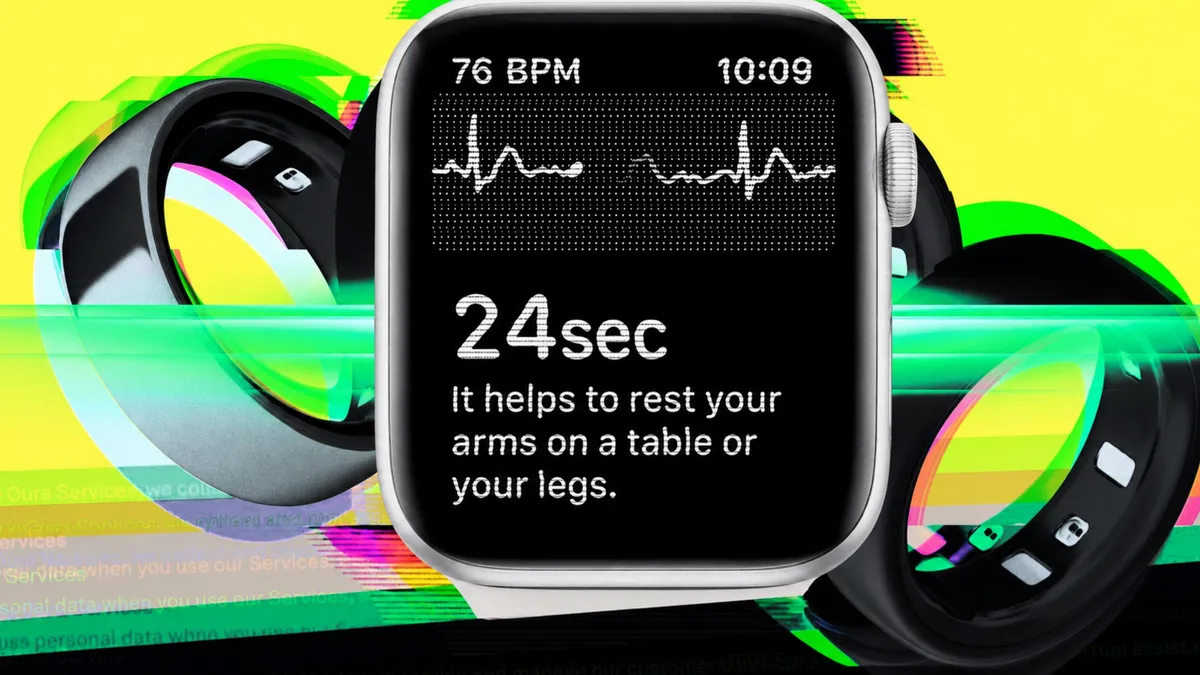
Mario covers technology in health care, including FDA regulation of artificial intelligence; how Medicare pays for health tech; the use of AI in clinical care; mental health chatbots; and consumer wearables. He’s also the co-author of the free, twice weekly STAT Health Tech newsletter. You can reach Mario on Signal at mariojoze.13.A major selling point for wearable devices is the promise that they’ll help identify hidden health conditions before they lead to major harm. But a nagging issue has been the connection to clinician guidance when a smartwatch or ring raises the alarm.
To help address this issue, wearable makers Oura and Whoop recently announced they’ll make it possible for users to connect virtually with doctors directly from their apps. While the move could represent the first step in the long-awaited adoption of consumer health data by traditional clinical care, experts cautioned that the bar for data in clinical decision-making is higher than for simple wellness purposes. The Food and Drug Administration has only authorized a handful of wearable features for clinical use, and the evidence base for using wearable data to inform medical care is nascent. Widespread use by clinicians will take considerably more work.