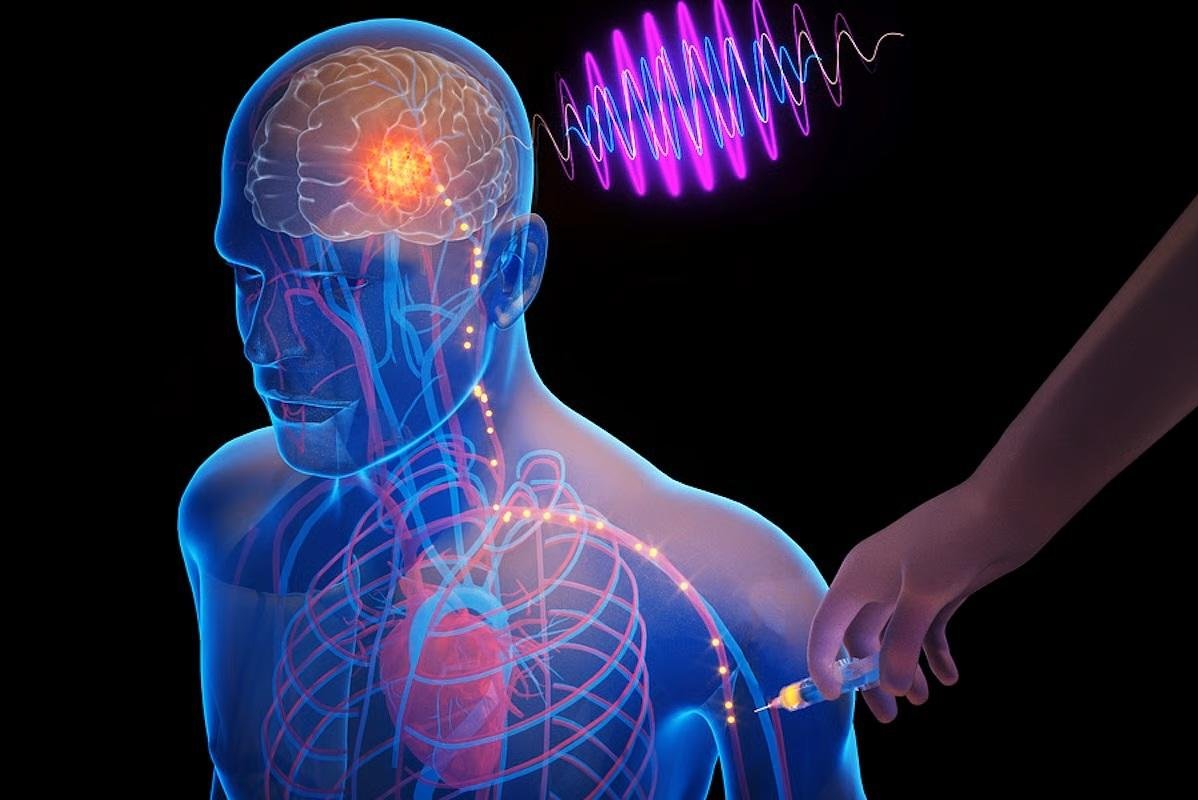
Patient recovery from debilitating conditions and diseases could be faster and more effective if drugs and therapeutic molecules were delivered right to where they are needed in the body.
One way to achieve this is the use of implantable, synthetically engineered, living cells that can sense injury or disease-associated conditions in their environment and respond by producing the right amount of a therapeutic molecule.
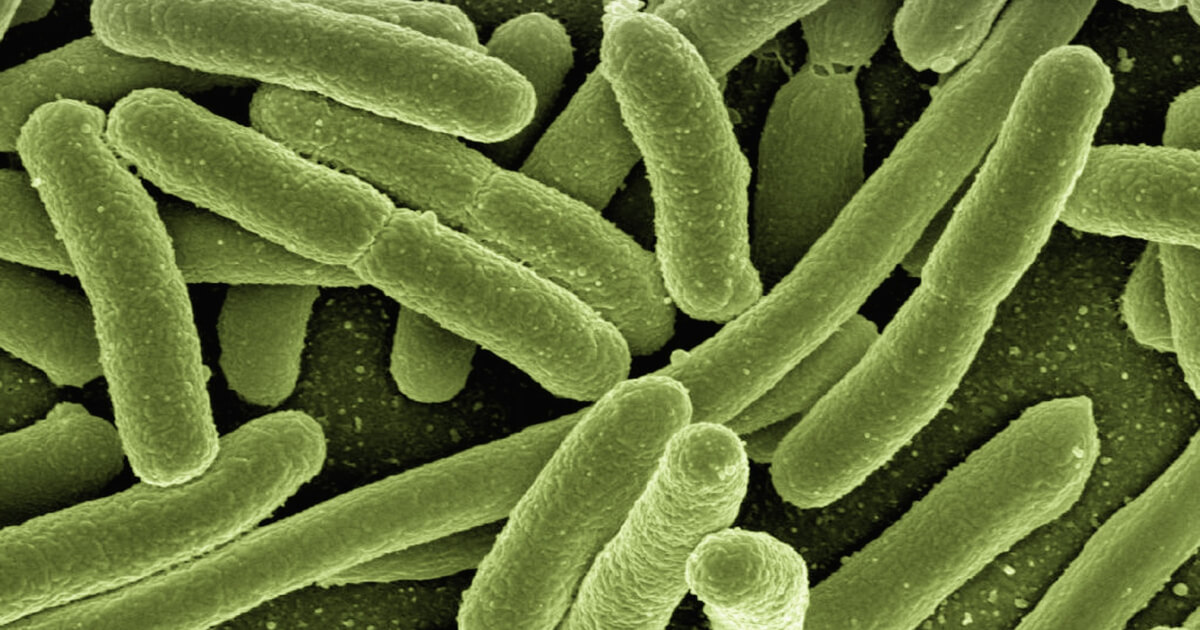
Bacteria, in particular, are promising as they can thrive in harsh physiological environments within the body, such as infected or inflamed tissues, tissues undergoing mechanical movements, and tumors. Some of the microbial therapies have advanced into clinical trials, failing, however, because the microbes could not be contained at specific sites in the body.
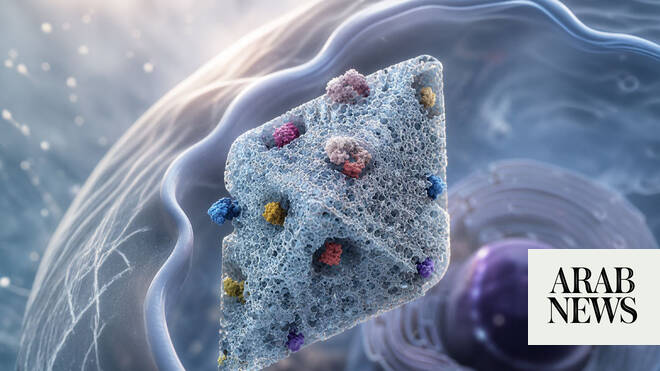
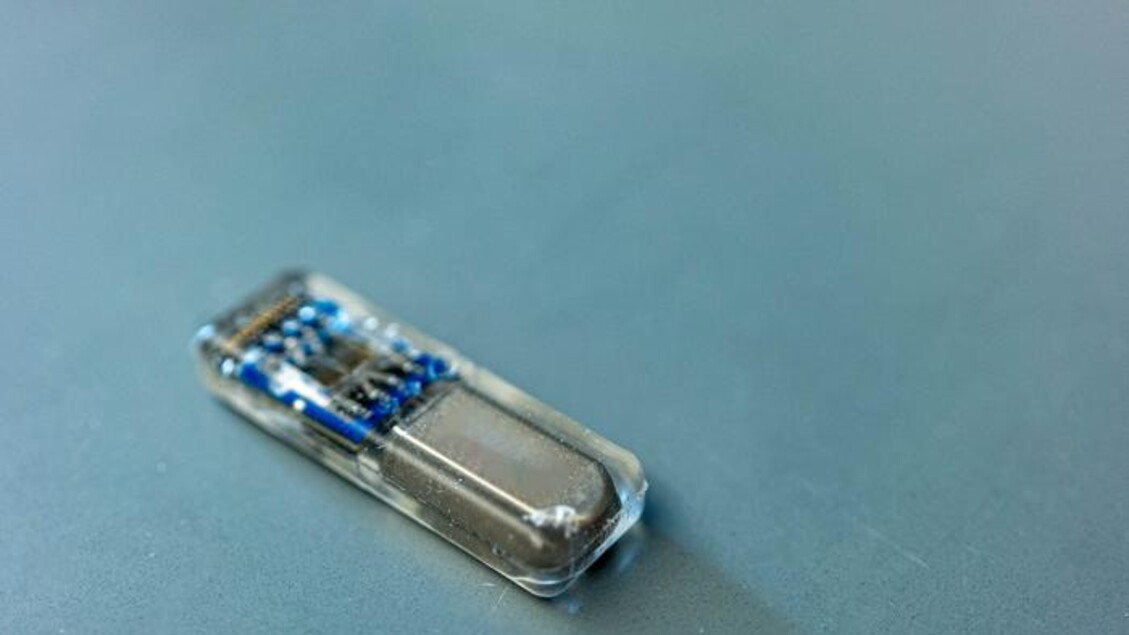
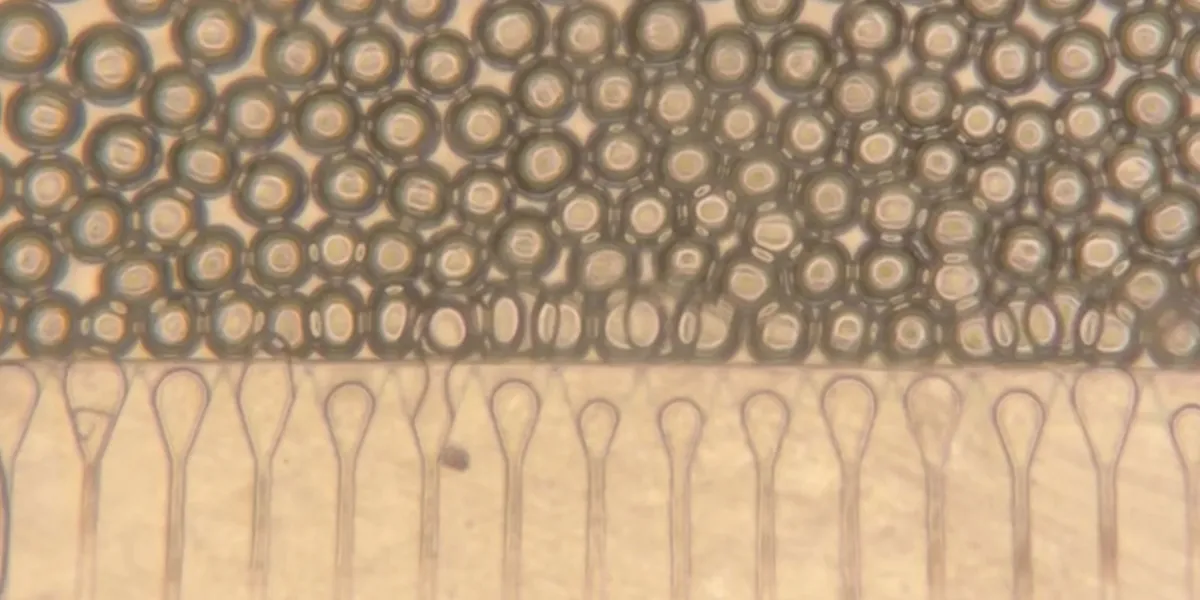
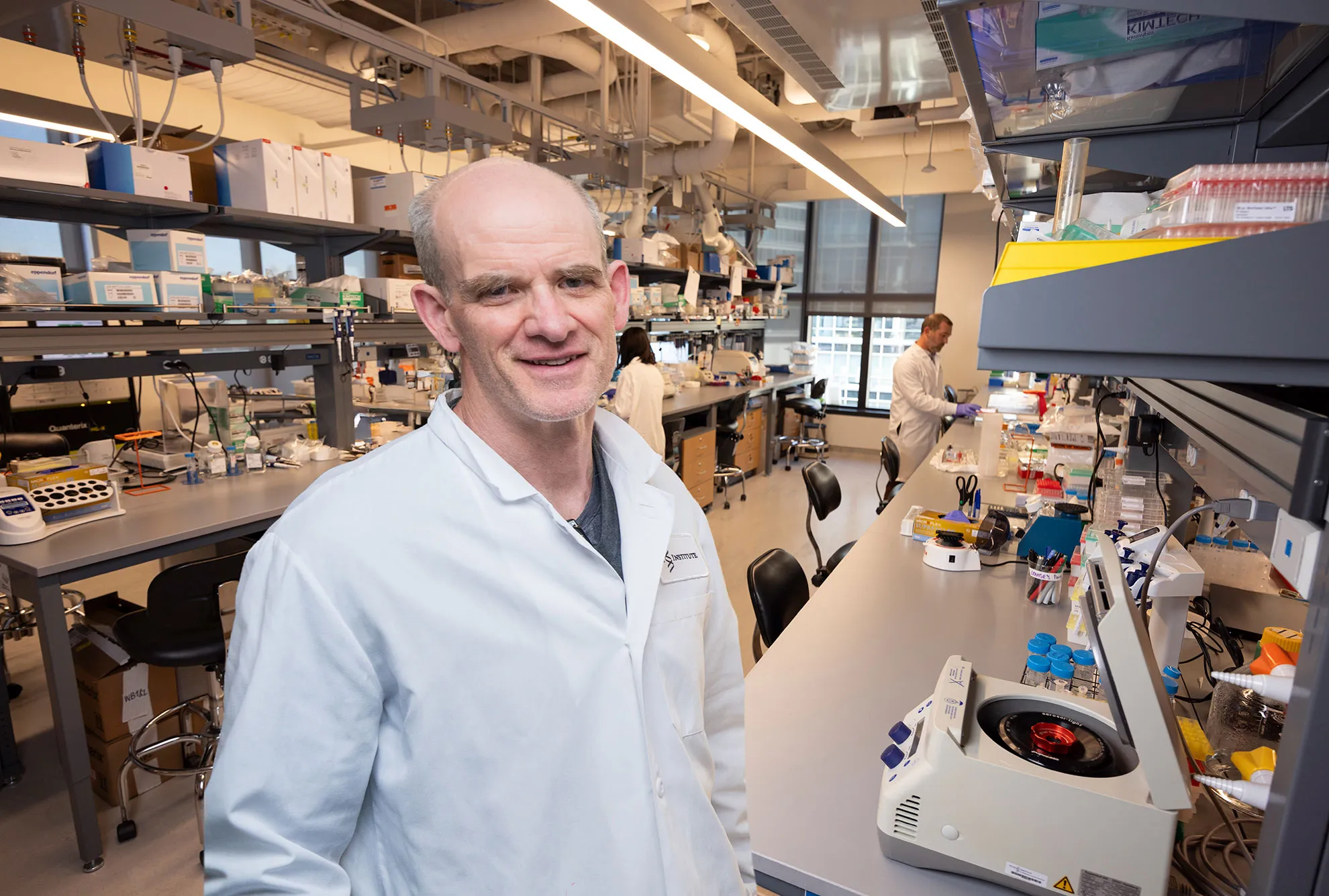
Now, a research team at Harvard’s Wyss Institute and John A. Paulson School of Engineering and Applied Sciences has developed an “Implantable Living Materials” (ILM) platform that offers a compelling solution to this problem. The team, led by Wyss Founding Core Faculty member David Mooney, the Robert P. Pinkas Family Professor of Bioengineering at SEAS, encapsulated a genetically engineered, therapeutic strain of E. coli bacteria within a biomaterial designed to regulate bacterial growth and resist mechanical stresses.