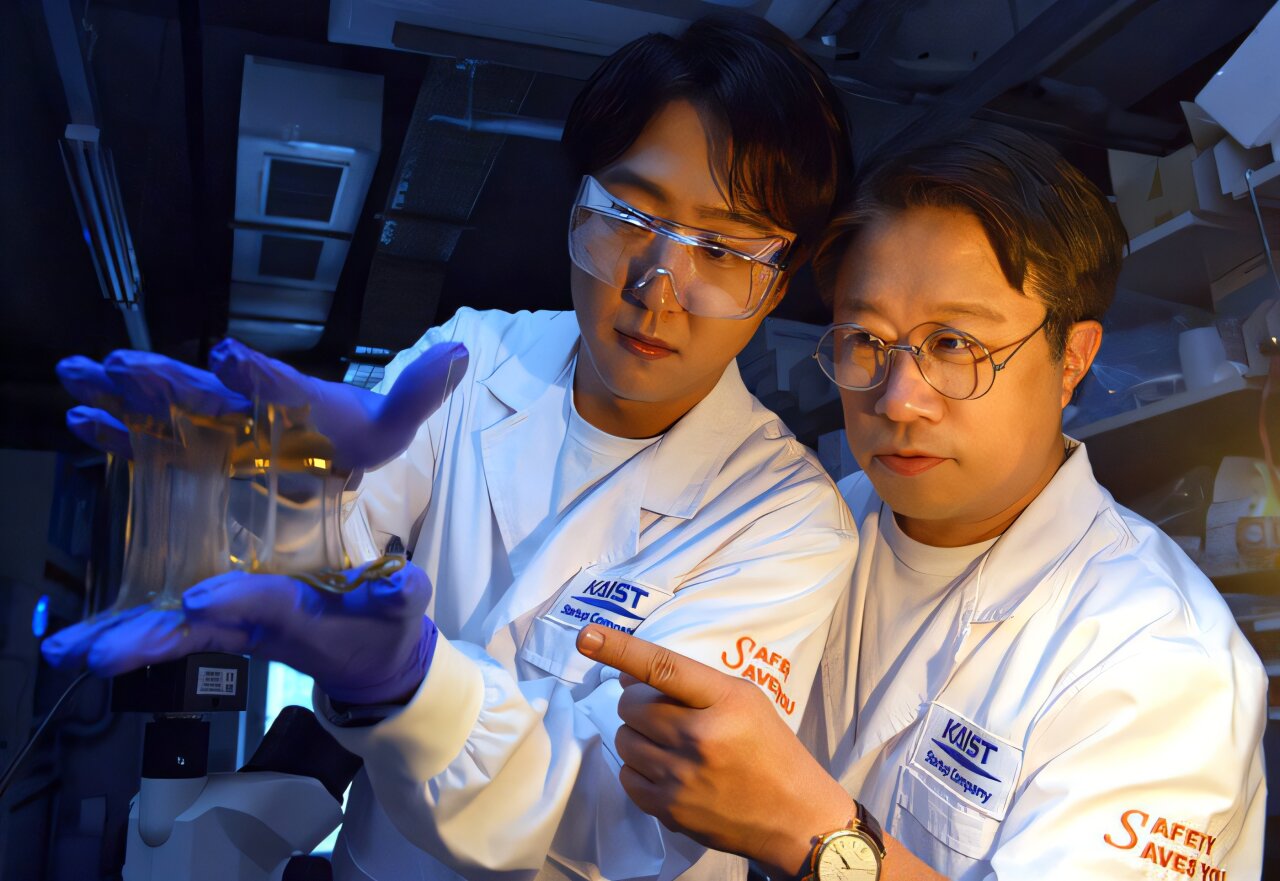
(From Left) Researcher Han-Yeol Yang, Professor Haeshin Lee. Credit: KAIST
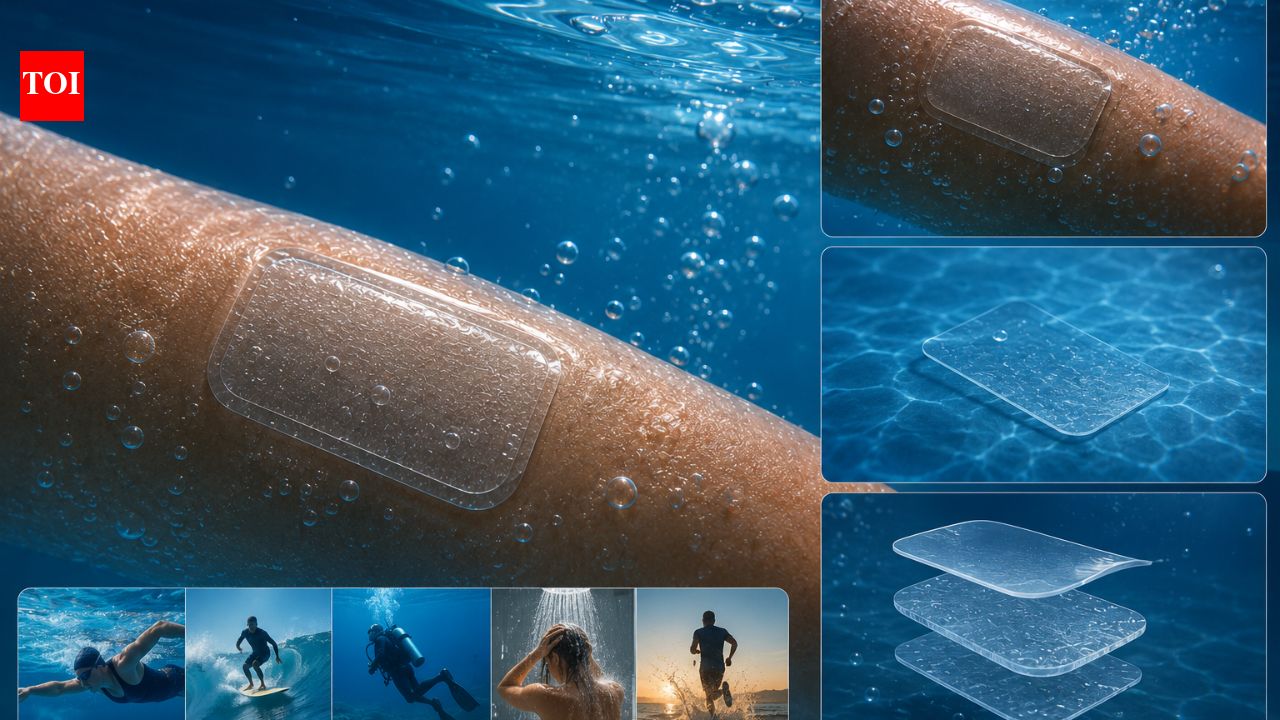
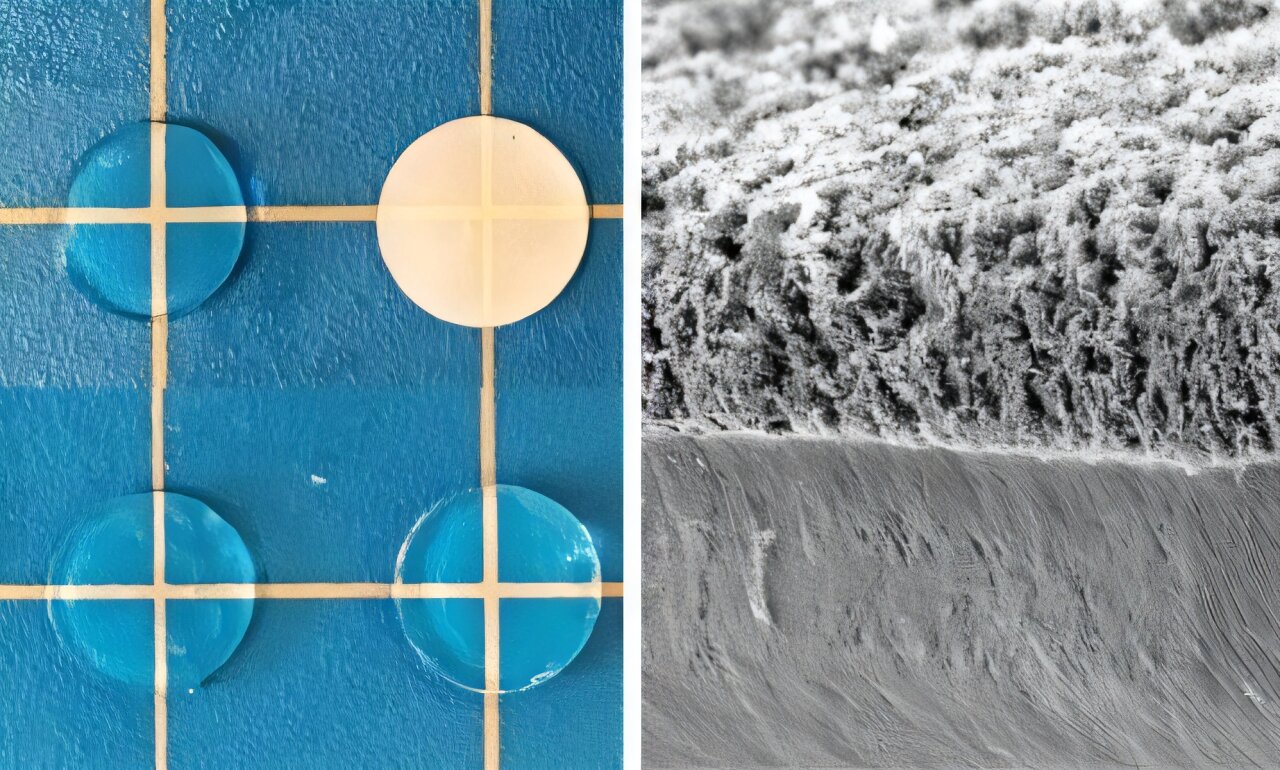
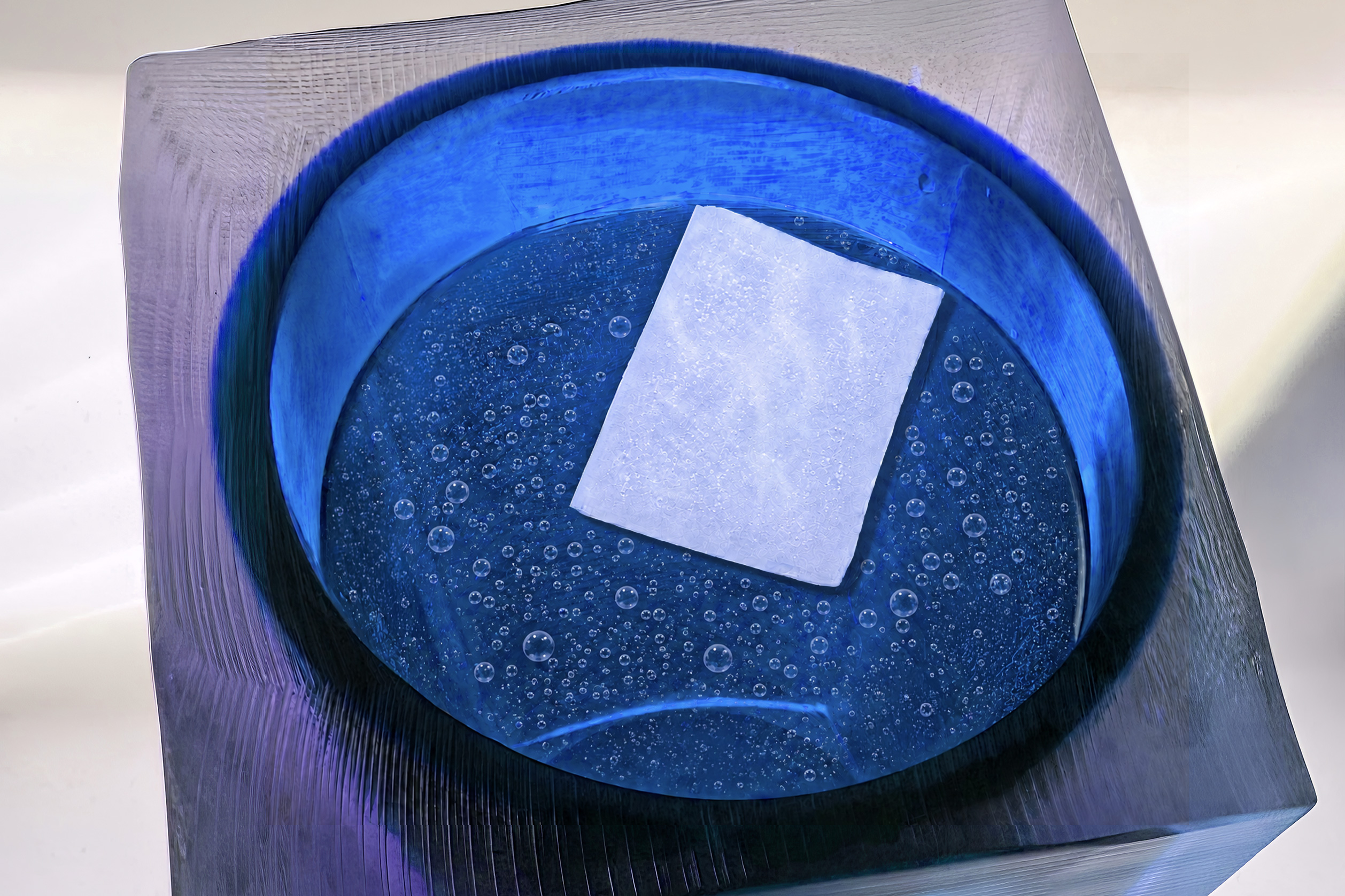
Could wound healing dressings adhere better, and could drug delivery patches become more sophisticated? A KAIST research team has developed a technology that leverages natural ingredients derived from plants to increase the strength of a seaweed-based hydrogel (a gel material that contains a large amount of water while maintaining its shape) by more than fivefold, while also controlling its adhesiveness and degradation rate.
The research team, led by Professor Haeshin Lee of the Department of Chemistry, developed a new material design strategy that uses tannic acid—a type of polyphenol, which is a natural antioxidant abundant in tea and fruits—to enhance the mechanical strength and adhesiveness of seaweed-derived hydrogel and control its degradation rate.
The work is published in the journal Biomimetics.
Hydrogel is a high-moisture gel material used in contact lenses, acne patches, mask packs and wound healing dressings. Because it can adhere closely to the skin while holding drugs or active ingredients, it is used in various bio- and health care-related fields, such as drug delivery systems (materials that effectively deliver drugs to desired sites), wound dressings (medical dressings that protect wounds and aid healing), tissue engineering scaffolds (structures that help regenerate artificial tissue) and cosmetic materials.