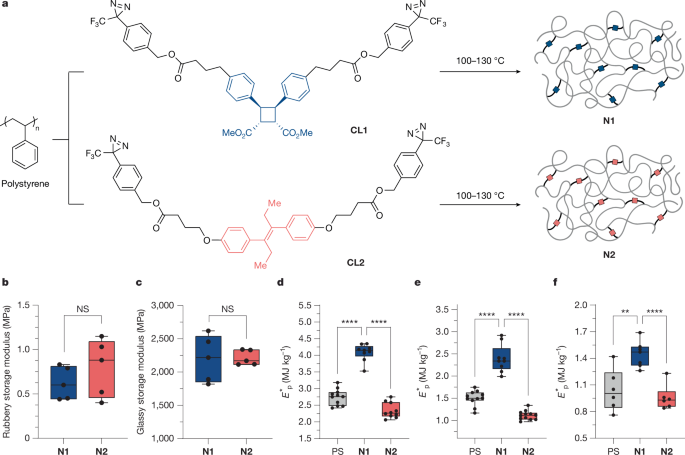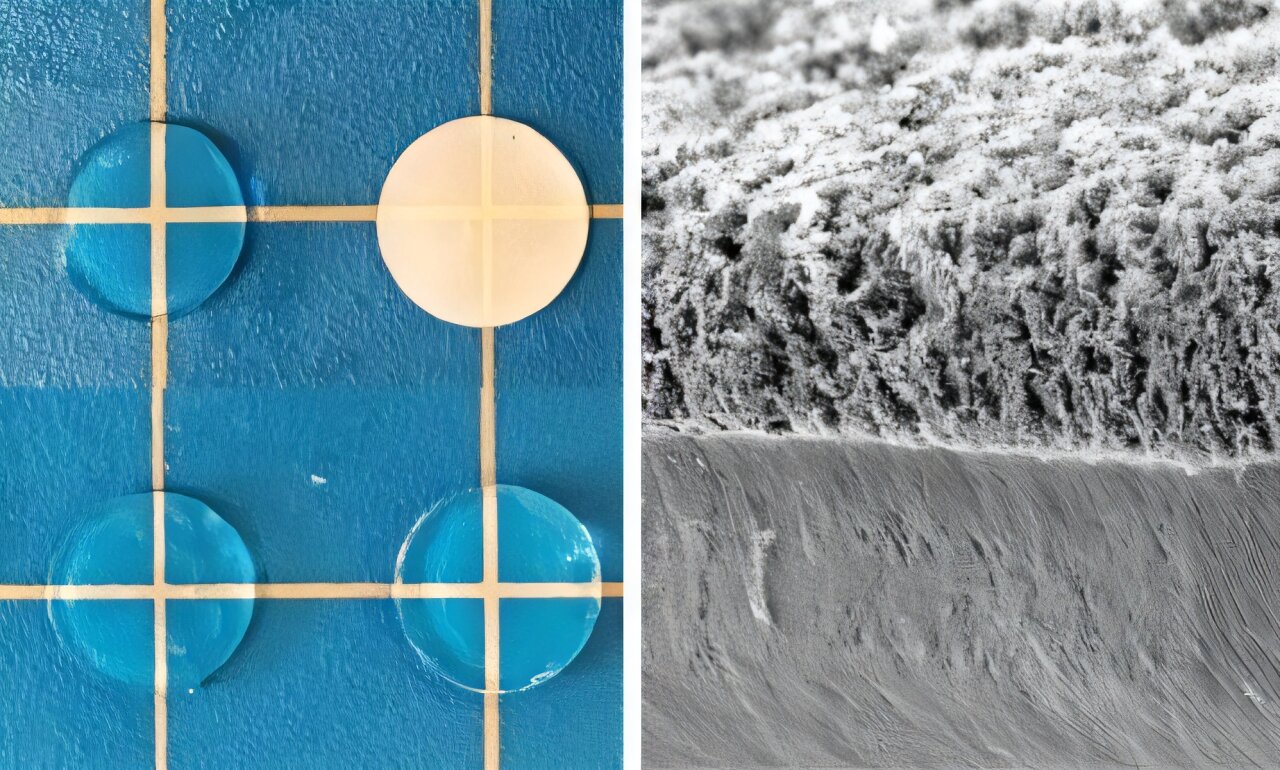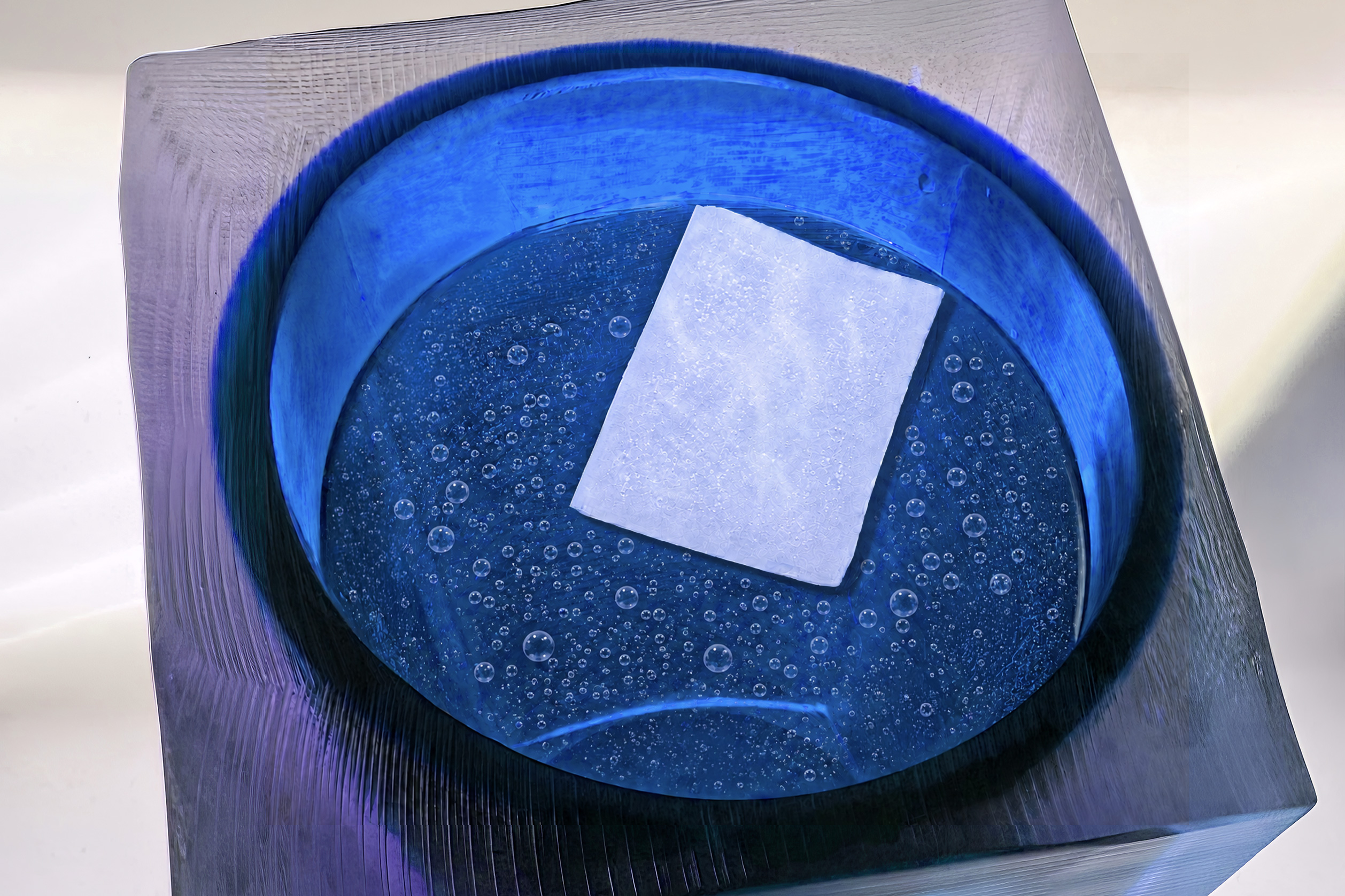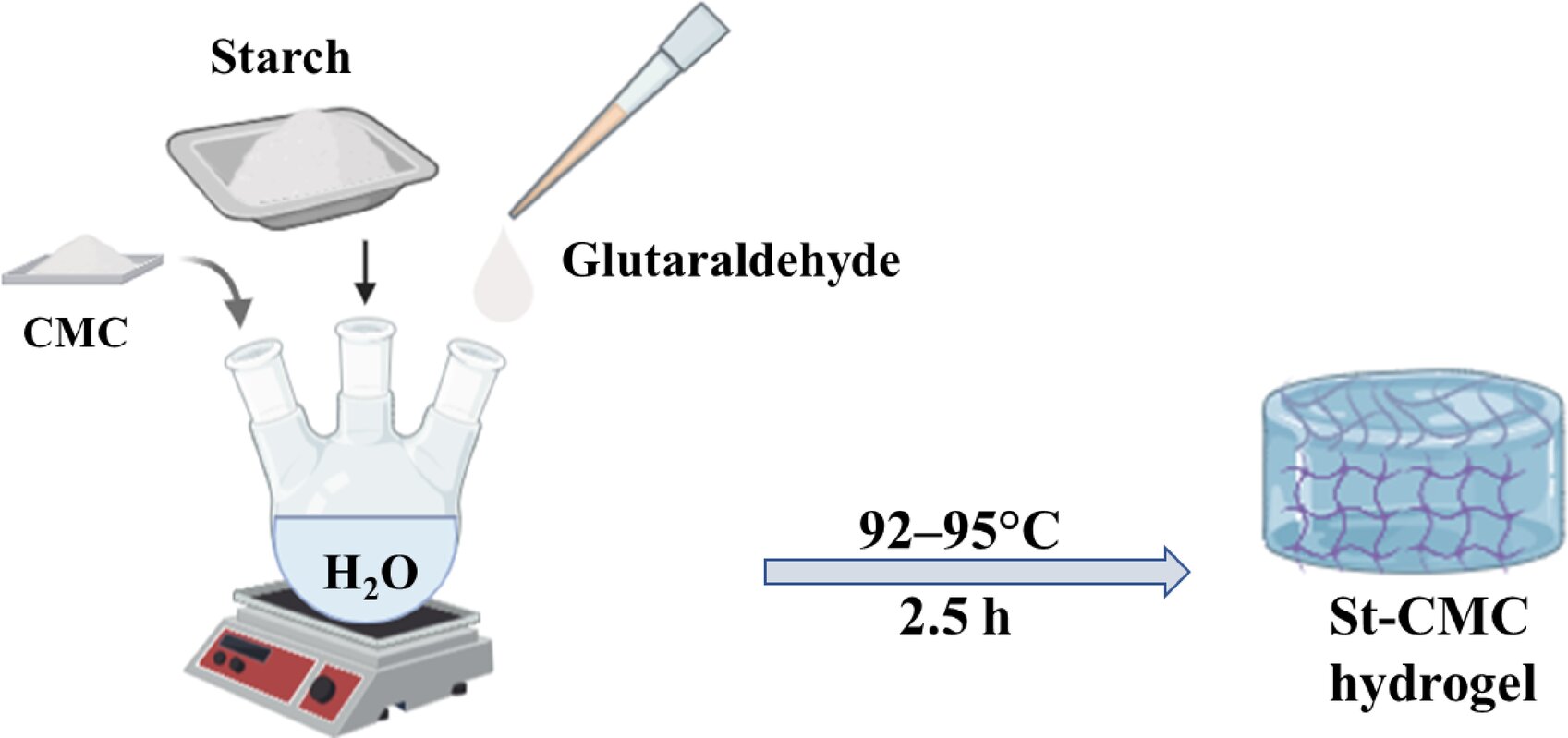
The schematic layout of the St-CMC hydrogel synthesis. Credit: Scientific Reports (2025). DOI: 10.1038/s41598-025-30594-1
As climate change, soil degradation, and water scarcity place growing pressure on agriculture, scientists are looking for new ways to help crops germinate and grow more efficiently while reducing environmental impact. A new study involving researchers from Nazarbayev University's National Laboratory Astana published in Scientific Reports proposes a promising solution: biodegradable hydrogel coatings made from natural polymers.
The research focuses on hydrogel formulations based on starch and carboxymethyl cellulose, two renewable and biodegradable materials. These hydrogels are designed to absorb and retain water, then gradually release it around seeds during germination. In agricultural settings, this function is especially important for dry or water-limited soils, where early seedling development can be highly vulnerable.
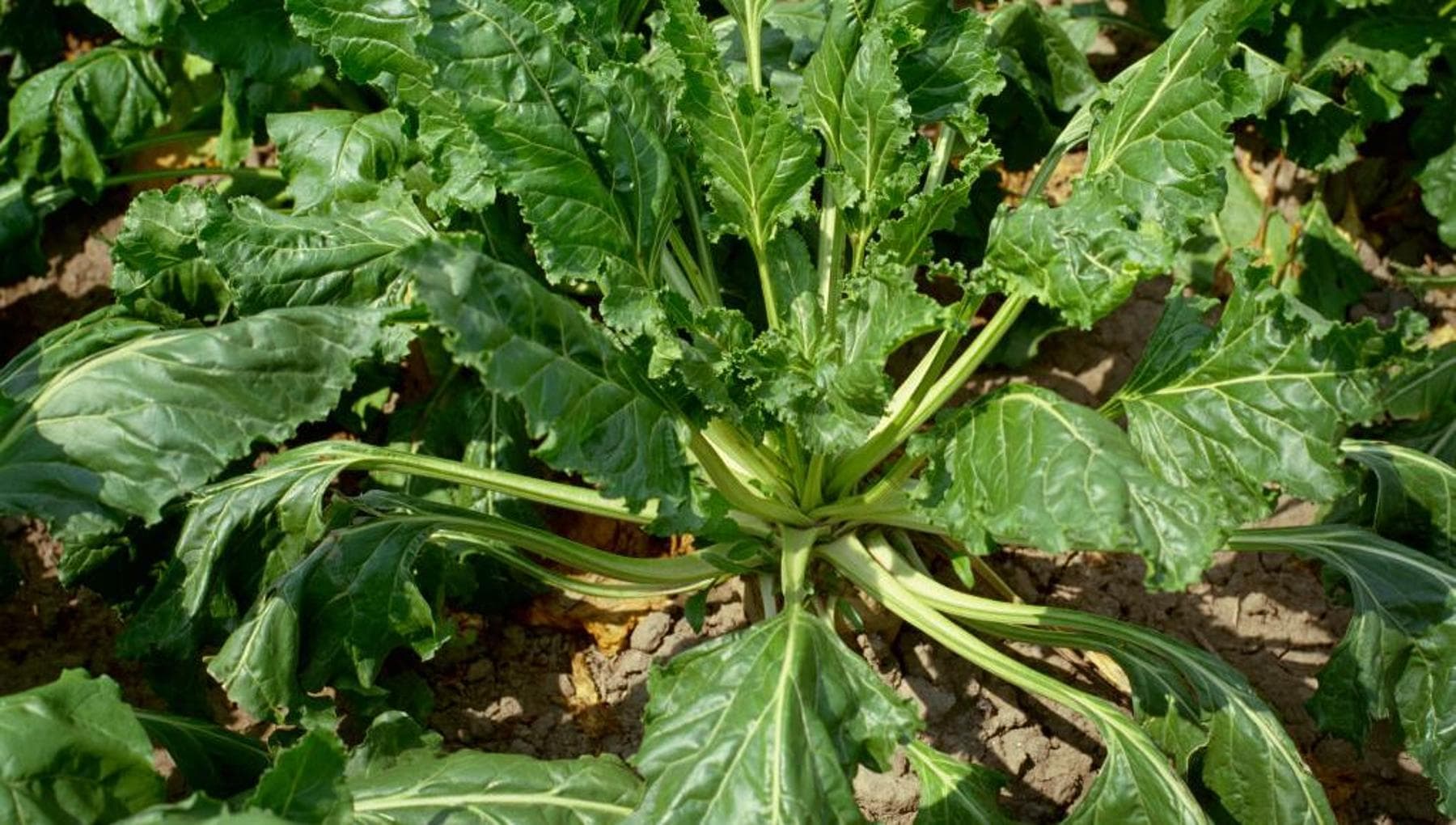
Unlike many conventional superabsorbent materials, which are often derived from petroleum-based polymers, the newly developed hydrogels contain a high bio-based content. The team synthesized hydrogels using different ratios of starch and carboxymethyl cellulose and evaluated their structure, swelling behavior, biodegradability, and effect on sugar beet seed growth.