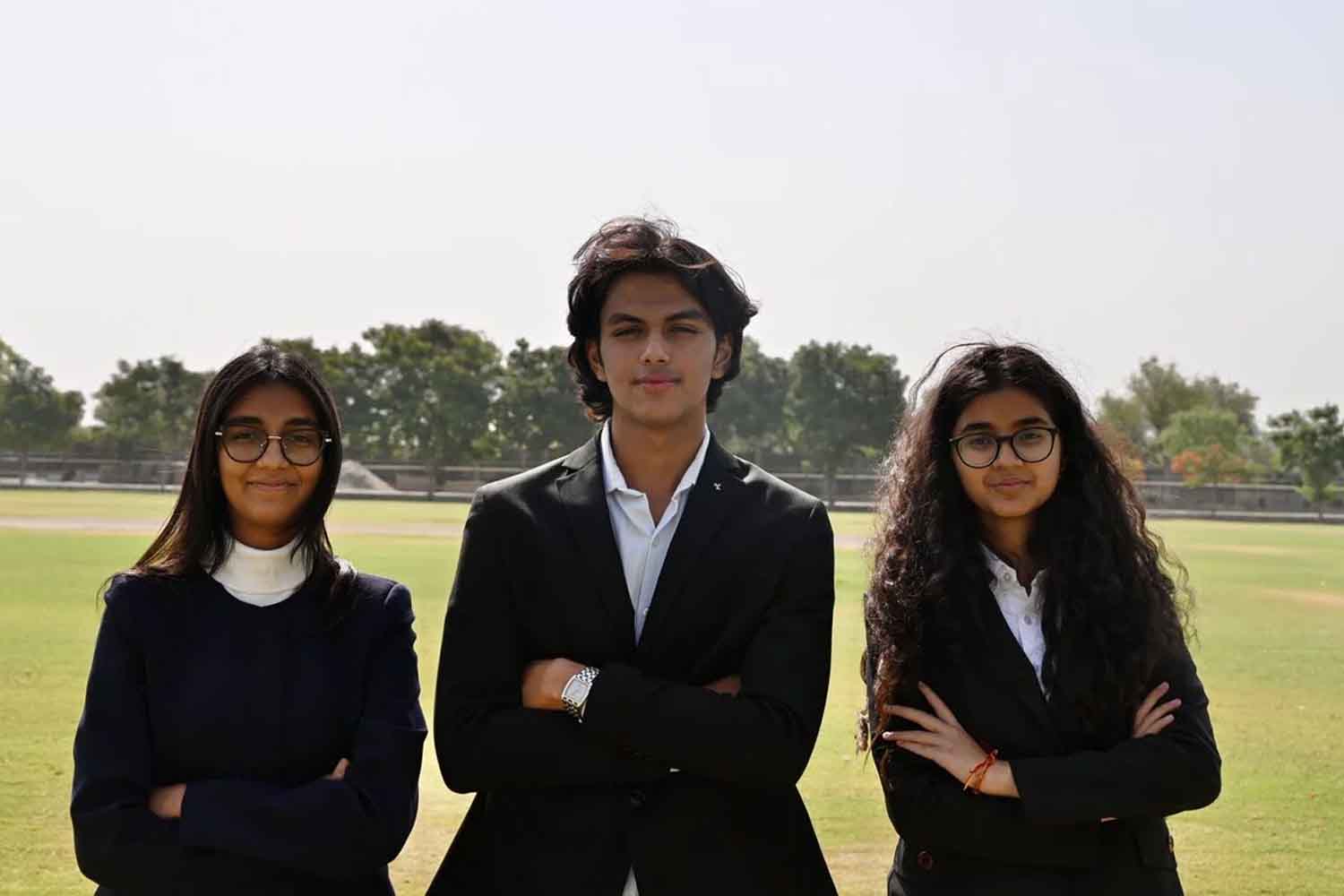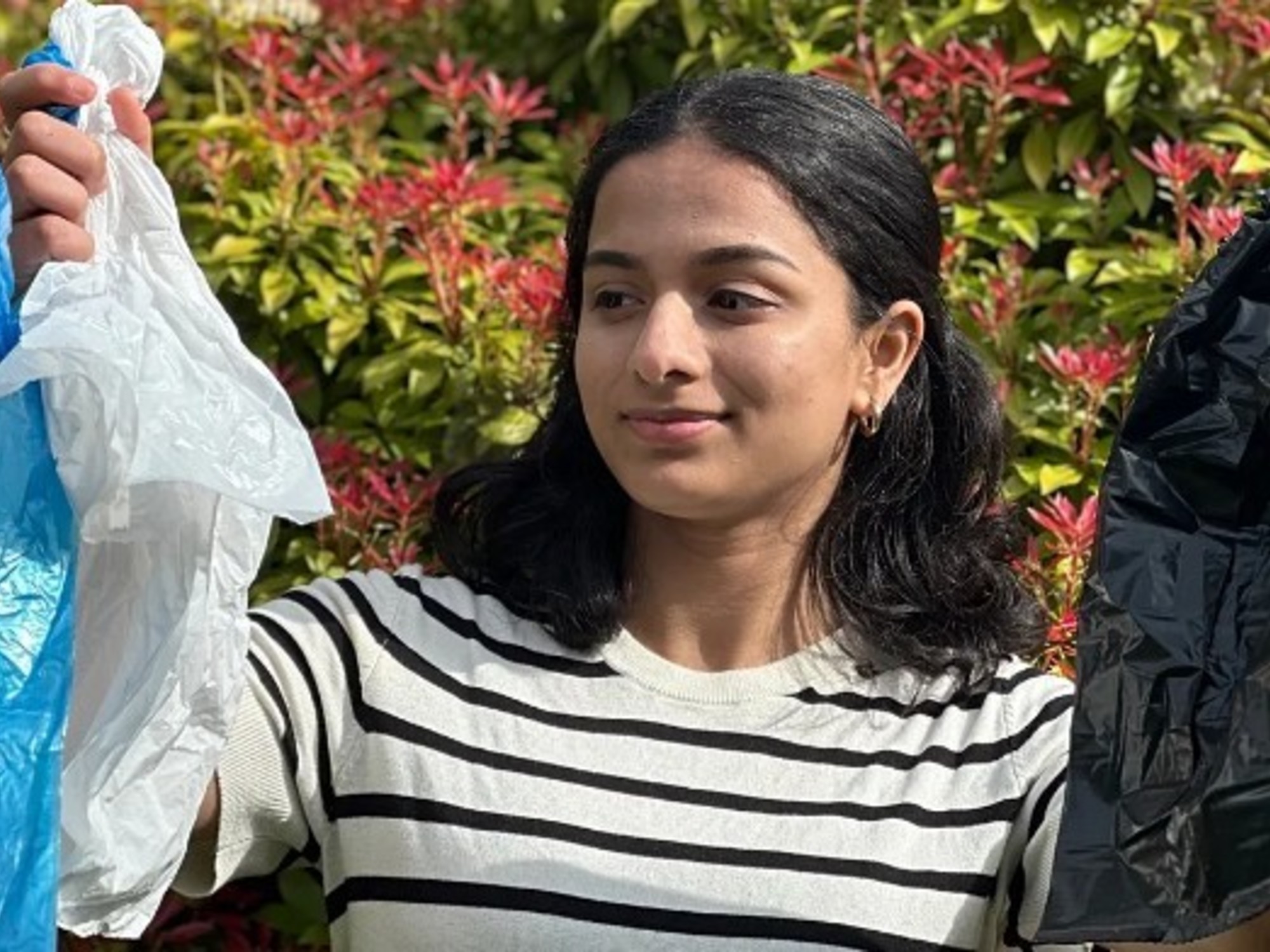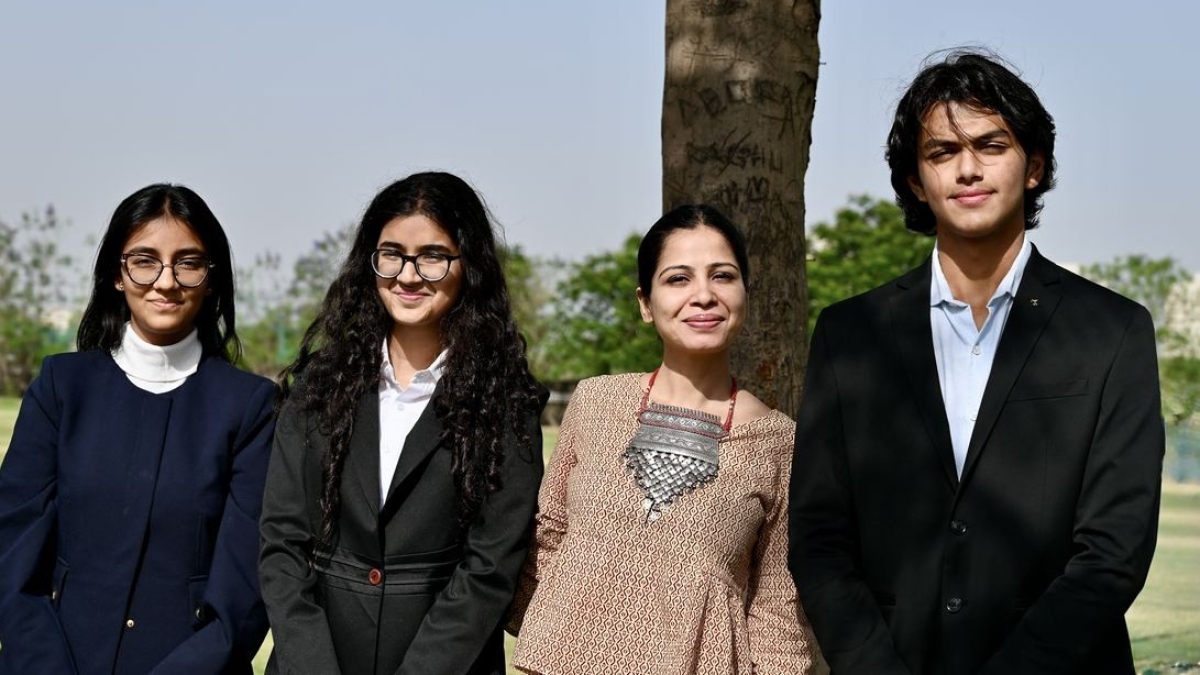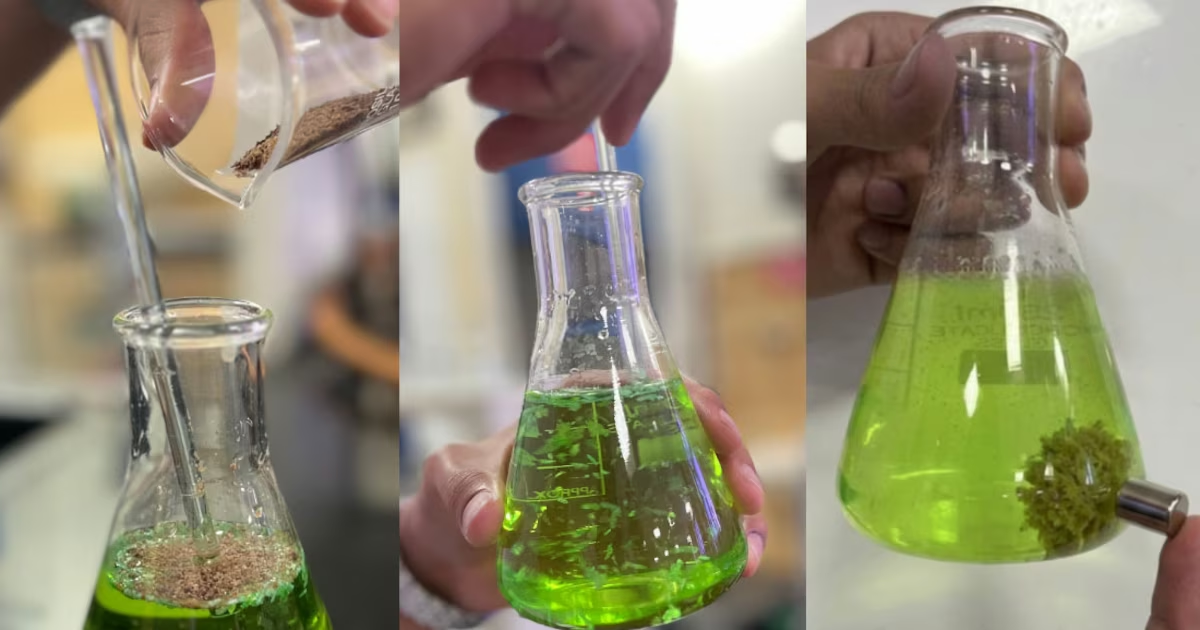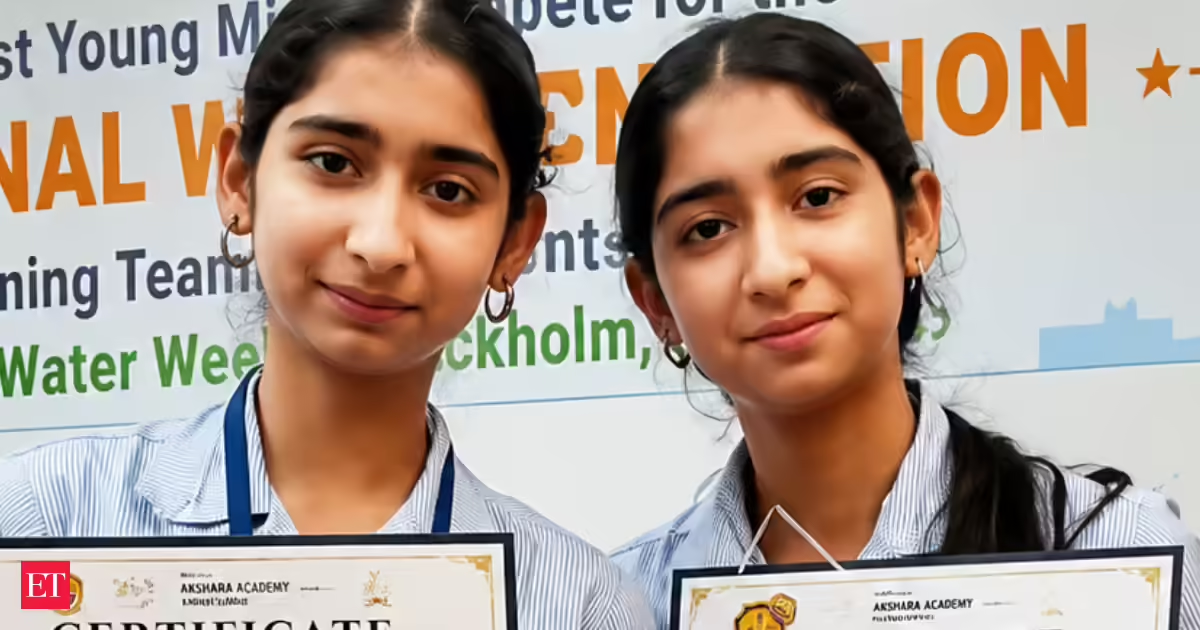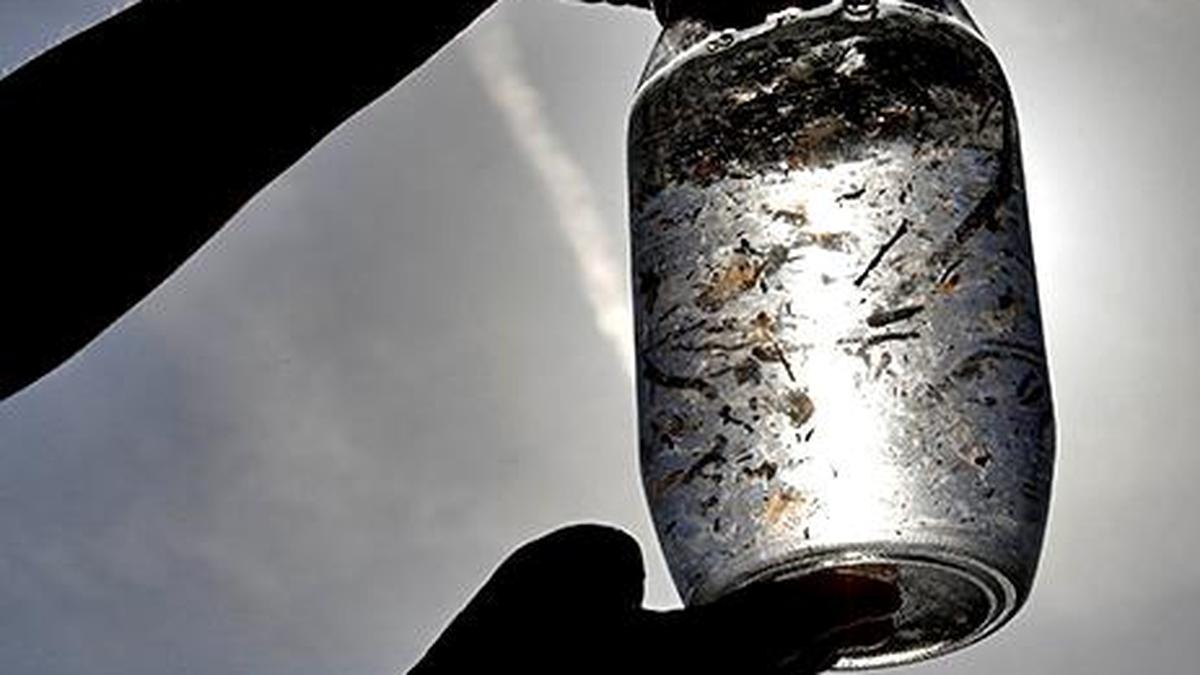
Microplastics have become a major environmental problem that is currently threatening our ecosystems and health. When plastic waste breaks down over time, they become tiny particles which are less than 5mm in length -- a.k.a., microplastics. While this is an emerging area of study, we already know that our water sources, agricultural fields, and even fish are polluted by microplastics.In 2025, a study commissioned by the Delhi government found the presence of microplastics in groundwater samples collected from 11 of its 13 districts. But, how do we deal with a problem that we cannot see? RO purifiers are effective to some extent but they are cost-intensive and unaffordable to the large masses of our population. Three teenagers from Rajasthan decided to find a solution to this crisis, and their innovation has now bagged The Earth Prize 2026 for Asia region.Avyana Mehta, Vivaan Chhawchharia and Ariana Agarwal are students of Jayshree Periwal International School, Rajasthan. Their innovation, called Plas-Stick, is now becoming popular among environmental enthusiasts. In a chat with The Hindu Teen Digest, the trio speaks about their innovation and motivation.The solutionPlas-Stick is a biodegradable powder made of tamarind seeds. When dissolved in water and stirred for a few minutes, it causes the microplastics to clump. They can then be removed with a handheld magnet. “This process can retrieve about 90% of microplastics from a given sample of water,” says Ariana. “Thus retrieved scrap can be recycled to make coasters and such other products!”
Seeds of change
Three teens from Rajasthan created Plas-Stick, a biodegradable solution to remove microplastics from water, winning The Earth Prize 2026.
1,196 words~5 min read