Limiting long-term global warming to below 1.5°C will require far more than cutting greenhouse gas emissions. According to climate scenarios outlined in the latest Assessment Report from the Intergovernmental Panel on Climate Change (IPCC), the world will also need technologies capable of removing and storing hundreds of billions of tons of carbon dioxide (CO2) already in the atmosphere.
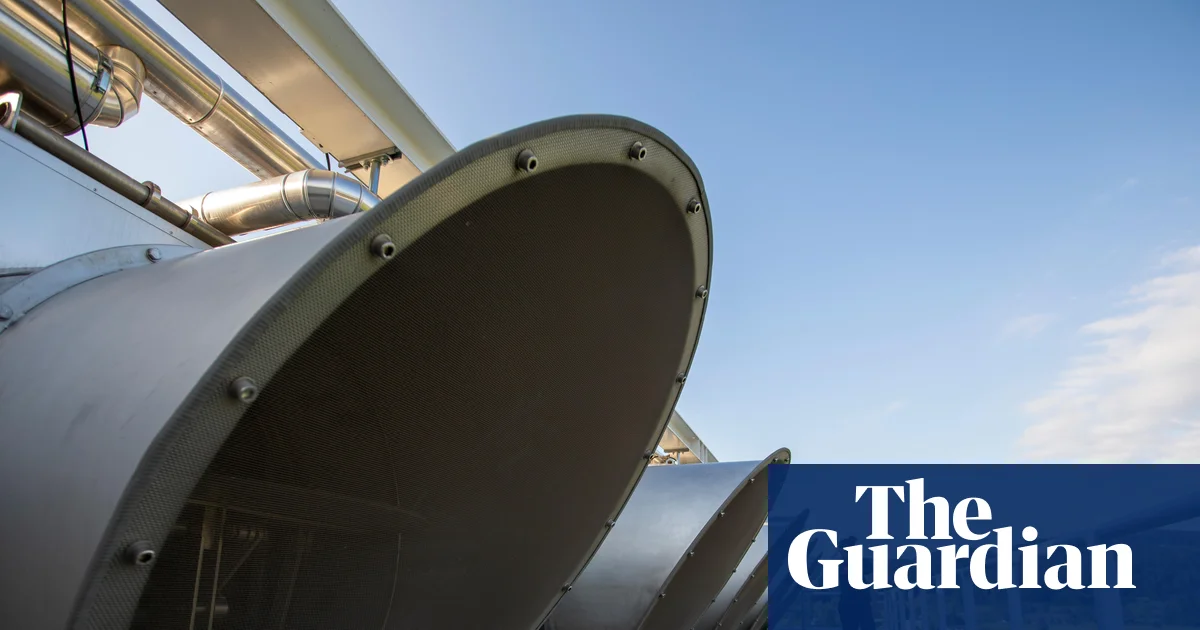
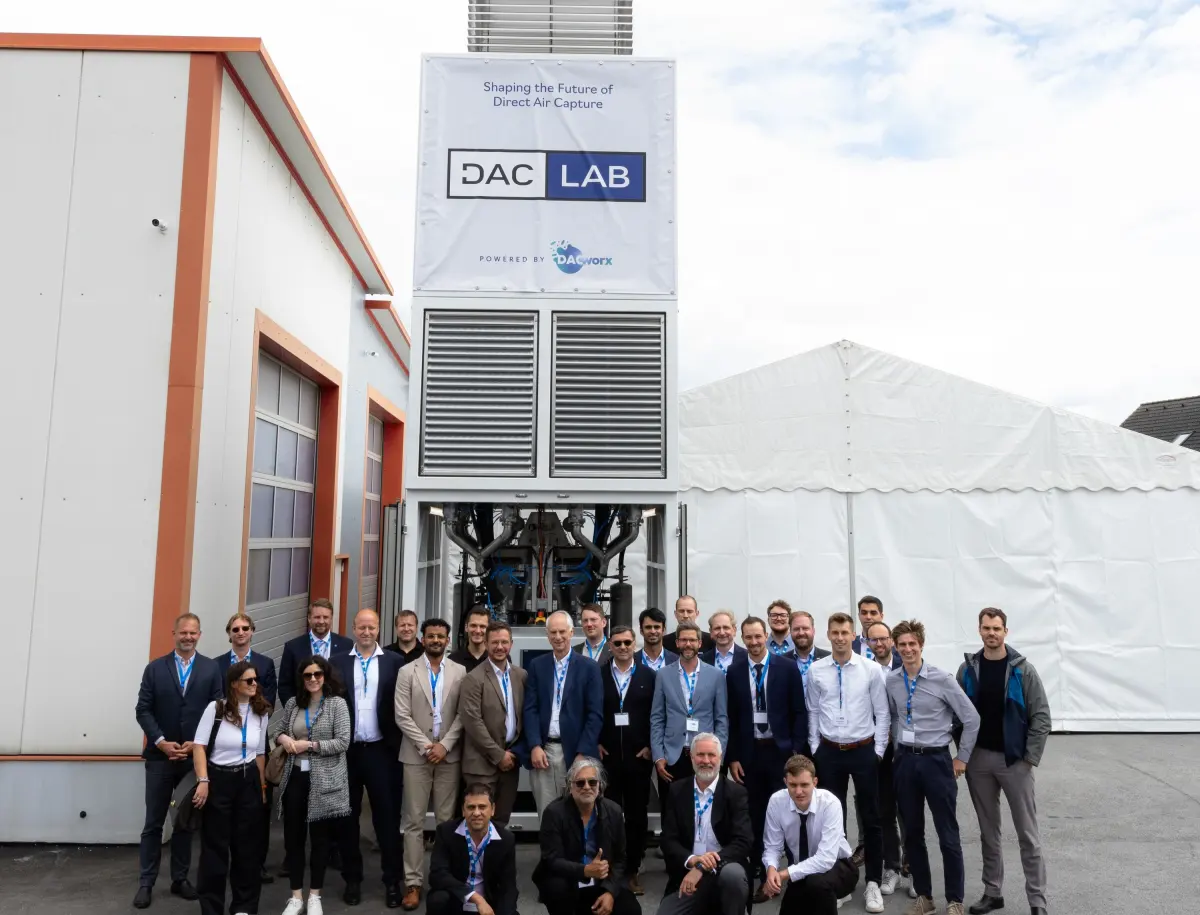
One approach receiving growing attention is direct air capture (DAC), a process that removes CO2 directly from the air. Companies and research teams have spent years developing DAC systems, and ETH Zurich spin-off Climeworks, founded in 2009, was among the first to bring the technology to market. Despite this progress, capturing carbon from the atmosphere remains expensive and requires large amounts of energy.
Protein Beads Made From Food Industry Waste
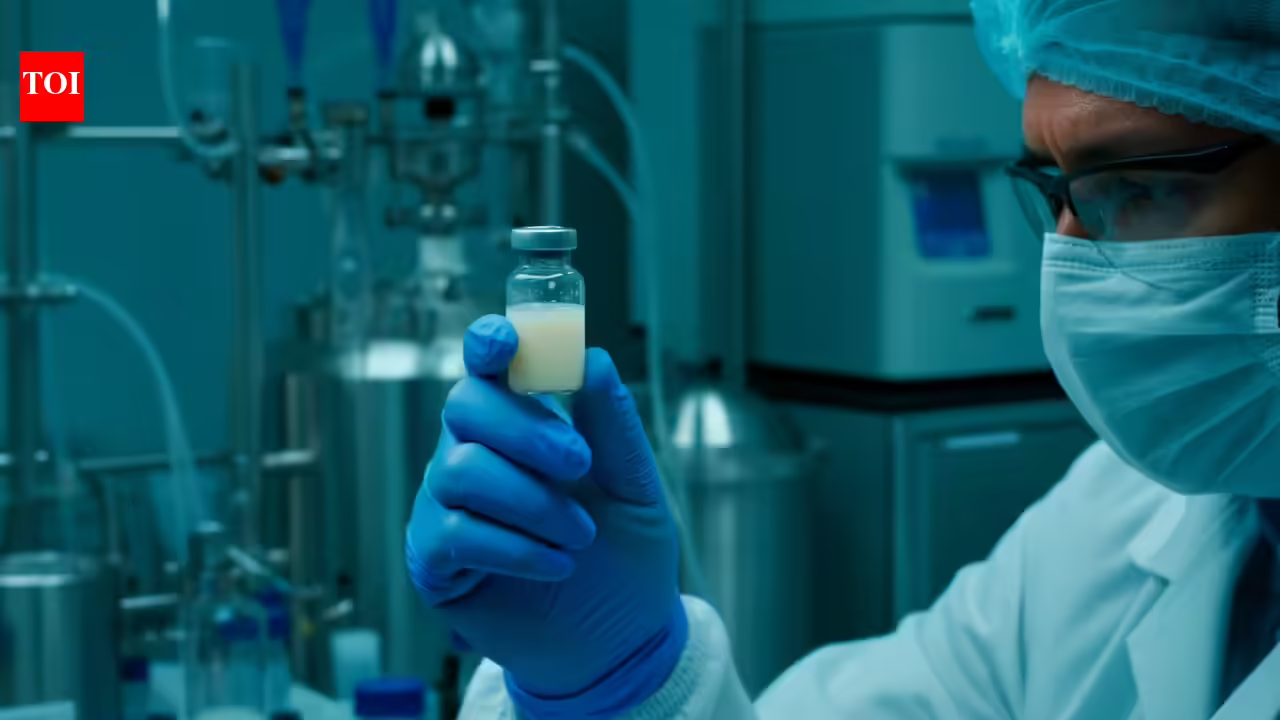
Researchers at ETH Zurich have now developed a new carbon capture material made from an unexpected source: waste products from dairy and tofu manufacturing.
In a study published in PNAS, a team led by materials scientist Raffaele Mezzenga, a professor in ETH Zurich's Department of Health Sciences and Technology, describes a method that uses whey and byproducts from tofu production to absorb CO2.