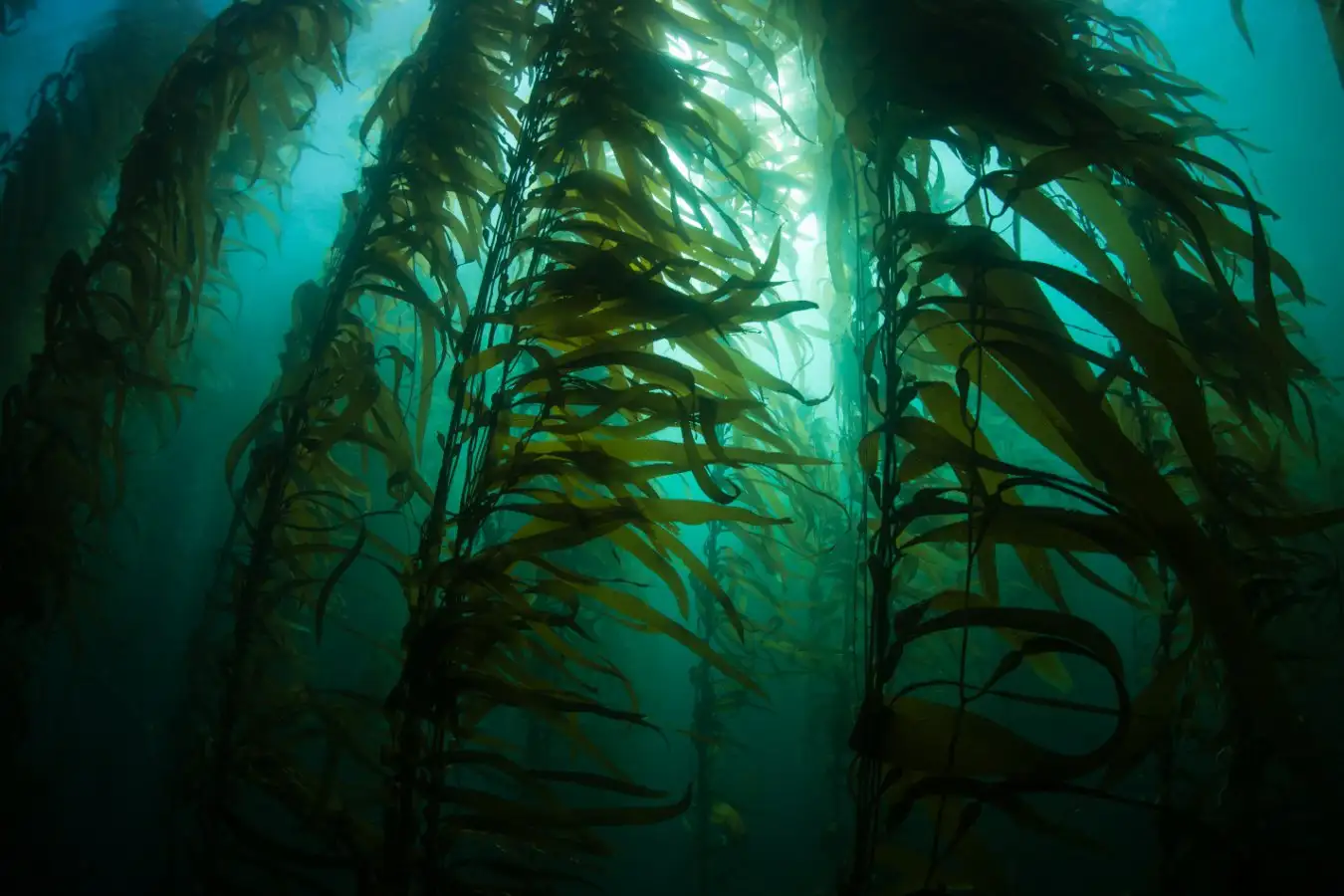
Giant kelp has been hailed as a climate saviourShutterstock/Ethan Daniels
Tens of millions of dollars have been invested in growing seaweed to absorb carbon dioxide and slow climate change. But due to unwanted side effects, this technique could fail to significantly decrease the CO2 in the atmosphere, and it might even increase it.
Carbon dioxide removal (CDR) will be needed to meet the Paris Agreement goal of limiting global warming to 2°C, according to the UN, and many have hoped seaweed could be a cheap way to do that. The US start-up Running Tide raised $70 million to grow seaweed on pucks of wood that would eventually become sodden and sink to the deep sea, sequestering the carbon, but it ran out of financing and closed last year.
Dutch company Kelp Blue has raised at least $2 million to expand the seaweed that it is currently growing to produce sustainable agricultural fertiliser in Namibia. Because small particles of this seaweed may break off and drift into the depths, it claims it could eventually “sequester and offset” up to 500 million tonnes of CO2 per year.
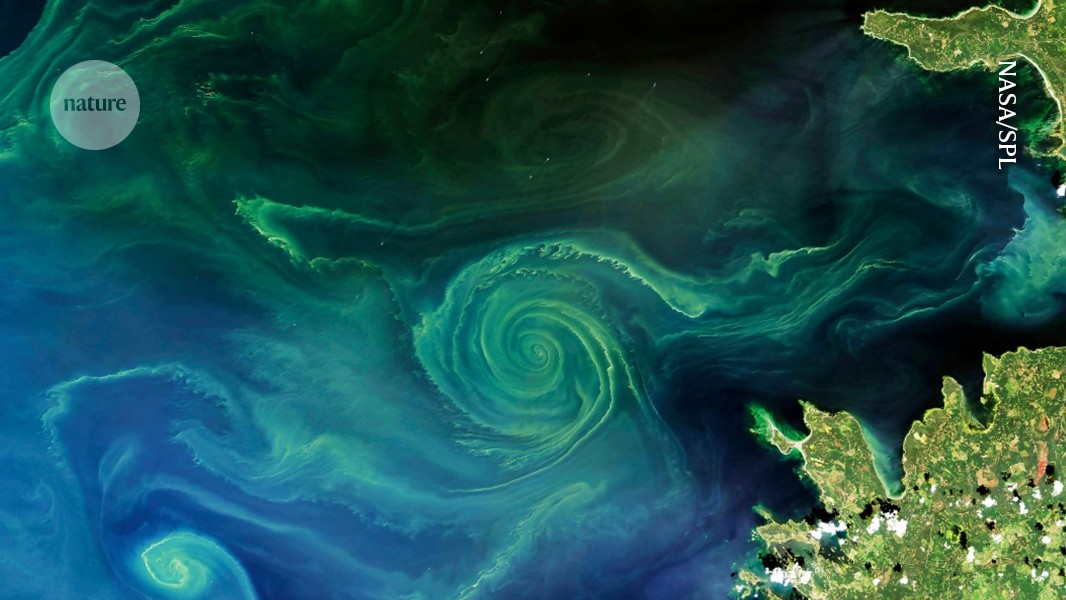
But a global seaweed-cultivation programme could in many places rob nutrients from phytoplankton, which also sequester carbon when they die and sink to the depths, two studies have found.