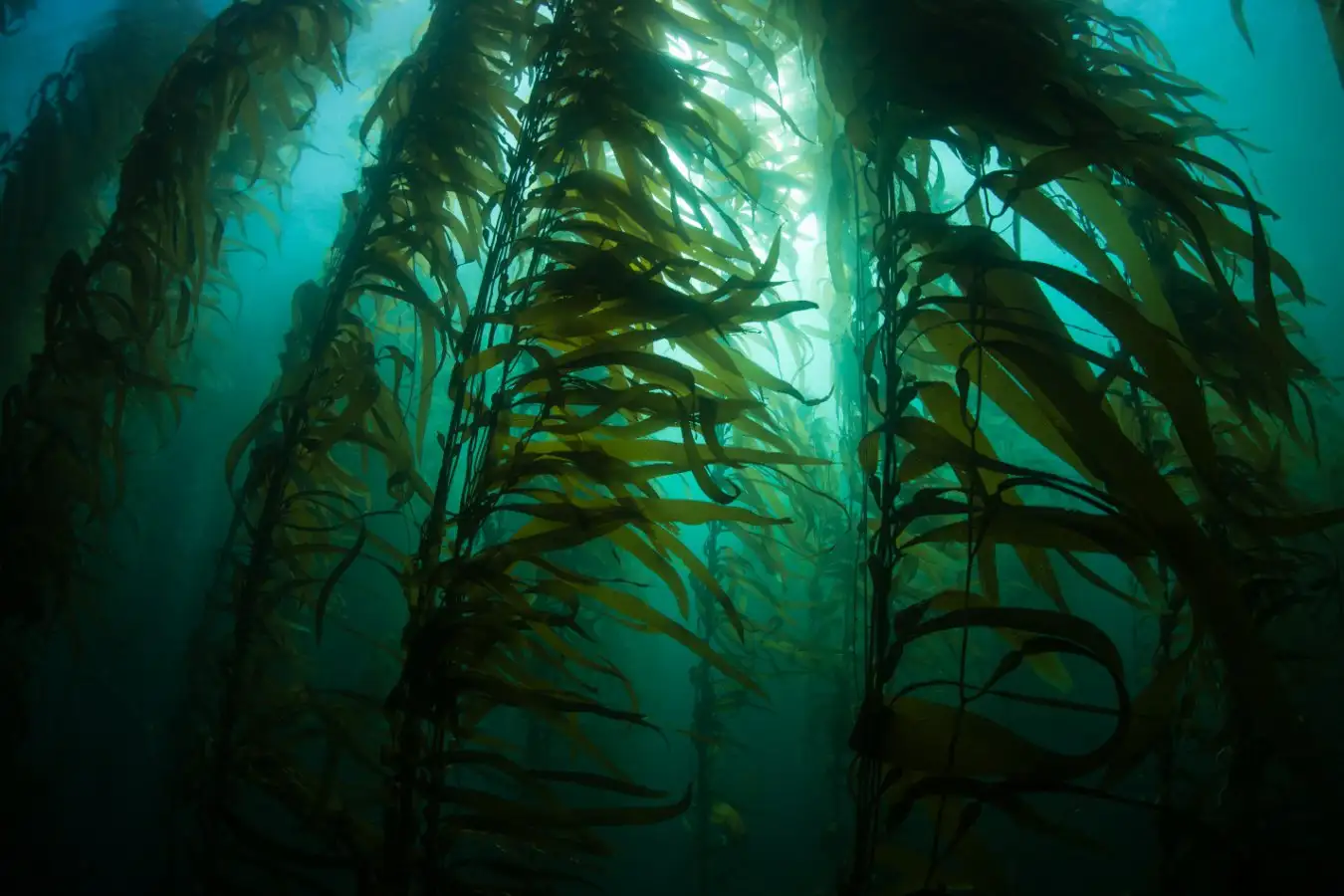
MIT Technology Review’s What’s Next series looks across industries, trends, and technologies to give you a first look at the future. You can read the rest of them here.In the early 2020s, a little-known aquaculture company in Portland, Maine, snagged more than $50 million by pitching a plan to harness nature to fight back against climate change. The company, Running Tide, said it could sink enough kelp to the seafloor to sequester a billion tons of carbon dioxide by this year, according to one of its early customers. Instead, the business shut down its operations last summer, marking the biggest bust to date in the nascent carbon removal sector. Its demise was the most obvious sign of growing troubles and dimming expectations for a space that has spawned hundreds of startups over the last few years. A handful of other companies have shuttered, downsized, or pivoted in recent months as well. Venture investments have flagged. And the collective industry hasn’t made a whole lot more progress toward that billion-ton benchmark.The hype phase is over and the sector is sliding into the turbulent business trough that follows, warns Robert Höglund, cofounder of CDR.fyi, a public-benefit corporation that provides data and analysis on the carbon removal industry. “We’re past the peak of expectations,” he says. “And with that, we could see a lot of companies go out of business, which is natural for any industry.”
What’s next for carbon removal?
Companies have still drawn down only enough CO2 to cancel out a few hours of US emissions. Here’s what it will take to really scale up the sector.
2,492 words~11 min read