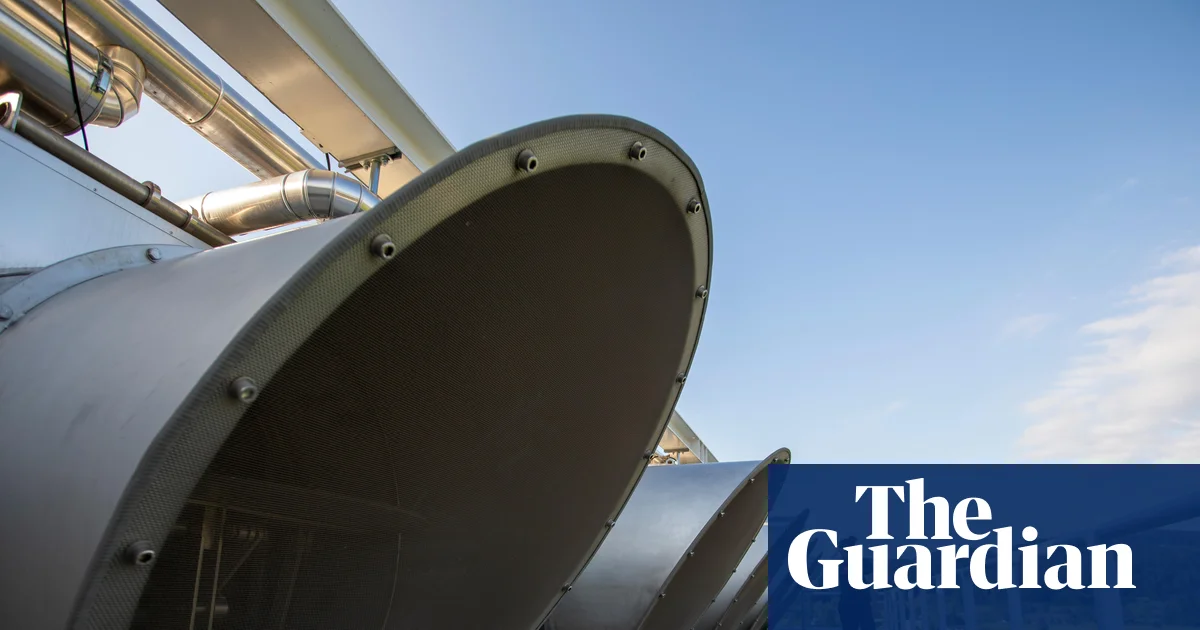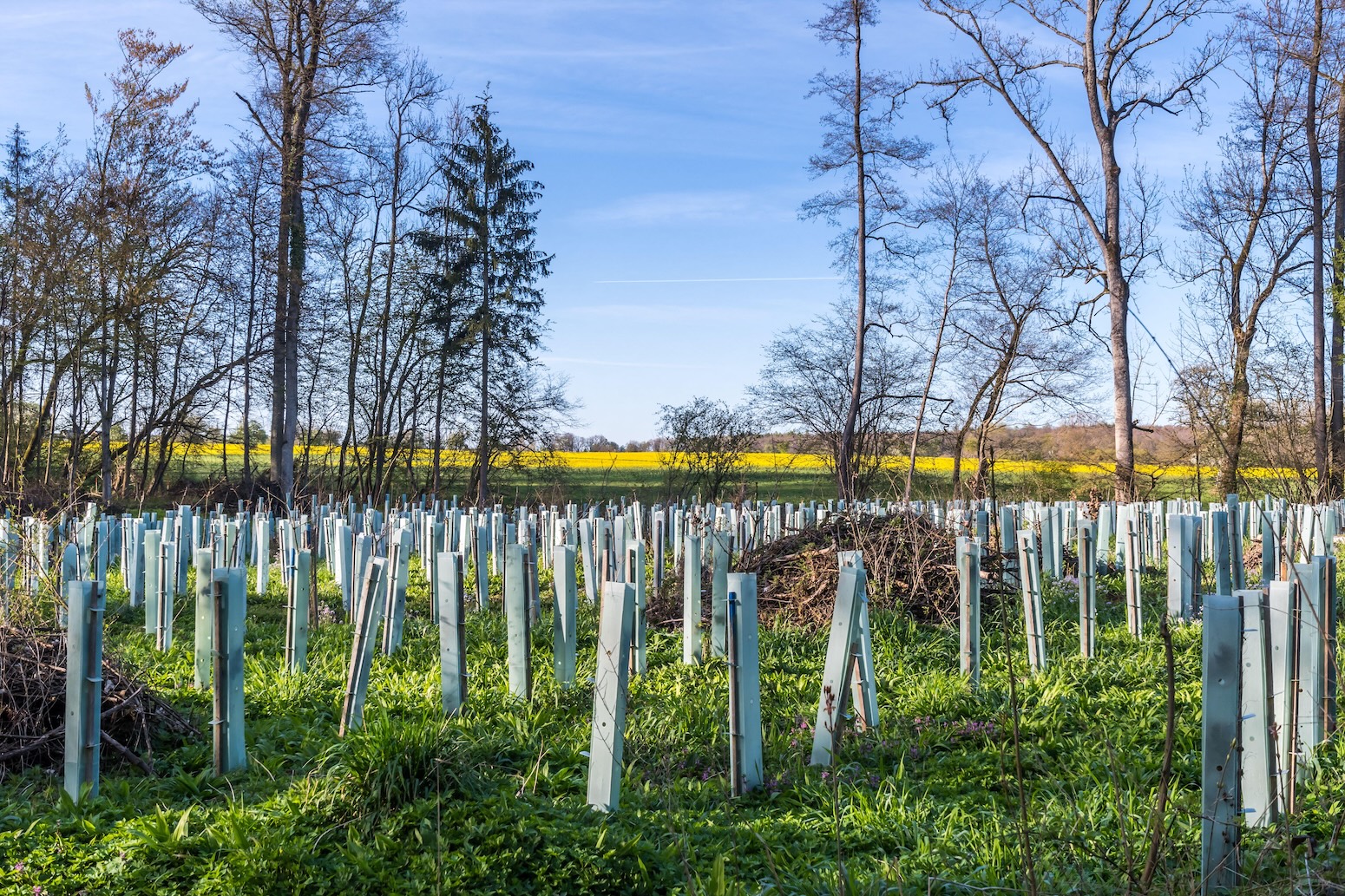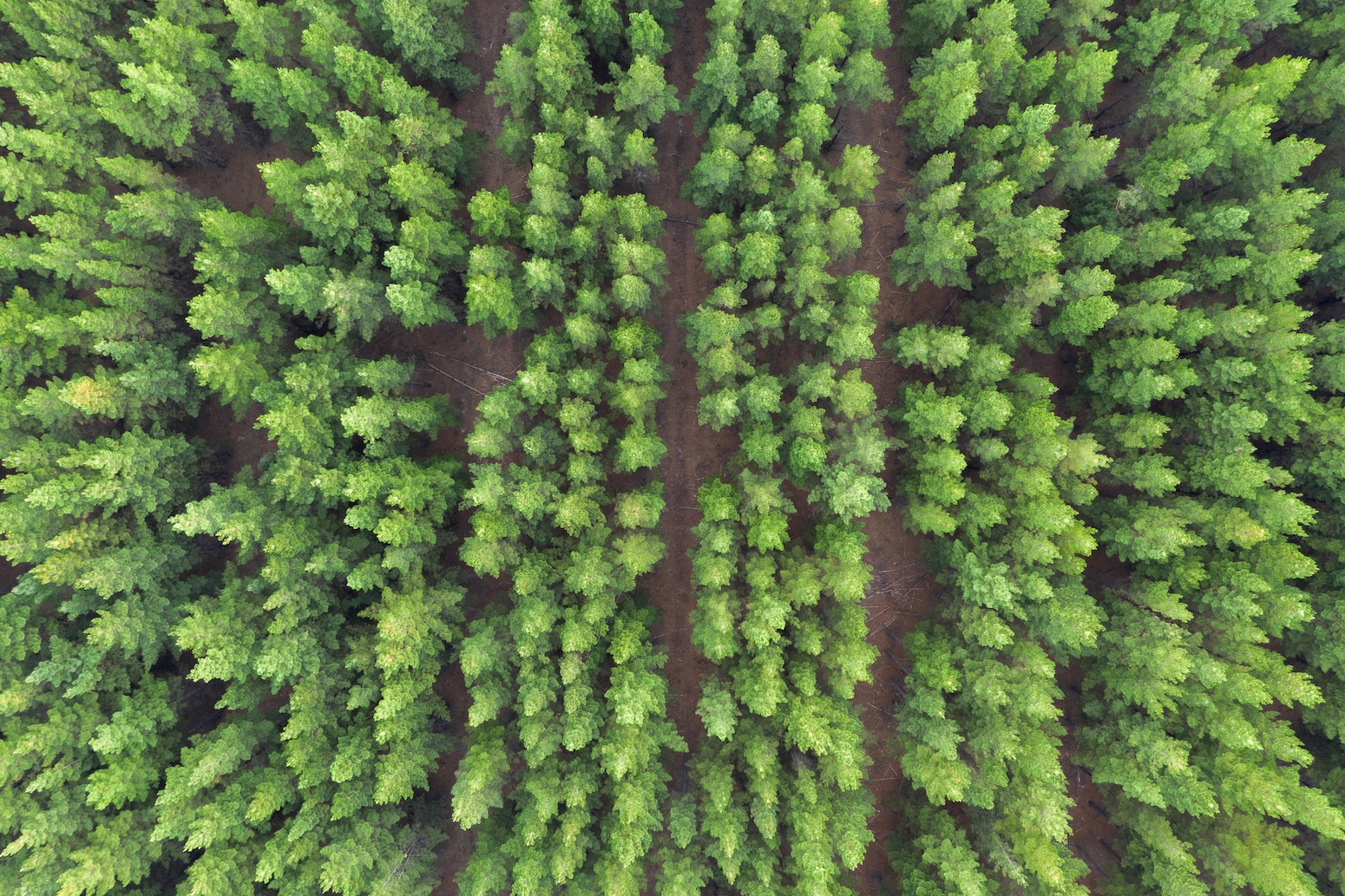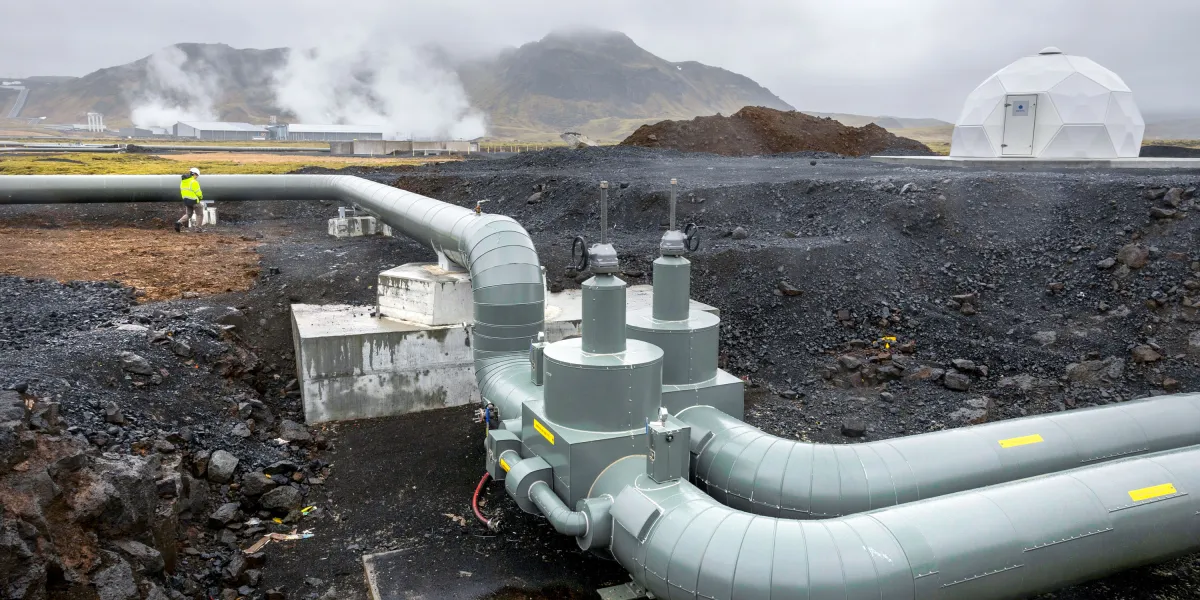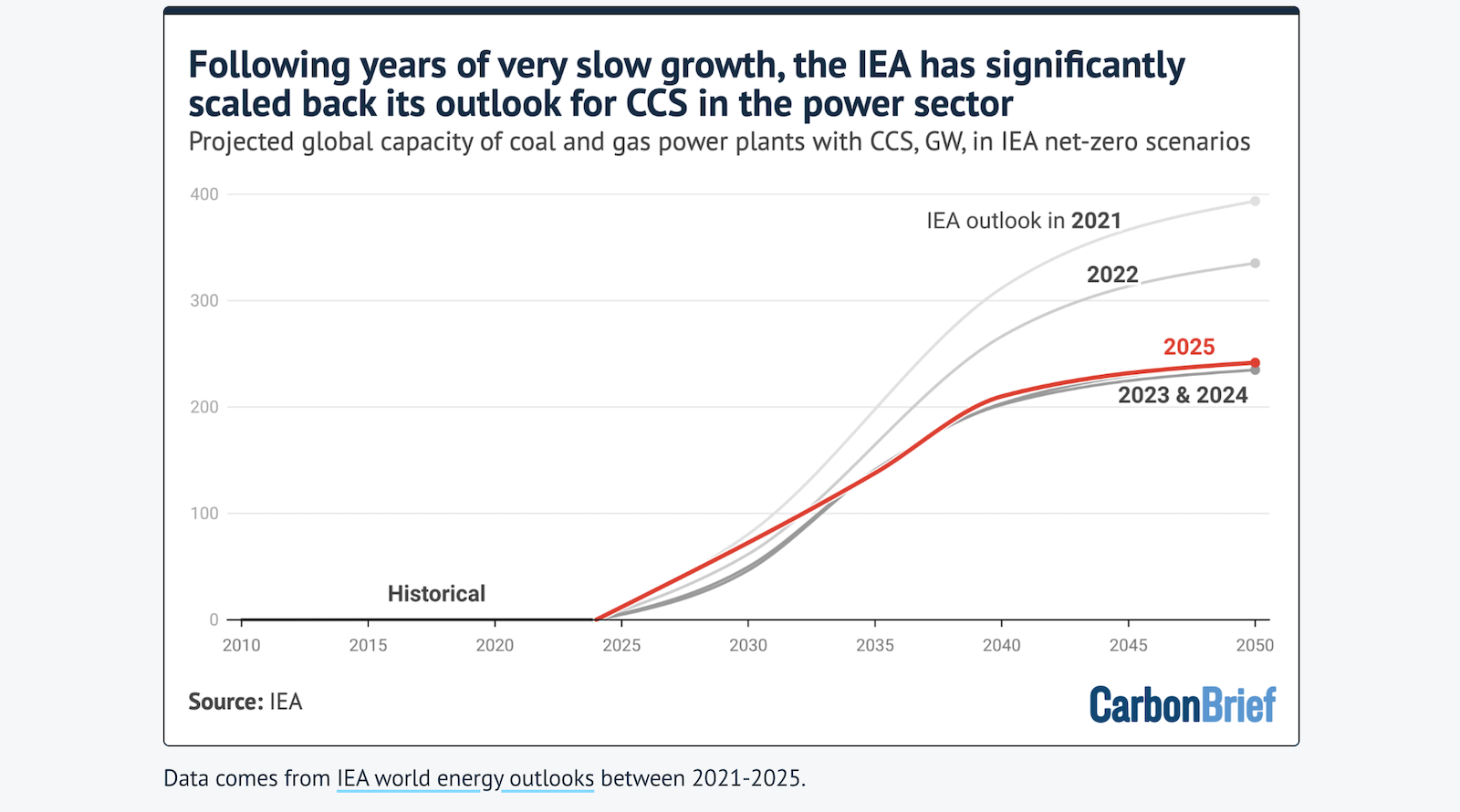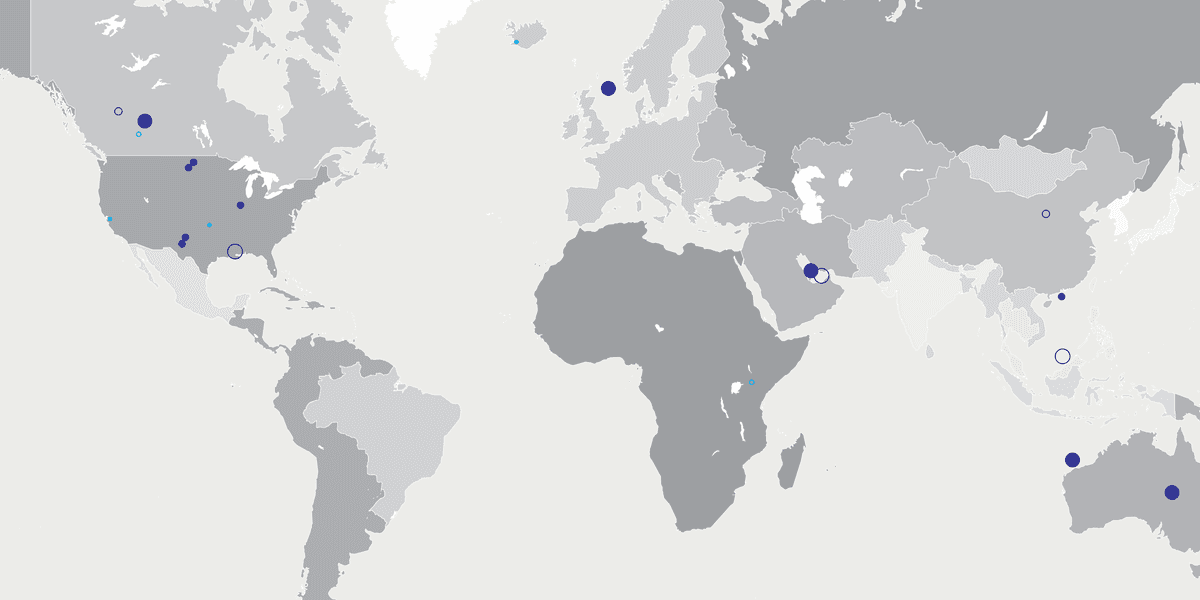
Plans to end global warming hinge on driving net greenhouse gas emissions to zero (plus or minus a few gigatonnes). It’s not going well. CO2 emissions hit an all-time high last year, and for the first time average temperatures on Earth rose 1.5 °C above preindustrial levels. To limit warming to 2 °C, massive amounts of carbon dioxide will have to be sucked out of the atmosphere and locked away, according to the Intergovernmental Panel on Climate Change (IPCC).There are old and new ways to do this. The old methods—growing more and bigger trees in temperate and tropical forests, stuffing more carbon into soils—can be cheap, but they have limits. Forests burn, die from disease, or get cut down, releasing some of the carbon they store. Microorganisms eventually break down much of what’s in the soil. Both are hard to audit and constrained by available land. Another option—pulverized minerals spread on fields—can solidify airborne carbon. But like trees and soils, these approaches require a lot of land to sink a tonne of carbon.Enter the machines: Several companies are now deploying high-powered fans or pumps that chemically isolate CO2 from air or seawater and then pipe it to systems that inject it underground.But direct air capture (DAC) systems consume a lot of energy and reagents that currently produce toxic by-products. To make a significant dent in global warming, all known removal methods—both conventional and novel—will probably have to scale up until their unwanted consequences limit further expansion.What would it take to scale DAC to many billions of tonnes a year? Let’s take a look.
Scaling Carbon Capture: Can We Meet the Challenge?
What would it take to scale carbon removal technologies to remove billions of tonnes of carbon dioxide a year? These charts explain.
375 words~2 min read