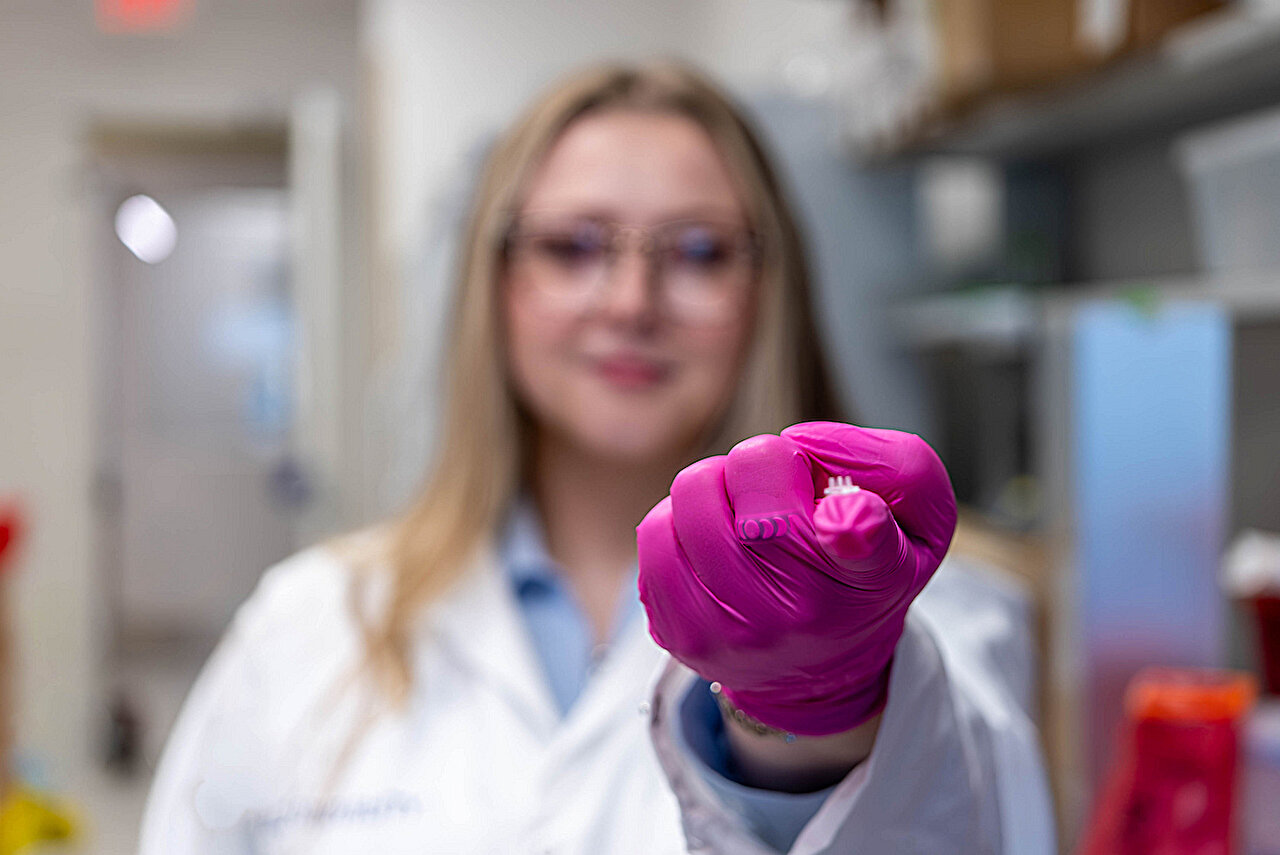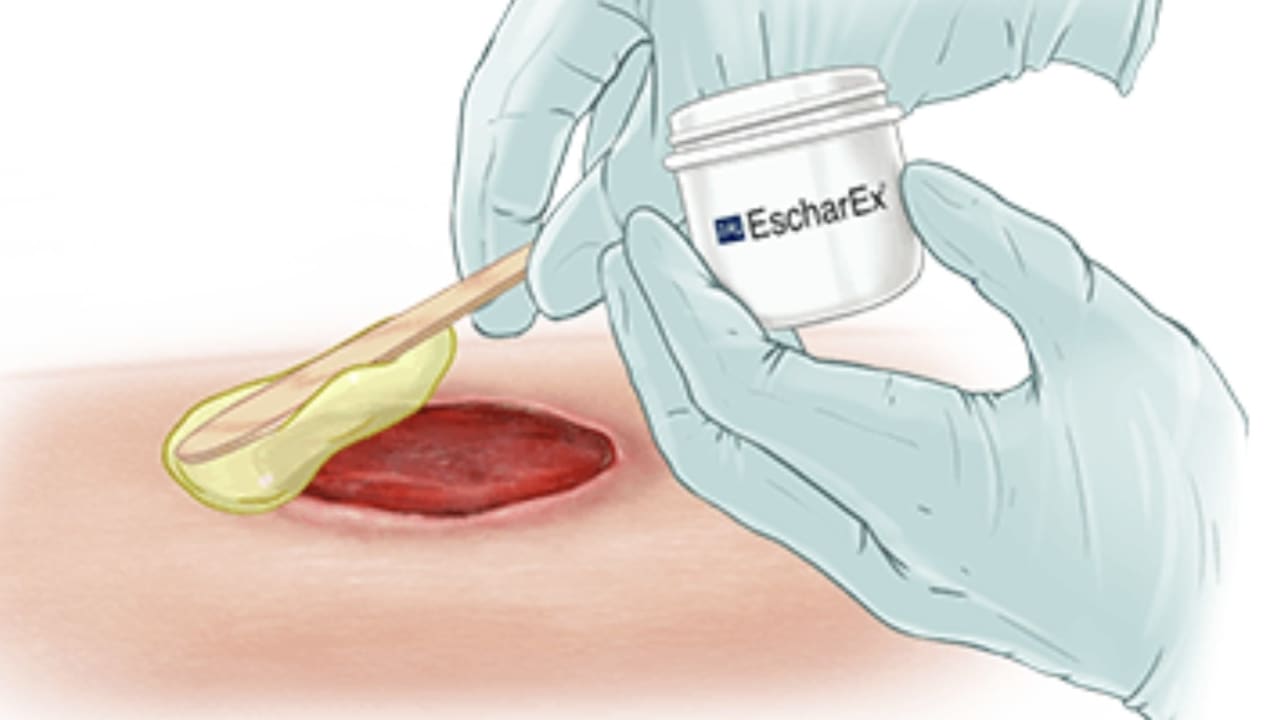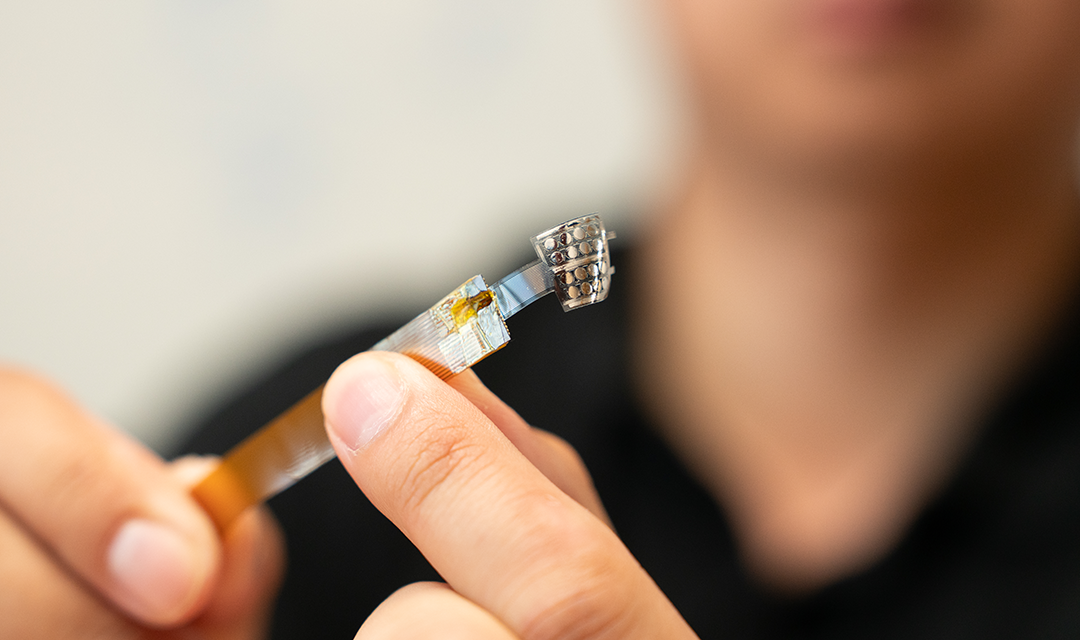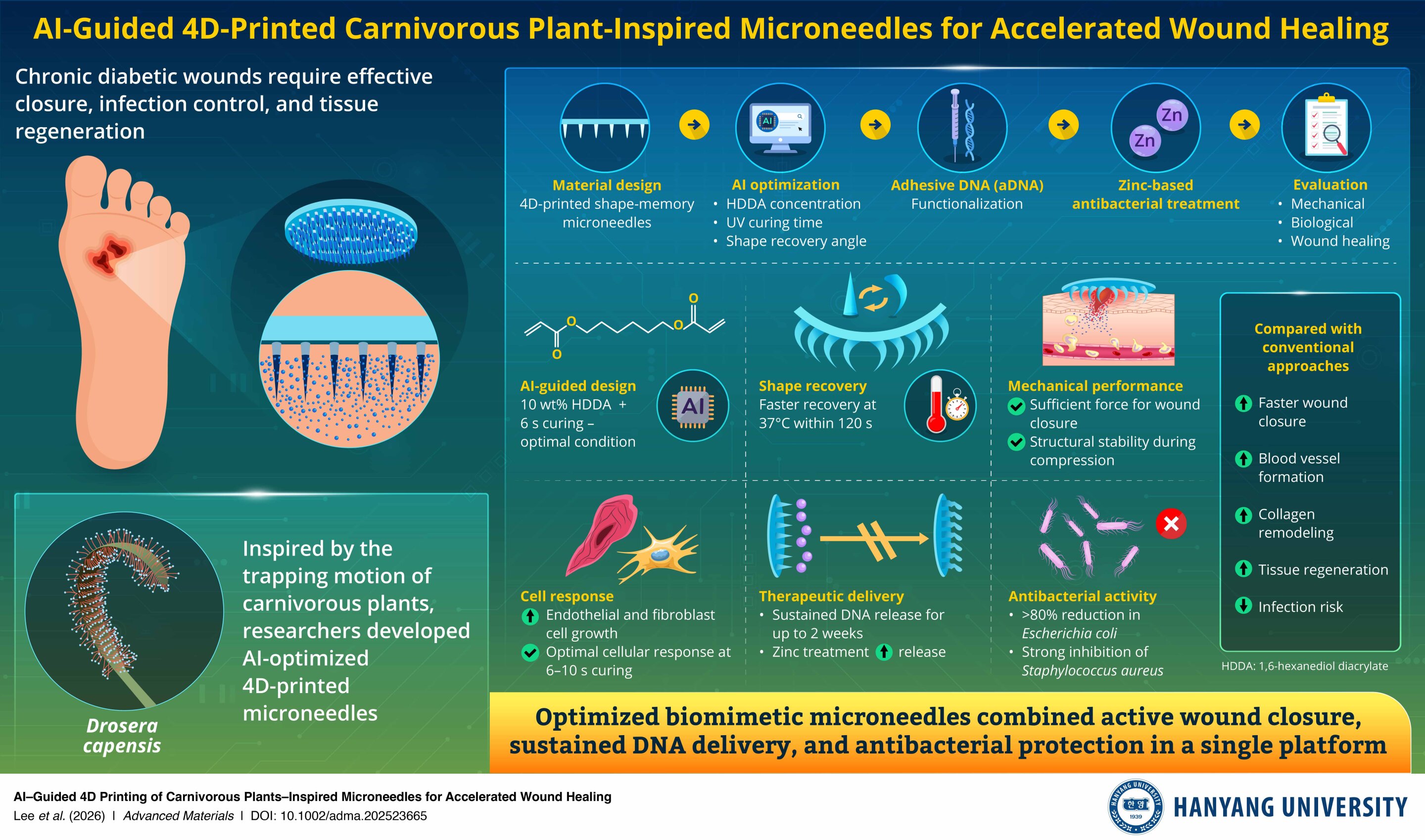
Researchers developed an AI-guided, 4D-printed microneedle patch inspired by the carnivorous plant Drosera capensis. The shape-changing device bends at body temperature to help close wounds while delivering regenerative DNA and antibacterial zinc treatment. In preclinical wound-healing experiments, the technology accelerated wound healing and promoted tissue regeneration. Credit: Hanyang University
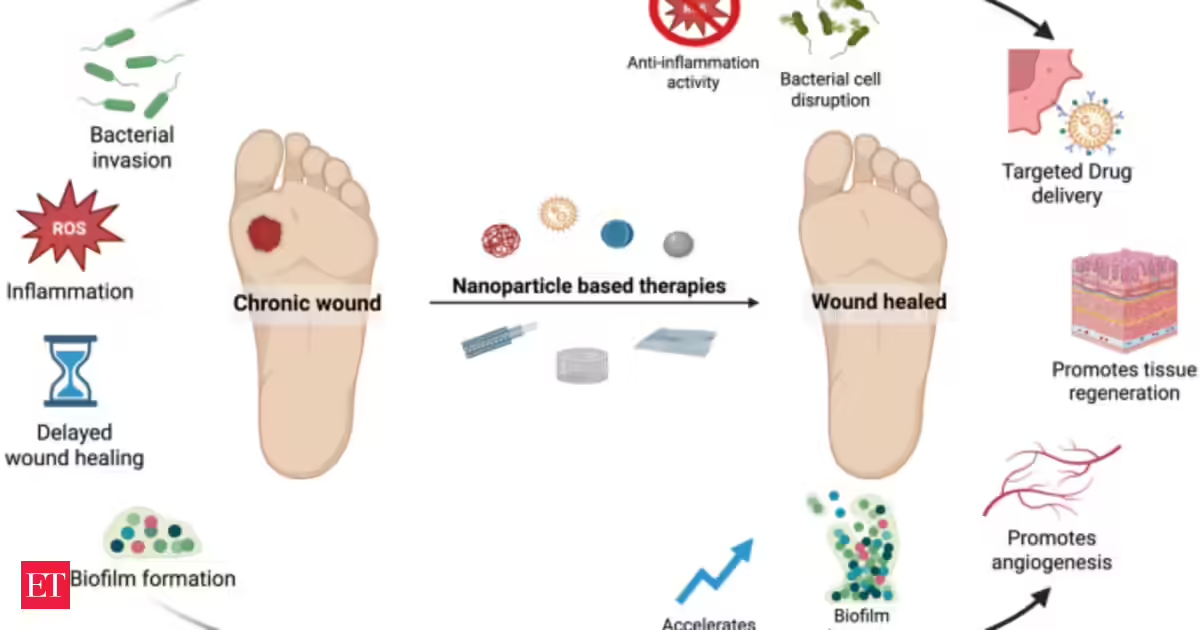
Chronic wounds remain a major health care challenge, especially for people with diabetes, who often experience delayed healing, persistent inflammation and a higher risk of infection. Traditional wound-closure methods such as sutures, staples and adhesives can help bring wound edges together, but they do not actively respond to the body's healing process.
Scientists are therefore exploring biomaterials that can adapt to biological environments while promoting tissue repair and preventing infection.
From plant behavior to patch design
Associate Professor Hyun-Do Jung from Hanyang University and his team, based in Korea, have now developed an artificial intelligence (AI)-guided microneedle patch that actively changes shape at physiological temperature (37°C) to help close wounds while delivering regenerative therapy and antibacterial protection.