Wound assessment by medical professionals relies largely on visual inspection, which can be challenging due to its subjective nature. Nitric oxide (NO) plays an important role in healing, as it is produced by immune cells during inflammation and acts as a key signal to coordinate recovery. However, measuring NO in wounds is difficult for several reasons. It has a short lifespan, breaking down in a matter of seconds, so detection tools must work almost instantly to discover NO before it disappears. Additionally, NO exists in wounds at extremely low concentrations and most sensors aren’t sensitive enough to detect these trace levels. Fluid found in wounds can also contain bacteria and other substances that can skew measurements.
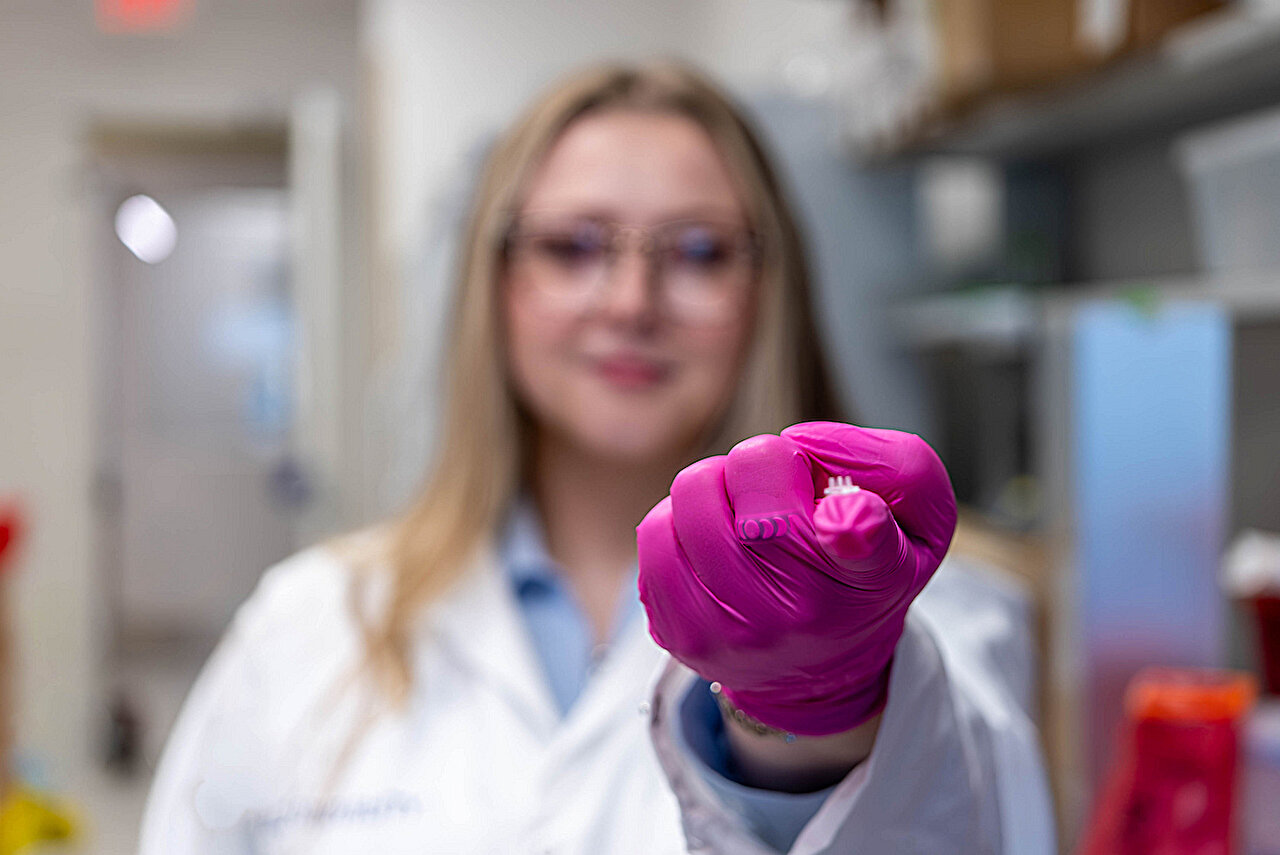
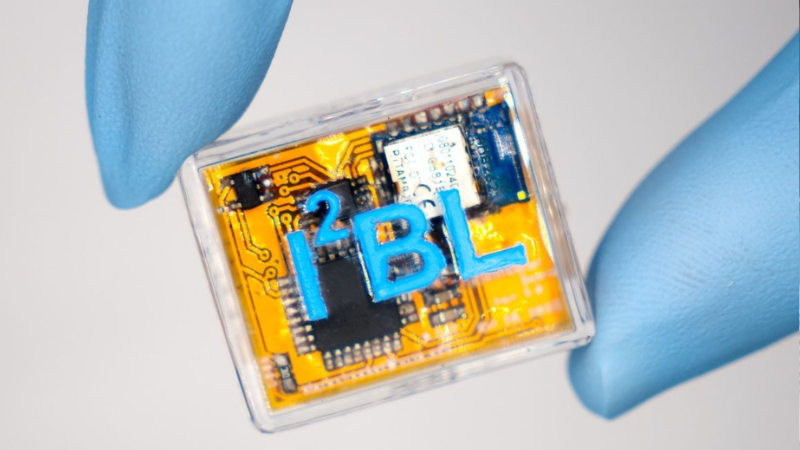
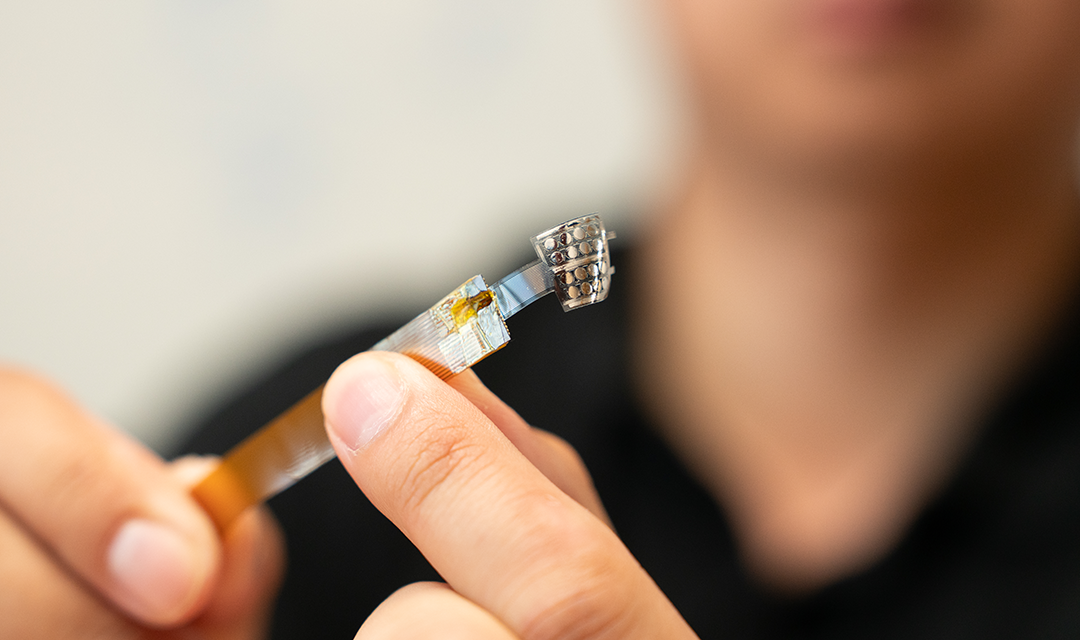
A new technology, the multiplexed, electrochemical, real-time, localized, inflammation-tracking nitric oxide (MERLIN) sensor array, has been developed by the Cohen-Karni research group to overcome these challenges. The chemical-electrical sensor, similar to a glucose monitor, quantifies biomarkers related to wound healing. Using flexible materials and multiple detection points to map NO levels across wounds, the technology will offer real time measurements that could improve the healing process.