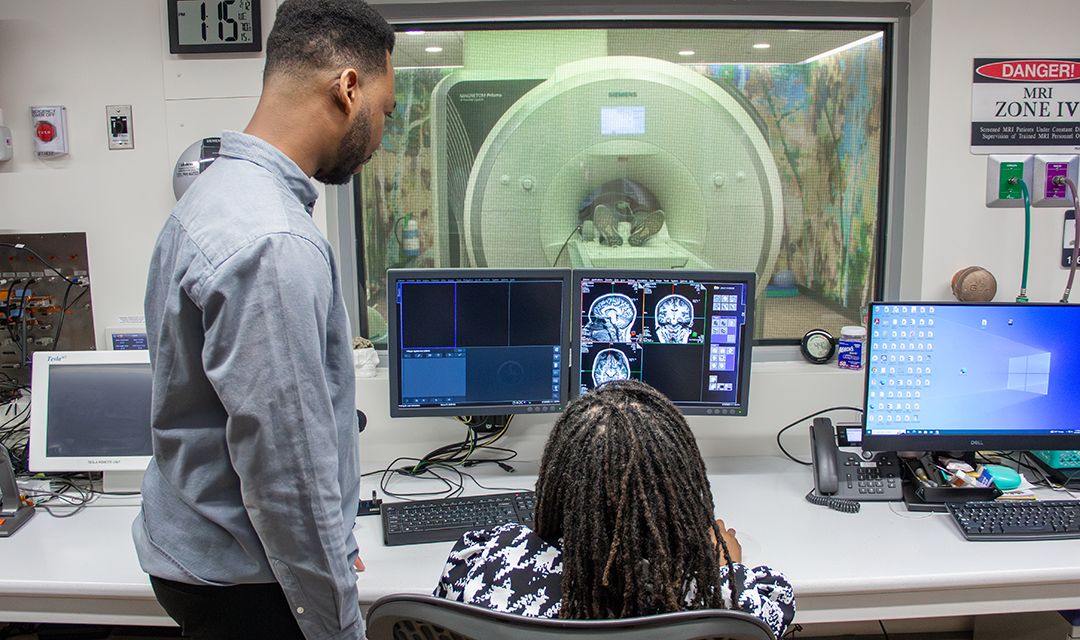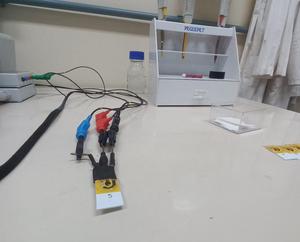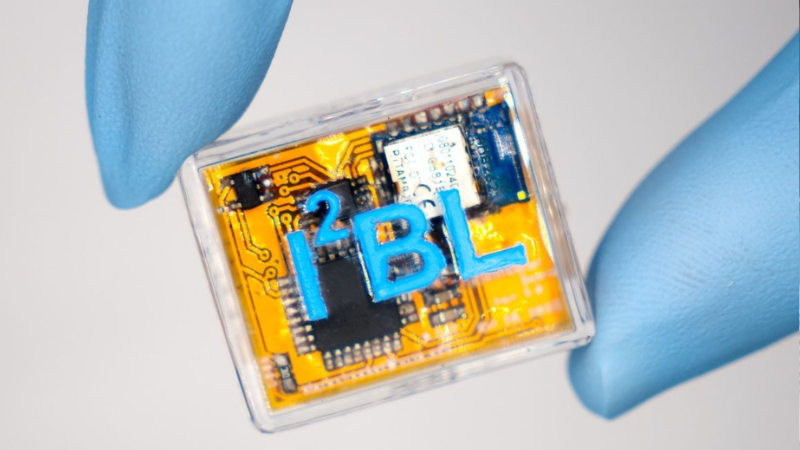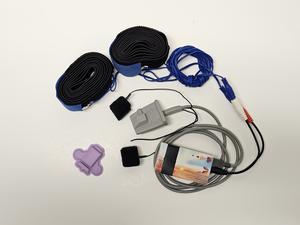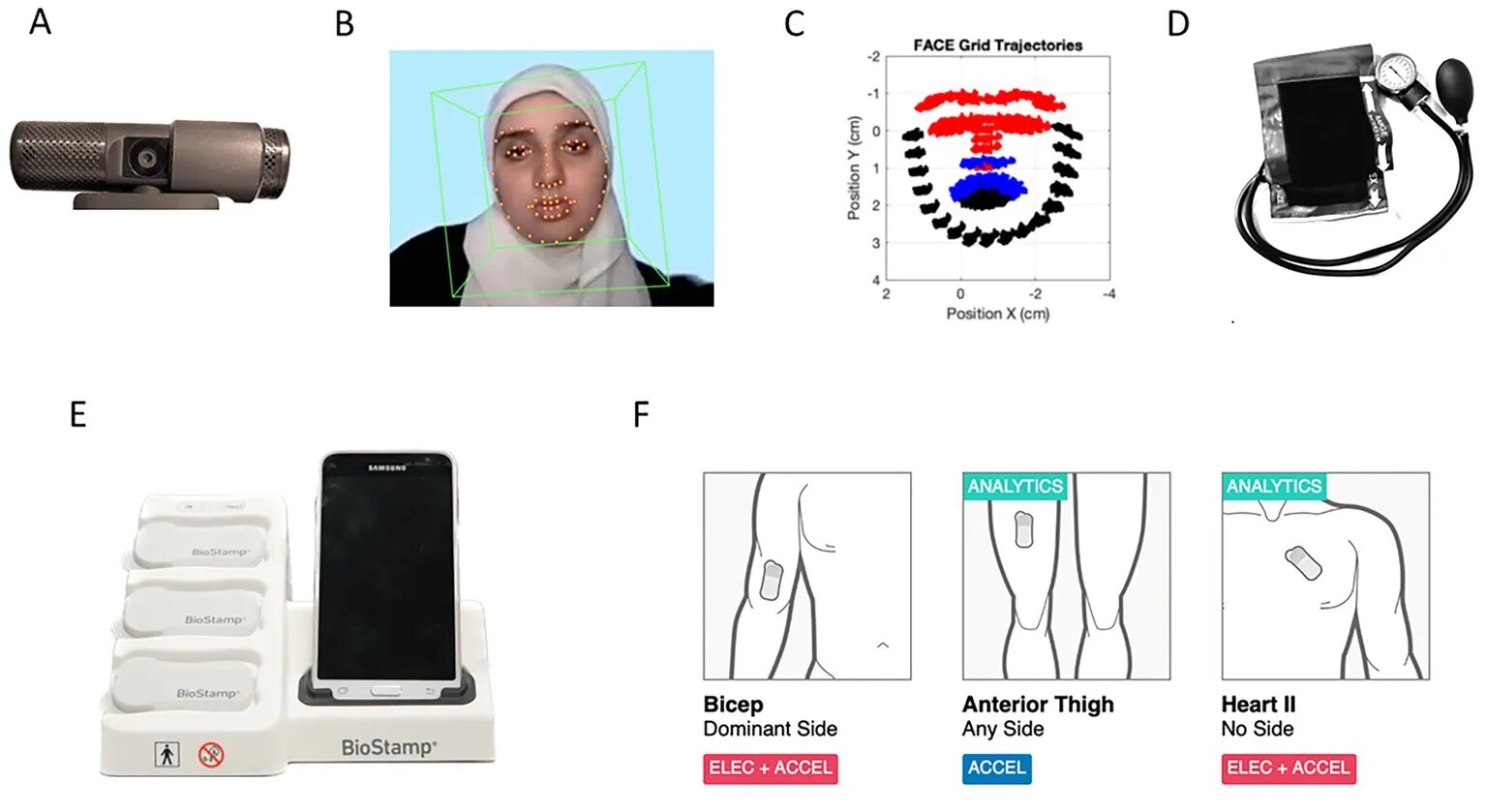
Data acquisition tools. Credit: Frontiers in Neuroscience (2026). DOI: 10.3389/fnins.2026.1702124
Researchers at Rutgers University-New Brunswick are working to measure pain more accurately beyond the single, subjective question patients are often asked: "On a scale of 1 to 10, how bad is your pain?"
In their new study, published in Frontiers in Neuroscience, the researchers suggest a more precise way to quantify this discomfort by tracking tiny facial micromovement spikes. These rapid, high-speed motor fluctuations—too subtle for the human eye to notice—offer objective clues to what an individual is experiencing, particularly when they cannot articulate their level of distress.
"The motivation was to move beyond a one-size-fits-all pain scale," said Elizabeth Torres, a psychology professor with the Rutgers School of Arts and Sciences who conducted the study with doctoral researcher Mona Elsayed. "Every individual has a different threshold for pain tolerance. By measuring that response directly from the body's own signals, we can begin to tailor care in a much more individualized way."
To test whether facial movements could reveal pain-related signals, Torres and Elsayed recorded 45 adults before and during episodes of controlled, brief pressure pain. Participants were observed at rest and while performing tasks involving movement, touch and memory.