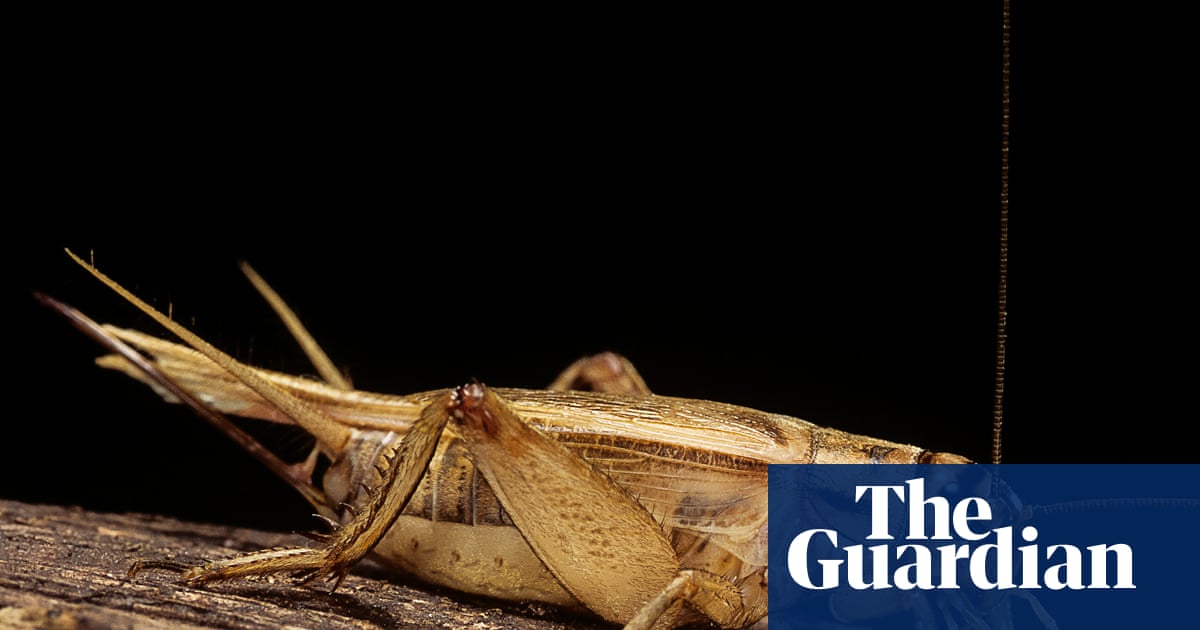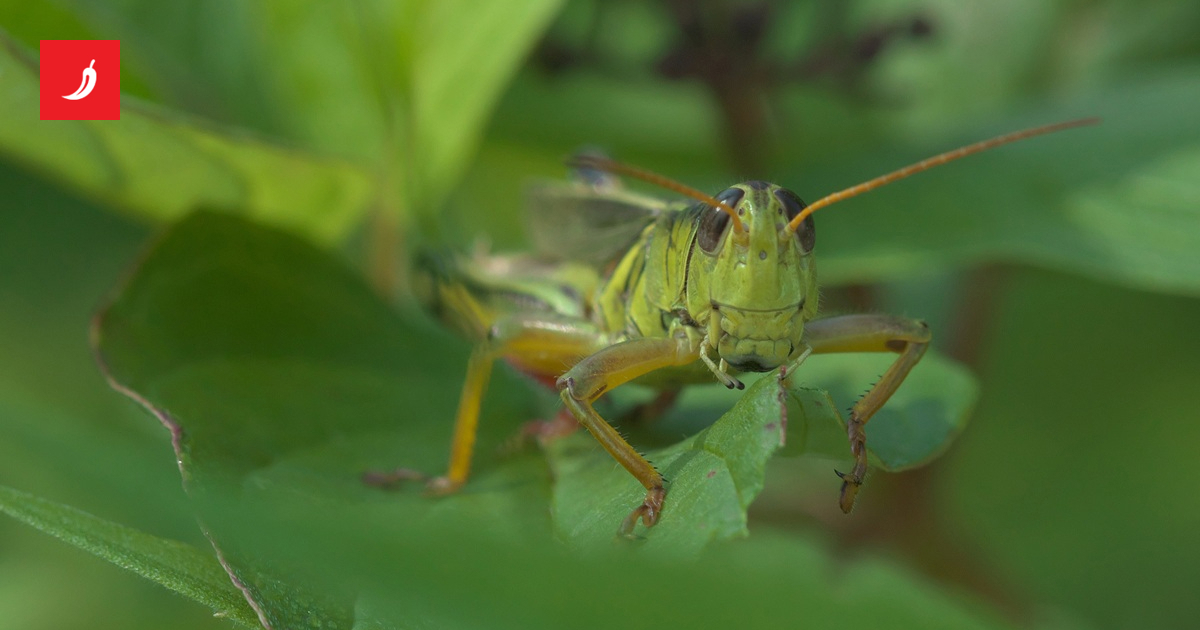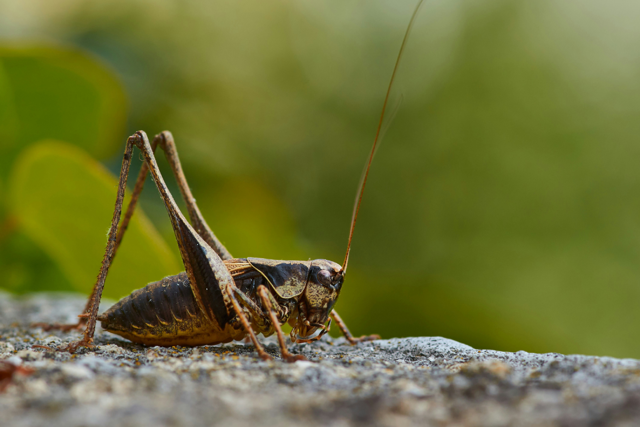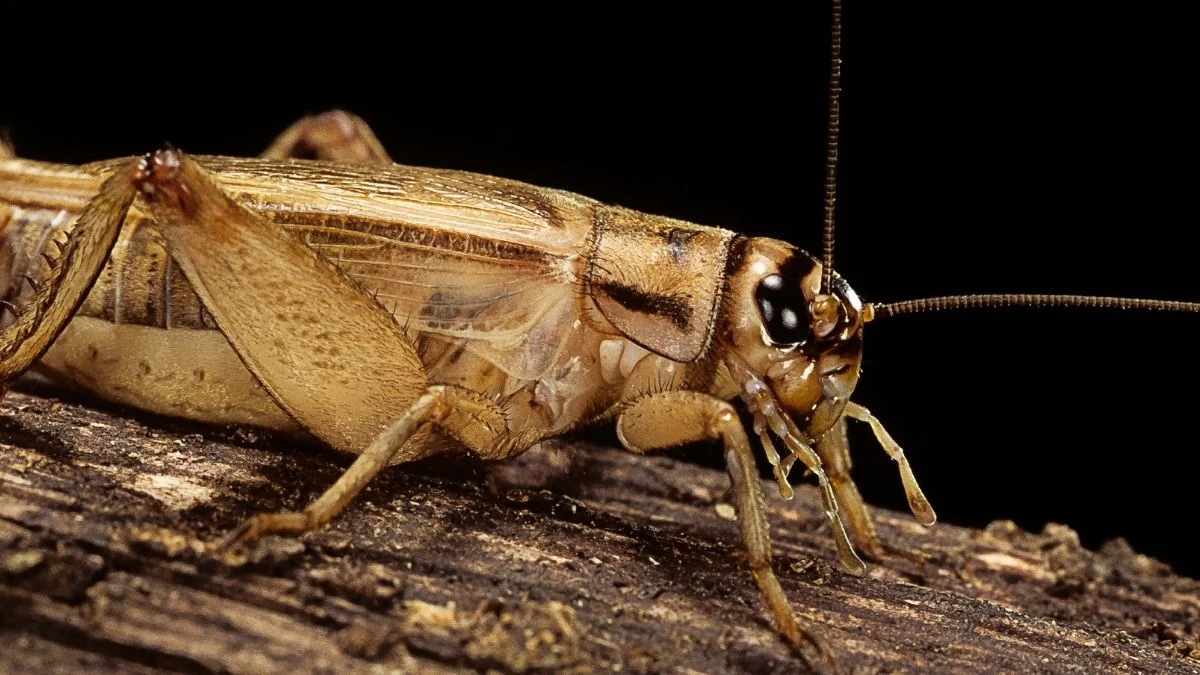
New research adds to evidence that house crickets feel pain. (Paul Starosta/Stone/Getty Images)
Evidence is mounting that insects may indeed feel pain, and a new study has just added to the pile.A team from the University of Sydney in Australia has recorded proof that the seemingly simple house cricket – an insect we already know has the equipment necessary to feel pain – protects and grooms its antennae after being poked with a hot probe.It's really difficult to assess pain experience: Even in humans, pain is so subjective that the most direct measure is asking the person to rate it, usually on a scale from 0 to 10.And yet, the subjective experience of pain is an important part of what it takes for an animal (or entity) to be considered sentient; that is, being capable of having feelings and emotions, as opposed to just physiological reactions.Of course, you can't just ask a cricket, "Does it hurt"? You have to find some way of interpreting the cricket's responses to potentially painful stimuli.More than 370 billion crickets are farmed for food each year. (shinpanu thamvisead/iStock/Getty Images)This is exactly what a team of animal behavior and cognition experts did back in 2022, by establishing a set of eight criteria for assessing whether an animal can be considered sentient, based on their subjective experience of pain.They were applying it to crabs, lobsters, and other decapod crustaceans, but it's become a benchmark that can be used for many other animals, too.If an animal meets any of these criteria, it counts as a mark towards them potentially experiencing pain beyond a simple withdrawal response, and therefore also potentially being considered sentient.It even led the UK government to include decapod crustaceans (including crabs, lobsters, and prawns) and cephalopods (including octopuses and squid) in the Animal Welfare (Sentience) Act 2022.The criteria are as follows: