Bugs and scientists have long been oddball allies in the effort to understand decomposing bodies, but there's a catch.
When a person or animal dies, insects can detect that death faster than humans, Dr. Rabi Musah explained, and from as far as two kilometers away.
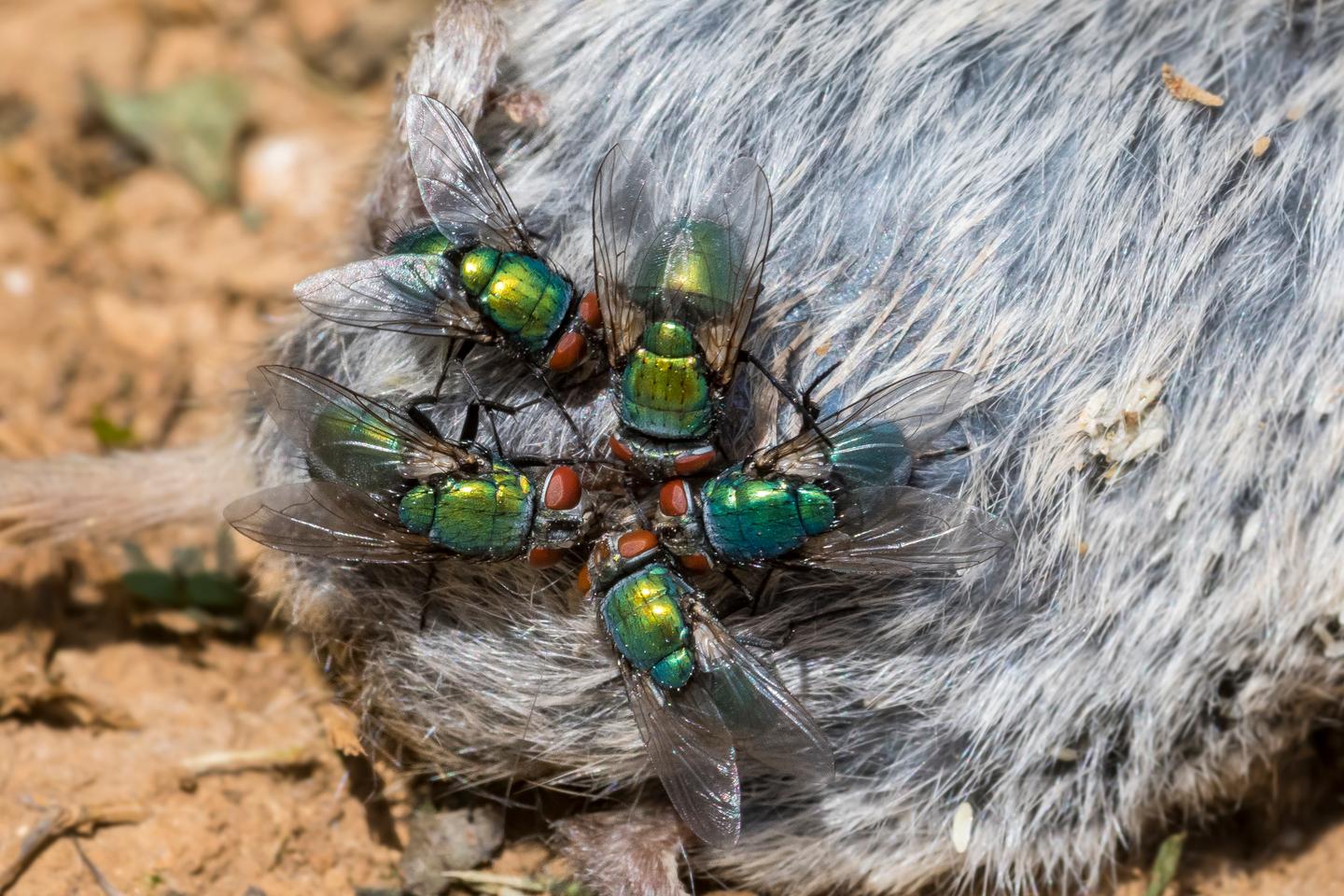
"People might walk past someone slumped in a park, thinking they're sleeping," the Louisiana State University researcher said, but bugs and flies will be quickly en route. "The flies know it, and they show up within 5 to 15 minutes," long before other indicators people might notice, like odors or changes in bodily fluids.
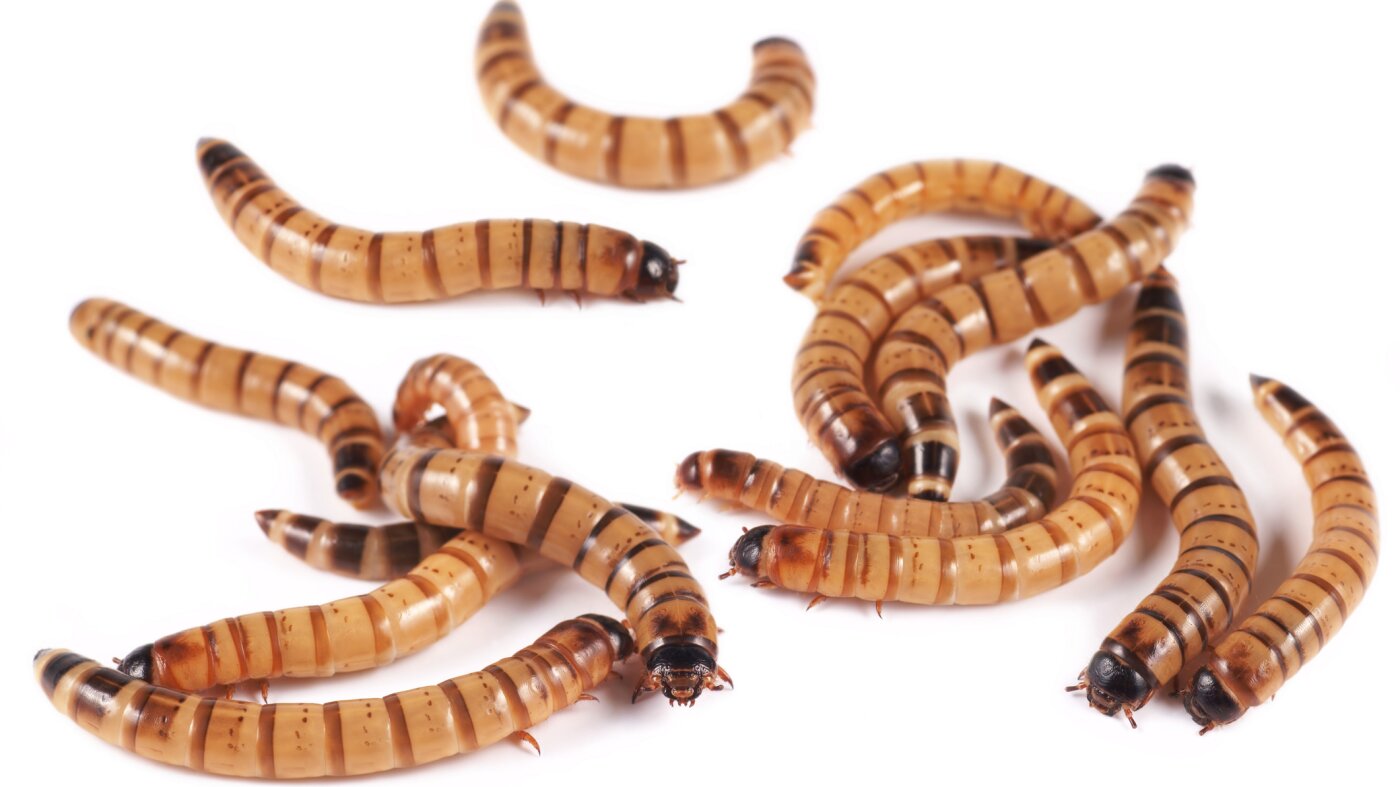
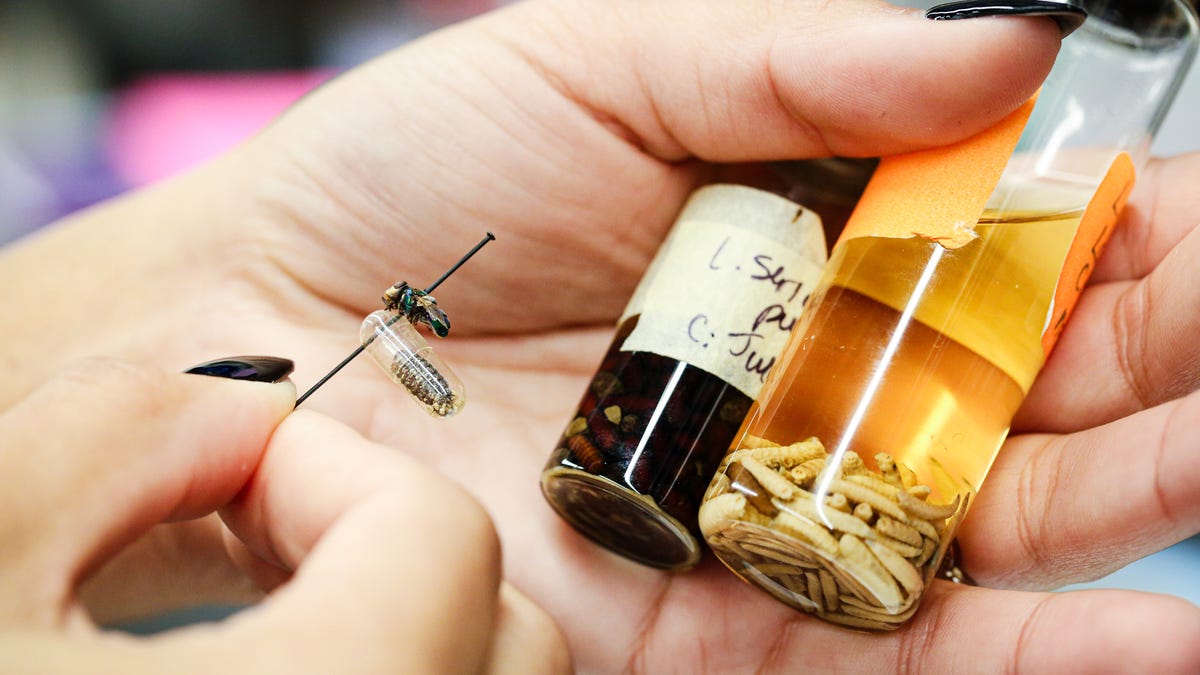
Within an hour, those flies and other insects will lay eggs on the body, and the larvae — maggots, for the full horror-movie scenario — will then start to feed on that body. If the body is found within a certain period of time, postmortem investigators can determine a time of death based on how old the eggs or larvae are.
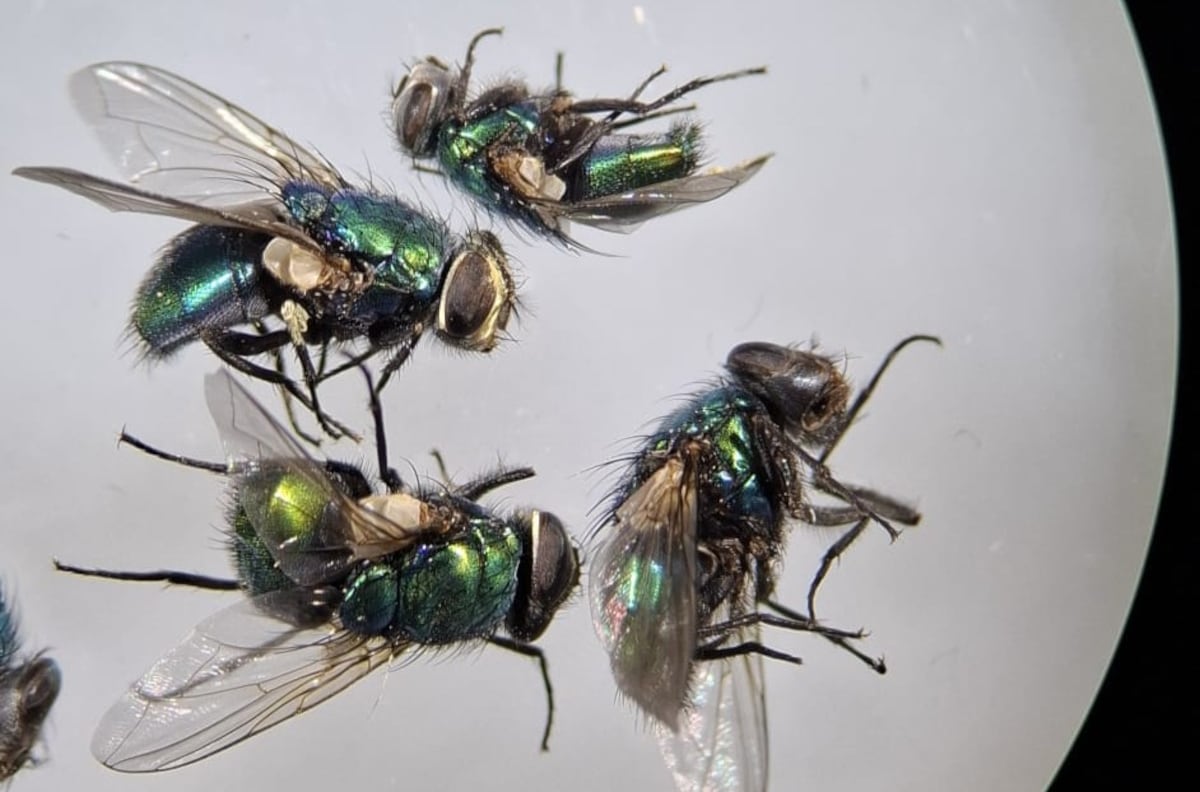
But there's a problem: There are many variables including weather (flies mature faster when it's warm, Musah said) and the accuracy of the species identification. And since there are as many as 55 different species, according to the National Library of Medicine, it can be hard to get a positive ID.