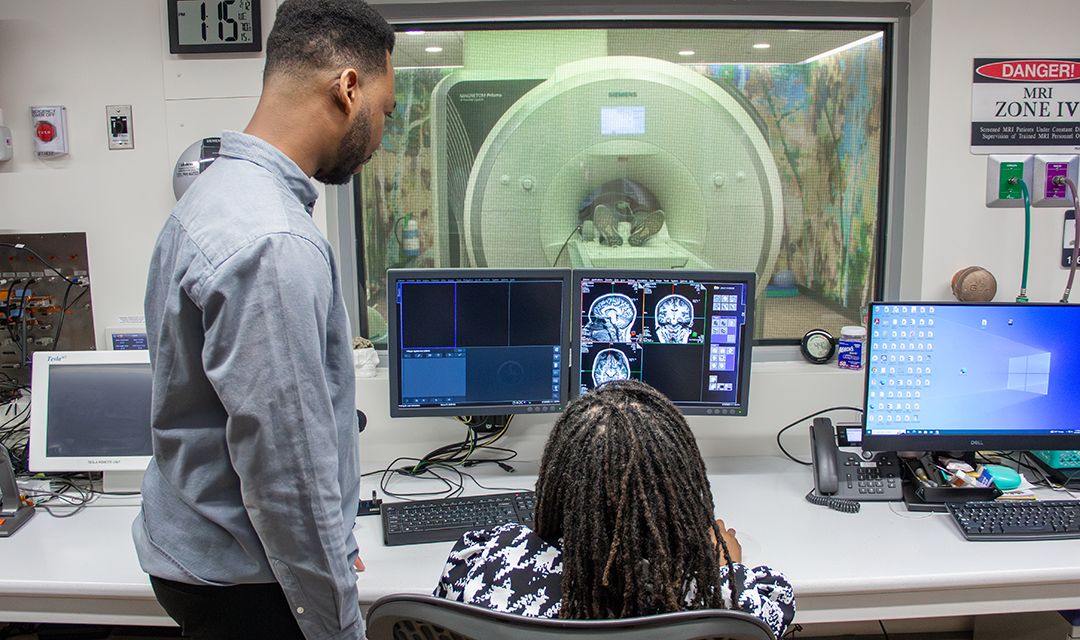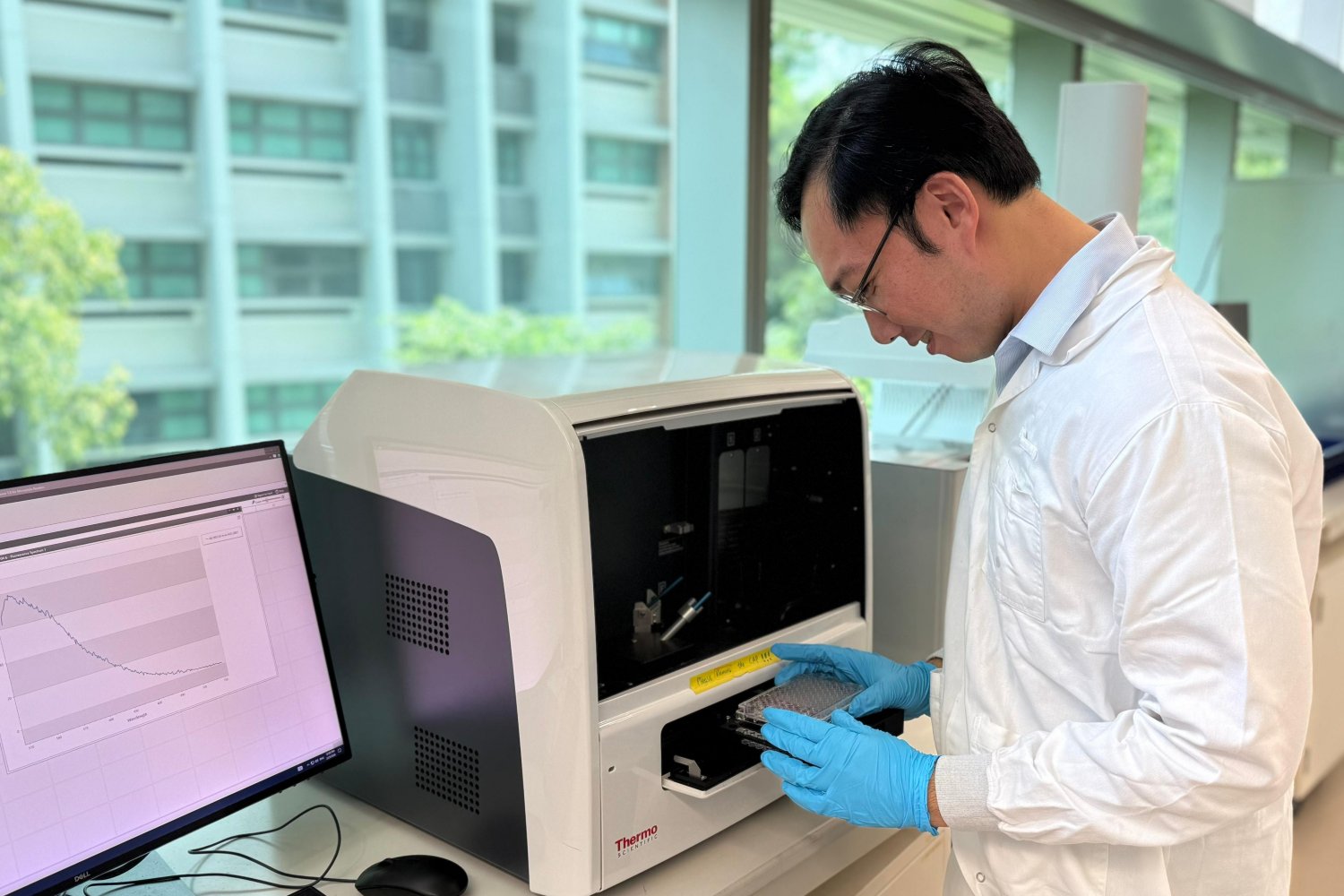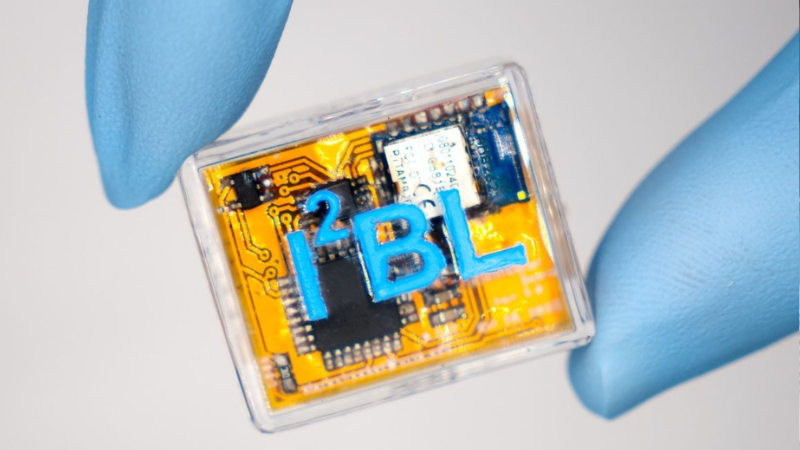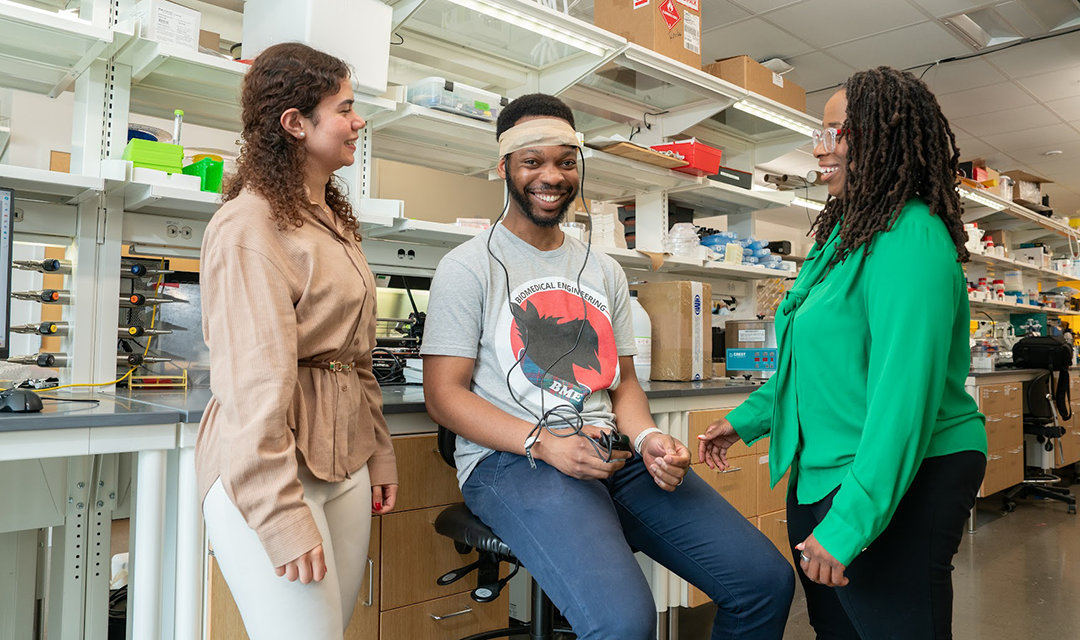
Near-infrared spectroscopy (NIRS), an optical tool that leverages light-tissue interaction to measure changes in hemoglobin concentration and oxygenation, has been used in a variety of fields due to its ability to measure tissue oxygenation and blood flow non-invasively. In a new study led by Carnegie Mellon University and University of Pittsburgh researchers, NIRS was investigated as a screening tool for adults with sickle cell disease to assess not only oxygenation changes, but also the underlying mechanisms associated with aging with the disease.
Sickle cell disease significantly affects and disrupts oxygenation in the body and its impact on the brain has been understudied. As individuals with sickle cell disease age, they can develop problems with small blood vessels in the brain, leading to reduced blood flow and difficulties with thinking, memory, and other functions that might impact their quality of life. One marker of cerebral small vessel disease, a neurological complication of sickle cell disease that increases with age, is cerebral autoregulation. Cerebral autoregulation ensures that blood flow is maintained or controlled as blood pressure varies.
\
Current methods to assess cerebral autoregulation are largely accomplished through the measuring of pressure and flow from the body’s larger vessels, for example, using a blood cuff on the arm or a transcranial doppler ultrasound. A significant drawback is that transcranial doppler ultrasound measurements have poor blood flow measurements in adults and do not report oxygenation. Furthermore, finding a reliable way to measure blood and oxygen changes in the body’s smallest vessels has presented an ongoing challenge.