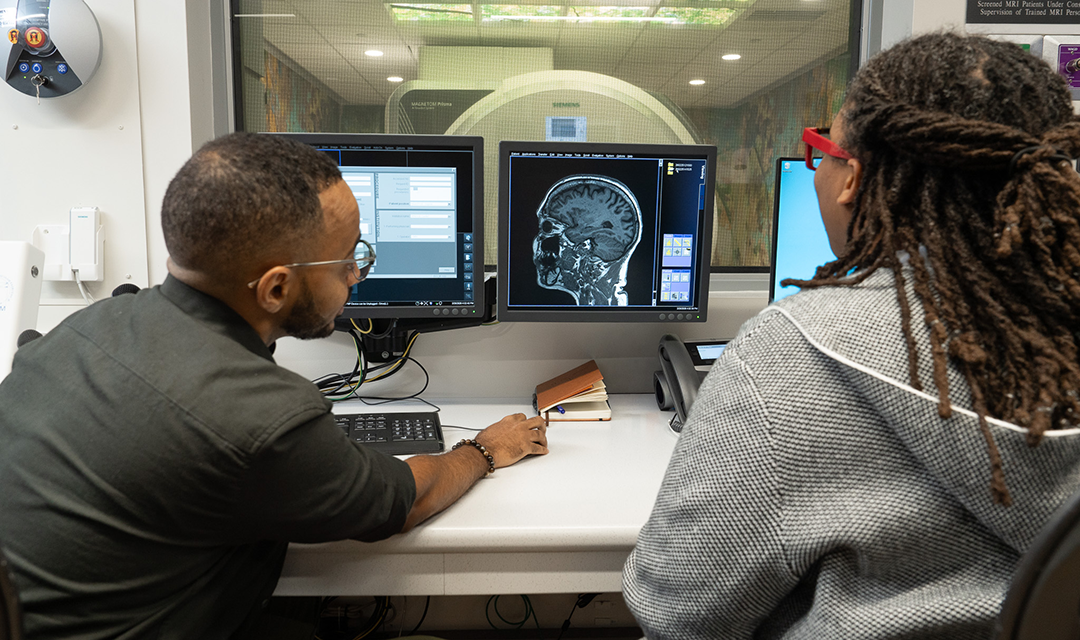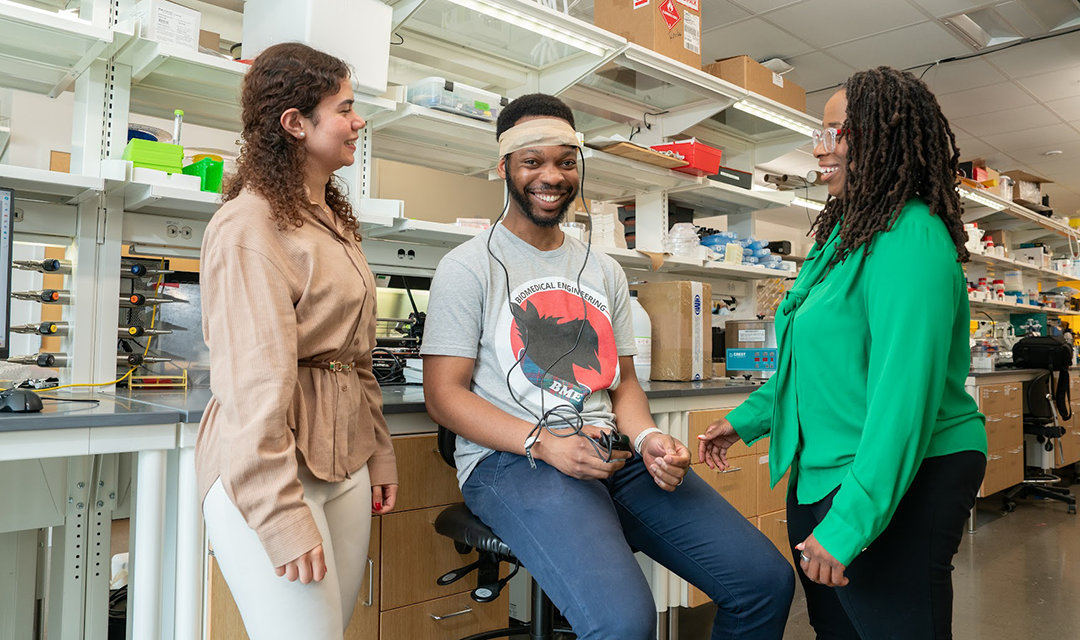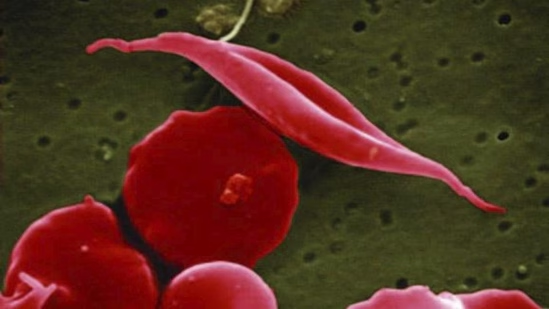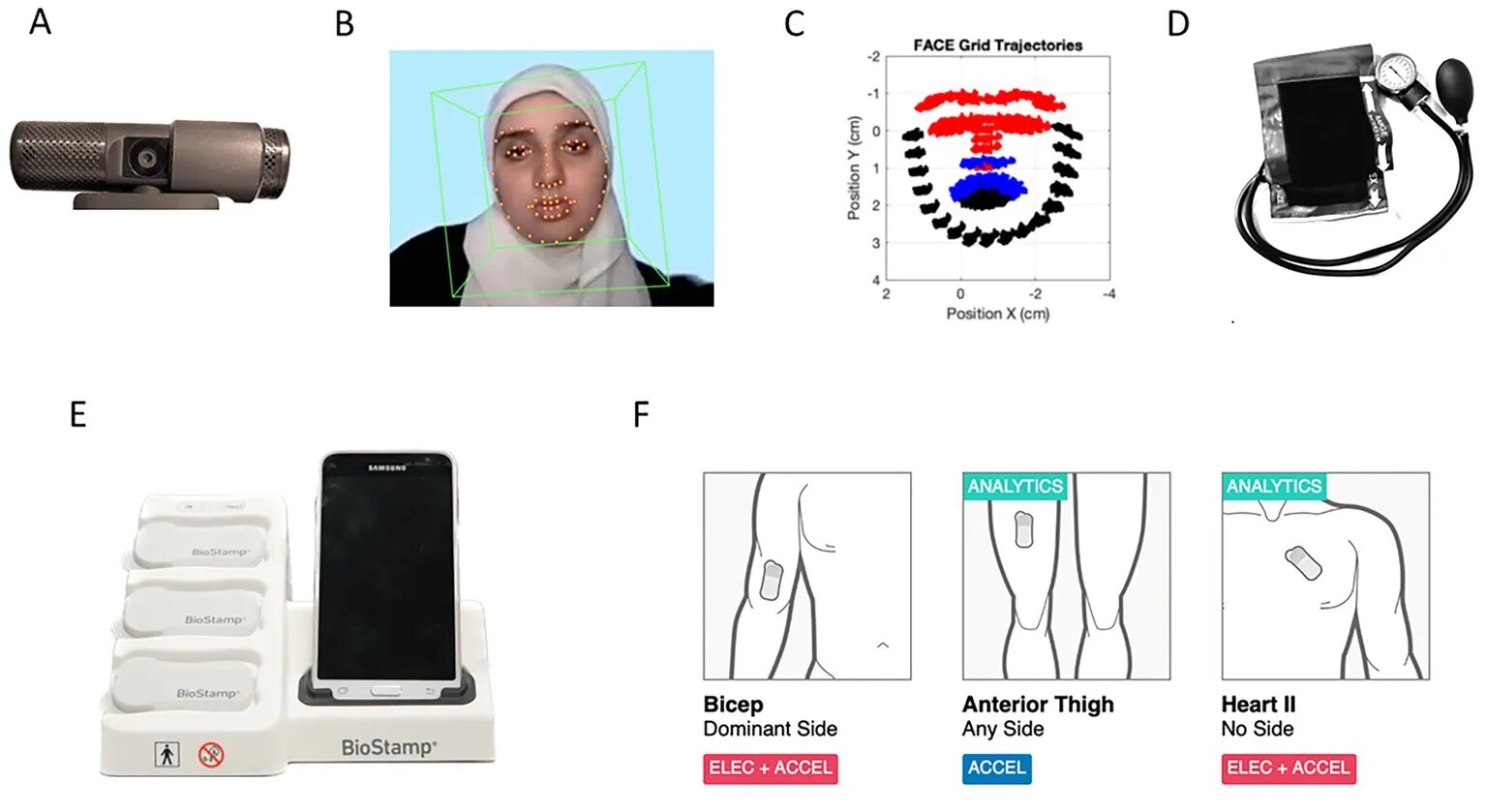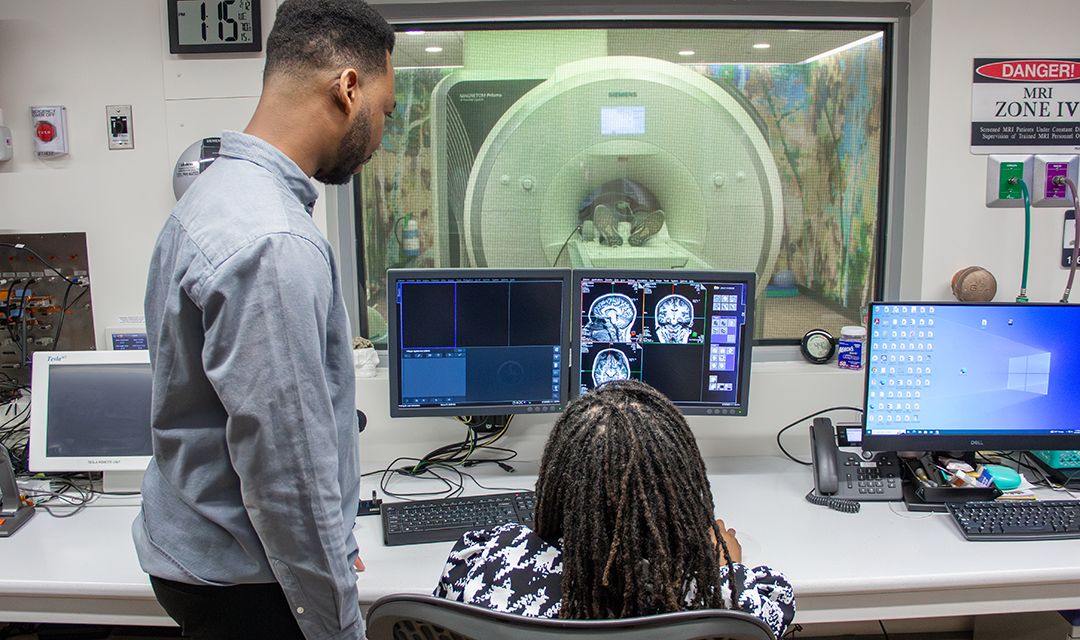
Pain is a constant, complex companion that clinicians often struggle to understand and measure for people living with sickle cell disease. Traditional pain scales reduce this deeply personal experience to a single number that is often inaccurate. A new study led by Carnegie Mellon University’s Wood Neuro Research Group takes a more human-centered approach, using advanced brain imaging and a digital visualization tool to illuminate how pain is processed in the brain, aiming to bridge the gap in pain interpretation between patients and clinicians.
“Traditional questionnaires only scratch the surface,” explained Joel Disu, first author of The Journal of Pain paper and biomedical engineering Ph.D. student. “They don’t capture the complexity or the internal experience of sickle cell pain. We wanted to see what happens in the brain when people describe their pain in a way that’s truer to how they actually feel it.”
The team explored how Painimation, a novel app developed by Emory University collaborator Dr. Charles Jonassaint, could help decode the neural signatures of pain in adults with sickle cell disease. Instead of rating pain on a 1-to-10 scale, participants use animated visuals to describe what their pain feels like, for example throbbing, stabbing, cramping, or shooting sensations.