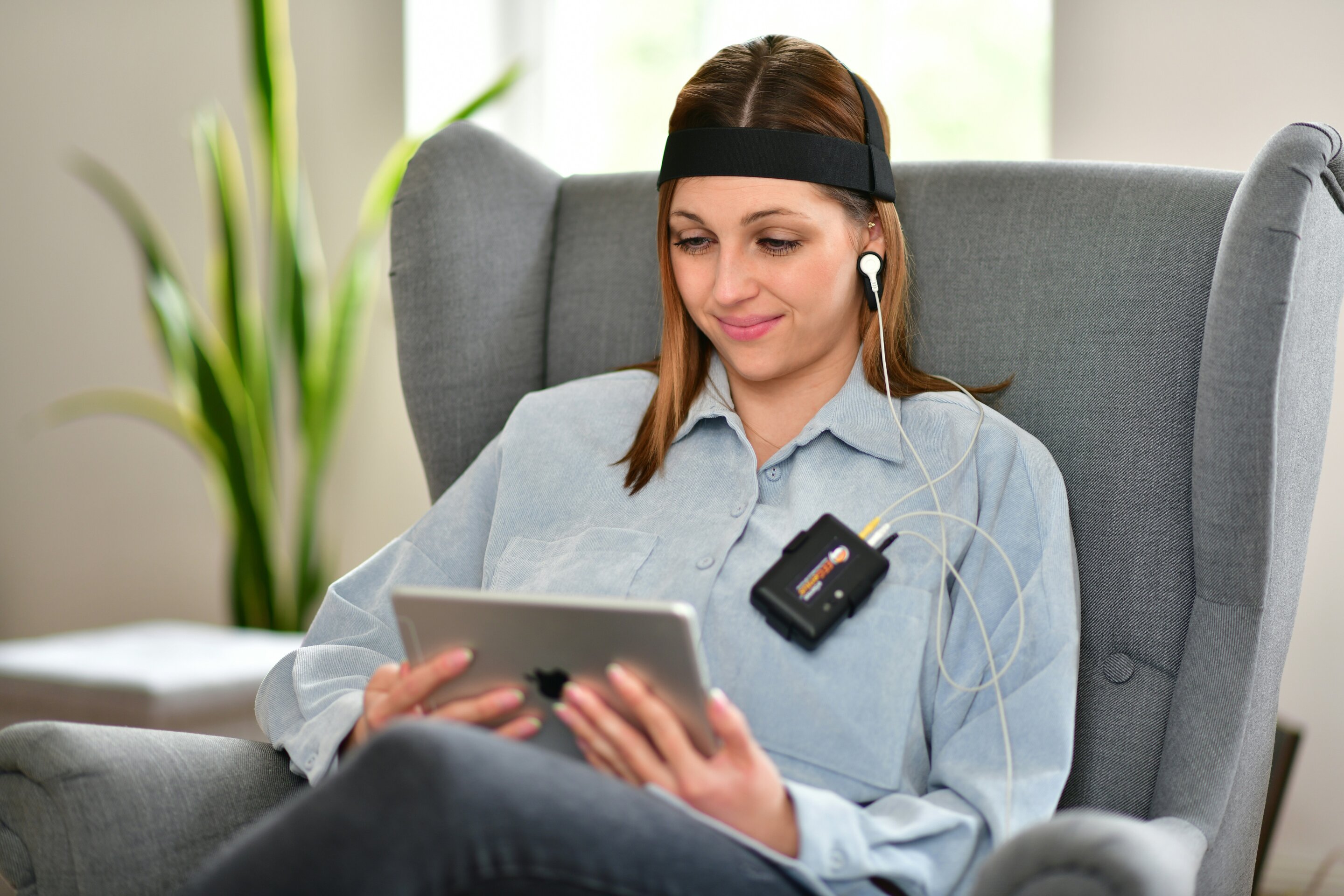
Natural EEGs can support long-term monitoring outside hospitals for people with neurological disorders, and help others track health issues such as fatigue, workload stress, or flagging attention during routine activities.
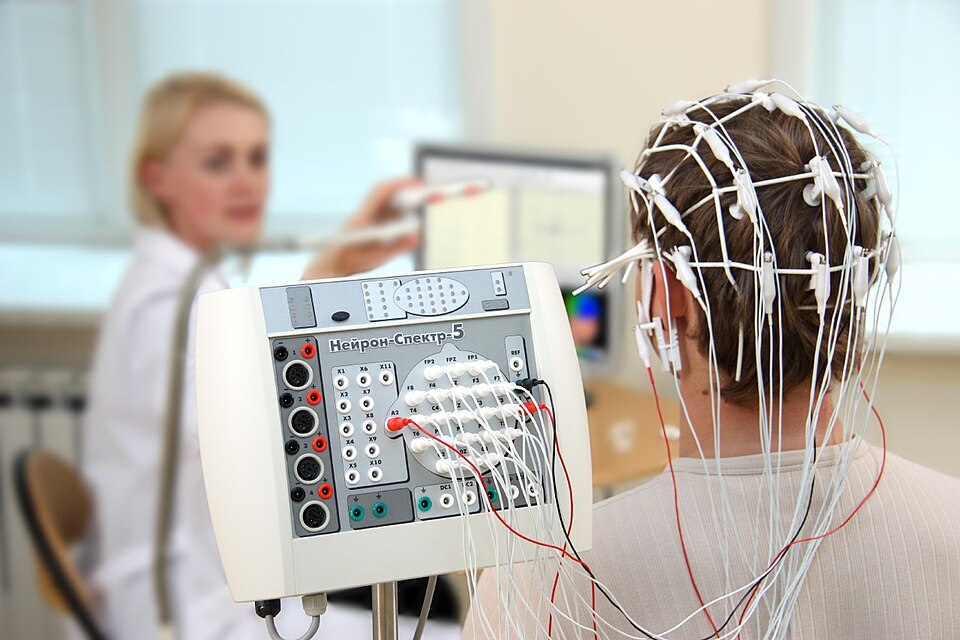
With advances in wearable EEG hardware and mobile computing, the question is no longer whether brain signals can be recorded outside the lab, but how thoughtfully they can be integrated into daily life to genuinely support human well-being. Credit: Baburov, CC BY-SA 4.0
Natural EEGs can support long-term monitoring outside hospitals for people with neurological disorders, and help others track health issues such as fatigue, workload stress, or flagging attention during routine activities.
Brain activity can now be recorded outside laboratories using wearable devices and smartphones, opening up the possibility of monitoring dwindling attention levels, fatigue and other mental states in everyday settings.
For decades, the human brain has been studied only in laboratories and clinics. Electroencephalography or EEG, a method to record the brain’s spontaneous electrical activity, has been widely used to diagnose and monitor neurological conditions.