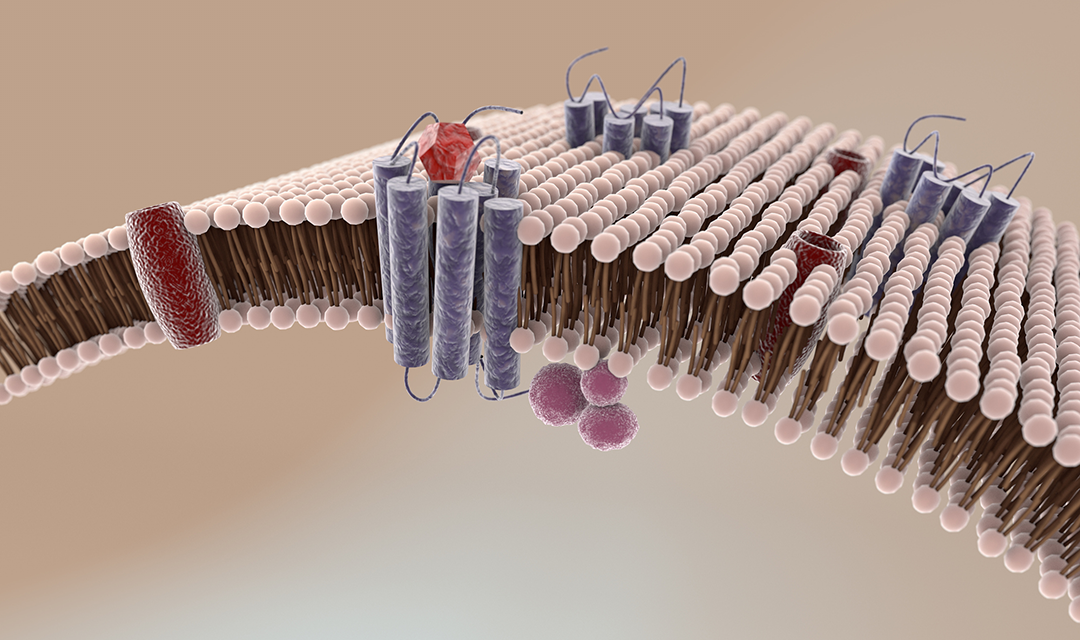
Drug discovery can be a long and complex process. Medicines for neurodegenerative diseases like Alzheimer’s Disease are among the most expensive to develop, as animal model results have not proven to be predictive of efficacy in humans. Scientists usually have to screen many biological targets before identifying a single potential new drug.
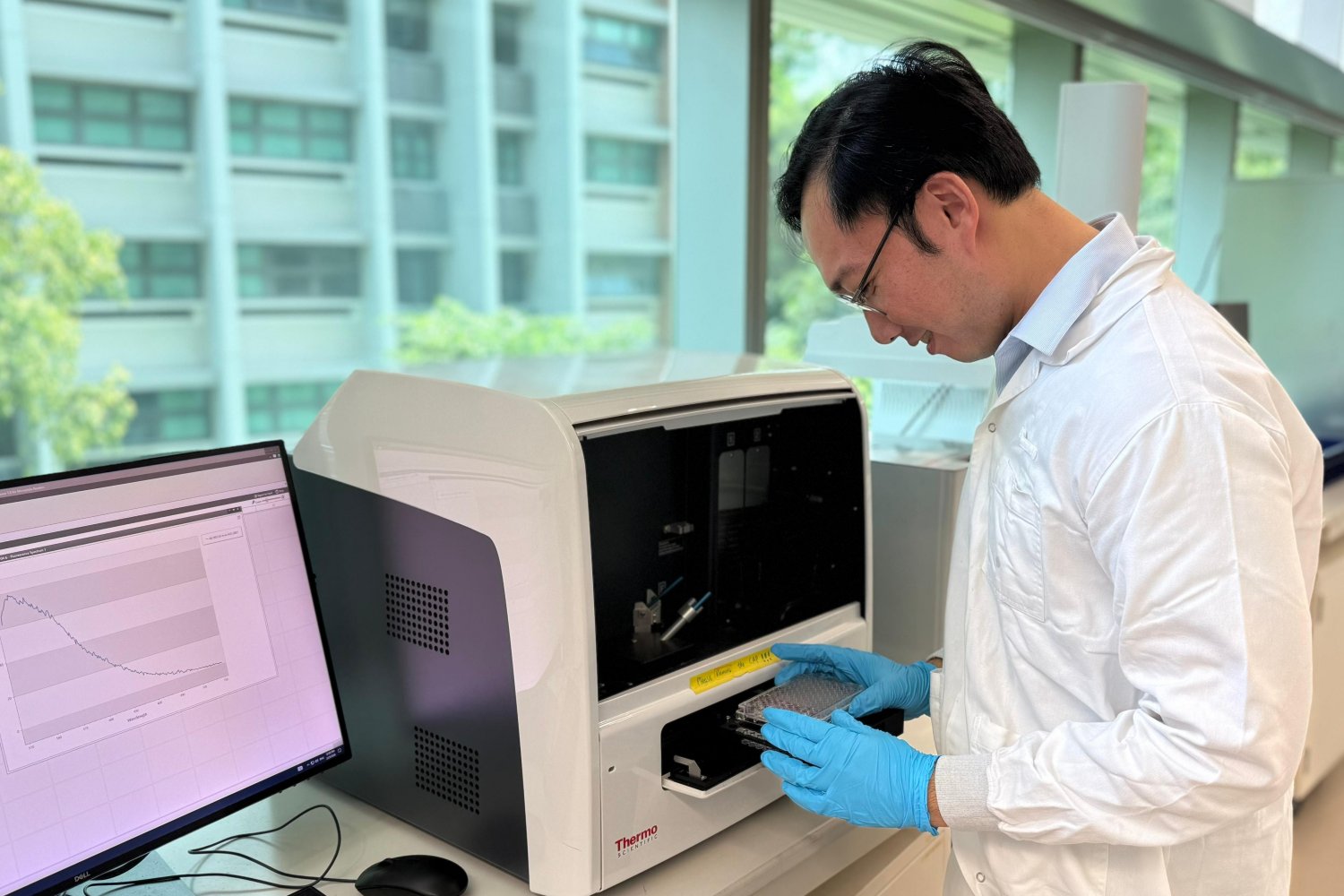
Researchers at Carnegie Mellon University are developing a platform to enable high-throughput drug screening. Their work is part of efforts to optimize each piece of the drug discovery process, with real impacts in the race to treat patients.
Anne Skaja Robinson investigates G-Protein Coupled Receptors (GPCRs), proteins that reside at the cell’s surface. They are the target of many small-molecule drugs, including therapies for diabetes, allergies, and cancer. The Robinson Lab is focused on the role of these transmembrane proteins and their downstream cellular responses. One side of a GPCR faces into the cell, where it’s associated with a G-protein. The other side of a GPCR is outside the cell, where a drug can bind; thus, they serve as sensors for a cell’s environment.
“There’s a lot of untapped therapeutic potential,” says Sarah Sonbati. There are 800 known GPCRs, yet current drugs target less than 15% of those.