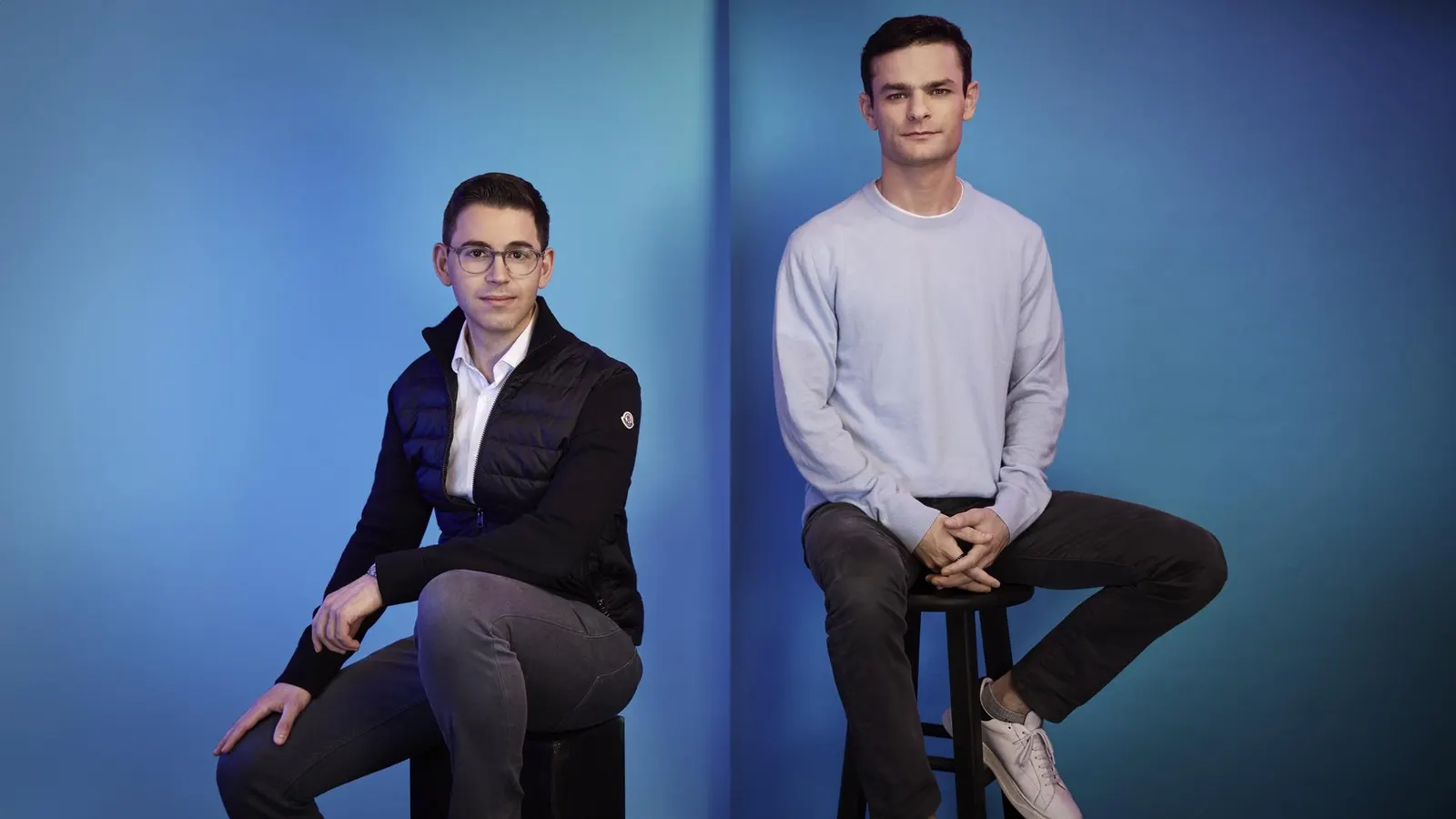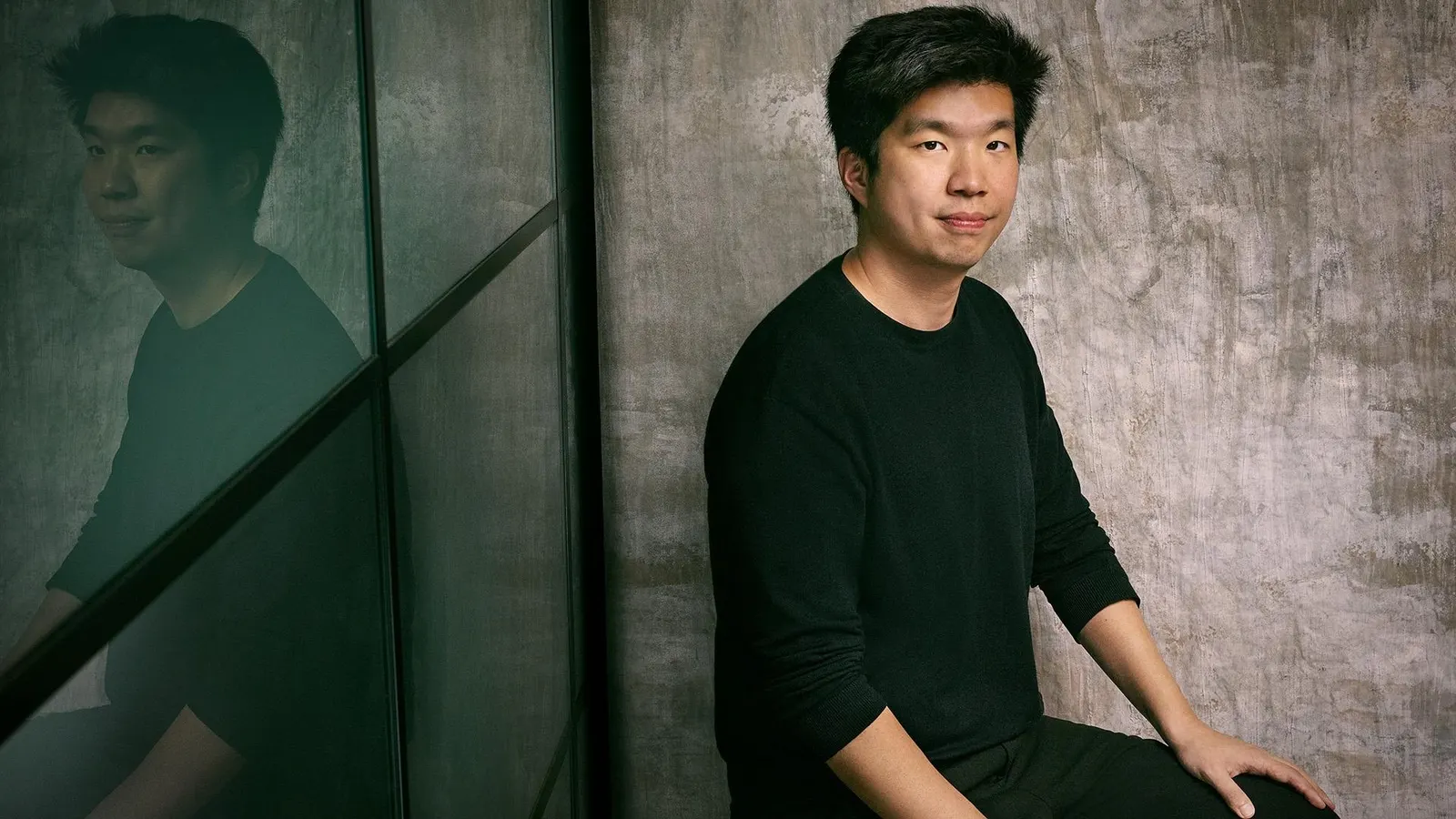
When Benjamine Liu was a young computational biologist working on his doctorate at the University of Oxford, he had some ideas for novel drugs that could treat Alzheimer’s. He was so excited by their promise that he tried shopping them around to a few pharmaceutical companies. Not a single one was interested.“They said, ‘We have more drugs than we can afford to develop,’” Liu tells Forbes. “A discovered drug isn’t worth that much.”That rejection led him to a realization: The biggest problem in drug R&D wasn’t in the sexy part of searching for new discoveries. Instead, it was the long, grueling, expensive process of clinical development, where most potential drugs fail. In fact, while there was a nearly twofold increase in drug candidates in the last decade, the number of drugs approved by the FDA, at around 50 per year, hasn’t changed much, he says now. And that, Liu figured, is something that AI is uniquely suited to help. It’s a contrarian take at a time when AI is being touted as a godsend for faster and cheaper drug discovery that will usher in a golden age of new therapies. But that’s a long game. And Liu is convinced the bigger opportunity is in fixing clinical trials. “What we think the world has wrong is that drug discovery is the bottleneck, and it has not been the bottleneck for a long time,” he says. In 2016, Liu, now 36, teamed up with Linhao Zhang, 34, a computer scientist who had worked on the engineering team at Oscar Health, to start Formation Bio to help pharma companies do their clinical trials better and faster. Originally called Trialspark, it was set up as a service business: drug companies and biotechs would hire Liu and Zhang to run their trials for them. But Liu is now chasing a bigger goal: Buying a portfolio of 10 early-stage drug candidates, many of which failed or stalled out in early-stage clinical trials, and then using AI to help get them back on track.Today, New York City-based Formation Bio has some of the world’s top investors betting on Liu’s vision, including Andreessen Horowitz, Sequoia, Thrive Capital, Kleiner Perkins’ chairman John Doerr and OpenAI’s Sam Altman. It has raised a total of $615 million at a $1.8 billion valuation. Forbes estimates that Liu’s stake is worth more than $150 million, while Zhang’s is worth above $100 million.“It has the potential—the potential—of being one of these enormously significant companies in an industry whose apple cart has not been upset all that much by a young company started in the last 10 or 15 years,” says Michael Moritz, the billionaire venture capitalist and former Sequoia chairman. Way back in 2016, Liu cold-emailed Moritz about his idea of creating a next-generation pharma company with the help of AI. Moritz, who Liu says responded “within like 28 minutes,” personally wrote the first $2.25 million check in the business. There are a lot of would-be drugs for sale these days. That’s because many biotech firms have been left without the cash to develop them as the spigot of funding has dried up. Big Pharma’s priorities are constantly shifting, leading it to cut back on spending for some drugs in favor of others. Meanwhile, China has become a drug innovation powerhouse, with more therapies available to license. Formation Bio is targeting drugs that have yet to go through phase 2 trials. For these early-stage therapies, there’s more risk, because only 30% succeed at this stage. But there’s also more possible payoff. Liu figures that Formation can work its magic with AI. With the technology they’ve finetuned over the past decade, he says, they can do those trials up to 50% faster, a big advantage when every day of delay can be worth millions.“Drugs aren’t worth much until post-phase 2, and there are a lot of post-phase 1 drugs worth betting on,” Liu says. “You can play in phase 3, but no one’s trying to give away a great phase 3 drug.”"What we think the world has wrong is that drug discovery is the bottleneck, and it has not been the bottleneck for a long time."
This Sam Altman-Backed $1.8 Billion Startup Bets AI Can Get Drugs Through Clinical Trials Faster
Formation Bio CEO Ben Liu is convinced that drug discovery isn’t the bottleneck in getting medicines to market—it’s going through clinical trials. Now he’s raised some $615 million from top investors to buy stalled drugs and use AI to stress test them faster.
1,801 words~8 min read