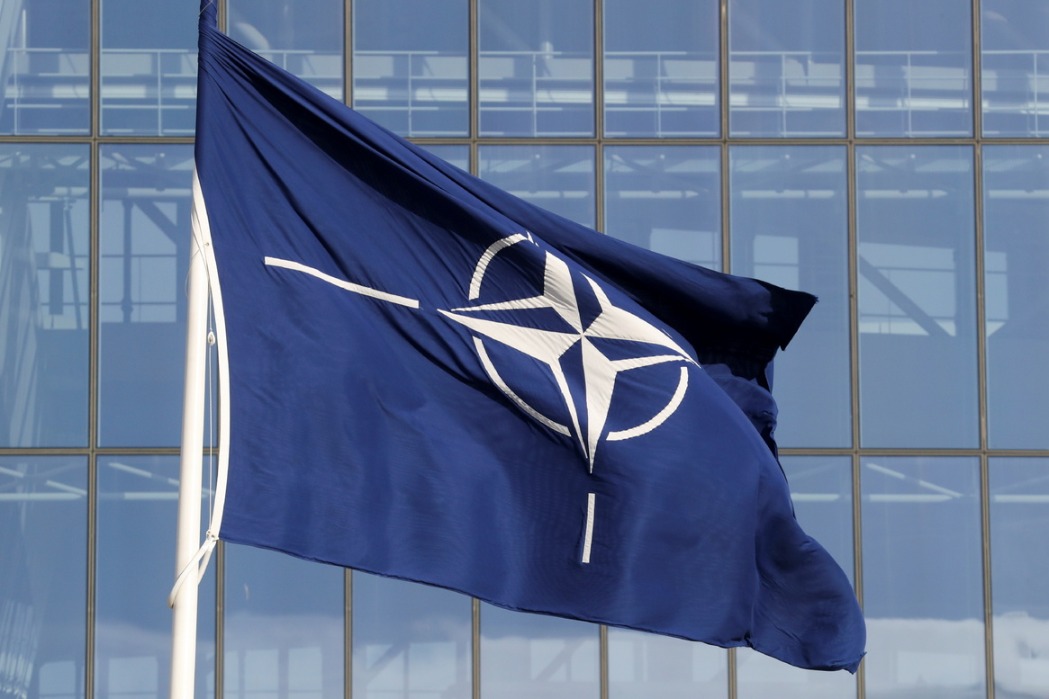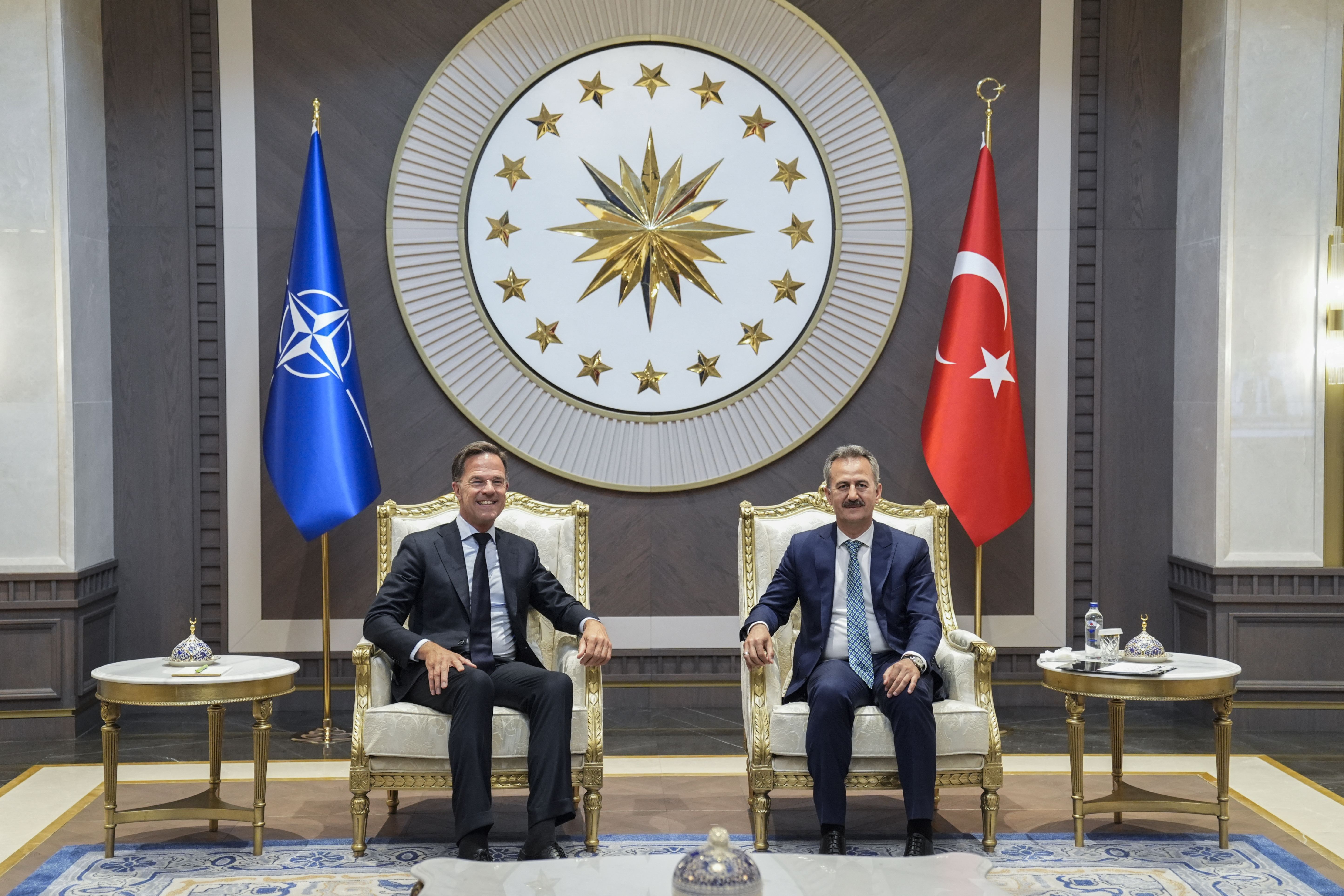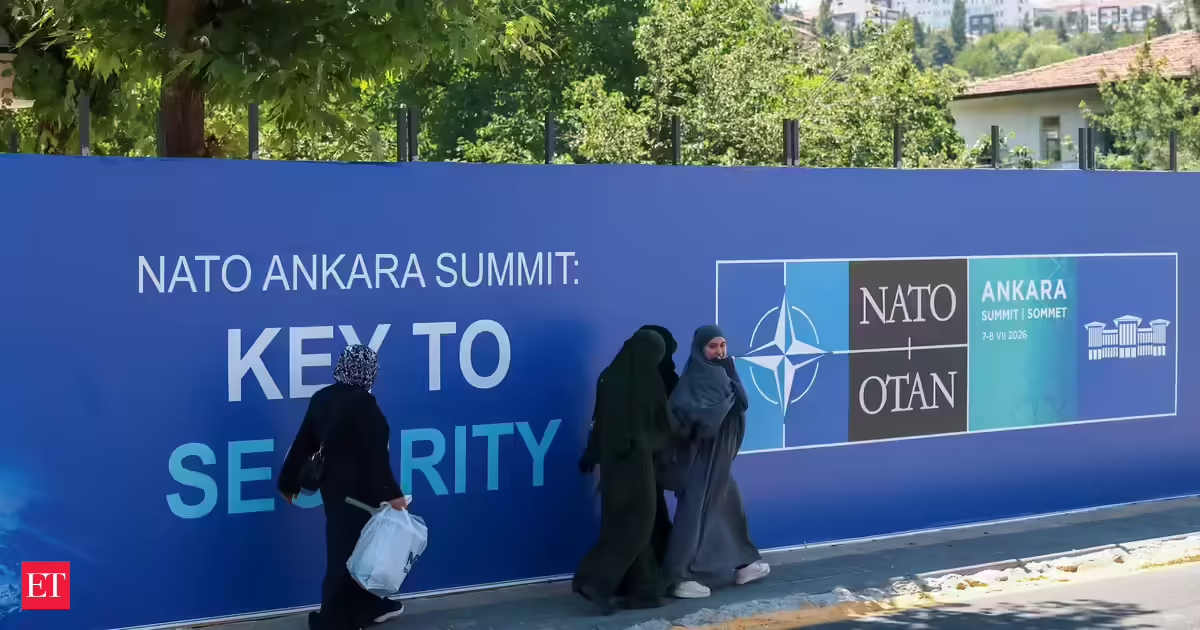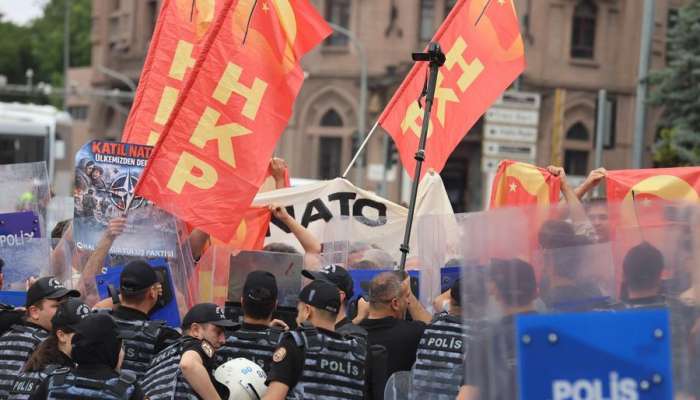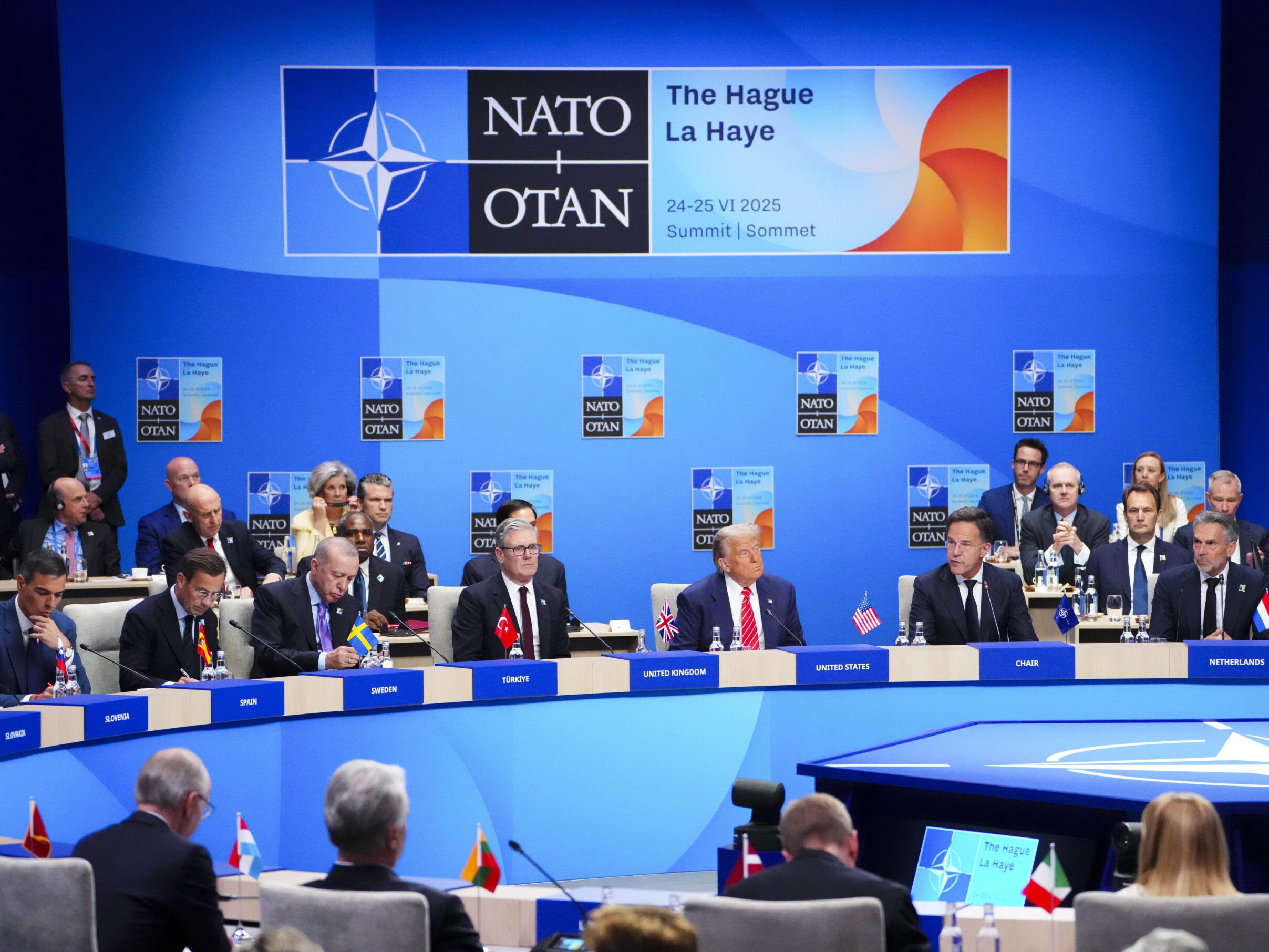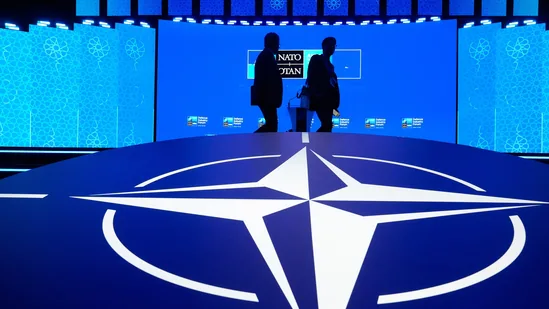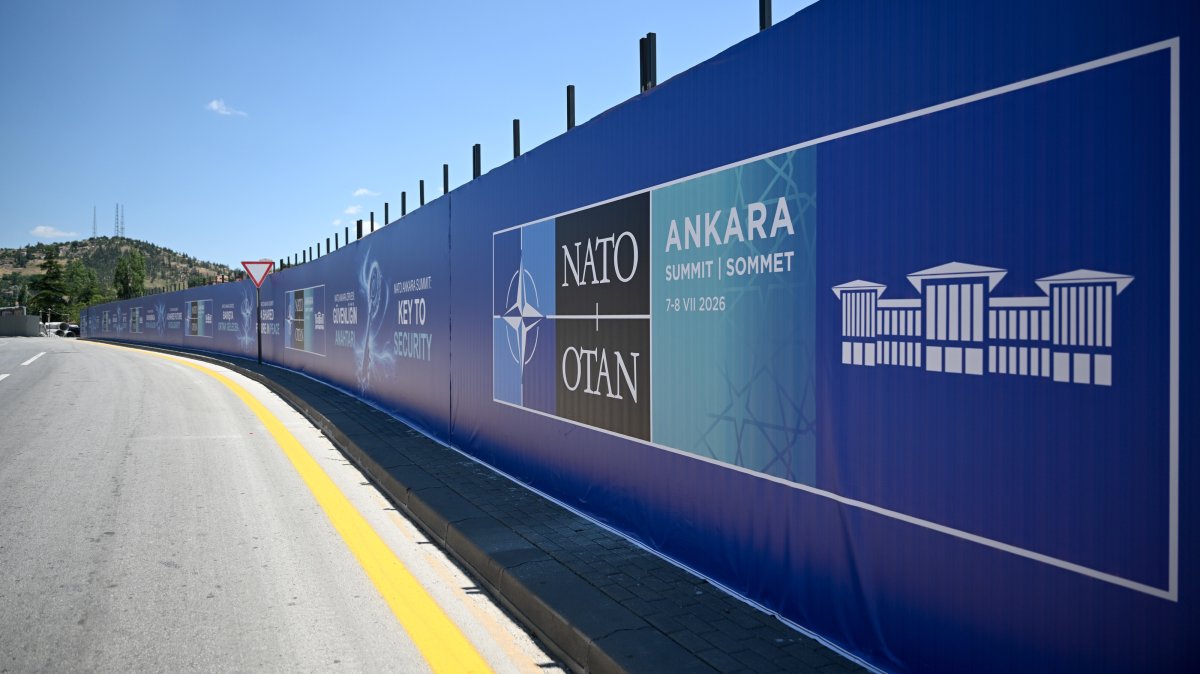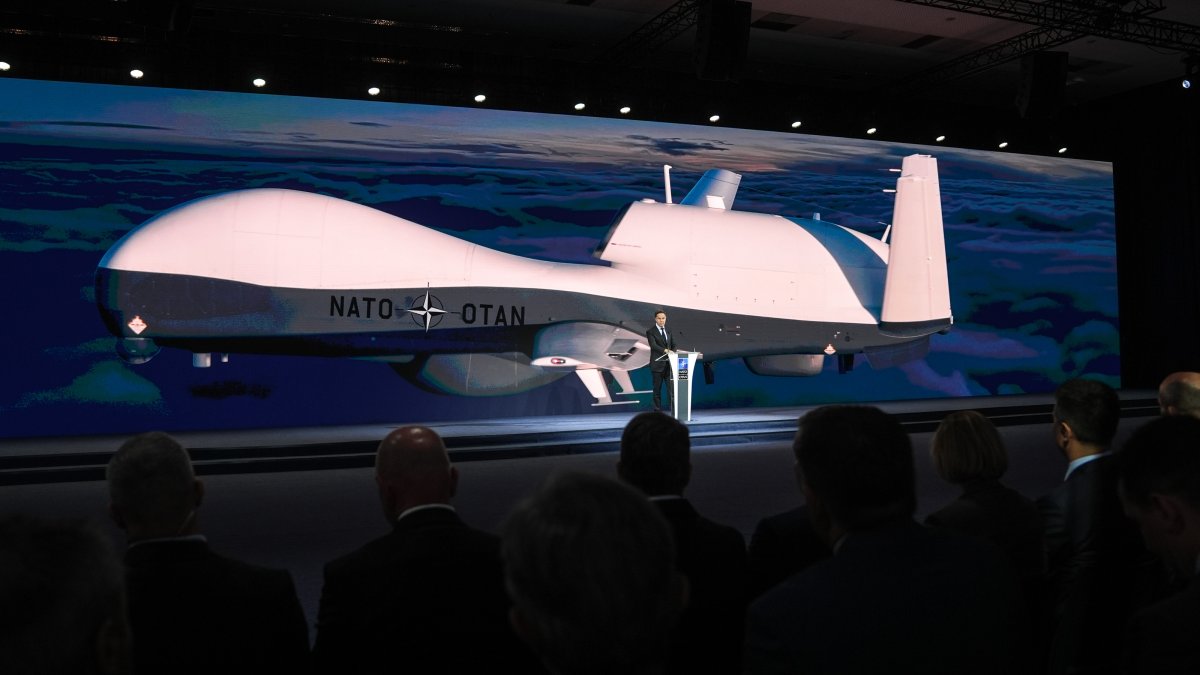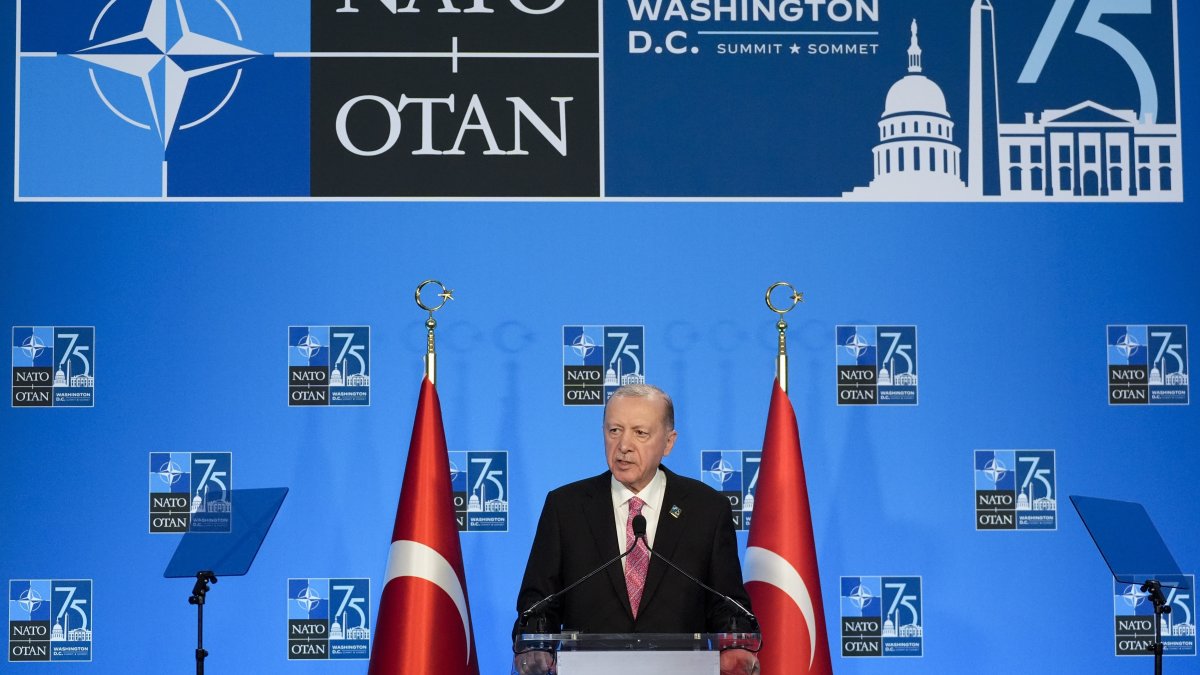
As NATO leaders gather in the Turkish capital for the two-day summit, a critical question remains to be answered: Will they be able to agree on a more unified approach on the future of the alliance, including from defense spending and security strategy to how to move from planning and pledges to action?
Indeed, the alliance has faced numerous challenges in recent years. From the Ukraine-Russia war to the discrepancy between the United States and Europe on defense spending, to a lack of political unity on key security issues such as China and cyber threats.
At a time when the world has become increasingly unpredictable, security challenges have also become more complex. As such, the summit will seek to address these issues and facilitate a sustainable path forward for NATO 3.0.
At the core, the alliance must take the opportunity not only to reaffirm its commitment to the collective defense principle and make mere symbolic pledges, but to take concrete actions.
Two main objectives must be prioritized. One, to tackle and address the issue of defense spending and how to deal with the U.S. position on European security architecture. Two, to organize and be prepared for new threats such as hybrid warfare and cybersecurity-related issues that surpass simple geographical borders.