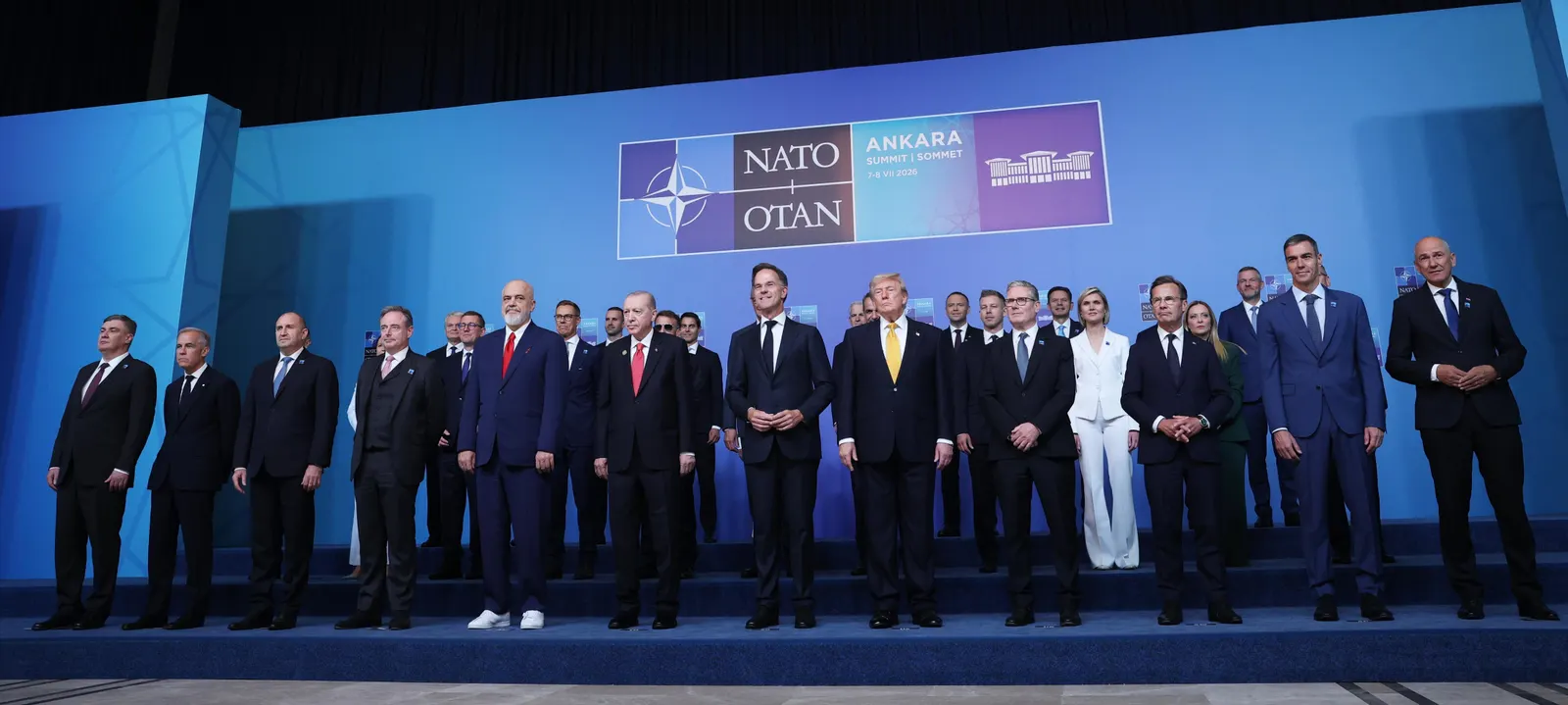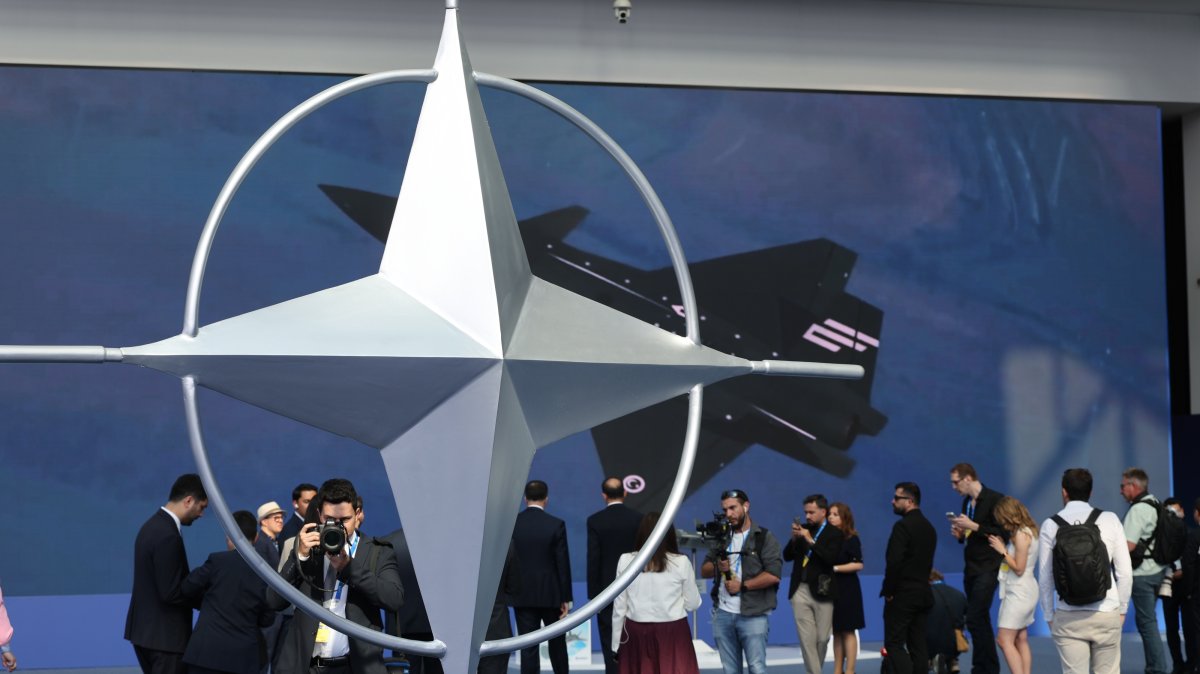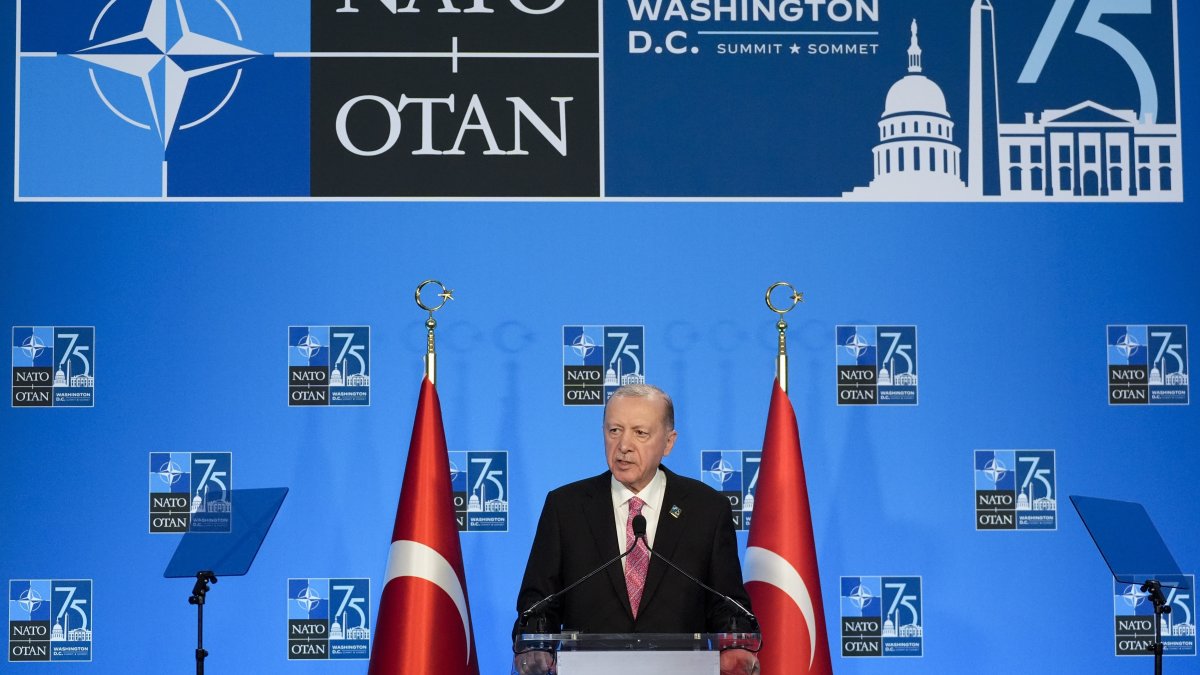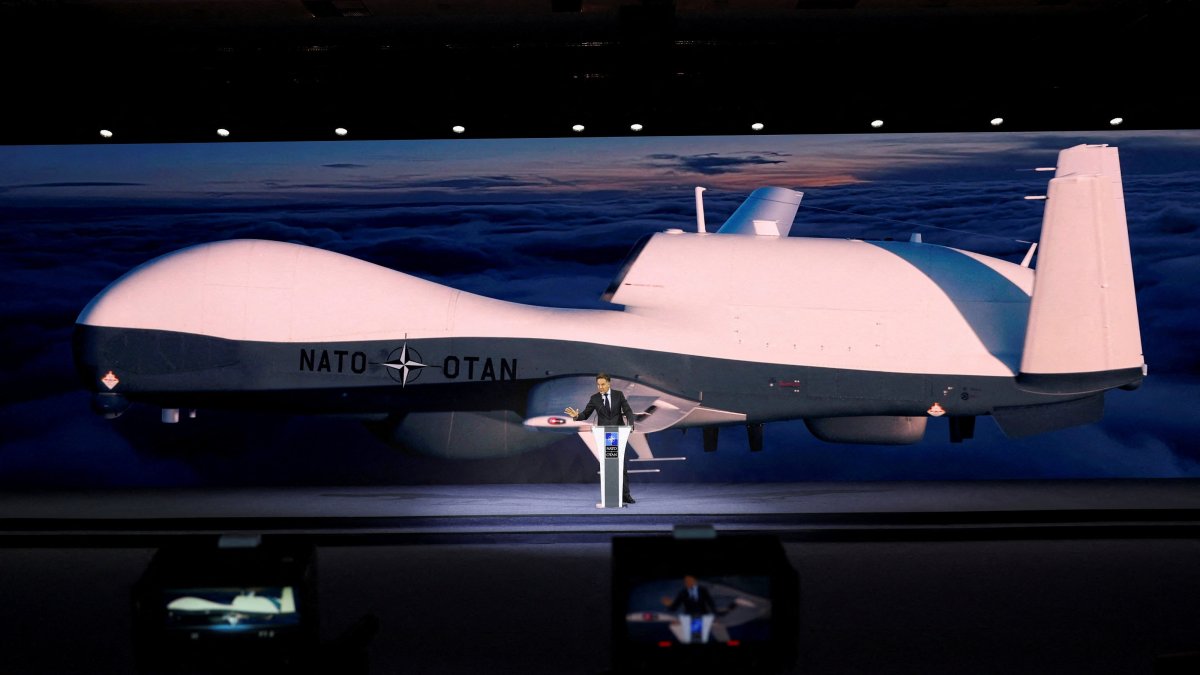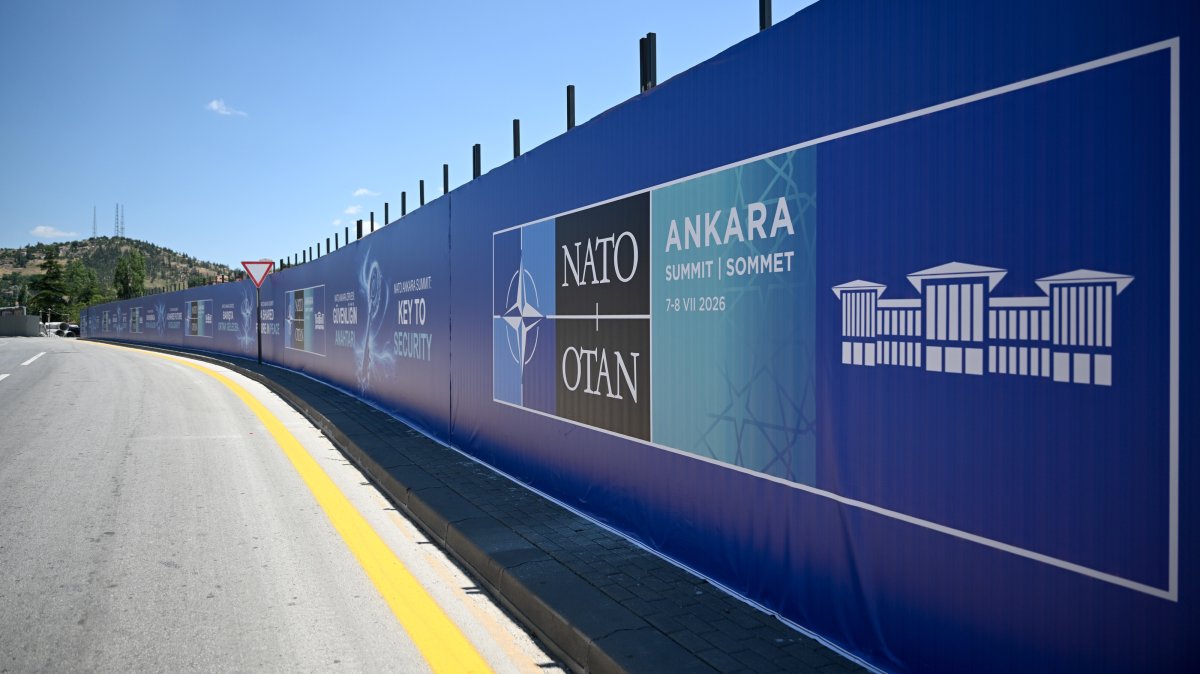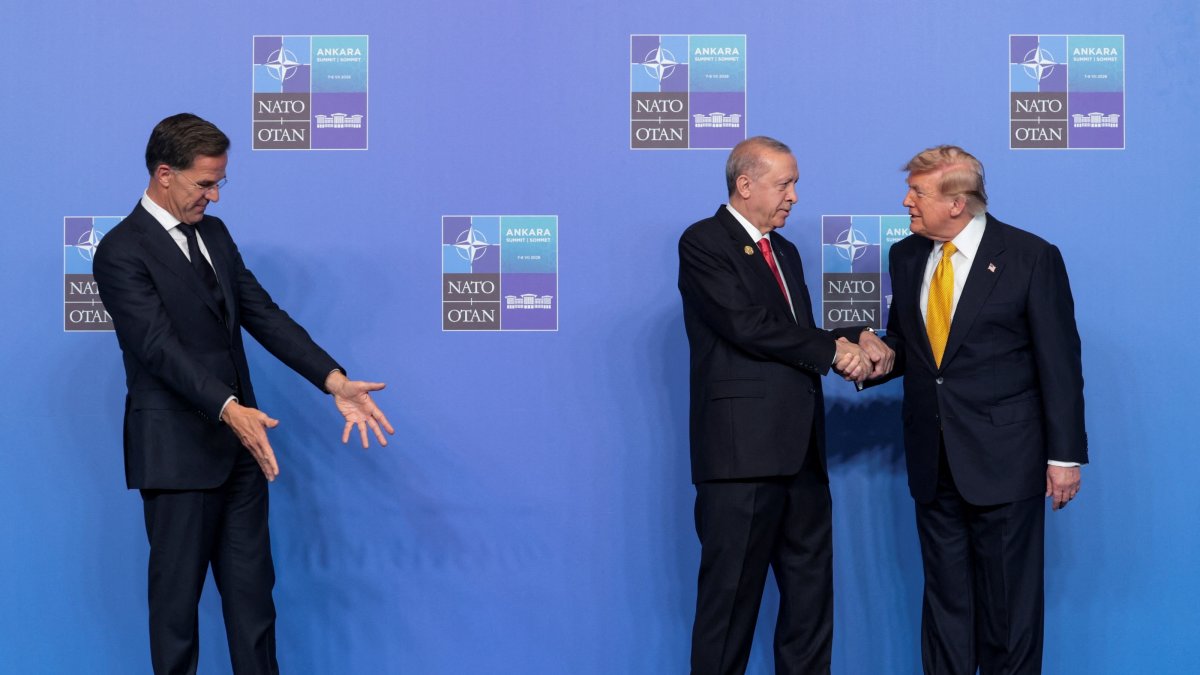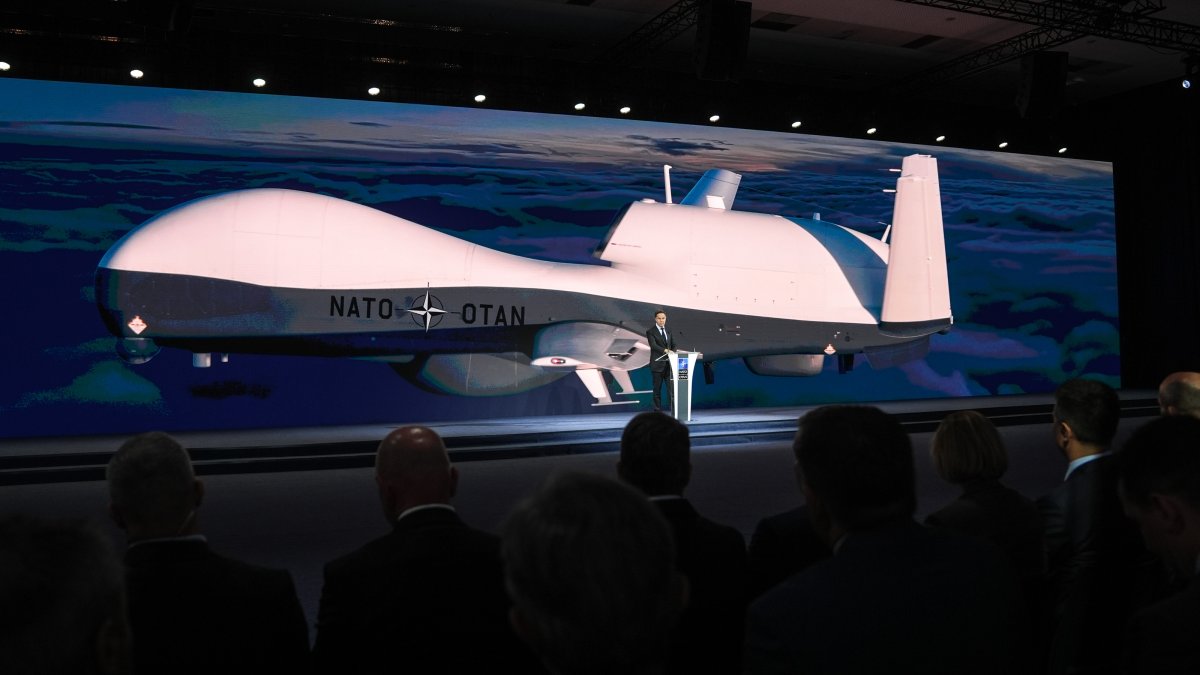
The 2026 Ankara summit may prove to be one of the most consequential meetings in NATO’s post-Cold War history. Rather than concluding the alliance’s adaptation to Russia’s invasion of Ukraine, Ankara inaugurated a broader debate about how NATO should compete, produce, innovate and deter in an era of prolonged strategic competition. The summit therefore deserves attention not because of the number of initiatives it announced but because it fundamentally changed the logic of NATO’s transformation.
The summit convened under extraordinary geopolitical conditions. NATO leaders met while Russia’s war against Ukraine continued to reshape European security, conflict in the Middle East generated new strategic uncertainty and transatlantic disagreements over burden sharing persisted. These simultaneous pressures forced the alliance to confront a strategic reality that had become increasingly difficult to ignore. NATO no longer faces a single military challenge or a single theater of operation. It must deter Russia, respond to instability across its southern neighborhood, strengthen resilience against hybrid threats, accelerate technological innovation and rebuild the industrial foundations of collective defense at the same time.