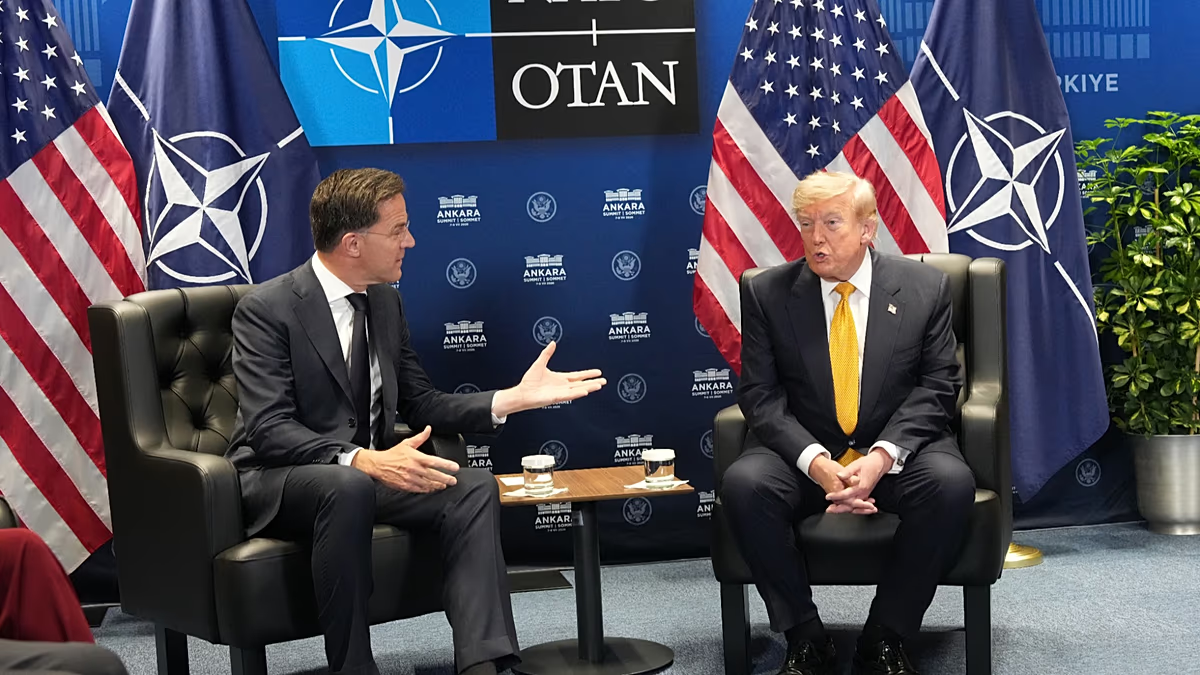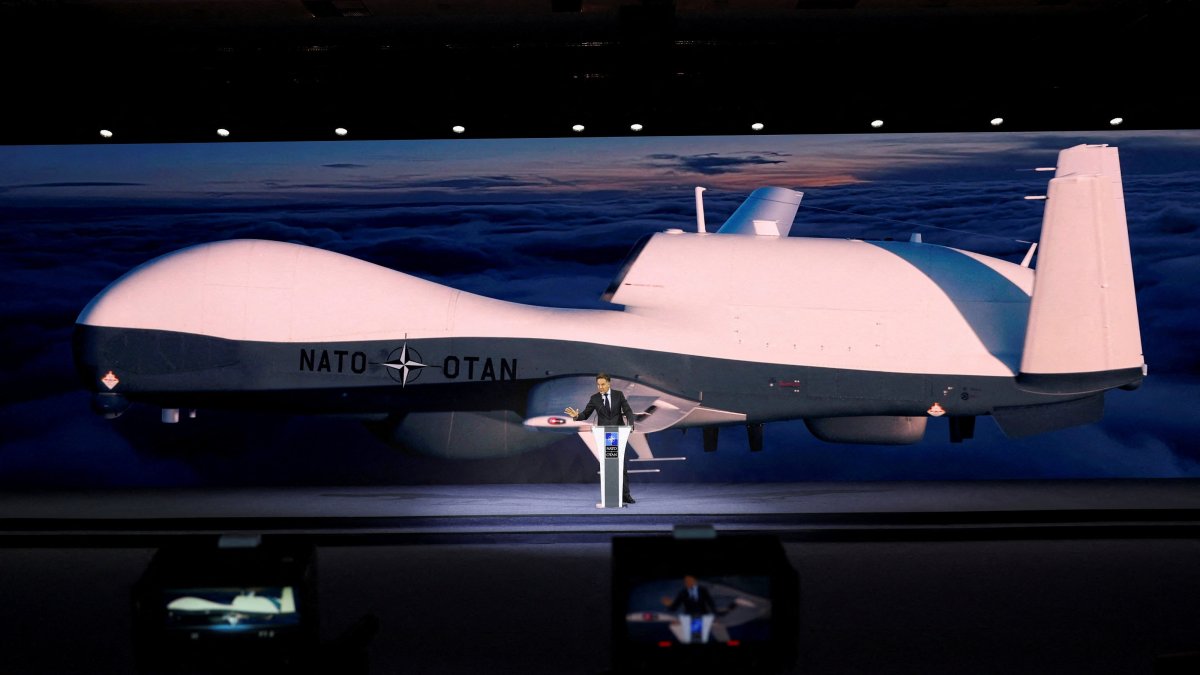
Even before the NATO summit in Ankara, two dominant themes surrounding the alliance surfaced: how allies would translate previous commitments into reality and how Europe could do more to boost its own security.
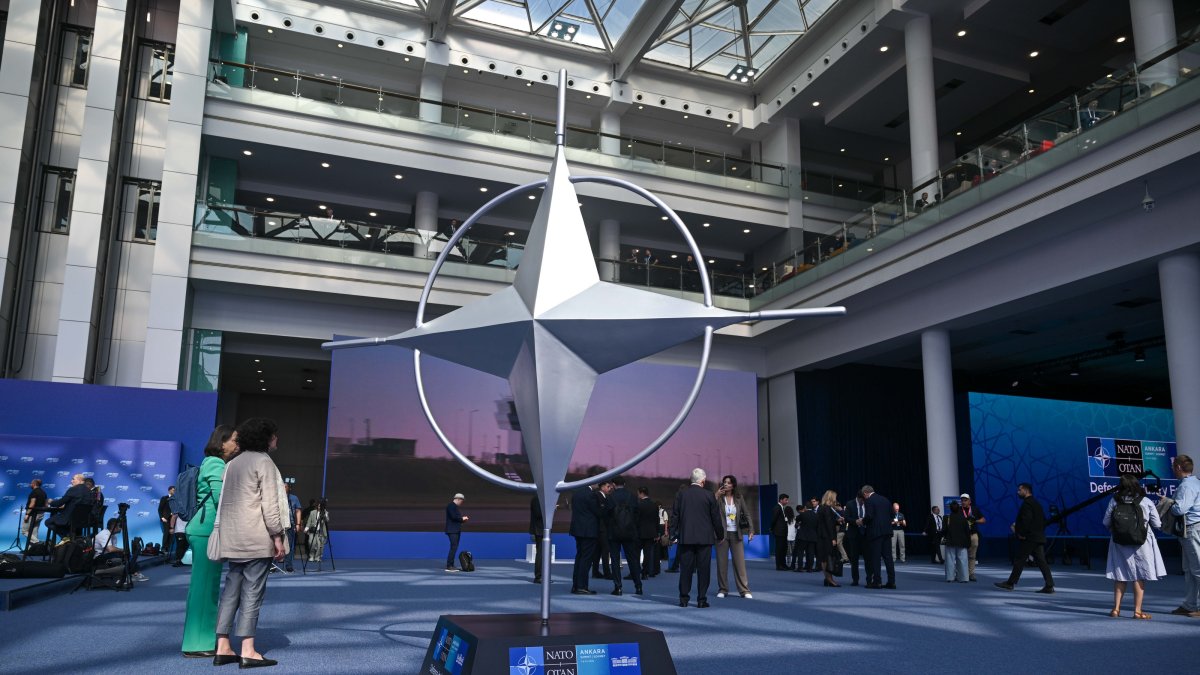
The summit in Ankara provided some insights into both, although many could argue that it put more emphasis on common industrial procurement than it actually shed light on how Europe plans to do more.
But the sense of urgency and unity was there.
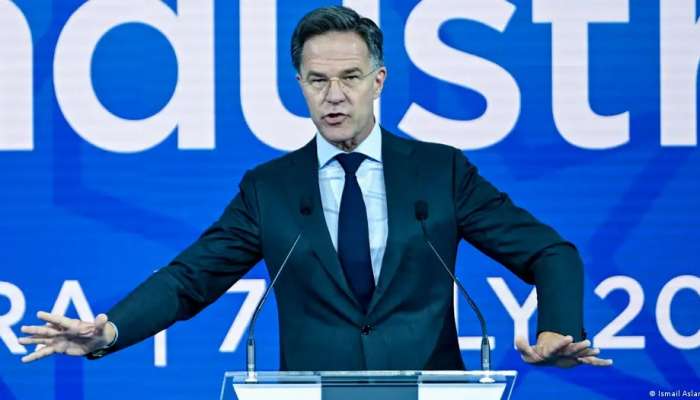
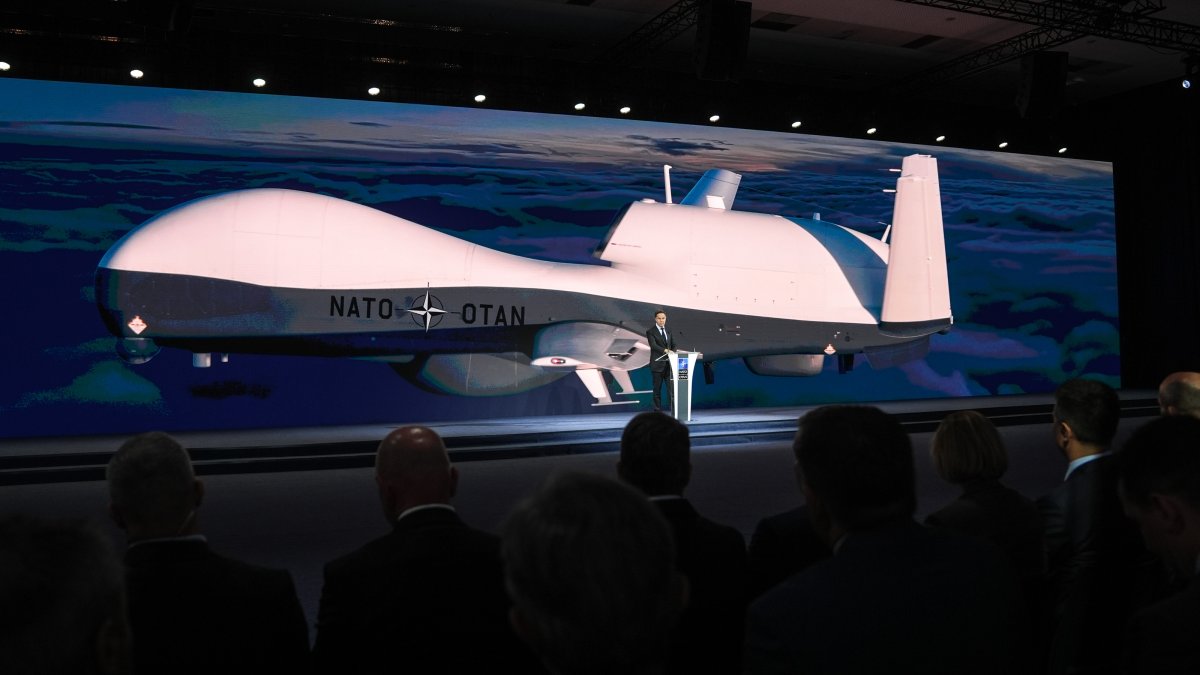
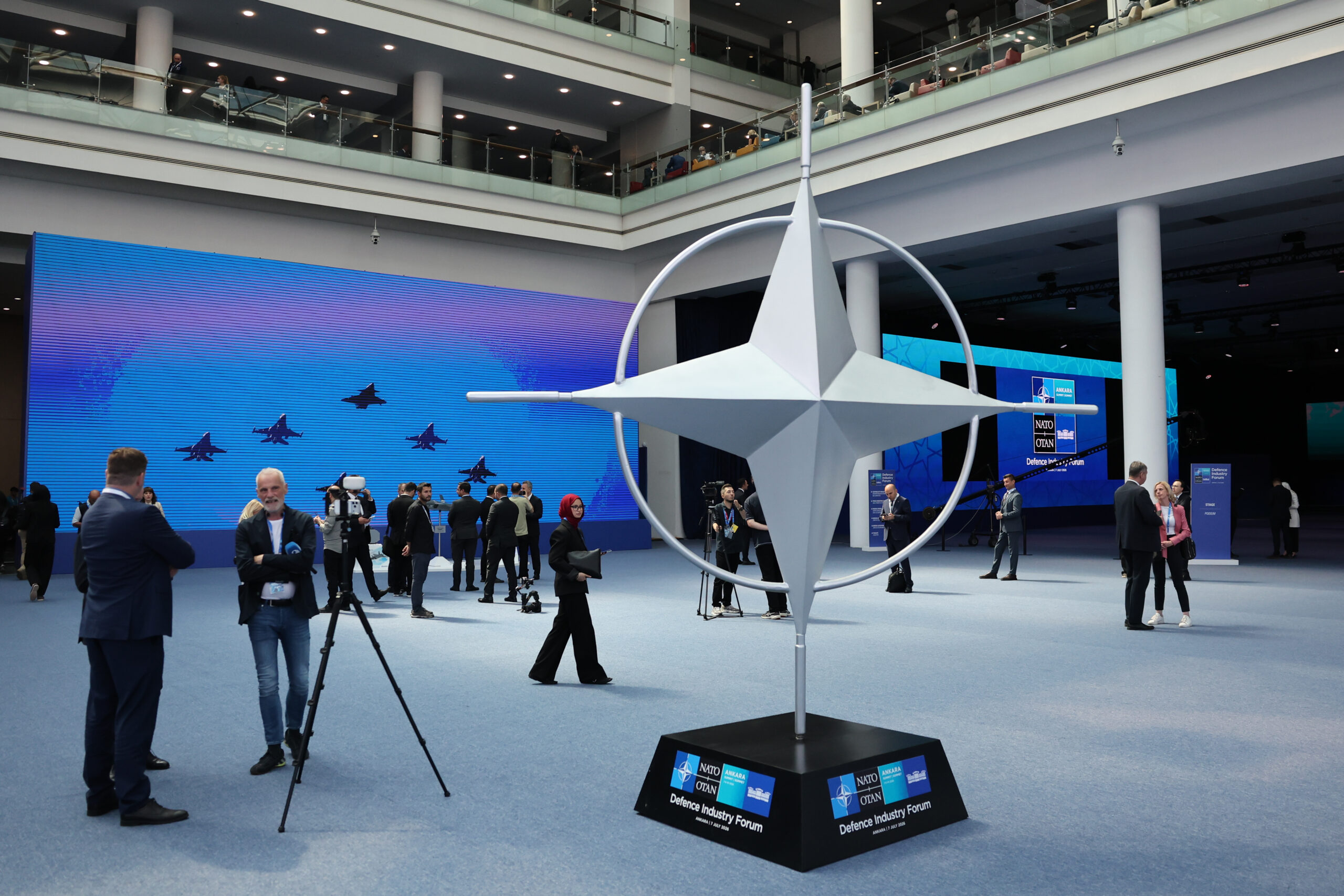
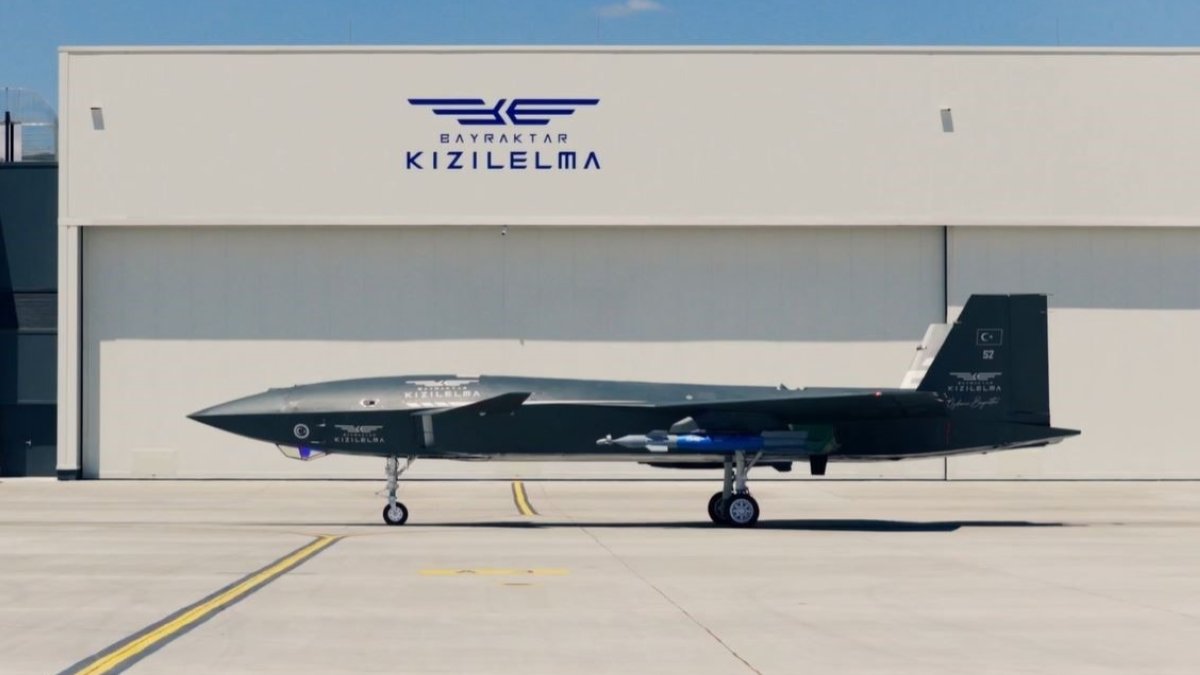
The NATO Defence Industry Forum indeed delivered and offered several initiatives through which the alliance seeks to bolster defenses and better equip for future challenges, as seen in the massive $40 billion counter-drone commitment. It also unlocked several other initiatives, some of which remain subject to further negotiations but which would also require extra spending and stronger production capacity.
This production capacity and robust production lines are seen as a major challenge for some of the allied nations, experts argue, as they need to deliver on it quickly and also look to avoid hampering, for example, financing for the public sector.